In This Guide
- Your South Indian Kitchen Starter Pack
- Deconstructing the Classics: The Big Five Recipes
- Three Foolproof Recipes to Build Your Confidence
- Navigating the World of Chutneys & Accompaniments
- Common Pitfalls & How to Avoid Them
- The Health Angle: Why South Indian Food Gets So Much Praise
- Your South Indian Recipes Questions, Answered
Let's be honest. The first time you see a perfectly crisp, lace-like dosa or smell the complex, tangy aroma of a real sambar, you're hooked. South Indian food has this magical pull. It's not just about the heat (it's often not that spicy at all), but about layers of flavor—sour, savory, earthy, and fresh, all at once. But trying to recreate those South Indian recipes at home can feel intimidating. I remember my first attempt at grinding idli batter. Let's just say the results were... dense. Hockey-puck dense.
This guide is here to change that. We're not just listing recipes; we're unpacking the whole kitchen. The why behind the techniques, the non-negotiable spices, and the little secrets that make all the difference. Whether you're a complete beginner curious about vegetarian South Indian food or someone who's burned one too many dosas (guilty), there's something here for you.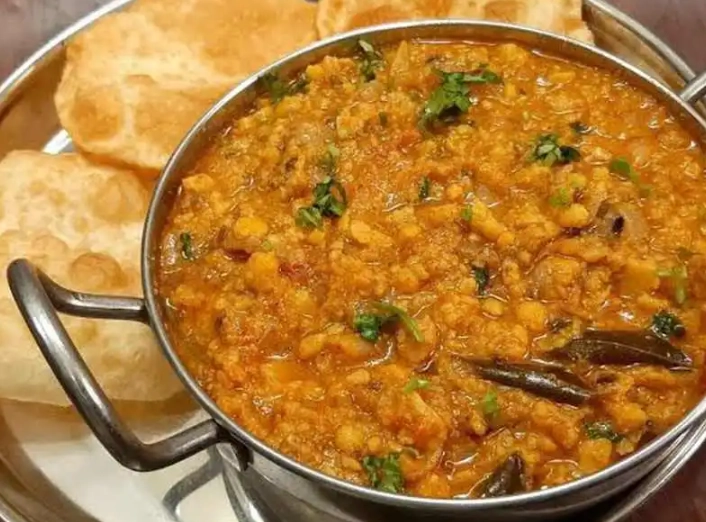
What makes South Indian cuisine unique? Think less about creamy, nut-based gravies and more about fermentation, lentils, rice, coconut, and a symphony of spices tempered in oil. The food from states like Tamil Nadu, Kerala, Karnataka, Andhra Pradesh, and Telangana is incredibly diverse but shares some common threads: a heavy reliance on rice, a mastery of lentil-based dishes, the generous use of coconut (in all forms—grated, milk, oil), and the holy trinity of tempering spices: mustard seeds, curry leaves, and dried red chilies.
Your South Indian Kitchen Starter Pack
You don't need a warehouse of ingredients, but a few key players are essential. Trying to make these recipes without them is like trying to drive a car without wheels.
The Spice Roster: Non-Negotiables
Here’s the thing about spices. Buying them pre-ground is convenient, but for the real fragrance, whole spices toasted and ground fresh are a game-changer. I started with pre-ground coriander and the difference when I switched was night and day.
| Spice (Whole is Best!) | Flavor Profile | Its Starring Role In... |
|---|---|---|
| Mustard Seeds | Nutty, pungent pop when tempered in oil. | Almost every *tadka* (tempering) for sambar, rasam, chutneys. |
| Cumin Seeds | Earthy, warm, slightly citrusy. | Rasam powder, biryani bases, some vegetable stir-fries (poriyal). |
| Coriander Seeds | Lemony, floral, subtly sweet. | The backbone of most curry powders (sambar powder). |
| Fenugreek Seeds | Bitter, maple-scented (use sparingly!). | Sambar powder, pickles. A tiny bit goes a long way. |
| Dried Red Chilies (Byadgi & Guntur) | Byadgi: deep color, mild heat. Guntur: serious fire. | Providing heat and color to powders, chutneys, and curries. |
| Curry Leaves (Fresh or frozen) | Citrusy, aromatic, utterly irreplaceable. | Tempering. Don't skip this! It's the signature scent. |
| Asafoetida (Hing) | Pungent raw, transforms into savory, garlic-onion depth when cooked. | Lentil dishes (aids digestion), vegetarian cooking for umami. |
For a deeper dive into the sourcing and history of these essential spices, the Spices Board of India is an incredible official resource. It's where I go to check the authenticity of what I'm buying.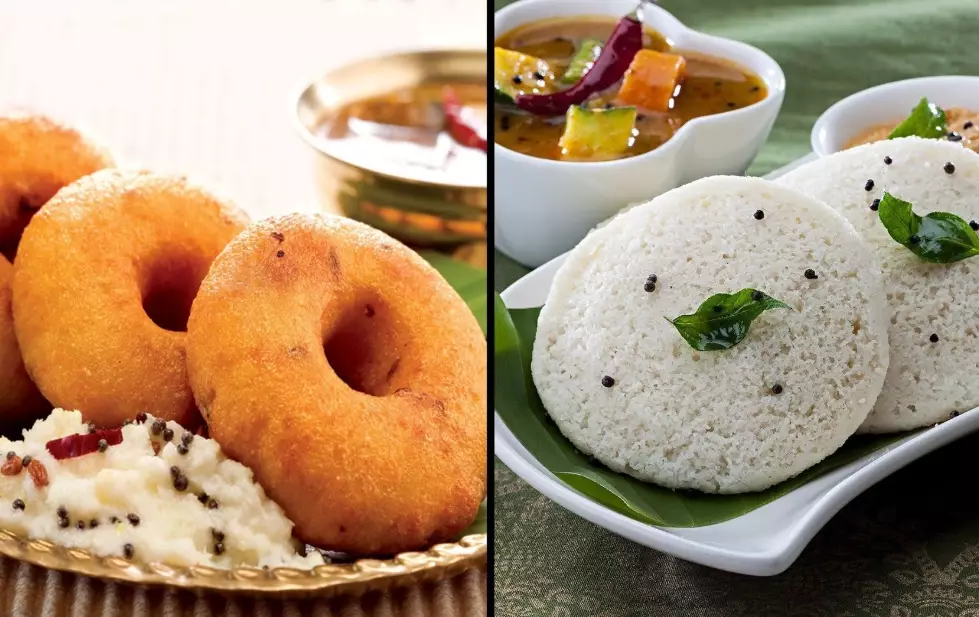
Tools of the Trade
A good blender or mixer-grinder is your best friend for chutneys and batter. But the one tool that truly unlocks a world of easy South Indian recipes is a pressure cooker. Lentils cook in minutes, not hours. If you don't have one, a heavy-bottomed pot works, it just takes longer and more water. A *tava* (flat iron griddle) is ideal for dosas, but a good non-stick or cast-iron skillet does the job.
Pro-tip from my many failures: If you're grinding batter for idli or dosa, the motor of your blender can heat up the ingredients and affect fermentation. Grind in short bursts with plenty of ice water if possible. Or, invest in a wet grinder if you get serious—it makes a noticeably fluffier idli.
Deconstructing the Classics: The Big Five Recipes
You can't talk about South Indian recipes without these pillars. Let's break them down so you understand the logic, not just follow steps.
Dosa: The Lacy Crepe
More than just a pancake, it's a testament to fermentation. The batter is a mix of rice and urad dal (black gram), soaked, ground, and left to ferment overnight. This creates the signature sour tang and airy structure. The key to crispness? A properly hot griddle and a very thin spread. My first dozen were either soggy or torn. The trick is patience—wait for the surface to look dry and the edges to lift before you even think about flipping.
Idli: The Steamed Pillow
It uses the same batter as dosa, but with a slightly different ratio (often more dal) and a thicker consistency. Steaming is what gives it that soft, spongy, cloud-like texture that soaks up sambar and chutney beautifully. The biggest mistake? Over-fermenting the batter, which makes it too sour and the idlis flat. A warm spot (like an oven with the light on) for 8-12 hours is usually perfect.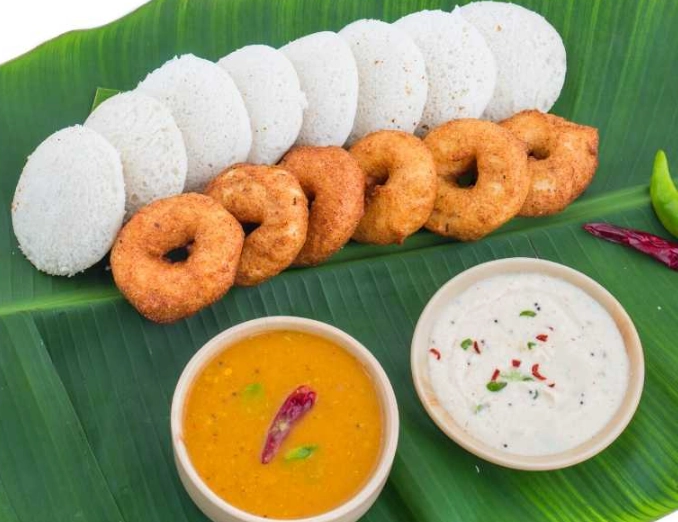
Sambar: The Hearty Lentil Stew
This is where the spice rack comes to life. Sambar is a tangy, vegetable-loaded lentil stew flavored with a special spice blend (sambar powder) and finished with that iconic mustard seed-curry leaf tempering. The tang comes from tamarind pulp. You can use toor dal (pigeon pea) or moong dal (split mung bean). It's versatile—change the vegetables, change the meal. The official tourism site for Tamil Nadu has a great page on the cultural significance of Sambar, which really shows how central it is.
Rasam: The Pepper Water Elixir
Think of it as a spicy, peppery, tangy broth. It's lighter than sambar, often made with just tamarind water, tomatoes, and a distinct rasam powder (heavy on pepper, cumin, coriander). It's drunk like a soup or mixed with rice. Incredibly soothing when you have a cold. The tempering here is crucial—mustard seeds, cumin, garlic, curry leaves sizzled in ghee and poured on top.
Avial: Kerala's Vegetable Celebration
A mixed vegetable dish from Kerala, cooked with a mild coconut-yogurt paste and seasoned with coconut oil and curry leaves. It's creamy without being heavy, and the freshness of the vegetables really shines. The use of raw coconut oil at the end is non-negotiable for the authentic flavor.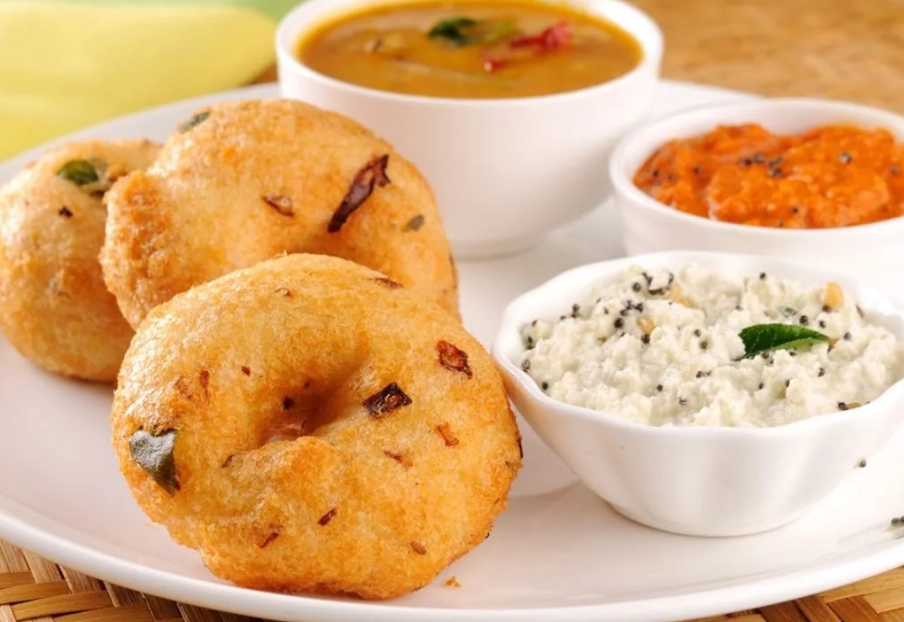
A word on coconut oil: It has a strong, distinct flavor that defines many Kerala South Indian recipes. If you're not used to it, it can be overpowering. You can start with a neutral oil and add a tiny drizzle of coconut oil at the end to get a feel for it.
Three Foolproof Recipes to Build Your Confidence
Let's start with some easy South Indian recipes that deliver huge flavor without requiring specialist equipment or days of prep.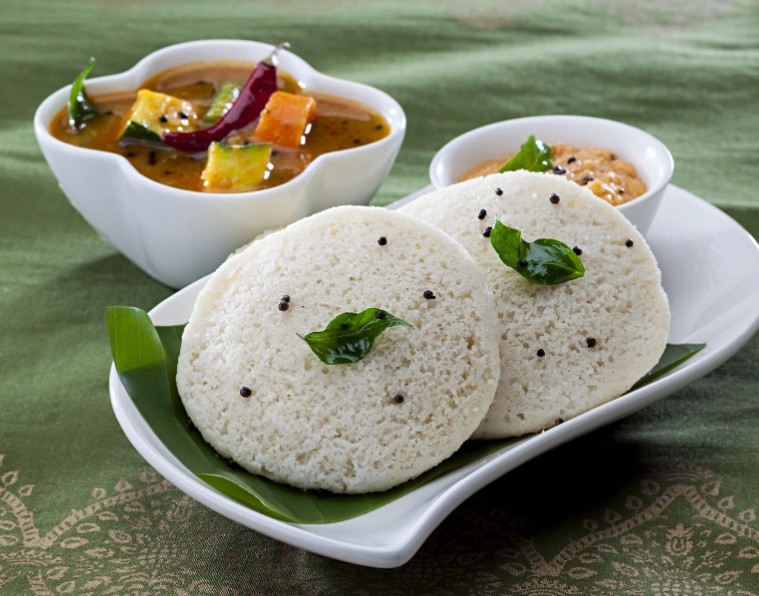
Top 1: The "I Need Dinner in 30 Minutes" Sambar
This is a simplified version using pressure cooker magic.
- Cook 1 cup toor dal in the pressure cooker with 3 cups water, ½ tsp turmeric, for 4-5 whistles. Mash lightly.
- In a pot, boil 2 cups chopped veggies (carrots, beans, drumstick, pumpkin) in 1.5 cups water with salt until tender.
- Add cooked dal, 1.5 tbsp sambar powder, a small gooseberry-sized ball of tamarind pulp (soaked in ½ cup warm water and juice extracted). Simmer 10 mins.
- The Tempering (Tadka): Heat 2 tbsp oil. Add 1 tsp mustard seeds. When they pop, add 2 dried red chilies, a pinch of asafoetida, 10-12 fresh curry leaves. Pour this sizzling oil over the sambar. Stir and serve. The aroma is instant therapy.
Top 2: The "No-Fermentation" Quick Vegetable Curry (Kootu)
A creamy, comforting dish of lentils and vegetables.
- Pressure cook ½ cup moong dal (split yellow mung) with 2 cups chopped spinach or cabbage until soft.
- Grind ½ cup grated coconut, 1 tsp cumin seeds, 2 green chilies with a little water to a paste.
- Mix paste into cooked dal-vegetable mix. Add salt, simmer 5 mins.
- Temper with mustard seeds and curry leaves. Done. It's that simple and incredibly satisfying.
Top 3: The Ultimate Comfort Food: Upma
A savory semolina porridge, perfect for breakfast or a light dinner.
- Dry roast 1 cup semolina (rava) in a pan until fragrant. Set aside.
- In the same pan, heat 2 tbsp oil/ghee. Add 1 tsp mustard seeds, 1 tsp urad dal, 2 dried red chilies, a handful of cashews, and curry leaves.
- Add 1 chopped onion, 1 chopped green chili, some ginger. Sauté until soft.
- Add 2.5 cups boiling water, salt. Slowly whisk in the roasted semolina to avoid lumps.
- Cover and cook on low for 3-4 mins. Fluff with a fork. Garnish with cilantro. Squeeze of lemon on top is magic.
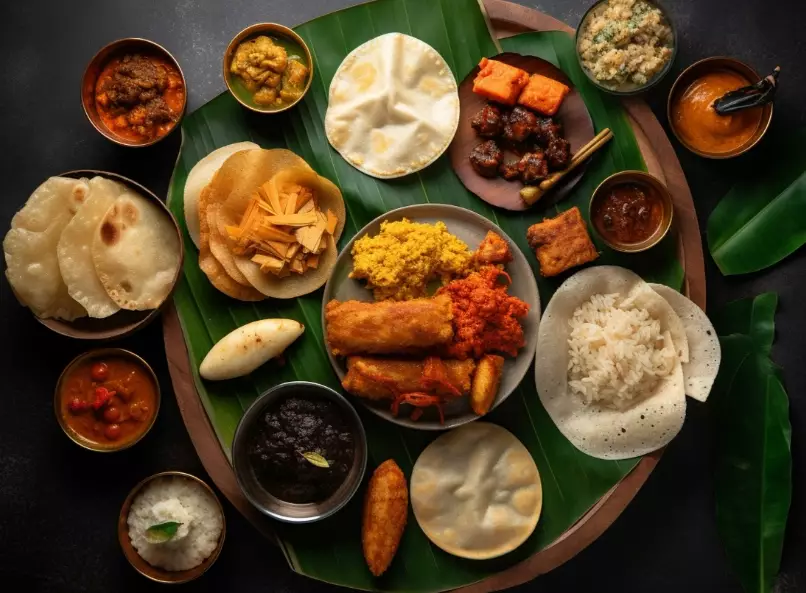
Navigating the World of Chutneys & Accompaniments
No South Indian meal is complete without them. They're the flavor accents that elevate everything.
Coconut Chutney: The king. Fresh coconut, roasted chana dal, green chilies, ginger, salt, water. Blend. Temper with mustard seeds and curry leaves. It's the perfect cool counterpart to a spicy dosa.
Tomato Chutney: Tangy, slightly sweet. Sauté onions, tomatoes, dried red chilies, tamarind. Blend into a coarse paste. Tempered with mustard seeds and urad dal.
Molagapodi (Gunpowder): A dry spice mix of lentils, chilies, and asafoetida. Mixed with oil or ghee and eaten with idli, dosa, or even plain rice. It's addictive. You can find authentic recipes and variations on culinary sites like Veg Recipes of India, which I've found to be consistently reliable for traditional methods.
Common Pitfalls & How to Avoid Them
I've made these mistakes so you don't have to.
- Dosa sticking? Your griddle isn't hot enough, or it's not seasoned well. Let it heat up properly. Test with a drop of water—it should sizzle and evaporate instantly. Wipe with an oiled cloth between dosas.
- Idlis not fluffy? Batter under-fermented or over-fermented. The batter should have almost doubled and smell pleasantly sour, not sharply alcoholic. Also, don't open the steamer lid for at least 10 minutes.
- Sambar too watery/thick? Adjust the dal-to-water ratio next time. Remember, it thickens as it sits. You can always add a little hot water to thin it out.
- Tempering (Tadka) burning? Have your next ingredient ready (like curry leaves) to throw in the second the mustard seeds pop. It cools the oil down slightly and prevents burning.
The Health Angle: Why South Indian Food Gets So Much Praise
It's not hype. The core of vegetarian South Indian food is pulses, rice, vegetables, and spices—a nutritional powerhouse.
Fermented foods like idli and dosa are great for gut health. Lentils are packed with protein and fiber. The spices aren't just flavor agents; turmeric has curcumin (anti-inflammatory), fenugreek can help regulate blood sugar, and asafoetida aids digestion. The cooking methods often involve steaming, tempering (which uses relatively little oil), and stewing. It's a cuisine that feels wholesome and energizing. For detailed nutritional studies on traditional Indian foods, research portals like those from the Indian Council of Medical Research often publish relevant findings.
Your South Indian Recipes Questions, Answered
These are the things I used to google constantly.
Q: Is all South Indian food vegetarian?
A: Not at all. While Tamil Nadu and Karnataka have a strong vegetarian tradition, Kerala and coastal regions are famous for seafood—fish curries, prawn masala—and Andhra/Telangana are known for fiery non-vegetarian dishes. But the vegetarian South Indian food repertoire is so vast and delicious, it's what most people encounter first.
Q: Can I use coconut milk instead of fresh coconut?
A: In a pinch, yes for curries. But for chutneys or pastes, the texture and taste of fresh or frozen grated coconut is far superior. Canned coconut milk can make things too rich and sweet.
Q: My dosa batter didn't ferment. What went wrong?
A: Temperature is key. If your kitchen is cold, the bacteria won't activate. Try placing the batter container in an oven with the light on, or near (not on) a radiator. Also, make sure your urad dal is fresh; old dal doesn't ferment well.
Q: What's a good substitute for curry leaves?
A> Honestly, there isn't a perfect one. They have a unique flavor. In a real emergency, a bay leaf and a bit of lemon zest added at the end might hint at the citrus note, but it's not the same. Try to find them fresh or frozen at an Indian grocer—they freeze beautifully.
Q: Is ghee necessary, or can I use oil?
A> You can absolutely use oil (coconut, sunflower, peanut). Ghee adds a rich, nutty aroma, especially in dishes like upma or drizzled on hot rice. It's a flavor enhancer, not a strict requirement for most easy South Indian recipes.
So, there you have it. A roadmap. Start with the upma or the quick kootu. Master the tempering. Get comfortable with the spices. Don't be afraid if your first dosa looks like a map of a strange country—mine did. The point is to get into the kitchen and start. The flavors you'll unlock are more than worth the effort. Happy cooking!
Discussion