In This Guide
- The Non-Negotiable Foundation: Understanding Indian Spices
- The Tools You Actually Need (Spoiler: Not Many)
- Core Techniques: The "Why" Behind the "What"
- Your First Three Dishes: A Practical Roadmap
- Answering Your Burning Questions (FAQ)
- Common Pitfalls and How to Dodge Them
- Where to Go From Here: Your Next Steps
Let's be honest, the thought of cooking Indian food from scratch can feel a bit... intimidating. All those spices with unfamiliar names, the complex-looking curries, the fear of ending up with something either bland or a five-alarm fire in a pot. I get it. I remember my first attempt at a proper chicken curry. It was more of a spicy, brown soup. Not terrible, but definitely not the rich, layered dish I was aiming for.
But here's the secret: Indian home cooking, at its heart, is incredibly logical and forgiving. It's built on a few foundational techniques that, once you grasp them, open up a world of flavor. This guide is all about sharing those Indian cooking tips for beginners that I wish someone had told me. We're skipping the restaurant-style theatrics and focusing on the simple, satisfying food you can make in your own kitchen. No prior experience required.
Before you start: Throw out the idea that you need 20 different spices for every dish. You don't. We'll build a practical, starter kit. Also, forget about achieving "authenticity" on day one. Your goal is to make something tasty that you enjoy. Authenticity follows understanding.
The Non-Negotiable Foundation: Understanding Indian Spices
This is where most beginners stall. You see a recipe calling for "1 tsp garam masala" and you wonder what magic dust this is. Spices aren't just about heat; they're about building layers of flavor—earthy, warm, sweet, tangy, and yes, sometimes hot.
Think of them like notes in music. You need to know the basic ones before you can play a song.
Your Starter Spice Kit (The Essential 8)
You can cook a surprising variety of dishes with just these. Buy them in small quantities from a store with good turnover (an Indian grocery is ideal for freshness and price, but many supermarkets have these now). Whole spices last longer, but ground are fine to start.
| Spice | What It Is/Does | A Beginner's Dish to Try It In |
|---|---|---|
| Cumin Seeds (Jeera) | Warm, earthy, nutty. The absolute backbone. Often fried in oil first to release flavor. | Simple Jeera Rice (cumin rice). |
| Coriander Powder (Dhania) | Mild, lemony, floral. The most used ground spice. It's a background harmonizer. | Any basic curry or dal (lentil soup). |
| Turmeric Powder (Haldi) | Earthy, peppery. Provides golden color and a subtle base flavor. (It stains, be careful!) | Every single curry. It's almost always added with coriander powder. |
| Garam Masala | A warm spice *blend* (cinnamon, cardamom, cloves etc.). Added at the END of cooking for aroma. | A dollop stirred into a finished butter chicken or lentil dish. |
| Red Chili Powder (or Kashmiri) | Provides heat and color. Kashmiri chili is milder and gives a vibrant red. | Start with a pinch in a curry. You control the heat. |
| Mustard Seeds (Rai) | Tiny balls that pop in hot oil, releasing a nutty, pungent flavor. Used for tempering. | Tadka (tempering) for a simple dal. |
| Cardamom Pods (Elaichi) | Intensely aromatic, sweet-floral. Use whole pods (crush lightly) or seeds from inside. | In rice dishes (biryani) or rich curries. |
| Asafoetida (Hing) | A pungent resin powder used in tiny pinches. Adds a savory, onion-garlic depth. | A pinch in the oil before adding lentils for a digestive boost. |
See? Not so scary when you break it down. The government of India's tourism site, Incredible India, highlights the diversity of Indian cuisine, and it all starts with these regional spice combinations. You're learning a language, one spice at a time.
The Tools You Actually Need (Spoiler: Not Many)
You don't need a tandoor oven. Really. A few basic pots and pans will do.
- A Heavy-Bottomed Pot or Dutch Oven: This is your MVP. It distributes heat evenly, preventing spices from burning when you fry them. A thin pot will betray you.
- A Spice Grinder or Mortar & Pestle: A cheap coffee grinder dedicated to spices is a game-changer. Freshly ground cumin is a different universe from pre-ground that's been sitting for a year. A mortar and pestle works for small quantities and pastes.
- A Blender or Food Processor: For making smooth onion-tomato-ginger-garlic pastes, which are the base of many curries. An immersion blender can work in the pot itself.
- A Good Frying Pan (Tava): For cooking rotis or searing meats. A cast-iron skillet is perfect.
That's pretty much it. Fancy gadgets can come later.
Core Techniques: The "Why" Behind the "What"
This is where the real Indian cooking tips for beginners pay off. It's not just about following a recipe, it's about understanding the steps.
1. The Art of "Bhuno" or Tempering Spices
This is the single most important technique. It's the process of frying spices in hot oil or ghee to unlock their essential oils and deepen their flavor. Raw spice powder tossed into a watery broth tastes flat and gritty. A spice fried in oil tastes rounded and complex.
How to do it: Heat oil until it shimmers. Add whole spices (cumin, mustard seeds). They should sizzle or pop. Then add your ground spices (coriander, turmeric) and stir constantly for 30-60 seconds until fragrant. Don't let them burn! If they do, sadly, start over. The oil will be infused with their flavor.
2. Building the "Base" (Onion-Tomato-Ginger-Garlic)
Most Indian gravies start here. The key is to cook it thoroughly.
- Onions: Cook them slowly until they are deeply golden brown, not just translucent. This caramelization is the foundation of a rich, sweet depth. Rushing this step is a top beginner mistake.
- Ginger & Garlic: Add them after the onions are browned. Fry for a minute until the raw smell disappears.
- Tomatoes: Add them and cook, stirring often, until the oil starts to separate from the mixture. You'll see little droplets of oil around the edges of the pan. This means the tomatoes have fully broken down and the base is ready. This can take 10-15 minutes. Be patient.
3. The Magic of Layering Spices
You don't dump all spices in at once. Whole spices often go first into hot oil. Ground spices (coriander, turmeric) are added to the onion mixture before the tomatoes. Drier spices (like more cumin powder) might be added with the main ingredient. Fragrant blends (garam masala) are almost always added at the very end, just before serving. This layering builds complexity.
A Quick Reality Check
My first few bases were... pale. I was scared of burning the onions, so I undercooked them. The resulting curry was sweet in a raw-onion way, not a rich, savory way. Don't be like past me. Embrace the medium-low heat and give it time. The color is your guide.
4. Controlling Heat (It's Not All Fire!)
Indian food has a reputation for being spicy, but heat is adjustable. The primary source is red chili powder or green chilies.
- Start Low: Use half the chili a recipe suggests. You can add more later.
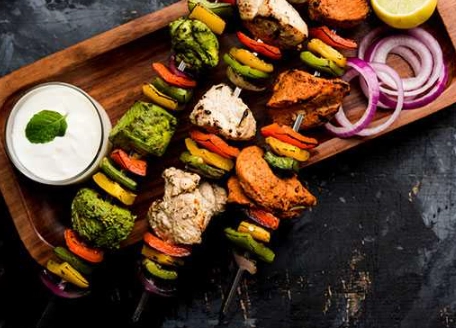
- Use Kashmiri Chili Powder: It gives great color with less punishing heat.
- The Dairy Rescue: A splash of cream, yogurt, or coconut milk can beautifully temper excessive heat in a finished dish.
- Balance with Acid: A squeeze of lemon juice or a bit of amchur (dry mango powder) at the end can brighten a dish and counterbalance heat.
Your First Three Dishes: A Practical Roadmap
Don't jump straight into butter chicken. Start with dishes that teach you the fundamentals.
- Dal (Lentil Soup): Teaches you about cooking legumes and the technique of "tadka"—tempering spices in oil and pouring it over the finished dish. It's simple, healthy, and almost foolproof.
- Simple Chicken Curry (or Paneer/Vegetable Curry): Teaches you the entire process: browning meat/veg, building the onion-tomato base, layering spices, and simmering to develop flavor. Choose a recipe with under 10 ingredients.
- Jeera Rice (Cumin Rice) or Roti: Teaches you about cooking grains and the direct application of whole spice tempering (for rice) or simple flatbread making.
Master these, and you've got a complete, satisfying meal. More importantly, you've practiced the core techniques.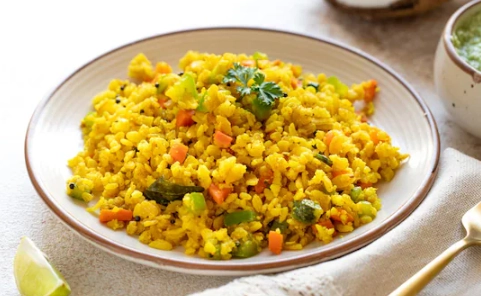
Answering Your Burning Questions (FAQ)
Q: My curry tastes bland, what did I do wrong?
A: Nine times out of ten, you didn't cook your onion-tomato base long enough. It needs to cook until the oil separates. Also, check the age of your ground spices. Old spices lose their potency. Finally, don't forget salt! It's the amplifier of all other flavors.
Q: Can I substitute curry powder for all the individual spices?
A: You can, but you shouldn't, at least not if you want to learn. Western "curry powder" is a generic blend. Indian cooking uses specific spices in specific combinations for different dishes. Using individual spices gives you control and authenticity. That said, in a pinch for a quick weeknight meal, sure, it'll make something vaguely curry-flavored. But you're better than that now.
Q: What's the deal with ghee vs. oil?
A: Ghee (clarified butter) has a high smoke point and a rich, nutty flavor. It's traditional and delicious for tempering spices and making rich dishes. Neutral oils (vegetable, canola) are fine for everyday cooking. Mustard oil (used in East Indian cooking) has a strong, pungent flavor. Start with a neutral oil or ghee.
Q: How do I get my curry creamy like in restaurants?
A: Restaurants often use copious amounts of cream, butter, and cashew or almond paste. At home, for a healthier creaminess, try blending soaked cashews with water into a paste and adding it at the end of cooking. A tablespoon of yogurt or cream stirred in works too. But remember, home-style curries are often less creamy and more about the integrity of the ingredients.
Common Pitfalls and How to Dodge Them
Let's learn from common mistakes so you don't have to make them.
- Adding cold yogurt to a hot curry: It will curdle. Always whisk a few spoonfuls of the hot curry liquid into the yogurt first to temper it, then stir it back into the main pot.
- Overcrowding the pan when frying spices or onions: This steams them instead of frying, leading to soggy, bland results. Cook in batches if necessary.
- Using pre-minced ginger/garlic from a jar: The flavor is weak and often has a preservative tang. Fresh is best. Peel a knob of ginger and a few garlic cloves, then blend or grate them. You can freeze ginger-garlic paste in ice cube trays for convenience.
- Not tasting as you go: This is the biggest one. Taste after adding the base, taste after adding the main ingredient, taste before serving. Adjust salt, acid, or heat accordingly. You are the final authority on whether it tastes good.
For more in-depth exploration of spice science and techniques, resources like Serious Eats often have excellent, well-tested articles that delve into the "why" behind cooking processes, which aligns perfectly with mastering Indian techniques.
Where to Go From Here: Your Next Steps
So you've made a decent dal and a simple curry. What now?
First, pat yourself on the back. You've tackled something new.
Then, start exploring one region. Indian cuisine is not a monolith. The coconut-based curries of Kerala are worlds apart from the mustard-oil flavored dishes of Bengal or the robust meat dishes of the North. Pick one that intrigues you. Maybe explore the world of street food with a simple chaat recipe.
Invest in one good, comprehensive cookbook written for a Western audience (authors like Madhur Jaffrey or Meera Sodha are fantastic). They explain the context and simplify methods.
Finally, remember that these Indian cooking tips for beginners are just the launchpad. The real joy is in the doing, the tweaking, and the sharing. Your curry will never taste exactly like your friend's Bengali mother's, and that's okay. It will taste like yours. And that's the whole point.
Now, go heat some oil. Throw in a teaspoon of cumin seeds and listen to them sizzle. You've got this.
Discussion