Your Lentil Companion
If you've ever stood in the grocery aisle staring at bags of lentils, completely baffled by the choices, you're not alone. I've been there. The first time I tried to make a proper Indian dal, I grabbed the wrong kind and ended up with a mushy, bland soup that bore no resemblance to the fragrant, comforting dish I was craving. It was a disaster, honestly.
But here's the thing – once you crack the code, the world of Indian lentils (or "dal," as we collectively call them) is incredible. It's the backbone of the cuisine, a daily source of protein for millions, and the heart of so much home cooking. So, let's cut through the confusion. This isn't a dry textbook list. It's a practical, from-the-kitchen guide to figuring out exactly what lentils are used in Indian cooking, why they matter, and how to use them to make your food sing.
We'll go beyond just names. We'll talk about texture, flavor, and the specific dishes each dal was born for. By the end, you'll be picking lentils with confidence.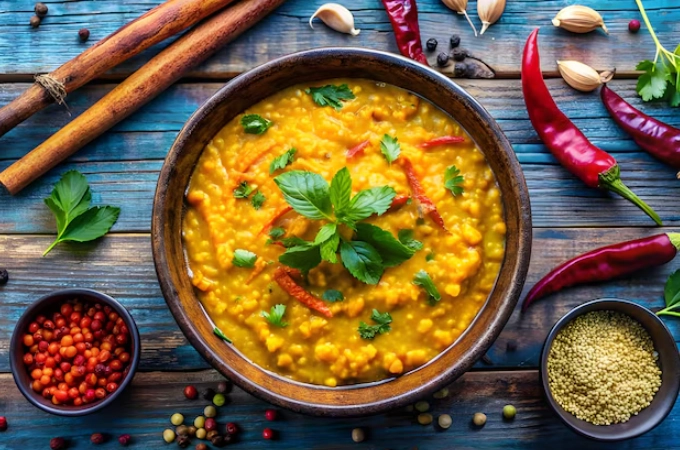
Quick Reality Check: The term "dal" can refer to both the raw, dried split pulse (like split red lentils) and the finished, cooked dish (like a bowl of creamy dal makhani). When we ask "what lentils are used in Indian cooking?", we're usually talking about the raw ingredient. But the magic happens when they transform into the dish.
The Big Players: A Tour of Essential Indian Dals
Indian kitchens typically have a rotating stock of a few key lentils. Each has a distinct personality. Some cook down to a smooth puree, others hold their shape. Some are earthy, some are mild. Knowing this is half the battle won.
Masoor Dal (Red Lentils)
These are probably the most beginner-friendly lentils out there. They're salmon-orange when dry but turn a golden yellow when cooked. Their superpower? Speed. They cook in about 20-25 minutes without any soaking and break down completely into a smooth, creamy consistency.
That's why they're perfect for simple, everyday dals. You sauté some onions, tomatoes, and spices, add water and the washed masoor dal, and let it simmer. What you get is a light, comforting soup that's easy on the stomach. It's the dal you make when you're tired, when you're sick, or just need something wholesome fast. I find their flavor mild and slightly sweet, which makes them a great canvas for spices.
You can find them split and skinless (the most common), or as whole brown lentils (sabut masoor), which have a deeper, earthier flavor and hold their shape better, almost like tiny brown discs.
My Go-To Trick: A squeeze of lemon juice right at the end of cooking a masoor dal brightens the whole dish up in a way that's just magic. Don't skip it.
Toor Dal (Yellow Pigeon Peas)
This is the king of dals in many parts of Western and South India. It's a pale yellow, split lentil with a slightly oily sheen to it. Toor dal has a distinctive, nutty aroma and a rich flavor that can stand up to robust tempering (tadka).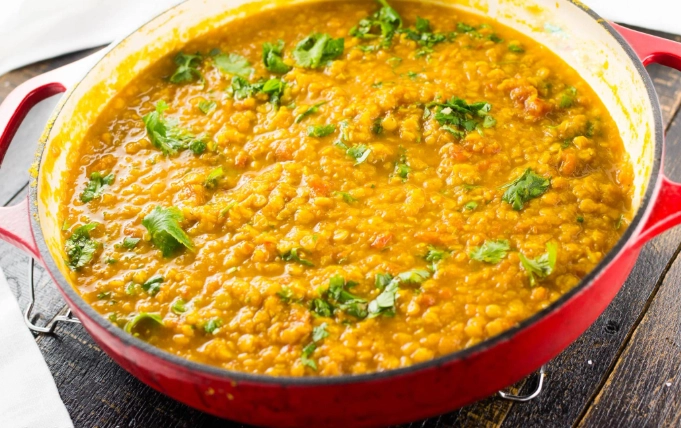
When cooked, it softens beautifully but often retains a slight texture – it doesn't vanish into complete mush like masoor dal can. This makes it ideal for the famous Sambar, the tangy, vegetable-laden lentil stew of South India. The dal provides body and heartiness to the dish. It's also the classic choice for a simple Dal Tadka, where hot ghee infused with cumin, mustard seeds, garlic, and dried red chilies is poured over the cooked dal, creating an explosion of aroma.
Some people find its natural scent a bit strong when raw, but that completely transforms into a deep, savory flavor once cooked. It does take a bit longer to cook, about 30-40 minutes, and a pinch of turmeric and a drop of oil in the cooking water helps it soften perfectly.
Moong Dal (Split Mung Beans)
Moong dal comes in a couple of forms, and this is where labels matter. Split and skinless moong dal (yellow moong dal) is a bright, sunshine yellow. It's incredibly light and easy to digest, often recommended for children, the elderly, or anyone feeling under the weather. It cooks quickly to a soft, slightly porridge-like consistency and has a very mild, almost buttery flavor.
Then you have the split moong dal with skin (green moong dal). This one has a greenish hue from the remaining husk and offers more fiber and a slightly earthier taste. It holds its shape a bit better.
But the real star for texture lovers is the whole mung bean (sabut moong). These little green ovals stay distinct when cooked and are fantastic in salads, sprouts, or curries where you want the lentil to be a defined component, not a sauce. A simple Moong Usal with onions, tomatoes, and basic spices is a weekday staple in my house.
Honestly, moong dal is the workhorse of healthy Indian cooking. It's reliable, versatile, and never lets you down.
Chana Dal (Split Bengal Gram)
Don't let the name confuse you – this is not the same as the chickpeas (garbanzo beans) you use for chana masala. Chana dal is a split, skinless version of a smaller, darker variety of chickpea. It's a vibrant yellow, has a firm, granular texture, and a wonderfully sweet, nutty flavor that I absolutely adore.
Because it holds its shape so well even when fully cooked, it's rarely used to make a smooth, soupy dal. Instead, it shines in dry or semi-dry preparations. Think of it more like a vegetable. It's fantastic in stir-fries with coconut (a South Indian classic), in savory lentil cakes (like dal vadas), or cooked with pumpkin or spinach. Its flavor is robust enough to be the main event.
It does require a longer cooking time (often 45 minutes to an hour) and sometimes a pre-soak for even cooking. But the payoff is worth it – that unique, slightly sweet earthiness is unlike any other dal.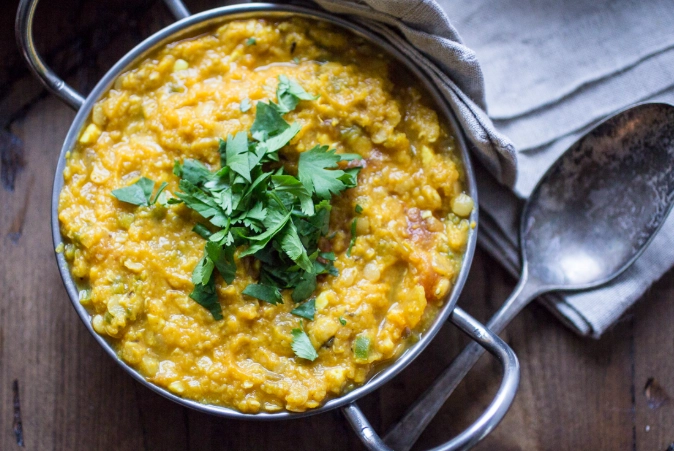
Urad Dal (Black Gram)
This is the luxury leather jacket of the lentil world – rich, decadent, and used for special occasions. Urad dal is small, black, and has a creamy white interior. It comes in two main forms for cooking: whole black urad (sabut urad) and split, skinless white urad dal.
Whole black urad is the star of the show-stopping Dal Makhani. These tiny black lentils are simmered for hours, often overnight, with kidney beans, butter, cream, and tomatoes until they surrender into the most velvety, indulgent, and deeply flavored dish imaginable. It's not an everyday dal; it's a celebration.
The split, skinless white urad dal is a key player in South Indian cuisine. It's ground into batter for idlis and dosas, giving them their characteristic soft, fluffy, and slightly fermented texture. You'll also find it used in temperings and in the dry spice blend for some podis (powders).
Its flavor is intensely earthy and rich. A little goes a long way. I find that if you're new to urad dal, starting with a dish like Dal Makhani from a good restaurant gives you the best sense of its potential.
Matar Dal (Split Peas)
Often overshadowed by its more famous cousins, matar dal (usually the yellow split pea) deserves a mention. It's less common in everyday North Indian cooking but has its place. It cooks to a thick, hearty puree with a distinct pea flavor. You might find it in certain regional dals or mixed with other lentils. It's hearty and filling, perfect for cold weather.
So, to directly answer the core question, what lentils are used in Indian cooking? The main roster includes Masoor (red), Toor (pigeon pea), Moong (mung bean), Chana (Bengal gram), and Urad (black gram). But knowing the names is just step one.
The Dal Cheat Sheet: Your At-a-Glance Guide
Let's put this all together in a way you can quickly reference next time you're shopping or planning a meal.
| Lentil (Common Name) | Hindi Name | Color (Dry) | Texture When Cooked | Signature Dishes | Cook Time* |
|---|---|---|---|---|---|
| Red Lentils | Masoor Dal (Dhuli) | Orange-Pink | Soft, breaks down completely, creamy | Simple everyday dal, light soups | 20-25 mins |
| Yellow Pigeon Peas | Toor Dal / Arhar Dal | Pale Yellow | Soft but retains slight graininess, thickens well | Sambar, Dal Tadka, Gujarati Dal | 30-40 mins |
| Split Mung Beans (Skinless) | Moong Dal (Dhuli) | Bright Yellow | Very soft, smooth, porridge-like | Khichdi, light dals, for easy digestion | 20-25 mins |
| Split Bengal Gram | Chana Dal | Golden Yellow | Firm, holds shape, granular | Dry sautés (sukha dal), curries, vadas | 45-60 mins (soak helps) |
| Black Gram (Whole) | Sabut Urad | Black | Creamy, velvety, holds shape but softens deeply | Dal Makhani, Kali Dal | 1+ hours (often slow-cooked) |
| Black Gram (Split, Skinless) | Urad Dal (Dhuli) | Off-White | Soft, used primarily ground for batter | Idli, Dosa, Medu Vada batter | N/A (soaked & ground) |
*Cook times are approximate for 1 cup dal in a pot. A pressure cooker cuts time by 50-70%.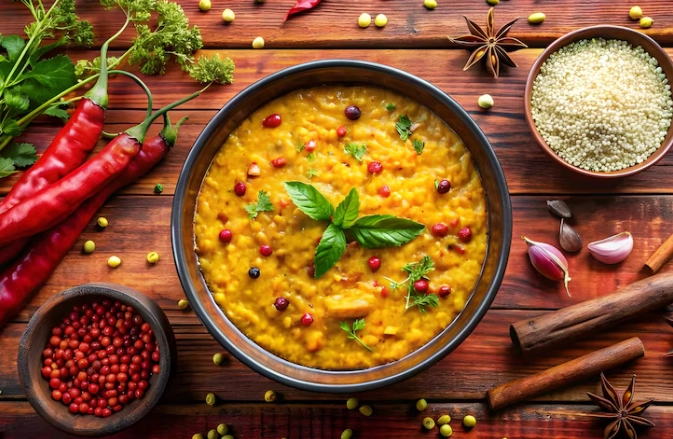
Going Deeper: How to Actually Cook With These Lentils
Knowing what lentils are used in Indian cooking is pointless if you don't know how to handle them. Here's the real kitchen wisdom.
Step 1: The Sort and Rinse. This is non-negotiable. Pour your dal into a wide plate or bowl and spread it out. Pick out any tiny stones, debris, or discolored lentils. It's meditative, I promise. Then, rinse in a fine-mesh strainer under cold water until the water runs clear. This removes dust and any residual saponins (which can cause foam).
Step 2: To Soak or Not to Soak?
- Don't bother soaking: Masoor dal, skinless moong dal. They cook fast enough.
- Soaking helps a lot (30 mins - 2 hours): Toor dal, chana dal, whole urad. It reduces cooking time and leads to more even softening.
- Soaking is essential: Whole mung beans, if you want them to cook in a reasonable time.
Step 3: The Cooking Liquid. Always use plenty of water. A good rule of thumb is 3 cups of water for 1 cup of most dals. For dals that thicken a lot (like toor), you might need 4 cups. Add a pinch of turmeric and a teaspoon of oil or ghee to the pot. The turmeric adds color and anti-inflammatory properties, and the fat helps control foaming and enriches the flavor.
Step 4: The Tempering (Tadka). This is where the soul enters the dish. The basic formula is heat ghee or oil, add cumin seeds and/or mustard seeds until they crackle, then add dried red chilies, asafoetida (hing), and maybe chopped garlic or ginger. Pour this sizzling mixture over your cooked, seasoned dal. The sound and smell are everything. It unlocks the flavors of the spices in a way that adding them directly to the pot just doesn't achieve.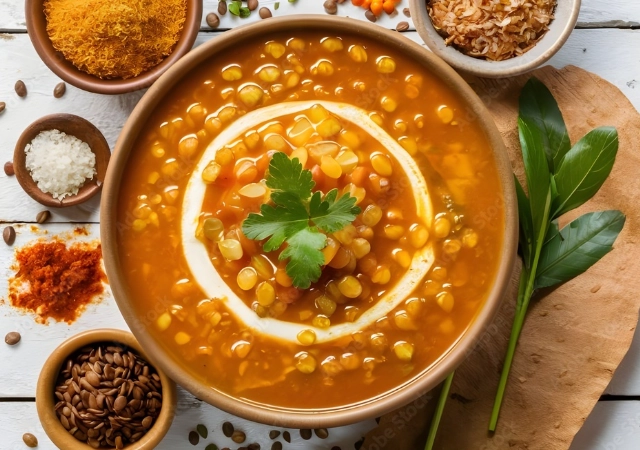
You can experiment endlessly with tadka. Curry leaves, minced onion, different chilies – it's your playground.
The Pressure Cooker Secret: For Indian home cooks, a pressure cooker (like an Instant Pot) is the ultimate dal tool. It cuts cooking time drastically and extracts a creamier texture from the lentils, especially from tough customers like chana dal and whole urad. If you're serious about cooking dals regularly, it's a game-changer.
Answering Your Real Questions (The FAQ Section)
Let's tackle some of the specific things people wonder when they're searching for information on what lentils are used in Indian cooking.
Beyond the Bowl: Lentils in Unexpected Places
When exploring what lentils are used in Indian cooking, don't just think of soupy dishes. Their versatility is stunning.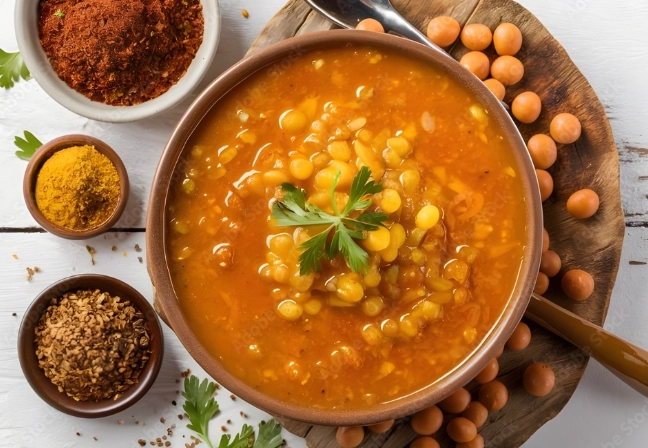
- Flours: Besan (chana dal flour) is used for pancakes (cheela), fritters (pakora), and sweets (laddu).
- Snacks: Roasted and seasoned moong or chana dal are popular crunchy snacks (daal makhana is different, but think of that texture).
- Desserts: Yes, really! A sweet porridge called "dal halwa" is made by slow-cooking soaked, ground moong dal with ghee, sugar, and nuts. It's rich and decadent.
- Spice Blends: Roasted chana dal is a key ingredient in many South Indian spice powders (podis) and the commercial spice blend "sambar powder," adding body and a nutty base note. You can learn about traditional food preparations from sources like the Ministry of Culture's repository, which documents culinary heritage.
So, the next time someone asks you, "What lentils are used in Indian cooking?", you can tell them it's not just one thing. It's a whole palette of textures and flavors. It's the quick comfort of masoor, the hearty nuttiness of toor, the gentle touch of moong, the sturdy sweetness of chana, and the luxurious depth of urad.
Start with one. Maybe grab a bag of red lentils and make the simplest dal you can. Get a feel for it. Then branch out. Your kitchen, and your dinners, will be all the richer for it. Trust me, the journey from that mushy disaster I made years ago to now confidently whipping up a pot of whatever dal I'm in the mood for was one of the most satisfying things I've learned in the kitchen. It's real food, with deep roots, and it's waiting for you to give it a try.
Discussion