Quick Navigation
- Why Does Indian Food Feel So Much Like Comfort?
- A Tour of India's Comfort Food Map
- The Hall of Fame: Must-Try Indian Comfort Food Dishes
- Can I Actually Make This at Home? (Spoiler: Yes.)
- The Health Angle: Is Indian Comfort Food Actually Good for You?
- Your Burning Questions About Indian Comfort Food, Answered
- Bringing It All Home
Let's be real. When you think of Indian food, your mind probably jumps straight to a creamy butter chicken or a fiery vindaloo from your local takeout. But that's just the shiny, restaurant-ready surface. The real magic, the stuff that heals a bad day and warms you from your toes up, happens in Indian homes. That's where you find true Indian comfort food.
It's the food that doesn't care about being Instagram-perfect. It's often a bit messy, deeply aromatic, and tastes like someone put care into it. It's the dal your mum makes when you're sick, the khichdi that settles your stomach, the simple roti with a dollop of ghee and sugar when you need a quick pick-me-up. This isn't about complexity; it's about connection.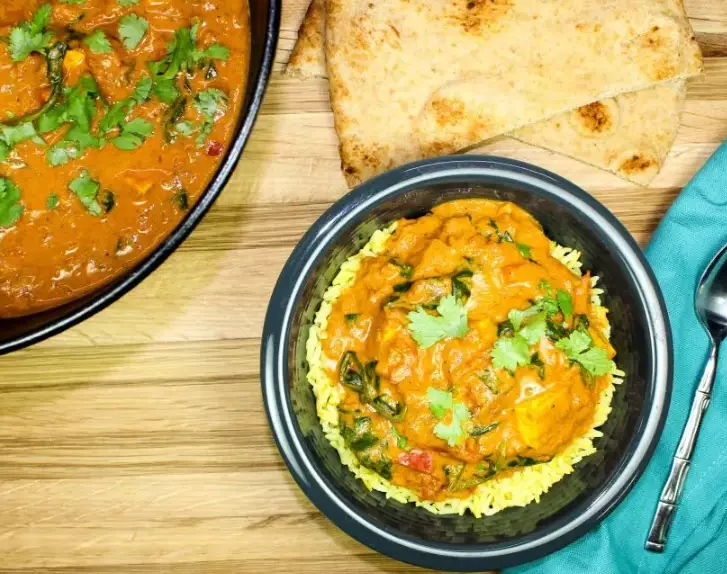
I remember the first time I had a proper home-cooked Indian meal at a friend's house in Delhi. It wasn't at a fancy restaurant. It was a simple spread of yellow dal, plain rice, a potato subzi, and some pickle. Nothing extraordinary on the menu, right? But the taste... it was earthy, balanced, and profoundly soothing in a way I'd never experienced from food before. It felt like being looked after. That's the feeling we're talking about.
Why Does Indian Food Feel So Much Like Comfort?
It's not an accident. There's a whole philosophy behind it. Indian comfort food often follows the principles of Ayurveda, an ancient system of wellness. The idea is that food should balance the body and mind. Dishes are often "sattvic" – promoting clarity and harmony – or tailored to be easy to digest.
Think about it. When you're stressed or unwell, your digestive system is the first to complain. Indian home cooks know this intuitively. That's why so many comfort dishes are one-pot wonders, slow-cooked until the ingredients melt together, or are based on lentils and rice. They're gentle.
Then there's the spice factor. And no, I don't just mean heat. The blend of spices in Indian cooking – turmeric, cumin, coriander, ginger – isn't just for flavor. Many have documented anti-inflammatory and digestive properties. Turmeric, for instance, with its active compound curcumin, is the subject of numerous modern studies. When you eat a turmeric-laced dal, you're getting a flavor boost and a potential health nudge. Organizations like the National Center for Complementary and Integrative Health (NCCIH) provide research overviews on spices like turmeric, lending scientific context to this ancient wisdom.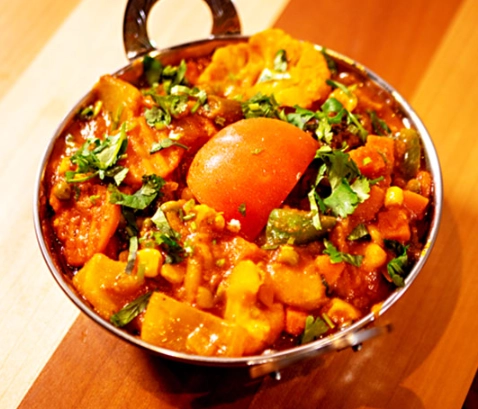
But honestly? Beyond the science, it's the memory. The smell of cumin seeds crackling in oil is the olfactory equivalent of coming home for millions of people. That's powerful stuff.
A Tour of India's Comfort Food Map
Here's where it gets fascinating. India is not a monolith. Ask someone from Punjab what comfort food is, and you'll get a different answer from someone in Kerala or Bengal. The regional diversity is staggering, and it's all rooted in local ingredients and climate.
Let's break it down a bit. This table gives you a snapshot of how comfort varies across the map.
| Region | Signature Comfort Dish | The "Why" Behind It | Key Flavors/Ingredients |
|---|---|---|---|
| North India (Punjab, Delhi) | Dal Makhani, Rajma Chawal, Sarson ka Saag with Makki di Roti | Hearty, rich dishes to combat cold winters. Creamy textures and slow-cooked legumes provide warmth and sustenance. | Black lentils, red kidney beans, mustard greens, cornmeal, cream, butter, ginger-garlic. |
| South India (Tamil Nadu, Kerala) | Ven Pongal, Sambar with Rice, Curd Rice (Thayir Sadam) | Light, often rice-based and fermented foods suited to a hot, humid climate. Focus on digestion and cooling the body. | Rice, lentils, tamarind, yogurt, curry leaves, coconut, black pepper. |
| West India (Gujarat, Maharashtra) | Gujarati Dal Dhokli, Sabudana Khichdi, Poha | Often vegetarian, quick to make, and subtly sweet-sour-spicy. Perfect for busy households and light meals. | Peanuts, tapioca pearls, flattened rice, lentils, jaggery, kokum. |
| East India (West Bengal, Odisha) | Khichuri (Bengali Khichdi), Ghugni, Panta Bhat | Focus on fish, mustard, and fermented foods. Dishes are often lighter with a sharp, pungent kick from mustard oil. | Mustard oil, fish, poppy seeds, fermented rice, chickpeas, panch phoron. |
See what I mean? The comfort food of rainy, coastal Kerala (think soft idlis and tangy sambar) is a world away from the robust, earthy sarson ka saag eaten in the frosty Punjabi winters. Both are ultimate Indian comfort food, just responding to different needs.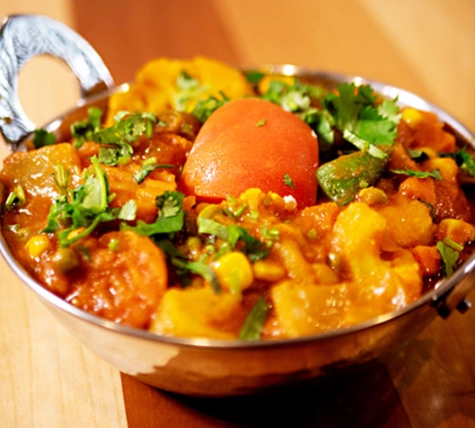
The Hall of Fame: Must-Try Indian Comfort Food Dishes
If you're new to this, where do you start? Let's move beyond the map and talk about specific dishes that have earned a permanent spot in the pantheon of Indian comfort food. These are the classics, the ones you'll find in nearly every region (with local twists).
Khichdi: The Undisputed Champion
If Indian comfort food had a president, it would be khichdi (or khichri, kitchari… the spellings vary). It's just rice and lentils cooked together with turmeric and cumin until mushy and glorious. Sounds basic? It is. That's the point.
It's the first solid food for babies, the go-to meal for the sick, the preferred dinner after a festival binge. It's digestible, nourishing, and endlessly customizable. Add vegetables, don't add vegetables. Make it soupy or dry. It's a blank canvas of comfort. The Ministry of Tourism of India's "Incredible India" campaign has even featured khichdi, highlighting its national significance.
Dal (The Many, Many Kinds)
Dal is not a single dish. It's a universe. It refers to split lentils, peas, or beans, and also to the stew made from them. A pot of dal simmering on the stove is the heartbeat of an Indian home.
- Toor Dal (Yellow Dal): The everyday workhorse, tempered with mustard seeds and curry leaves in the south, or with garlic and cumin in the north.
- Masoor Dal (Red Lentils): Cooks quickly, has a slightly sweet flavor. Perfect for a fast, comforting soup.
- Chana Dal (Split Chickpeas): Heartier, nuttier. Makes a thicker, more substantial dal.
- Urad Dal (Black Gram): The star of rich, creamy dal makhani, slow-cooked for hours.
Your choice of dal depends on your mood, the time you have, and what's in the pantry. That's the beauty.
Sabzi (Vegetable Dishes) & Roti
This is the classic weeknight dinner combo across millions of households. A simple vegetable stir-fry (sabzi) and fresh, warm flatbread (roti, chapati, or phulka). The sabzi can be anything – potatoes with cumin (aloo jeera), okra (bhindi), spinach (palak), or mixed vegetables. It's quick, healthy, and deeply satisfying. Tearing off a piece of roti, using it to scoop up some sabzi... there's a tactile, interactive comfort in that ritual you don't get with a fork and knife.
Can I Actually Make This at Home? (Spoiler: Yes.)
This is the big question, right? Indian cooking seems intimidating. All those spices! But comfort food is your gateway. It's where you start. You don't need 20 spices. You need a few good ones and a willingness to let things simmer.
Let's take the quintessential Yellow Dal (Toor Dal) as your first mission. It's forgiving.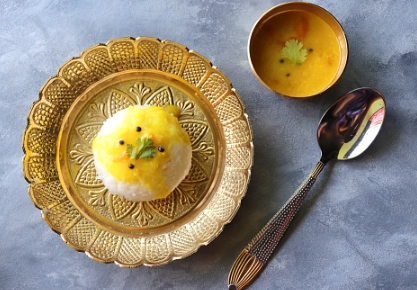
You'll need: 1 cup toor dal (split pigeon peas), rinsed; 3 cups water; 1 tsp turmeric; salt to taste. For the tempering (tadka): 2 tbsp ghee or oil, 1 tsp cumin seeds, 2 dried red chilies, a pinch of asafoetida (hing - optional but great for digestion), 4-5 garlic cloves (crushed).
Do this: Cook the dal with water, turmeric, and salt in a pot or pressure cooker until very soft (mushy is good!). Mash it a bit. In a small pan, heat the ghee. Add cumin, let it sizzle. Add red chilies, hing, and garlic. Fry until garlic is golden. Pour this sizzling tempering over the cooked dal. It will foam and smell amazing. Stir. Done. Serve with rice.
See? No complex steps. The magic is in the tempering – that final step of frying spices in fat and adding it to the dish. It transforms the flavor. This is a core technique for so much Indian comfort food.
My first attempt at making roti was a disaster. I added too much water, the dough was sticky, and the resulting bread resembled a continent more than a circle. It was still delicious dipped in dal. Don't let perfection be the enemy of tasty.
The Health Angle: Is Indian Comfort Food Actually Good for You?
Generally, yes, in its traditional home-cooked form. We're talking about lentils, vegetables, whole grains, yogurt, and a pharmacy of spices. It's often high in fiber, plant-based protein, and complex carbs. The use of ghee (clarified butter) is common, but in moderation – it's seen as a digestive aid and flavor carrier, not a primary cooking fat in large quantities.
However, the restaurant version is a different story. That's where cream, butter, and oil can go into overdrive, turning a light dal into a heavy, calorie-dense dish. The true health benefits of Indian comfort food shine in the home kitchen where you control the ingredients.
For a deeper dive into the science behind spices like turmeric and ginger, resources from reputable health portals like Harvard Health Publishing can offer valuable, evidence-based insights that align with traditional uses.
Your Burning Questions About Indian Comfort Food, Answered
I get asked these all the time. Let's clear the air.
Is all Indian comfort food vegetarian?
Not at all. While a huge portion of it is (due to cultural and religious practices in many communities), there are iconic non-vegetarian comfort dishes too. Think of Goan fish curry, Bengali macher jhol (fish stew), or Kerala's chicken stew. They provide the same soul-warming satisfaction, just with a different protein source.
What if I'm gluten-free?
You're in luck. A vast amount of Indian comfort food is naturally gluten-free. Rice is the staple grain in much of the country. Lentils, vegetables, chickpea flour (besan), and millets like ragi are all gluten-free staples. Just be mindful of breads like roti (usually made with wheat) and opt for rice or millet-based alternatives.
It's so carb-heavy with all the rice and bread. Is there a low-carb option?
This is a modern concern that traditional cuisine doesn't directly address. The comfort often comes from that carb base. However, you can focus on dishes where the lentil or vegetable is the star, and simply have a smaller portion of rice. A bowl of hearty chana masala or saag paneer can be very satisfying on its own. Or, explore dishes like lauki (bottle gourd) kofta or egg curry.
Where can I find the best Indian comfort food if I'm not cooking?
Avoid the glossy, high-end places for this specific quest. Look for simple, homely restaurants often labeled "Udupi" (South Indian vegetarian), "Punjabi Dhaba" (North Indian roadside-style), or "Gujarati Thali" places. The best sign? A menu that doesn't have 200 items, but a few daily specials. Or, make an Indian friend and hope for a dinner invitation (the ultimate source!).
Bringing It All Home
Indian comfort food is more than a category of dishes. It's a feeling. It's the culinary manifestation of "it's going to be okay." It's practical, adaptable, and deeply human. It acknowledges that sometimes you need a hug, and sometimes that hug comes in a bowl of steaming khichdi or a simple plate of dal-chawal.
It demystifies Indian cooking, showing you that behind the complex restaurant curries lies a world of accessible, nourishing, and profoundly satisfying food meant for everyday life. So, the next time you crave comfort, maybe skip the usual and try your hand at a simple dal. Your kitchen will smell incredible, and you might just find a new way to feel good.
What's your favorite comfort food, Indian or otherwise? The beauty is, this concept exists in every culture. It's just that the spices and ingredients change. In India, they just happen to have a particularly vibrant and soulful way of expressing it.
Discussion