Quick Guide
- Why Indian Cooking Gets a Bad Rap for Complexity (And Why It's Wrong)
- The Absolute Essentials: Your Simple Indian Cooking Toolkit
- Mastering the Basic Techniques: The Heart of Simple Indian Cooking
- Your First Three Recipes: No-Fail, Delicious, and Simple
- Building Your Pantry: A Practical Guide
- Answering Your Real Questions (The FAQ Section)
- Common Pitfalls and How to Avoid Them
- Final Thoughts: Start Tonight
Let's be honest. The idea of cooking Indian food at home can feel a bit intimidating. You see those restaurant menus with endless dishes, hear about complex spice blends with twenty ingredients, and imagine yourself slaving over a hot stove for hours. I used to think exactly that. My first attempt at a curry involved a sad, watery sauce and spices that just… didn't sing. It was bland and wrong. But here's the secret I wish someone had told me back then: simple Indian cooking is not only possible, it's incredibly rewarding. The real magic of Indian home cooking isn't about complexity; it's about understanding a few fundamentals and then having the freedom to play.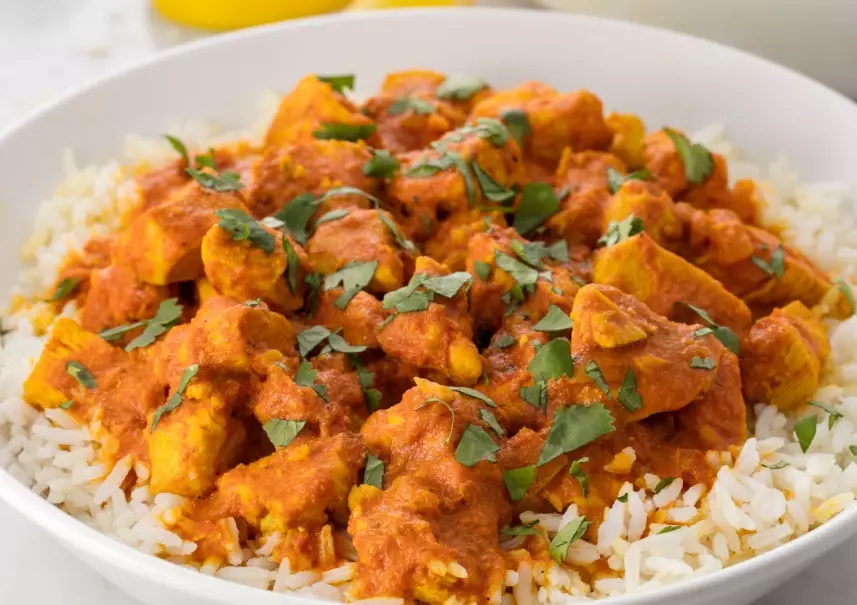
This whole journey into simple Indian cooking started for me out of sheer homesickness and a tight budget. Eating out was expensive, and ready-made sauces tasted, well, fake. I craved the real, comforting flavors without the fuss. So, I started digging, asking friends' moms for their "lazy day" recipes, and experimenting. What I found changed my kitchen forever. You don't need a diploma in spiceology. You just need a shift in perspective.
The goal of this guide isn't to turn you into a master chef overnight. It's to give you the confidence and the practical toolkit to get a delicious, satisfying Indian meal on your table on a regular Tuesday night. We're going to strip away the mystery and focus on the achievable. Think of it as your friendly, no-judgment roadmap.
Why Indian Cooking Gets a Bad Rap for Complexity (And Why It's Wrong)
Okay, let's address the elephant in the room. Why does Indian food have this reputation for being hard? A lot of it comes from restaurant-style cooking, which is designed to be rich, intense, and a special occasion treat. Those dishes often use more cream, butter, and a wider array of spices to create a specific depth. Home cooking, across India, is a different beast altogether. It's about nourishment, simplicity, and using what's available.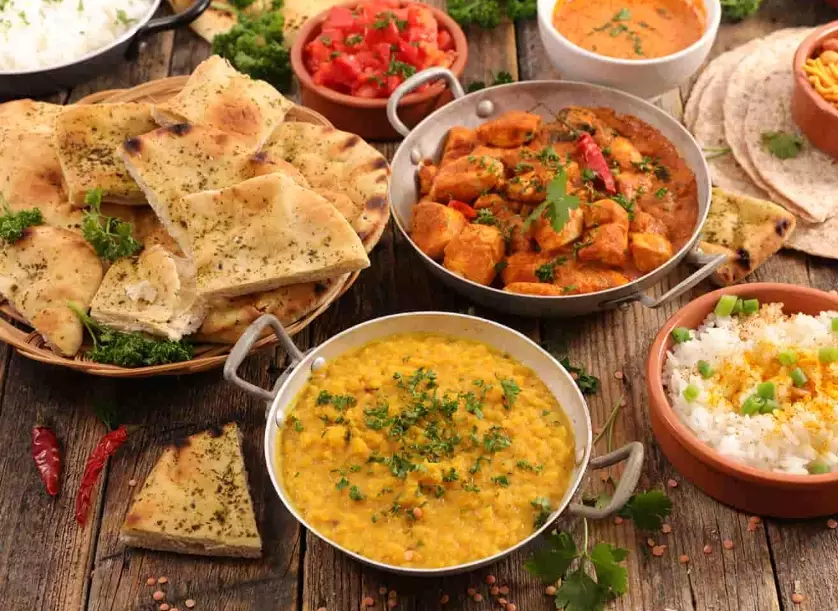
Another reason is the sheer diversity. India is huge, and every region has its own staples. Seeing all these different styles can make it seem like you have to learn a million things. You don't. Most weeknight meals across the country revolve around a simple formula: a dal (lentil stew), a sabzi (vegetable dish), rice or roti (flatbread), and maybe a raita (yogurt sauce). See? Manageable.
Key Mindset Shift: Stop trying to replicate the heavy restaurant curry. Aim for the lighter, brighter, everyday food cooked in Indian homes. That's where simple Indian cooking truly lives.
My own "aha" moment came when an Indian friend watched me meticulously measure a quarter teaspoon of six different spices. She laughed and said, "Just use the garam masala. It's already in there." I was overcomplicating it. The beauty of simple Indian cooking is that the foundational work is often done for you in the form of blended spices.
The Absolute Essentials: Your Simple Indian Cooking Toolkit
You don't need a kitchen full of special equipment. Really. If you have a few basics, you're golden. Let's talk gear and then the real stars: the spices.
Equipment You Probably Already Own
A heavy-bottomed pot or Dutch oven is your best friend. It distributes heat evenly and prevents burning, which is crucial when you're tempering spices. A good skillet or frying pan, a blender or food processor for making pastes (optional but helpful), and some basic utensils. That's about it. No tandoor required, I promise.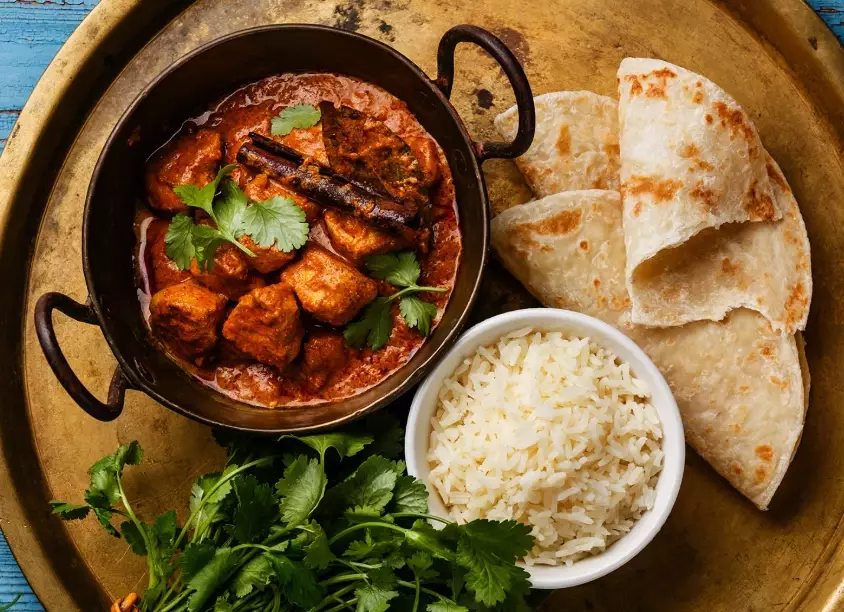
The Spice Rack Revolution: Start Small, Not Overwhelmed
This is the part that scares people the most. The spice list. You'll see blogs telling you you need 30 spices. Nope. For simple Indian cooking, you can build incredible flavor with a handful. Here’s how I categorize them.
When I started, I bought a giant spice box with 15 little containers. I used three of them regularly. The rest sat there, making me feel guilty. Don't be like past me. Buy the core ones, get comfortable, then expand if you feel like it.
The Non-Negotiable Core Four:
- Turmeric (Haldi): Earthy, slightly bitter, and gives that iconic golden color. It's a health powerhouse too.
- Cumin Seeds (Jeera): Nutty, warm, and often the first spice to hit the hot oil. That sizzle is the sound of flavor beginning.
- Coriander Powder (Dhania): Citrusy, floral, and the backbone of countless curries. It adds body without intense heat.
- Red Chili Powder (Lal Mirch): Provides heat. Start with a mild variety like Kashmiri chili powder—it gives great color without blowing your head off.
The Game-Changer Blends (Buy These Ready-Made):
- Garam Masala: The king of blends. It means "warm spice mix." It usually has cardamom, cinnamon, cloves, cumin, coriander, and more. You add it at the end of cooking for a fragrant finish. Do not try to make this from scratch yet. Buy a good brand from an Indian store.
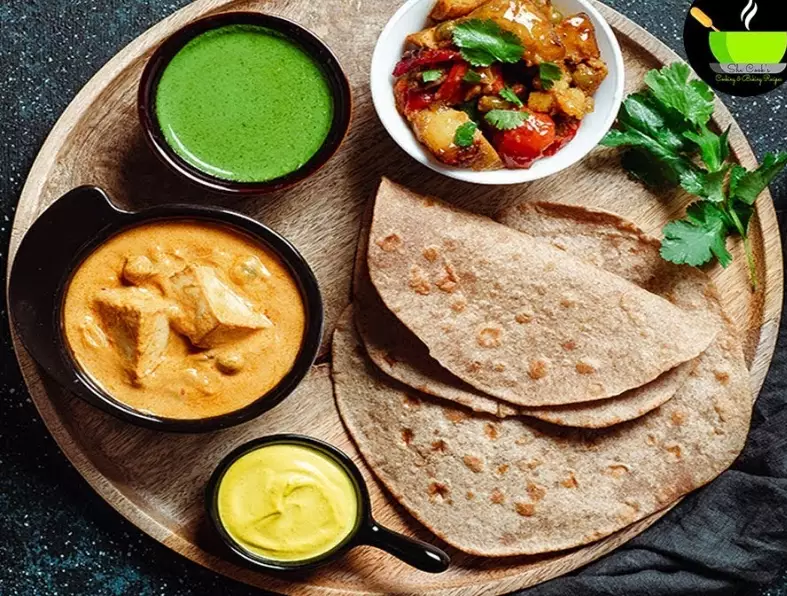
- Curry Powder: A bit of a controversial one in Indian circles, but hear me out. For simple Indian cooking, a good-quality curry powder is a fantastic shortcut for a quick, flavorful base. It's not "authentic" in a pure sense, but it's effective and delicious for a weeknight.
Spice Storage Tip: Buy whole spices (like cumin seeds) when you can and toast & grind them in small batches for maximum flavor. But for powders, buy in small quantities from a store with high turnover. Old, dusty spices are the number one reason home-cooked Indian food tastes bland. They lose their potency after about 6 months.
With just these six items (the core four and the two blends), you can make a stunning variety of dishes. Seriously.
Mastering the Basic Techniques: The Heart of Simple Indian Cooking
Indian cooking has a few core techniques. Understand these, and recipes become less of a mystery and more of a flexible guide.
Tempering (Tadka)
This is the foundational technique. It involves frying whole spices in hot oil or ghee to release their essential oils. This flavored oil then seasons the entire dish. The classic start is cumin seeds (and sometimes mustard seeds) sizzling in oil. You might add dried red chilies, curry leaves, or garlic. You do this either at the very beginning for a base flavor, or at the end, poured over a finished dal or yogurt, for an explosive finish. It takes 60 seconds but changes everything.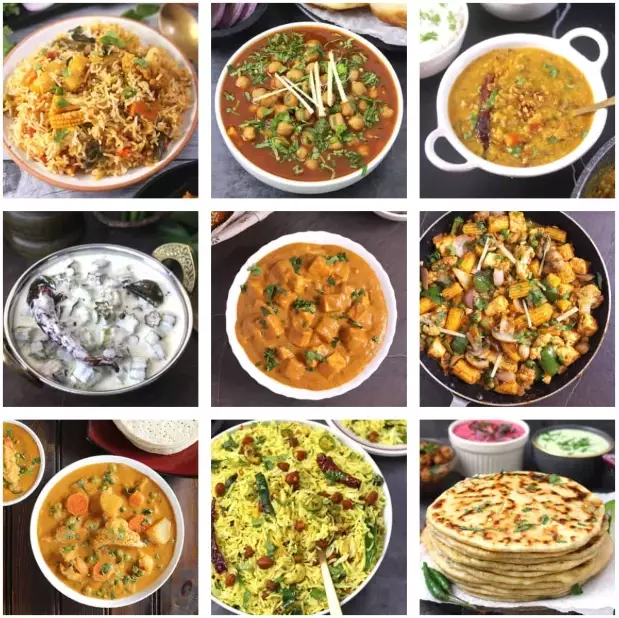
The Onion-Tomato-Ginger-Garlic Paste Base
This is the workhorse for countless curries and dals. You sauté onions until soft, add ginger-garlic paste (store-bought is fine!), then add tomatoes and cook it all down until the oil separates. This creates a thick, flavorful gravy base. To this base, you add your ground spices (turmeric, coriander, chili powder), cook them for a minute, and then add your main ingredient—chicken, chickpeas, potatoes. It’s a formula.
Dry Roasting Spices
For the best flavor, dry roast whole spices like cumin, coriander seeds, or dried red chilies in a pan for a minute until fragrant. Let them cool, then grind. The difference between pre-ground coriander and coriander you just roasted and ground is night and day. It’s an extra step, but for special dishes, it’s worth it.
Your First Three Recipes: No-Fail, Delicious, and Simple
Let's get practical. Here are three recipes that embody simple Indian cooking. They use the core spices, the basic techniques, and deliver huge flavor.
1. Weeknight Butter Chicken (The Simplified, Lighter Version)
Yes, you can make a version of this at home without marinating chicken for hours. The secret? Using yogurt and lemon juice for a quick 20-minute marinade and relying on tomato puree for a smooth sauce.
Process: Marinate chicken pieces in yogurt, lemon juice, ginger-garlic paste, salt, and a teaspoon of your garam masala. While that sits, make the sauce. Sauté onions, add ginger-garlic, add tomato puree, cook it down. Add coriander powder, turmeric, chili powder, and a pinch of sugar. Add cream (or coconut milk for a dairy-free twist) and the cooked chicken. Finish with a knob of butter and a sprinkle of garam masala. Serve with rice. It’s rich, satisfying, and doable on a weeknight.
2. Simple Tadka Dal (Tempered Lentil Stew)
This is the ultimate comfort food and the epitome of simple Indian cooking. You cook red lentils (masoor dal) with turmeric and salt until mushy. In a separate small pan, you heat ghee or oil, add cumin seeds, a dried red chili, a pinch of asafoetida (if you have it), and maybe some minced garlic. Let it sizzle for 30 seconds, then pour this entire sizzling, fragrant oil mixture over the cooked dal. It will crackle and pop. Stir. That's it. The bland lentils are transformed. Eat with rice or roti.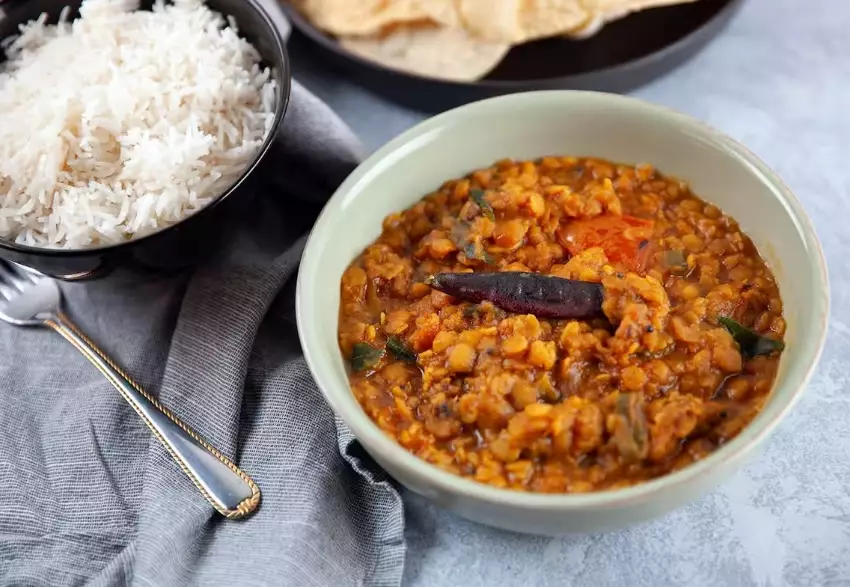
3. Aloo Gobi (Potato & Cauliflower Stir-fry)
A dry, spiced vegetable dish that’s incredibly versatile. Sauté cumin seeds in oil, add chopped onions, then ginger-garlic. Add cubed potatoes and cauliflower florets. Add turmeric, coriander powder, chili powder, and salt. Stir to coat. Add a splash of water, cover, and let it cook on medium-low until the veggies are tender. Uncover, crank up the heat to evaporate any remaining moisture, and finish with fresh cilantro. Simple, healthy, and packed with flavor.
Building Your Pantry: A Practical Guide
Beyond spices, having a few staple ingredients means you can always whip something up.
| Pantry Staple | Why It's Essential | Simple Use Case |
|---|---|---|
| Canned Tomatoes (Diced or Crushed) | Consistent, year-round base for curries. Saves chopping time. | Base for quick chickpea curry (Chana Masala). |
| Canned Chickpeas & Kidney Beans | Instant protein. No soaking or long cooking required. | Drain, rinse, add to your onion-tomato base for a 15-minute meal. |
| Red Lentils (Masoor Dal) | Cook in 20 minutes, no soaking needed. The perfect easy dal. | The Tadka Dal recipe above. |
| Basmati Rice | The fragrant, long-grain rice that's perfect with Indian food. | Rinse, cook with a few whole spices (cardamom, clove) for extra aroma. |
| Ginger-Garlic Paste (Jar) | A massive time-saver. Flavor is still great. | Use a teaspoon whenever a recipe calls for minced ginger and garlic. |
| Frozen Peas & Spinach | Easy way to add veggies and color to any dish. | Throw a handful of peas into your Aloo Gobi or spinach into a dal at the end. |
Answering Your Real Questions (The FAQ Section)
Is simple Indian cooking actually healthy?
It can be incredibly healthy! Traditional home cooking uses lots of lentils, vegetables, and legumes. The fat is often from plant-based oils, ghee (in moderation), or yogurt. The problem comes from restaurant-style dishes loaded with cream, butter, and excess oil. When you cook simply at home, you control all of that. Dals and vegetable dishes are nutrient-dense powerhouses.
Can I meal-prep Indian food?
Absolutely, and it's a fantastic idea. Dals and curries often taste better the next day as the flavors meld. Cook a big pot of dal, a sabzi like Aloo Gobi, and some rice. Portion it out for lunches. The simple Indian cooking approach is perfect for batch cooking. You can also freeze many curries and dals successfully.
My food never tastes like the restaurant. What am I doing wrong?
You're probably doing nothing wrong! You're just not using the same amount of fat, cream, and specialized equipment (like a tandoor). This is a good thing. Your food is likely lighter and healthier. If you miss that smoky flavor, look up a technique called "dhungar" where you place a hot piece of charcoal in a small bowl on your food, drizzle ghee on it, and cover the pot for a few minutes. It adds a smokiness. But honestly, embrace the home-style flavor. It's its own wonderful thing.
How do I balance the spices so it's not just "hot"?
Heat (chili) is just one component. Make sure you're using enough of the other flavor-builders: the earthiness of turmeric, the brightness of coriander powder, the fragrance of garam masala. Acid is also crucial—a squeeze of lemon juice at the end of a dish can lift and balance all the spices beautifully. Don't forget salt. Undersalted food will make the spices taste flat and one-dimensional.
Where can I learn more about the authenticity and depth of Indian cuisine?
For a deeper dive into the cultural and historical context of India's diverse food traditions, which can enrich your understanding even of simple dishes, reputable sources are invaluable. The Incredible India tourism website, run by the Government of India's Ministry of Tourism, offers insights into regional cuisines as part of the cultural experience. For reliable, tested recipes that move beyond the basics, websites like Serious Eats often provide excellent, scientifically-informed breakdowns of techniques like making the perfect biryani or samosa, which can be a fun next step once you've mastered the fundamentals of simple Indian cooking.
The goal isn't perfection. It's a tasty, satisfying meal you made yourself. Every time you cook, you'll learn something new.
Common Pitfalls and How to Avoid Them
I've made these mistakes so you don't have to.
- Adding ground spices to cold oil: They'll just burn and taste bitter. Make sure your oil is hot (but not smoking) before adding cumin seeds, and have your next ingredients (like onions) ready to go in right after the spices sizzle.
- Not cooking the onion-tomato base enough: If you add your main ingredients before the base has cooked down and the oil starts to separate from the sides, your curry will taste raw and acidic. Cook it on medium heat until it becomes a thick paste and the oil glistens on top.
- Using stale spices: I know I mentioned it, but it's the #1 flavor killer. Sniff your coriander powder. If it doesn't smell like much, it won't taste like much.
- Being afraid to adjust: Taste as you go! Need more salt? Add it. Too spicy? Add a spoon of yogurt or cream. Too thick? Add a splash of water. You are in charge.
Final Thoughts: Start Tonight
The biggest barrier to simple Indian cooking is often just starting. Pick one recipe from the three above. Make sure you have the spices. Don't worry if it's not perfect. My first tadka dal was under-salted and I burned the garlic a little. It was still miles better than anything from a can.
Indian food, at its heart, is home food. It's forgiving, adaptable, and meant to be shared. It doesn't require fancy techniques or obscure ingredients to be delicious. By focusing on the fundamentals—a handful of fresh spices, understanding tempering, and mastering a simple base gravy—you unlock a world of flavor that can become a regular, joyful part of your cooking routine.
So, what are you waiting for? Heat some oil, toss in those cumin seeds, and listen to them sizzle. That's the sound of your first step into a much more flavorful kitchen.
Discussion