My first encounter with a proper Gujarati breakfast was a bit of a shock to the system. I was in Ahmedabad, dragged out of bed at 7 AM by a friend who insisted the experience would be worth it. We sat at a cramped, noisy stall, and a plate landed in front of me: crisp, yellow strands of fafda next to a pile of syrup-soaked, orange jalebi. "Start with the savory, then the sweet," he instructed. I took a bite of the fafda, crunchy and peppery, followed by a piece of the jalebi, which was hot, sticky, and intensely sweet. The combination shouldn't have worked, but it did—perfectly. That's the magic of a traditional Gujarati breakfast. It's not just a meal; it's a deliberate, flavorful balancing act that defines the start of the day for millions.
Your Quick Guide to This Article
What Exactly is a Traditional Gujarati Breakfast?
Forget cereal or toast. A traditional Gujarati breakfast is a vibrant, often vegetarian affair built on contrasts. The most famous pairing is the aforementioned fafda-jalebi, but that's just the celebrity duo. The foundation is usually a thali—a round platter holding small bowls of different dishes. The guiding principle here is sharad ane mithas, meaning "spicy and sweet." Every element is designed to create a harmonious flavor profile.
One common misconception is that it's overwhelmingly sweet. Outsiders often hear "Gujarati food" and think "sugar in everything." That's a lazy generalization. The sweetness in dishes like undhiyu or dal is subtle, usually from jaggery, and serves to balance heat and acidity, not dominate. The breakfast thali is a masterclass in this balance.
Local Insight: The timing matters. The most iconic breakfast items, especially fafda-jalebi, are truly a morning ritual. By late morning, the best batches at famous stalls are often sold out. It's a fresh, hot, and social meal, not something you typically have lounging at home at noon.
The Core Components of a Gujarati Thali
Let's break down what you might find on a classic Gujarati breakfast plate. It's less about one single dish and more about a collection of flavors and textures.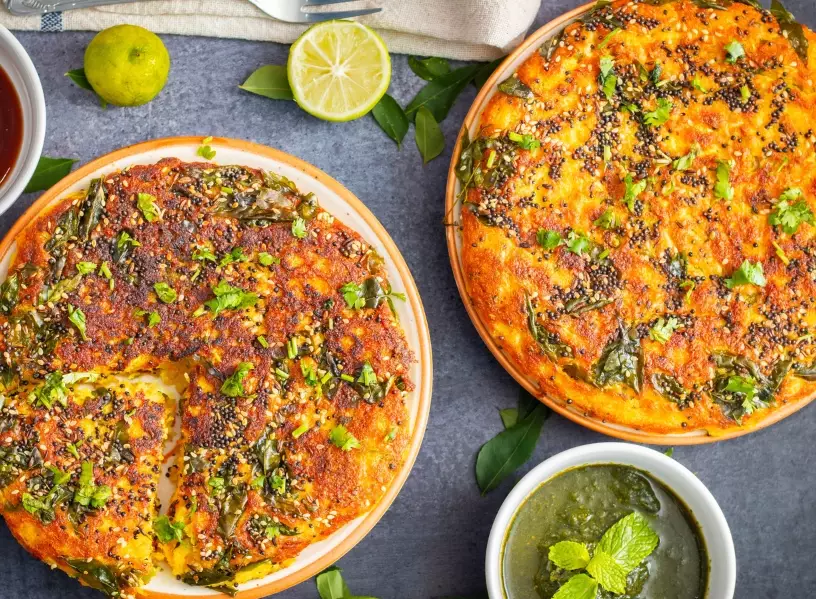
The Star Attractions (The Headliners)
These are the dishes that often define the meal.
| Dish | What It Is | Key Flavor Profile | Common Pairing |
|---|---|---|---|
| Fafda | Crispy, fried strips made from besan (gram flour) and carom seeds. | Savory, crunchy, lightly spiced with pepper. | Almost always with Jalebi and Papaya sambharo. |
| Jalebi | Deep-fried maida batter coiled into shapes, soaked in saffron syrup. | Intensely sweet, sticky, and served warm. | The classic partner to Fafda. |
| Thepla | Soft, flatbreads made from whole wheat flour, fenugreek leaves, and spices. | Savory, slightly bitter from methi, hearty. | With pickles, yogurt, or baingan bharta. |
| Dhokla | Steamed, spongy cakes made from fermented rice and chickpea batter. | Tangy, fluffy, mildly sweet-savory. | With green chutney and fried green chilies. |
The Supporting Cast (The Essential Sides)
This is where the magic of balance happens. You'll rarely eat the main dish alone.
Papaya Sambharo: This is non-negotiable with fafda. It's a quick stir-fry of raw papaya with mustard seeds and turmeric. It's crunchy, slightly tart, and cuts through the grease and sweetness perfectly. A good sambharo should have a bite, not be mushy.
Chutneys: A green coriander-mint chutney and a sweet tamarind chutney are staples. The green one brings freshness and heat, the tamarind adds a tangy-sweet punch.
Pickle (Athanu): A spicy mango or lime pickle adds a sharp, pungent kick. A little goes a long way.
Buttermilk (Chaas) or Tea: To wash it all down. Spiced buttermilk is a digestive lifesaver, while milky, sweet ginger tea is a beloved companion.
Many food blogs just list these items. But the real secret is in the order of eating. You mix and match bites. A piece of thepla with a dab of pickle. A chunk of dhokla dipped in both chutneys. It's an interactive, personalized meal.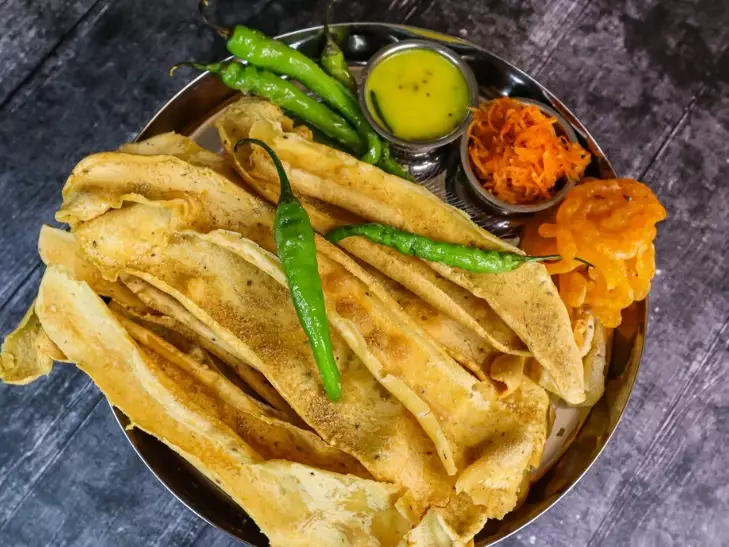
Where to Find an Authentic Gujarati Breakfast
You can try making it at home, but the atmosphere is half the experience. For the real deal, Ahmedabad is the undisputed capital. Here are two iconic spots that offer completely different vibes.
1. Gordhan Thal - The Thali Experience
Address: Multiple outlets, but the original is near Lal Darwaja, Ahmedabad.
What's Special: This is for the full, unlimited thali experience. You don't order dishes; servers keep coming with over a dozen different items until you surrender. It's bustling, chaotic, and delicious.
Must-Try: Their variety of farsans (snacks), different dals, and seasonal vegetable dishes. Their kadhi (a yogurt-based curry) is a standout.
Price: Around ₹300-400 per person for the breakfast thali.
Go Early: They open around 8 AM, and there's often a queue. It's a proper sit-down restaurant experience.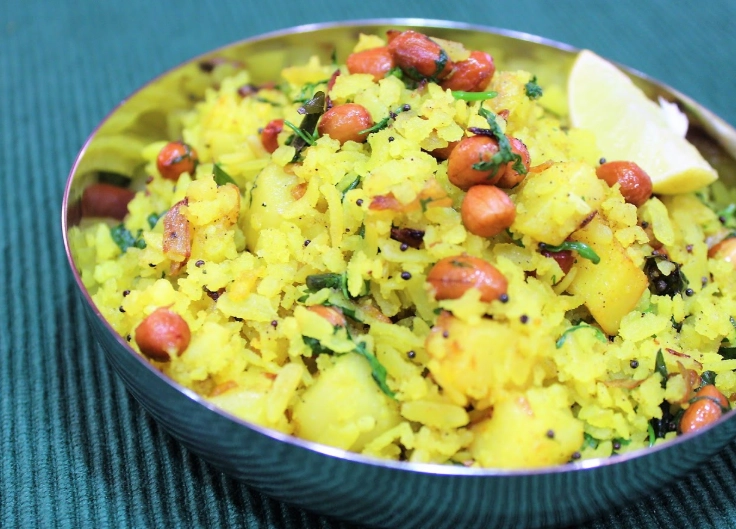
2. Shri Ambika Fafda Jalebi - The Iconic Street Food Stall
Address: Opposite Gandhi Road Post Office, Relief Road, Ahmedabad.
What's Special: This is the pilgrimage site for fafda-jalebi purists. It's a no-frills, takeaway stall that has been running for decades. The fafda is impossibly crisp, and the jalebis are fried fresh in giant kadais right in front of you.
Must-Try: The fafda-jalebi combo, obviously. Ask for extra papaya sambharo.
Price: Very affordable, around ₹100-150 for a hearty portion.
Pro Tip: Don't go looking for seating. You stand, eat quickly, and make room for the next person. The jalebi is best eaten within minutes. If you take it home, it loses its magical texture.
Outside Gujarat, look for "Gujarati snack" shops in cities with large Indian diasporas like Mumbai, Delhi, or even New Jersey and London. The quality varies wildly. The best indicator? If they make their fafda or dhokla fresh in the morning and sell out by afternoon.
According to the Gujarat Tourism board's culinary guides, these breakfast traditions are deeply tied to the region's mercantile history—quick, energizing food for traders starting their day. Publications like India Food Network often feature these dishes, highlighting their cultural significance beyond just taste.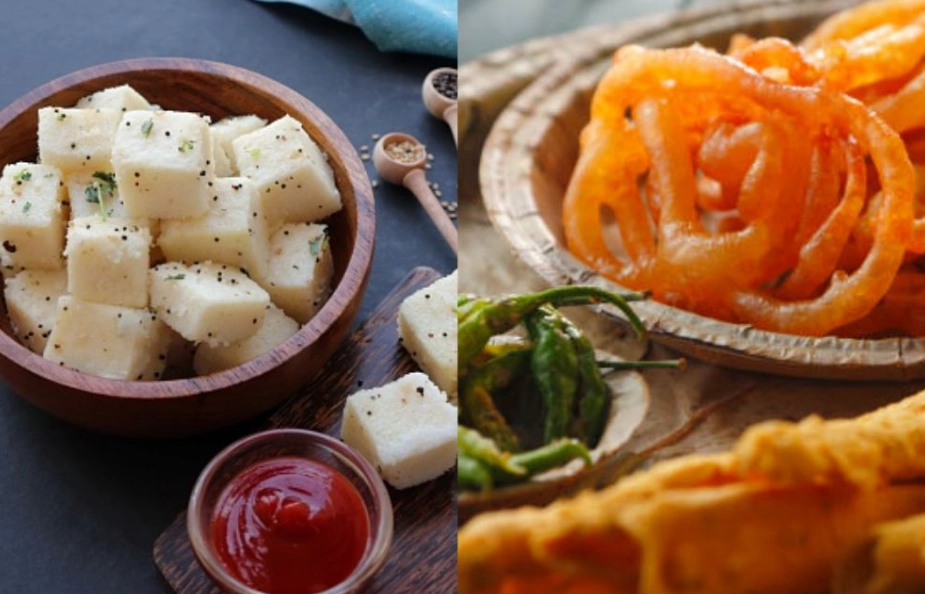
FAQs About Gujarati Breakfast
Is a traditional Gujarati breakfast always vegetarian?
Overwhelmingly, yes. Gujarat has a strong vegetarian tradition rooted in Jain and Hindu practices. You will almost never find meat, eggs, or even onion and garlic in a traditional home or restaurant thali. The protein comes from lentils, chickpea flour, dairy, and nuts. It's a major reason why this cuisine is a treasure trove for vegetarians.
Can I make a Gujarati breakfast if I'm not a skilled cook?
Start with thepla. It's forgiving. Mix whole wheat flour, chopped fenugreek leaves (dried works), turmeric, chili powder, salt, a spoon of oil, and yogurt into a dough. Roll it out like a chapati and cook on a griddle. Even if it's not perfect, it'll be tasty. For dhokla or fafda, I'd recommend using pre-mixed packs (like Gits) for your first attempt. The fermentation for dhokla and the consistency for fafda batter are tricky to master. The instant mixes get you 80% of the way there.
Why is the fafda-jalebi combination so popular? Isn't it weird to eat sweet and savory together?
It only seems weird if you're not used to it. Think of salted caramel or prosciutto with melon. The crunch and peppery notes of the fafda cleanse your palate from the intense sweetness of the jalebi, and vice-versa. The papaya sambharo adds a third, tart element that ties it together. It's not random; it's a designed taste experience. Your first bite might surprise you, but by the third, you'll get it.
What's a common mistake people make when trying Gujarati food for the first time?
Drowning everything in sweet tamarind chutney. Yes, it's delicious, but it overpowers the delicate balance of each dish. Try the dish first with just a tiny dab. The green chutney is often the better companion to cut through richness. Also, eating a jalebi cold is a crime—always have it warm.
Is it a heavy breakfast? It seems like a lot of fried food.
It can be, which is why it's often a weekend or special occasion meal for many families nowadays. The traditional logic was that manual laborers and traders needed the calories. But not all of it is fried. Dhokla is steamed, thepla is dry-roasted, and many vegetable dishes are sautéed. You can build a lighter plate by focusing on steamed items, buttermilk, and skipping the second helping of jalebi (good luck with that).
Discussion