Quick Navigation
I remember my first attempt at lentil curry. It was a sad, soupy, bland affair. The lentils were somehow both mushy and undercooked in the same pot – an achievement in failure, really. The spices just sat on top like a dusty film. I ate it, of course (waste not, want not), but it was a culinary lesson learned the hard way. Since then, I've made more lentil curries than I can count, and I've seen – and made – every mistake in the book. The good news? Every single one of these common mistakes making lentil curry is completely avoidable.
This isn't about a perfect, fussy recipe. It's about understanding the why behind the steps. Once you get that, you can make a fantastic, creamy, flavorful lentil curry with your eyes half-closed. Let's dive into the pitfalls, one by one.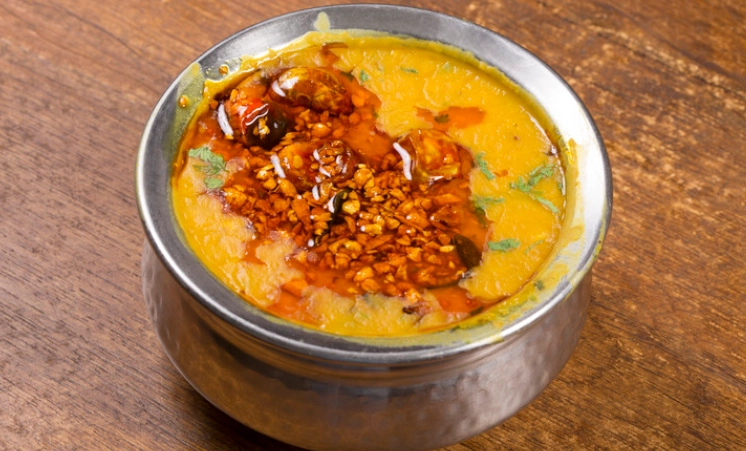
The Foundation: Mistakes Before the Pot Even Gets Hot
You can mess up your curry before you turn on the stove. Getting the basics wrong here sets you up for a struggle later. What are the common mistakes making lentil curry in the preparation stage?
Picking the Wrong Lentil for the Job
Not all lentils are created equal. Using the wrong type is a top-tier error. You wouldn't use filo pastry for a pie crust, right? Same idea.
| Lentil Type | Texture When Cooked | Best For | Watch Out For |
|---|---|---|---|
| Red Lentils (Masoor Dal) | Breaks down completely, creamy | Quick, smooth curries, soups, dhal | Can turn to mush very fast; no defined shape |
| Brown/Green Lentils | Holds its shape, firm | Salads, stews where you want texture | Longer cook time; can stay too firm if undercooked |
| Puy Lentils (French Green) | Holds shape very well, peppery | Salads, side dishes | Expensive; not ideal for a traditional creamy curry |
| Black Lentils (Beluga) | Holds shape, rich flavor | Salads, hearty dishes | Long cook time; doesn't create a saucy base |
For a classic, comforting curry where the lentils thicken the sauce, red lentils are your best friend. Want a meatier, stew-like curry? Go for brown or green. Choosing the wrong one leads to disappointment in texture. I once tried to make a quick red lentil dhal with Puy lentils. Two hours later, I was still chewing.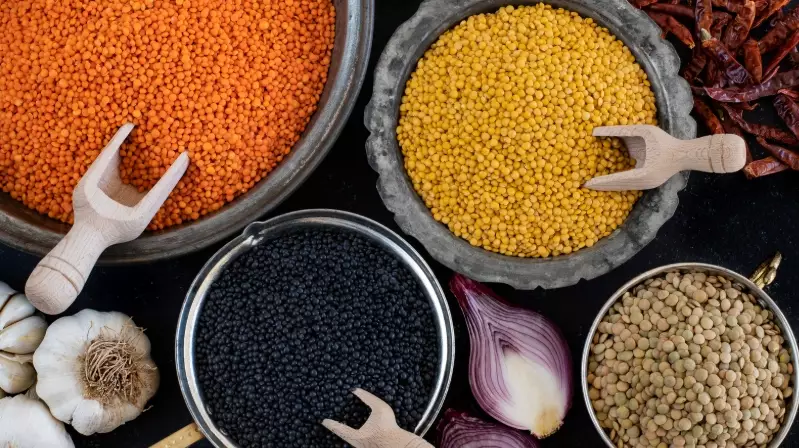
Skipping the Rinse (and the Sort)
This seems trivial, but it's not. Lentils, especially bulk-bought ones, can have tiny pebbles or debris. A broken tooth is the worst possible curry topping. More importantly, rinsing washes away surface dust and starch. If you don't rinse, that extra starch can make the cooking water foamy and murky, and some people find it contributes to, ahem, digestive discomfort. The USDA recommends rinsing all legumes before cooking to ensure cleanliness. Just put them in a bowl, cover with water, swish, and drain. Look for any alien objects. It takes 60 seconds.
The Great Soaking Debate
Here's a controversial one. Most recipes say you don't need to soak lentils. Technically, that's true. They'll cook. But should you? For red lentils, no. For whole lentils like brown or green, a 30-60 minute soak can work wonders. It reduces cooking time by about a quarter, and more importantly, it makes them easier to digest by leaching out some of the complex sugars that cause gas. It also leads to more even cooking. It's not mandatory, but it's a pro move that fixes a lot of potential texture issues before they start.
The Cooking Process: Where the Rubber Meets the Road (and Often Burns)
This is where most common mistakes making lentil curry happen. The process seems straightforward: boil lentils. How hard can it be? Let me count the ways.
Water Proportions: The Flood or the Desert
Too much water, and you're fishing for lentils in a watery soup. Too little, and you get a scorched bottom and undercooked, crunchy lentils. There's a Goldilocks zone. For red lentils that you want to break down, start with a 3:1 or 4:1 ratio of water to lentils (by volume). For whole lentils you want to keep intact, a 2:1 ratio is better. The key word is start. You can always add more hot water if it gets too thick. You can't easily take it away. I keep a kettle of hot water next to the stove for this exact reason.
The Salt Timing Myth (and Truth)
Old wives' tale alert: "Salting lentils early makes them tough." I tested this side-by-side for a week. With modern, commercially processed lentils, salting at the beginning makes a negligible difference to cooking time or texture. In fact, salting your cooking water means the lentils are seasoned from the inside out. The real issue? If you're using hard water, salt can slow cooking slightly. But for most of us, salting early leads to a better-flavored final dish. The bigger mistake is forgetting to season in layers and only adding salt at the end.
Boiling vs. Simmering: The Rage vs. The Gentle Bubble
Bringing your pot to a rolling boil and leaving it there is a surefire path to disaster. The outside of the lentils will disintegrate into mush while the inside remains hard. It also causes excessive foam and evaporation. Once you've brought it to a boil, immediately reduce the heat to the gentlest possible simmer. A few lazy bubbles breaking the surface is perfect. This allows for even, gradual cooking. Patience is a virtue here.
Undercooking & Overcooking: The Twin Terrors
Undercooked lentils are gritty and unpleasant. Overcooked lentils are a flavorless, muddy paste. How do you hit the sweet spot? Taste, taste, taste. Start checking red lentils at 15 minutes. They should be completely soft and falling apart easily when pressed. Brown lentils take 25-40 minutes; they should be tender but still have a slight bite, not be chalky in the center. The only reliable timer is your mouth. Trust it more than the clock.
What are common mistakes making lentil curry related to doneness? Assuming all lentils cook at the same rate. Age matters. Older lentils from the back of your pantry can take significantly longer. Always cook based on texture, not time.
The Flavor Layer: Where Good Curry Becomes Great (or Not)
Perfectly cooked lentils are just a canvas. The flavor comes from what you do with them. This is the second major battleground for common mistakes making lentil curry.
Sad, Raw Spices
Throwing ground spices directly into the watery lentil pot is a flavor crime. They'll just clump and taste dusty. Spices need heat and fat to bloom and release their essential oils. This is non-negotiable. Start your curry by sautéing aromatics (onion, garlic, ginger) in oil or ghee. Once they're soft, add your ground spices (cumin, coriander, turmeric) and cook for 30-60 seconds, stirring constantly, until fragrant. You'll smell the difference. This step, called "tadka" or "chaunk," is the soul of Indian cooking. Skipping it leaves your curry tasting flat and one-dimensional.
Tomato Trouble
Adding acidic ingredients like tomatoes or lemon juice too early can prevent lentils from softening properly. The acid toughens the outer skin. The best practice is to cook your lentils until they are almost done, then stir in tomatoes, yogurt, or lemon juice. This way, you get the bright acidity without compromising the texture. I learned this after a batch of permanently-al-dente lentils taught me a lesson in food science.
Forgetting the Umami Depth
A pot of lentils and spices can sometimes taste like it's missing something. That something is often umami—the savory, mouthwatering depth. How do you fix it? A few ideas: a tablespoon of tomato paste fried with the spices, a splash of soy sauce or coconut aminos (sounds weird, works wonders), a piece of kombu seaweed while simmering (removed later), or a dash of MSG (it's not the villain it's made out to be). My personal secret weapon? A teaspoon of dark miso paste stirred in at the very end. It adds a crazy depth of flavor that people can never quite place.
The Vegetable Conundrum
Throwing hard vegetables like carrots or potatoes in at the same time as lentils often means either mushy lentils or crunchy veggies. Consider cooking times. Dice hard veggies small and give them a 5-10 minute head start in the sauté stage before adding lentils and water. Delicate greens like spinach should be stirred in right at the end, just to wilt.
Final Touches & Serving: Don't Trip at the Finish Line
You've navigated the mines. The curry is cooked, flavorful, and fragrant. Now, don't ruin it.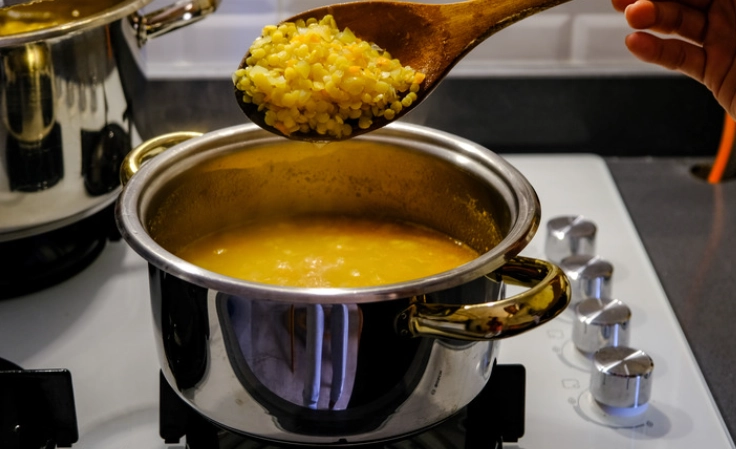
The "Rest" is Not Optional
Turning off the heat and serving immediately is a mistake. Lentil curry, like most stews and braises, benefits massively from a rest. Let it sit off the heat, covered, for 10-15 minutes. The residual heat continues to gently cook the lentils, the flavors meld and deepen, and the texture settles. It becomes more cohesive. It's the difference between a good curry and a great one.
Forgetting the Finish
A final drizzle of flavor right before serving wakes everything up. This is another "tadka." Heat a tablespoon of ghee or oil in a small pan. Add a pinch of cumin seeds, mustard seeds, dried chilies, or curry leaves. Let them sizzle for 30 seconds, then pour this sizzling oil over the finished curry. The aroma is incredible. A squeeze of fresh lemon juice or a handful of chopped cilantro also adds a necessary fresh note against the deep, earthy flavors.
Storage & Reheating Blunders
Lentil curry thickens dramatically as it cools and sits in the fridge. Reheating it on high heat without adding a splash of water will result in a sticky, scorched mess. Always add a little water or broth when reheating to bring it back to the right consistency. It also freezes beautifully for up to 3 months.
So, what are the common mistakes making lentil curry? They're a series of small missteps in selection, preparation, cooking technique, and flavor building. But each one has a simple, logical fix. Armed with this knowledge, you're not just following a recipe; you're understanding the process. That's the key to turning out perfect lentil curry every single time, a skill that's far more valuable than any single recipe. Now go forth, and cook with confidence. And maybe double the garlic. I always do.
Discussion