Quick Navigation
Let's be honest. We've all been there. You order chicken curry from your favorite Indian place, it arrives steaming and fragrant, and you think – I wish I could make this at home. But then you look up a recipe and see a list of twenty spices you've never heard of. It feels impossible.
I thought so too, for the longest time. My first attempt was a watery, bland disaster. I used a generic "curry powder" from the supermarket back aisle. It tasted nothing like the real thing. It was depressing.
But here's the secret I learned after burning a few onions and under-toasting one too many spices: authentic Indian chicken curry isn't about complexity for its own sake. It's about understanding a few core principles. Once you get those, you're not just following a recipe; you're cooking.
This guide is that friend who shows you the ropes. We're going to break down a classic, foolproof Indian chicken curry recipe. Not a fancy restaurant version with a hundred steps, but the kind of hearty, flavorful curry that might actually be simmering in an Indian home kitchen right now. The goal isn't just to give you a list of instructions. It's to make you confident enough to tweak it, make it yours, and maybe even impress yourself.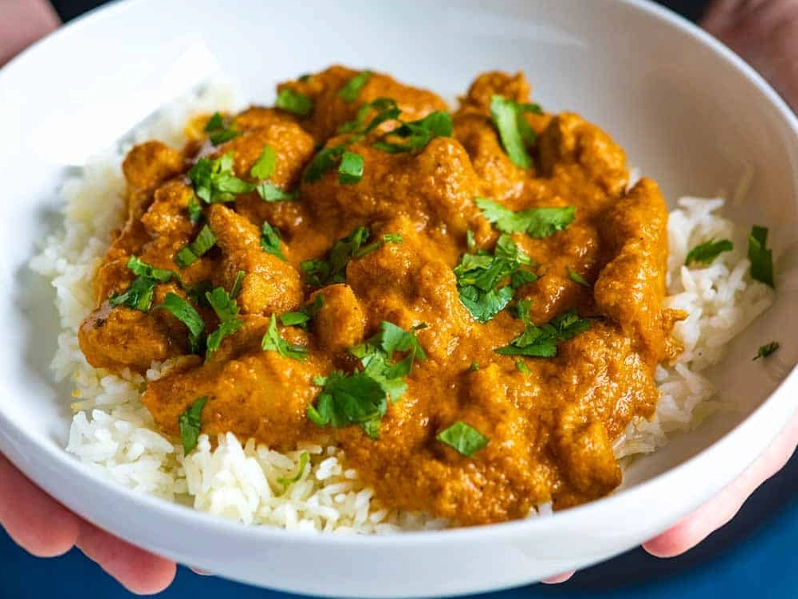
What Makes a Curry, a *Curry*?
First, a tiny bit of context so you know what you're aiming for. "Curry" in the West is a catch-all term. In India, it's more about the technique – a spiced gravy or sauce that coats the main ingredient. The soul of a good Indian chicken curry lies in its layers of flavor, built one step at a time. It's not just throwing everything into a pot.
The foundation is almost always onions, ginger, garlic, and tomatoes, cooked down until they meld into a rich base. Then come the spices, toasted and bloomed in oil to wake up their essential oils. Finally, the chicken simmers gently in this aromatic bath, absorbing all that goodness.
Think of it like building a house. You need a solid foundation, strong walls, and then you can decorate. Skip the foundation, and it all falls apart.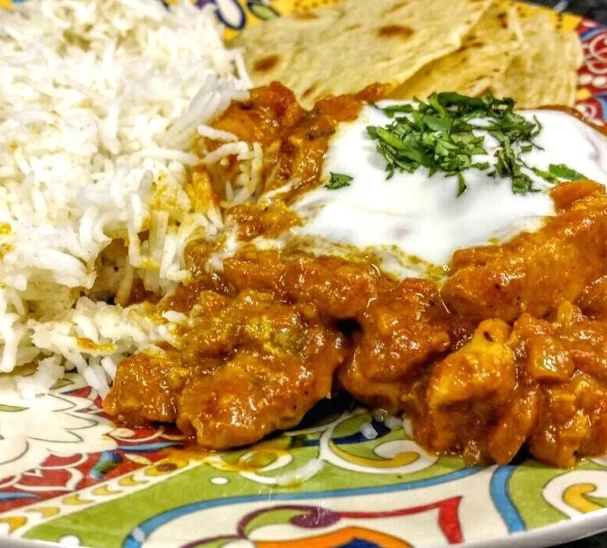
Gathering Your Arsenal: The Ingredients
Don't panic at the list. Most of this is probably in your pantry already, and the rest is a one-time investment that will last you for many, many curries. Buying whole spices and grinding them fresh is ideal, but I'm a realist. We'll talk about good-quality pre-ground options too.
The Chicken
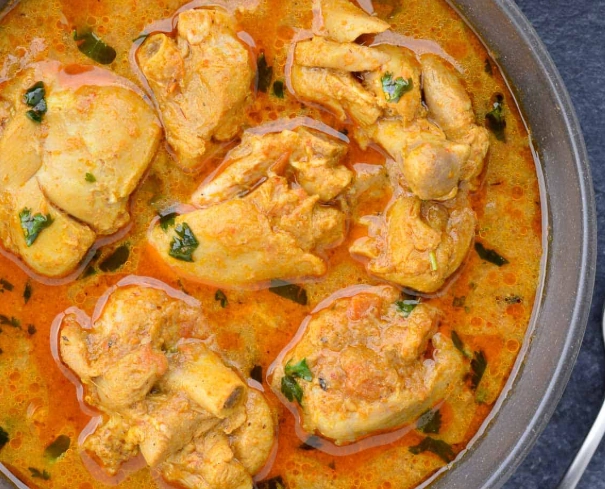
Bone-in, skin-on chicken thighs. Trust me on this.
I know boneless, skinless breasts are tempting because they seem easier. But for a curry that simmers for a while, thighs are king. The bones add immense flavor to the gravy, and the higher fat content keeps the meat juicy and tender, preventing it from drying out into chewy little cubes. If you must use breasts, cut them into larger chunks and add them later in the cooking process.
About 2 pounds (roughly 1 kg) is perfect for this recipe. Pat them dry with a paper towel – this is crucial for getting a good sear.
The Holy Trinity (Plus One): Aromatics
These are non-negotiable. They form the flavor base, the *masala*.
- Onions: 2 large, finely chopped. Yellow or white are fine. The key is to chop them evenly so they cook at the same rate.
- Garlic: 6-8 cloves, minced or crushed. Fresh is best. The pre-minced stuff in jars lacks punch.
- Ginger: A 2-inch piece, peeled and grated or minced. Ginger and garlic are often used together in Indian cooking, a combo called "ada-lehsun."
- Tomatoes: 3 medium, pureed, or 1 cup of canned crushed tomatoes. Fresh ripe tomatoes are fantastic, but good canned tomatoes provide consistent acidity and texture year-round.
The Spice Cabinet: Whole & Ground
This is where the magic happens. Let's separate them into whole spices (tempering) and ground spices (for the main flavor).
| Spice | Form | Role in the Curry | Substitution Note |
|---|---|---|---|
| Cumin Seeds | Whole | Earthy, nutty base note. The first scent when the oil is hot. | If you only have ground, add it with the other ground spices. |
| Black Mustard Seeds | Whole | Pops and crackles, adding a pungent, slightly bitter complexity. | Yellow mustard seeds are milder but okay in a pinch. |
| Coriander Powder | Ground | The workhorse. Provides a warm, citrusy, floral backbone. You'll use a lot. | No direct sub. It's essential. |
| Turmeric Powder | Ground | Golden color and a warm, earthy bitterness. Anti-inflammatory too! | None. Use just a little; it can be bitter if overdone. |
| Kashmiri Red Chili Powder | Ground | Provides vibrant red color and mild heat. Not as fiery as regular chili powder. | Mix 3/4 paprika + 1/4 cayenne for similar color/heat. |
| Garam Masala | Ground Blend | The "warming spice" blend added at the end. Aromatic, sweet (cinnamon, cardamom, cloves). | Store-bought is fine. Brands like Everest or MDH are reliable. |
You'll also need oil (a neutral one like vegetable or avocado), plain yogurt (for marinade and creaminess), salt, and water. Some fresh cilantro to finish is lovely.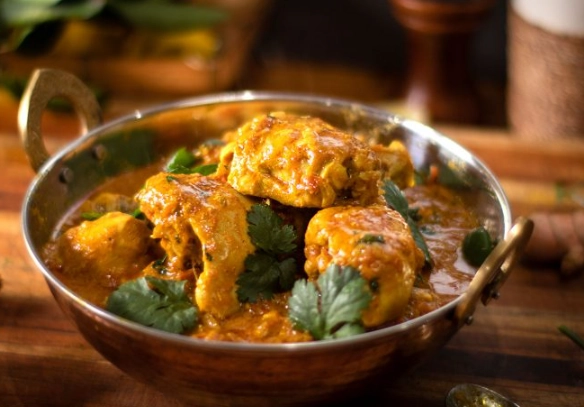
The Step-by-Step: Building Flavor, Layer by Layer
Ready? Tie your apron. This isn't a rush job. Plan for about 90 minutes, mostly hands-off simmering time.
Step 1: The Marinade (The Flavor Infusion)
In a large bowl, mix your chicken thighs with 1/2 cup of plain yogurt, 1 tablespoon each of ginger-garlic paste (or minced), 1 teaspoon turmeric, 1 teaspoon Kashmiri redchili powder, and 1 teaspoon salt. Get your hands in there, coat every piece well. Let it sit for at least 30 minutes, or ideally up to a few hours in the fridge. The yogurt tenderizes the chicken while the spices start their work.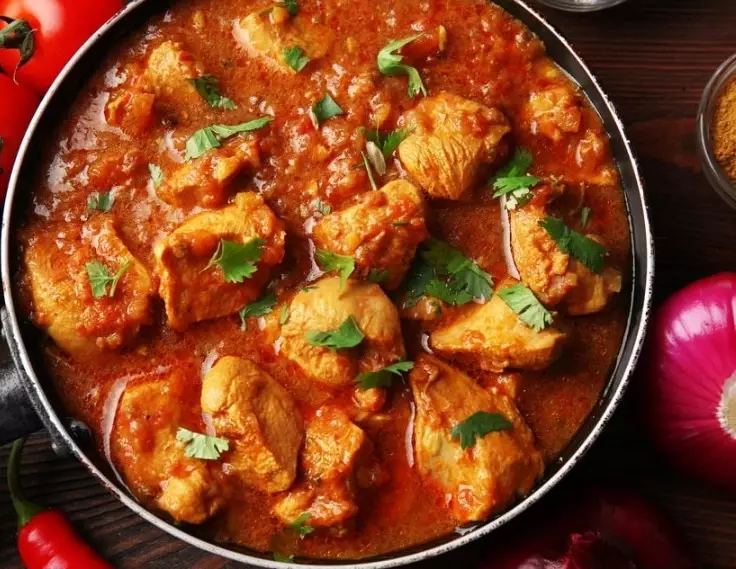
Step 2: The Tempering (*Tadka*)
Heat 3 tablespoons of oil in a heavy-bottomed pot or Dutch oven over medium heat. When the oil is shimmering, add 1 teaspoon of cumin seeds and 1 teaspoon of black mustard seeds.
Stand back a little. They will sizzle and pop. This is good! You're releasing their volatile oils. Once the mustard seeds start popping like tiny fireworks (30-45 seconds), you move on. Burning them makes everything taste bitter.
Step 3: The Onion Foundation
Add all your chopped onions. Now, this is the part that requires patience. Cook them, stirring often, for a good 15-20 minutes. You want them soft, golden, and translucent, not just sweaty. They should reduce significantly and start to smell sweet. This caramelization is non-negotiable for a rich gravy. No shortcuts here.
Step 4: Ginger, Garlic, and Spice Bloom
Add the remaining minced ginger and garlic. Cook for another 2 minutes until the raw smell disappears. Now, add your ground spices: 2 tablespoons of coriander powder, 1 teaspoon of turmeric, and 1-2 teaspoons of Kashmiri red chili powder (adjust to your heat preference).
Stir constantly for about 60 seconds. You'll see the oil start to separate from the spice-onion mixture. This is called "blooming" or "cooking the masala." It transforms the raw, dusty flavor of the spices into something deep and rounded. Your kitchen should smell incredible right now.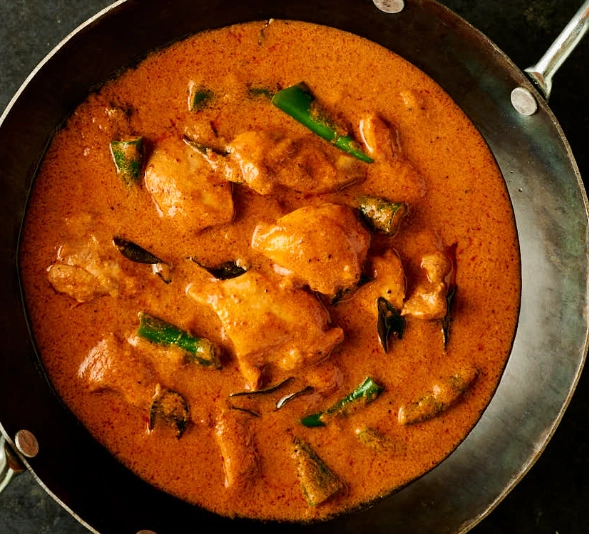
Step 5: Tomatoes and the Simmer
Pour in your tomato puree. Add 1 teaspoon of salt. Be careful, as it might splutter. Cook this mixture, stirring occasionally, for 8-10 minutes. The tomatoes will darken in color, the oil will again start to glisten on the surface, and the whole mixture will thicken into a paste. This is your concentrated flavor base.
Step 6: Bringing It All Together
Add the marinated chicken pieces along with any marinade left in the bowl. Turn the heat to medium-high and cook, turning the pieces, for 5-6 minutes. This sears the chicken and cooks off the yogurt marinade. Then, add about 2 cups of warm water, just enough to almost cover the chicken.
Bring it to a gentle boil, then reduce the heat to low, cover with a lid slightly ajar, and let it simmer for 35-45 minutes. The chicken should be fall-off-the-bone tender. During the last 10 minutes, stir in 1.5 teaspoons of garam masala. This is your finishing spice – adding it early would dull its bright aroma.
Taste. Always taste.
Adjust salt. If you want it creamier, you can stir in another 1/4 cup of yogurt or a splash of heavy cream. Finish with a handful of chopped fresh cilantro.
Your Curry, Your Way: Variations & Troubleshooting
The recipe above is your classic North Indian-style curry. But what if you want something different? Or what if something goes wrong? Let's talk about that.
Popular Regional Twists
- Butter Chicken (Murgh Makhani): For a richer, smoother sauce, blend the cooked curry base (before adding chicken) until smooth. Finish with butter and heavy cream. It's a different beast, but delicious.
- South Indian Coconut Curry: Add 1/2 cup of coconut milk along with the water. Temper with curry leaves and mustard seeds for an authentic touch.
- Spinach Curry (Saag Chicken): Blend a bunch of cooked spinach into the tomato-onion base for a vibrant green, healthy twist.
Fixing Common Curry Mistakes
We've all had kitchen mishaps. Here's how to salvage them.
The gravy is too thin. Uncover the pot, turn up the heat, and let it reduce and thicken. You can also make a slurry with 1 teaspoon of cornstarch and 2 tablespoons of water, stir it in, and simmer for 2 minutes.
The gravy is too thick. Easy fix. Just add a little hot water, 1/4 cup at a time, until it reaches your desired consistency.
It's not spicy enough. Add a pinch of cayenne pepper or some finely chopped fresh green chili. Do this at the end, tasting as you go.
It's too spicy! Don't panic. Add a dollop of plain yogurt or a squeeze of lemon juice. You can also stir in a teaspoon of sugar to balance the heat. Adding more liquid (water or cream) will also dilute it.
The flavor tastes flat or raw. You probably didn't cook your onions or spice paste long enough. Unfortunately, there's no quick fix for this. Simmer it longer, hoping the flavors meld. Remember this for next time!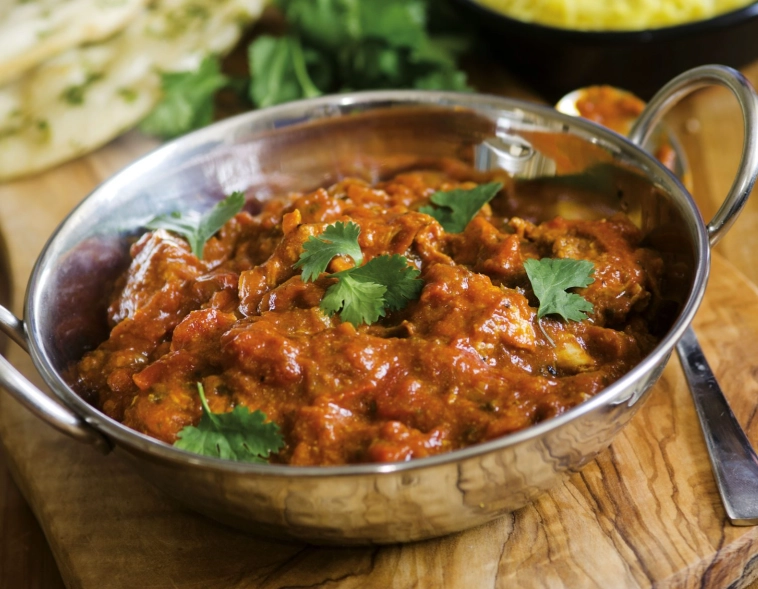
Answering Your Curry Questions (Before You Even Ask)
You've got questions. I had them too. Let's tackle some of the most common ones head-on.
Beyond the Plate: Serving & The Full Experience
A great curry is more than what's in the bowl. It's about the whole experience.
Serve your steaming hot curry in a deep bowl over a mound of fluffy basmati rice. A side of cooling cucumber raita (yogurt with cucumber and mint) is fantastic to balance the spices. Some warm, buttery naan or roti for scooping up every last bit of gravy is essential.
Don't forget a wedge of lemon. A squeeze of fresh citrus right at the end can brighten all the flavors beautifully.
Most importantly, share it. Food like this is meant to be enjoyed with others. Call a friend, gather your family, and dig in.
There you have it. Not just a recipe, but a roadmap. A guide to understanding the why behind the what. This Indian chicken curry recipe is your starting point. Master this foundation, and a world of variations opens up. You'll start to smell the spices differently, understand the timing, and know just by looking when the onions are ready.
It might not be perfect the first time. Mine certainly wasn't. But each time you make it, you'll learn something new. You'll adjust the heat to your liking, maybe add a bit more ginger, or let it simmer a little longer for a deeper color.
That's the real joy of cooking. It stops being a chore and becomes a craft. And the reward is a pot of something truly delicious, made by your own hands.
Now, go turn your kitchen into that great Indian restaurant. You've got this.
Discussion