In This Guide
- The Undisputed Global Champion: Butter Chicken
- The Strong Contenders: It's Not a One-Dish Race
- Breaking It Down: A Side-by-Side Look
- Beyond the Usual Suspects: Regional Stars & Street Food Icons
- How to Navigate an Indian Menu Like a Pro
- Answering Your Burning Questions (FAQs)
- The Final Verdict: So, What Is It?
You ask a simple question, "What is the most popular Indian dish?" and suddenly, you're in the middle of a friendly but fierce debate. Is it the creamy, dreamy curry that's conquered menus worldwide? Or the fragrant, spiced rice dish that's a meal in itself? Maybe it's the humble lentil stew that's on millions of home tables every single day.
I remember the first time I tried to answer this for myself. I walked into a busy Indian restaurant, looked at the menu, and felt completely overwhelmed. Tikka Masala, Vindaloo, Korma, Biryani... where do you even start? The server just smiled and said, "Everyone asks for the Butter Chicken." That was my clue. But is popular the same as ubiquitous? Is what's popular abroad the same as what's loved at home in India? That's the real puzzle.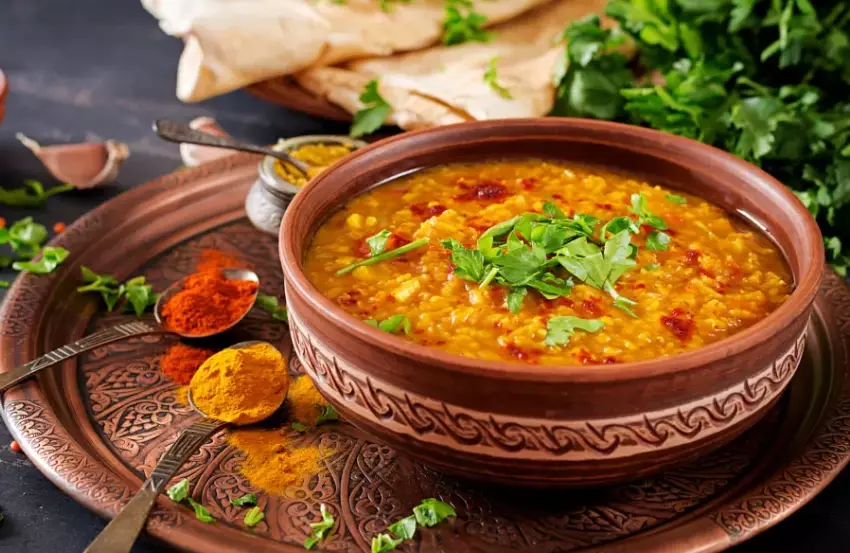
See, India isn't a country with one cuisine; it's a continent of flavors packed into a nation. What's popular in the north might be a stranger in the south. A street food king in Mumbai might be unknown in Kolkata. So when we ask "what is the most popular Indian dish?", we need to look through different lenses: global appeal, domestic love, and historical staying power.
The Undisputed Global Champion: Butter Chicken
Butter Chicken's rise is a foodie fairy tale. The story goes it was invented in Delhi in the 1950s at the famous Moti Mahal restaurant. They say leftover tandoori chicken was simmered in a tomato gravy enriched with butter and cream to keep it from drying out. The result was magic. Honestly, it's a genius recipe. The tang from the tomatoes, the subtle smokiness from the tandoori chicken, the richness from butter and cream, and that warm, complex spice blend (garam masala is key) – it's designed to be universally likable. It's rarely too spicy, which is a big plus for many first-timers.
You can find it everywhere. I've seen it in small-town diners in Europe and high-end fusion spots in San Francisco. It's the safe choice, the "my first Indian curry" dish. But here's a personal take: because it's so popular, it's often done poorly. A bland, overly sweet, orange gloop is a betrayal of what it should be. A good Butter Chicken should have depth, a balance of tang and cream, and tender chicken. When it's bad, it's really bad. When it's good, it's pure comfort.
The Strong Contenders: It's Not a One-Dish Race
If Butter Chicken is the pop star, these other dishes are the critically acclaimed legends and the beloved street heroes. To call Butter Chicken the most popular Indian dish feels right, but it doesn't tell the whole story without mentioning these giants.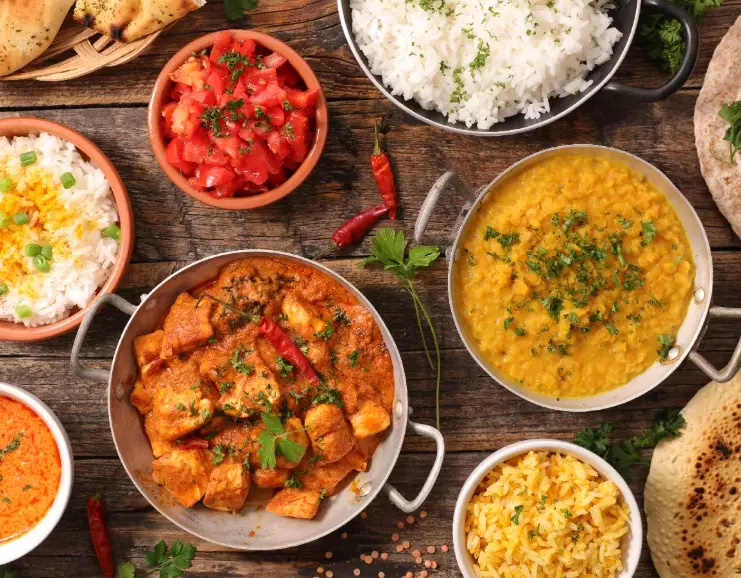
Biryani: The Festive Powerhouse
Ask anyone from India about their favorite celebratory meal, and Biryani will be shouted from the rooftops. This isn't just rice with meat; it's a layered, aromatic masterpiece. Fragrant basmati rice is partially cooked and layered with marinated meat (chicken, mutton, goat, or even vegetables), caramelized onions, herbs, and a blend of spices like saffron, cardamom, and cloves. It's then "dum" cooked—sealed in a pot and slow-steamed so all the flavors marry.
The regional variations are insane. Hyderabad gives us a rich, spicy, and tangy version. Kolkata Biryani is lighter, with potatoes and boiled eggs. Lucknow's Awadhi Biryani is more subtle and fragrant. It's a dish that inspires regional pride and fierce debate. In terms of sheer cultural weight and love during festivals, weddings, and Sundays, Biryani gives Butter Chicken a run for its money. For a deeper dive into its history and cultural significance, the Incredible India tourism portal often highlights it as a culinary icon.
Dal (Lentil Curry): The Daily Sustenance
Now, if we're talking about true, everyday popularity—the dish eaten in the most homes, most days of the week—it's probably Dal. It's the humble, nutritious backbone of the Indian meal. Yellow lentils, red lentils, black lentils... they're cooked down into a soup or stew, tempered with spices fried in oil or ghee (a process called *tadka*), and served with rice or roti.
It might not have the glamour of a restaurant star, but its importance cannot be overstated. It's affordable, protein-packed, and endlessly versatile. A simple Dal-Roti is a quintessential Indian comfort meal. No one asks "what is the most popular Indian dish?" and expects "Dal" as the answer, but in terms of daily consumption, it's arguably the true champion.
"Popularity is a funny thing. Is it measured by Google searches, restaurant orders, or by the quiet, daily act of cooking in millions of kitchens? For India, you have to consider both the spotlight dishes and the steadfast staples."
Chicken Tikka Masala: The Global Cousin
Ah, the great debate. Many outside India think this *is* the most popular Indian dish. It's Butter Chicken's close relative—chunks of grilled chicken in a spiced, creamy, tomato-based sauce. Its origins are famously murky, often claimed by the UK as a British-Indian creation. It's sweeter and often more orange than Butter Chicken.
It's massively popular in the Western world, sometimes even more so than Butter Chicken. But in India itself, it's often seen as a foreign variation. So, is it a popular Indian dish? It's complicated. It's a dish of the Indian diaspora, incredibly popular globally, but with a different status back home.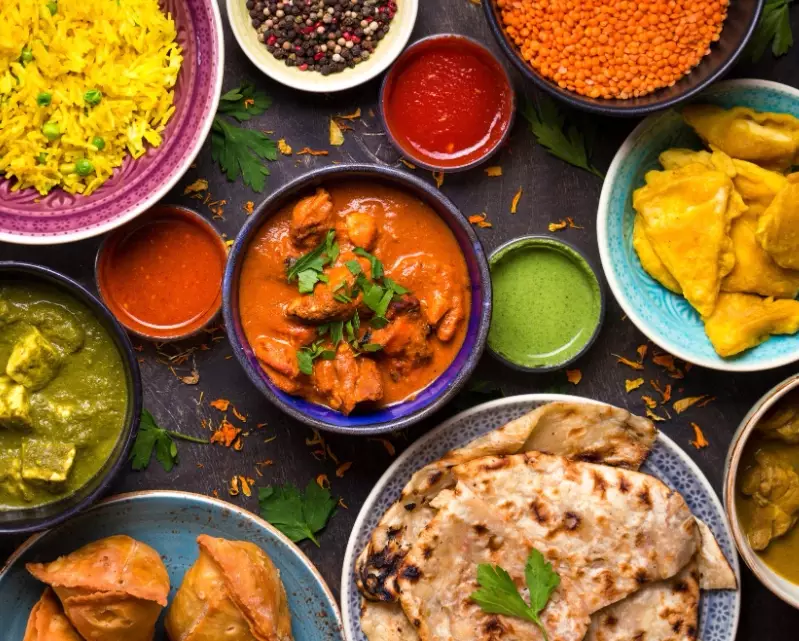
Breaking It Down: A Side-by-Side Look
Let's put these titans in a table. This isn't about declaring one winner, but about understanding their different kinds of popularity.
| Dish | Global Popularity | Popularity in India | Key Characteristics | Best For... |
|---|---|---|---|---|
| Butter Chicken (Murgh Makhani) | Extremely High | Very High (esp. North) | Creamy, tomato-based, mildly spiced, tandoori chicken. | First-timers, comfort food lovers. |
| Biryani | High | Extremely High (Nationwide) | Fragrant, spiced rice dish with meat/veg, layered & steamed. | Celebrations, hearty meals, flavor explorers. |
| Dal (Lentil Curry) | Moderate | Highest (Daily staple) | Simple, nutritious, tempered lentils, soup-like consistency. | Daily meals, vegetarians, comfort. |
| Chicken Tikka Masala | Extremely High (West) | Moderate | Grilled chicken in creamy, orange-tinted sauce, often sweeter. | Western palates, familiar curry experience. |
| Palak Paneer | High | Very High | Paneer (cottage cheese) in a creamy spinach puree. | Vegetarians, healthy(ish) option. |
Looking at this, you see the picture. Butter Chicken has the broadest global reach. Biryani has unmatched domestic fervor. Dal is the quiet workhorse. So, what is the most popular Indian dish? It depends on the context you care about.
Beyond the Usual Suspects: Regional Stars & Street Food Icons
Focusing only on restaurant classics misses the vibrant heart of Indian food. Let's talk about the dishes that rule specific regions and the bustling street food scene.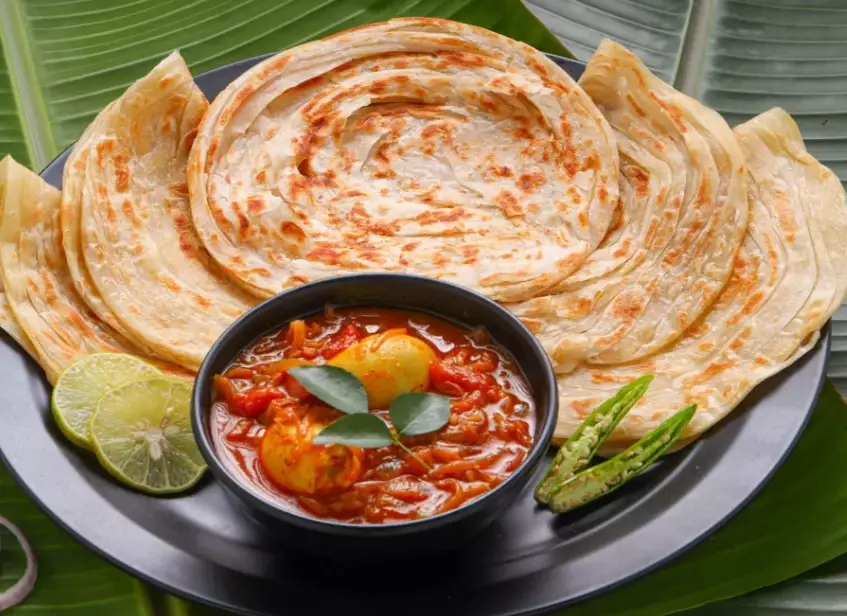
South Indian Powerhouses
Head south, and the landscape changes completely. Here, Dosa—a crispy, fermented rice and lentil crepe—is a god. Served with coconut chutney and sambar (a lentil and vegetable stew), it's breakfast, lunch, and dinner. Its popularity is monolithic in states like Tamil Nadu and Karnataka. Then there's Idli (soft, steamed rice cakes) and Vada (savory lentil donuts). Calling Butter Chicken the most popular dish here would get you laughed out of the room.
The Street Food Hall of Fame
If popularity is measured by sheer volume served on sizzling griddles, then Chaat is a phenomenon. It's a category of savory, tangy, spicy, and sweet snacks. Panipuri (hollow puris filled with spicy tamarind water and potato) is an addictive explosion of flavor. Chole Bhature (spicy chickpeas with deep-fried bread) is a beloved heavy hitter. For a visual and cultural deep dive into these street foods, the BBC's travel and food sections have done some excellent features that capture their essence, like this look at Mumbai's street food culture.
How to Navigate an Indian Menu Like a Pro
Knowing the contenders is one thing. Using that knowledge to order a great meal is another. Here’s a practical guide based on what you’re in the mood for.
- If you're new to Indian food: Start with Butter Chicken or Chicken Tikka Masala. Pair it with Garlic Naan and plain Basmati Rice. It's a safe, delicious landing pad.
- If you want a feast: Go for a Biryani. Choose a protein (I prefer mutton or chicken Hyderabadi). Have a side of Raita (yogurt sauce) to cool it down.
- If you're vegetarian: You are in heaven. Palak Paneer (spinach and cheese) and Chana Masala (spicy chickpeas) are must-tries. Don't skip Dal Makhani (creamy black lentils).
- If you want to explore: Ask for regional specialties. Is there a Goan Fish Curry? A Kerala-style coconut-based stew? A Rajasthani Laal Maas (fiery mutton curry)? This is where the magic happens.
A word on spice levels.
Don't be a hero. Indian spice is about flavor, not just heat. A "medium" can vary wildly between restaurants. It's okay to ask for mild, especially if you're not used to it. You can always add heat later with condiments. Nothing ruins a meal like a curry that's too hot to eat.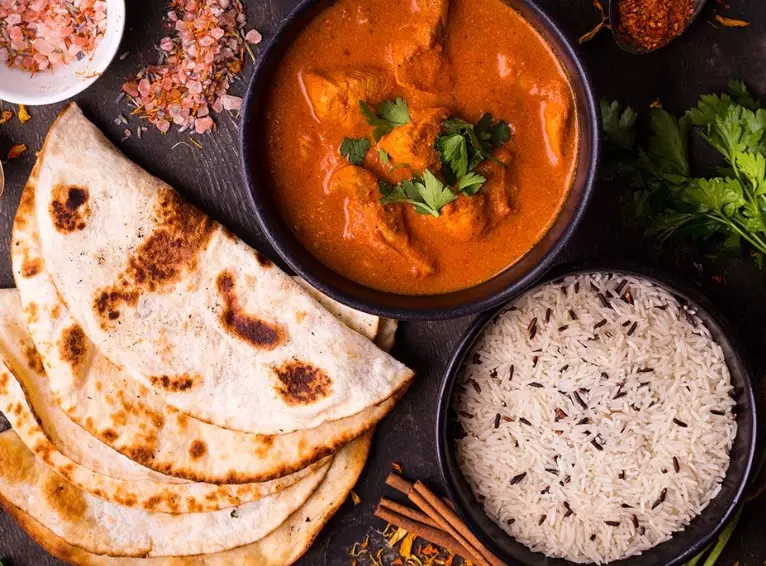
Answering Your Burning Questions (FAQs)
Let's tackle the specific questions that pop up when people are figuring out what is the most popular Indian dish.
Is Butter Chicken the same as Tikka Masala?
No, but they're siblings. Butter Chicken uses tandoori chicken (marinated in yogurt and spices, then grilled) in a gravy that's tomato-based, buttery, and cream-laden. Chicken Tikka Masala uses chicken tikka (similar marinade, often boneless chunks) in a sauce that often has a more pronounced tomato paste flavor, can be sweeter, and is sometimes creamier. The line is blurry in many restaurants, but purists will defend the difference.
What's the most popular vegetarian Indian dish?
Globally, it's likely Palak Paneer or Chana Masala. In India, Dal is the everyday king, but dishes like Aloo Gobi (potato and cauliflower) and Baingan Bharta (smoky mashed eggplant) are hugely beloved.
Is Indian food always spicy?
This is the biggest misconception. Indian cuisine is about the blend of spices—cumin, coriander, turmeric, cardamom—which create complex flavors. Heat from chilies is just one component. Many classic dishes like Butter Chicken, Korma, and Biryani are not inherently fiery. Spice level is often adjustable.
What do Indians eat at home?
It's often simpler than restaurant fare. A typical meal might be Dal, one or two vegetable dishes (sabzi), roti (flatbread), rice, and yogurt. The rich, creamy curries are more common for special occasions or dining out.
The Final Verdict: So, What Is It?
After all this, if you put a gun to my head and forced me to give a single answer to "what is the most popular Indian dish?" for a global audience walking into a restaurant for the first time, I'd say Butter Chicken. It's the name that resonates everywhere. It's the dish that has become synonymous with Indian restaurant cuisine abroad. Its fame is undeniable.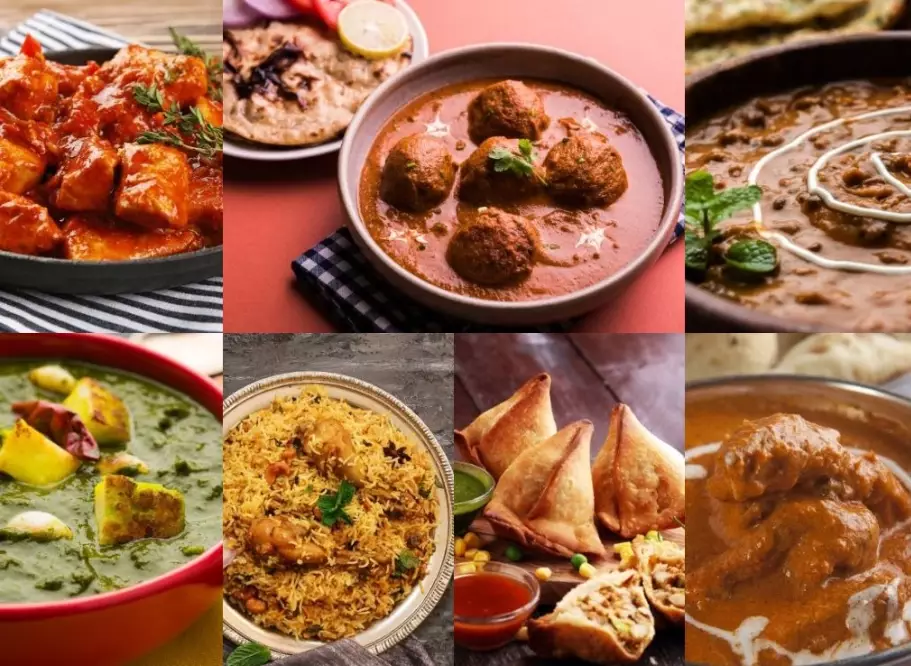
The best way to answer the question for yourself is to start tasting. Order the Butter Chicken, sure. But then go back and try the Biryani. Seek out a good Dosai place. Have a plate of Chaat from a reputable vendor. Your personal favorite will emerge, and that's the only popularity contest that really matters.
What is the most popular Indian dish? It's the one that makes you want to order it again. For millions around the world, that journey starts with a creamy, comforting bowl of Murgh Makhani. And that's a pretty delicious place to start.
Discussion