Let's be honest. We've all been there. You order Indian takeout, and the star of the show isn't just the curry—it's that warm, soft, slightly charred, buttery piece of heaven called naan. It's so good you sometimes wish you could just order a dozen of those and call it a day. I know I have. Then you think, "I should learn how to make this at home." You search for an Indian naan recipe, try one, and end up with something that's more like a stiff pancake or a dry cracker. Disappointing, right?
I've been through that kitchen failure more times than I'd like to admit. My first few attempts were... educational. Let's just say they were better suited for building a small shelter than for eating. But after years of tweaking, asking friends' moms for tips, and a bit of stubborn experimentation, I finally cracked the code. The goal isn't just to make naan. It's to make great naan—the kind that puffs up, has those beautiful golden-brown spots, tears apart in soft, fluffy layers, and makes you feel like a kitchen wizard.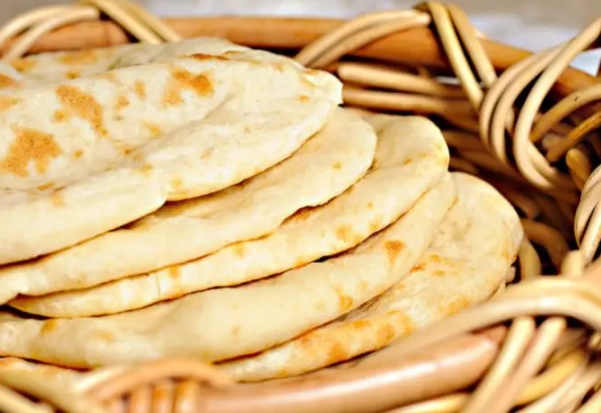
This guide is everything I wish I had when I started. We're going deep. Forget just a list of ingredients and steps. We're talking about the why behind each ingredient, the science of the dough, how to fake a tandoor oven in your home kitchen, and how to fix every common mistake. Whether you're a complete beginner or someone who's made naan before but wants to elevate it, this is for you. This isn't just another easy naan recipe; it's a masterclass in understanding the bread itself.
Quick Navigation
What You Absolutely Need to Know Before You Start
Making authentic naan is simple, but it's not *simplistic*. A few key principles make all the difference between good and mind-blowing. Most failed recipes skip explaining these.
First, let's talk about the elephant in the room: the tandoor. A traditional tandoor is a cylindrical clay oven that gets screaming hot (900°F/480°C+). The intense heat causes the naan to puff up dramatically and cook in minutes. We don't have that. And that's okay. We'll use clever workarounds that get scarily close. The second thing is patience. Rushing the dough is the number one reason for dense naan. Yeast needs time to do its magic.
Gathering Your Ingredients: It's More Than Just a List
Every ingredient in this Indian naan recipe has a specific job. Using substitutes willy-nilly can change the texture and taste. Here’s the breakdown of the core cast of characters.
The Flour
You want bread flour or a strong white flour. Why? Higher protein content (around 12-13%). More protein means more gluten, which means a stronger network to trap the gas from the yeast. This leads to a better rise and a chewier, less crumbly texture. All-purpose flour works in a pinch, but your naan might be slightly less robust. I've tested both side-by-side, and the bread flour version just has a more satisfying pull.
The Leavening Agent
Most authentic recipes use yeast. It provides that distinct fermented flavor and reliable rise. You can use active dry yeast or instant yeast. I prefer instant yeast because you can mix it right in with the dry ingredients—no need to proof it first. Some recipes use baking powder or soda for a quick rise, but the flavor profile is different. For the real deal, stick with yeast.
The Enrichers (This is the Secret Sauce)
This is what makes naan soft and flavorful long after it's cooked.
- Yogurt: The lactic acid tenderizes the gluten, making the crumb soft. It also adds a subtle tang. Use plain, full-fat yogurt for the best results. The fat content is crucial.
- Fat (Ghee/Oil/Butter): Fat shortens the gluten strands, again contributing to tenderness. Ghee (clarified butter) is traditional and adds a nutty aroma. You can use neutral oil or melted butter if that's what you have.
The Step-by-Step, No-Stone-Unturned Recipe
Okay, let's get our hands doughy. This is my go-to, foolproof how to make naan process. Read through it once before you start.
Ingredients (Makes 6-8 medium naans)
| Ingredient | Quantity | Notes & Why It's There |
|---|---|---|
| Bread Flour | 500g (about 4 cups) | High protein for structure. Spoon & level if using cups. |
| Instant Yeast | 7g (2 1/4 tsp) | One standard packet. The workhorse for rising. |
| Sugar | 1 tbsp | Food for the yeast. Doesn't make it sweet. |
| Salt | 1 1/2 tsp | Balances flavor and controls yeast activity. |
| Baking Powder | 1/2 tsp (optional) | Some add it for extra insurance on the puff. I do. |
| Plain Full-Fat Yogurt | 180g (3/4 cup) | The key tenderizer. Must be full-fat. |
| Lukewarm Water | 180-200ml (3/4 cup + 1 tbsp) | Adjust as needed. Liquid temperature is key. |
| Ghee or Neutral Oil | 2 tbsp, plus more for brushing | Ghee for authentic flavor, oil works fine. |
Making the Dough: Patience is a Virtue
1. Mix the Dry Team: In a large bowl, whisk together the flour, instant yeast, sugar, salt, and baking powder (if using). Whisking ensures everything is evenly distributed—no one wants a bite of pure salt.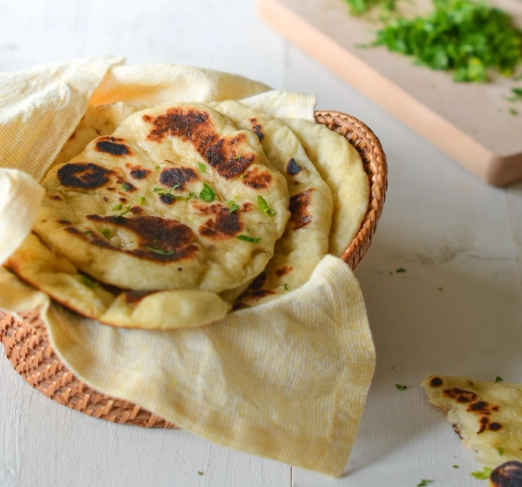
2. Bring in the Wet Team: Add the yogurt, ghee/oil, and most of the lukewarm water. "Lukewarm" means it should feel warm to your finger, not hot. Too hot kills yeast, too cold slows it down. I aim for baby-bottle temperature, around 105°F (40°C).
3. Knead: Start mixing with a spoon or your hands. It will be shaggy. Turn it out onto a lightly floured surface and knead for 8-10 minutes. You're looking for a soft, slightly tacky (but not sticky) dough that becomes smooth and elastic. If it's too dry and won't come together, add water a teaspoon at a time. Too sticky? A light dusting of flour. Don't go overboard.
4. The First Rise (The Big One): Place the dough ball in a lightly oiled bowl, turning it to coat. Cover with a damp kitchen towel or plastic wrap. Let it rise in a warm, draft-free spot until doubled in size. This usually takes 1 to 1.5 hours, depending on your kitchen's warmth. Don't put it in a super-hot place like on top of the oven; a consistent warm room is better.
Go do something else. Seriously. This is the perfect time.
Shaping and Cooking: Where the Magic Happens
5. Punch and Divide: Once risen, gently punch down the dough to release the big air bubbles. Turn it out and divide it into 6-8 equal pieces. Roll each into a smooth ball. Cover them and let them rest for 15-20 minutes. This "bench rest" relaxes the gluten, making the dough easier to shape without springing back.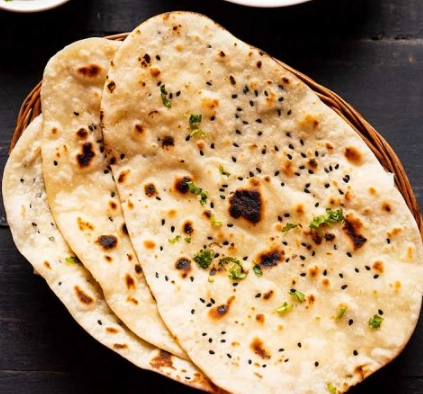
6. Rolling: On a lightly floured surface, roll each ball into an oval or teardrop shape, about 1/4-inch (6mm) thick. Don't roll it paper-thin. You want some thickness for it to puff up. It doesn't have to be a perfect shape—rustic is good!
7. Cooking (The Tandoor Simulation): This is the most critical step. You need high, direct heat. Here are your best home kitchen options, ranked:
- Top Choice: Cast Iron Skillet or Tawa/Griddle: Get it screaming hot over medium-high to high heat. A drop of water should skitter and evaporate instantly. Place a rolled naan on the dry, hot surface. Cook for 30-45 seconds until you see bubbles forming and the bottom has dark brown spots.
- The Flip & Char: Now, you have two options. You can simply flip it and cook the other side for another 30 seconds. OR, for the classic charred top, use this trick: Once the bottom is cooked, flip the naan. Immediately, using a heatproof spatula, gently press the naan around the skillet. Then, carefully hold the skillet over a medium gas flame (if you have a gas stove) for 10-15 seconds to char the top directly. This mimics the tandoor's top heat. Be very careful. If you have an electric stove, just finish cooking the second side in the skillet—it will still be great.
- Alternative: Broiler/Grill: Preheat your broiler on high with a heavy baking sheet or pizza stone inside. Once hot, place the rolled naan on the hot surface and broil for 1-2 minutes per side until puffed and spotted. Watch it like a hawk!
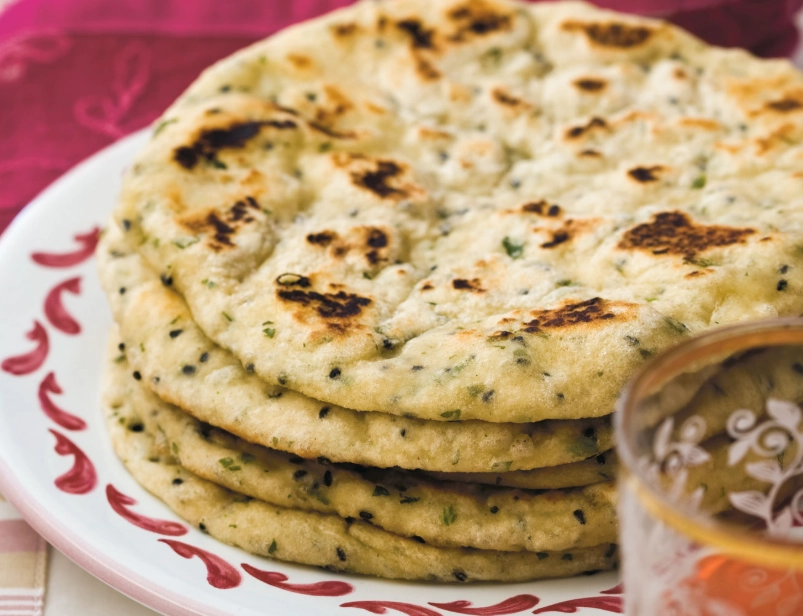
8. Finishing Touch: As soon as the naan comes off the heat, brush it generously with melted ghee or butter. For garlic naan, mix minced garlic into the melted butter. The fat seals in moisture and adds incredible flavor. Stack them in a cloth-lined basket to keep warm and soft.
Answering All Your Burning Naan Questions (FAQ)
- Dough too dry: Not enough water/hydration. The steam created during cooking is what causes the puff. Dry dough = less steam.
- Rolled too thin: No room for air pockets to form.
- Insufficient kneading: Weak gluten network can't trap the gas.
- Pan not hot enough: The dough just dries out before it can steam and puff.
- Yeast was dead/old: Always check the expiration date.
- Refrigerate: Place the dough balls in an airtight container, lightly coated in oil, for up to 24 hours. Let them come to room temperature for 30 minutes before rolling and cooking. The flavor actually deepens!
- Freeze: Place shaped balls on a tray to freeze solid, then transfer to a freezer bag for up to 3 months. Thaw overnight in the fridge, then bring to room temp before using.
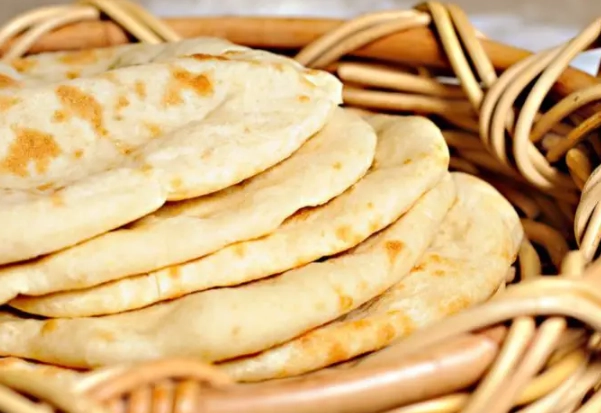
Best method (stovetop): Sprinkle a few drops of water on the naan and heat in a dry skillet over medium heat for 30 seconds per side. The steam revives it.
Quick method (microwave): Wrap in a damp paper towel and microwave for 15-20 seconds. Can get a bit rubbery if overdone.
Leveling Up: Classic Naan Variations
Once you've mastered the basic Indian naan recipe, the world is your oyster. Here are some iconic variations:
Garlic Naan
The crowd-pleaser. After brushing the cooked naan with butter, sprinkle it with finely minced fresh garlic and chopped cilantro. You can also press minced garlic into the dough ball before rolling it out for a more intense flavor.
Butter Naan (Paneer Naan)
Even more indulgent. Simply be extra generous with the butter brush at the end. Some versions have a layer of butter brushed between folds while it's still hot.
Cheese Naan
Place a small handful of grated mozzarella, cheddar, or paneer in the center of the dough ball before sealing it up and rolling it out. The cheese melts inside as it cooks. A messy, delicious delight.
Keema Naan
A meal in itself. Fill with a small amount of spiced, cooked ground meat (keema) before sealing and rolling.
Whole Wheat Naan
For a slightly healthier twist, substitute up to half of the bread flour with whole wheat flour. Note: It will be denser and less puffy, and you may need a touch more water as whole wheat flour absorbs more liquid.
A Note on Tradition and History
While we're focused on the practical how to make naan, it's interesting to know its roots. The word "naan" comes from Persian, meaning "bread." It has a long history in West and South Asia, evolving significantly in the Indian subcontinent with the use of the tandoor. The leavened version we know today became popular in the Mughal courts. For a deeper dive into the fascinating culinary history of Indian breads, including naan, resources like the History Channel or academic food history sites often have intriguing articles. The Indian government's tourism site, Incredible India, also highlights regional cuisines, giving context to the dishes we love.
So, there you have it. It might seem like a lot of information, but once you go through the process once or twice, it becomes second nature. The smell of yeast, the feel of the dough becoming smooth under your hands, the thrill of seeing it puff up in the pan—it's a wonderfully satisfying kitchen project. Don't be discouraged if the first one isn't perfect. Mine sure wasn't. Each batch gets better.
Now, go warm up that skillet. Your perfect, soft, fluffy, homemade naan is waiting.
Discussion