Let's be honest. A lot of what passes for Indian food outside India is... well, let's just say it's adapted. Heavily. I remember the first time I tried to make a proper dal at home after years of eating the overly creamy, one-note versions from takeout places. It was a disaster. Too much water, not enough tempering, and my spices were probably older than my kitchen towels. The point is, there's a huge gap between the idea of traditional Indian recipes vegetarian and the reality of actually cooking them in your own kitchen.
And that's what we're here to fix.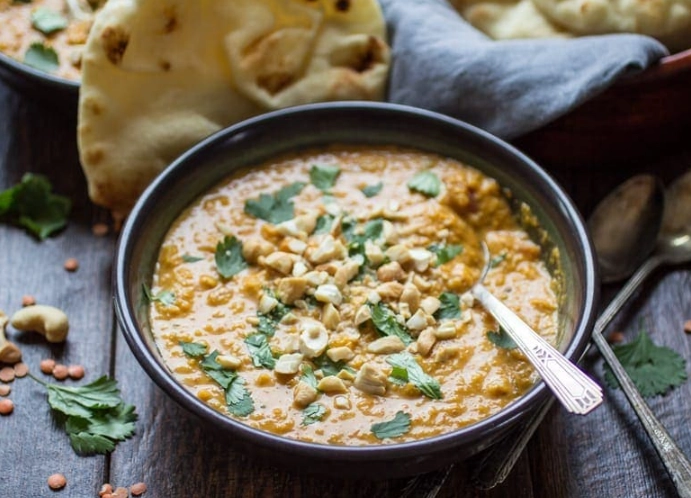
This isn't about fancy restaurant plating or impossibly complex dishes with fifty ingredients. It's about the food real people eat every day across India. The kind of food that's bursting with flavor not from heavy creams or artificial additives, but from a deep understanding of how spices, legumes, and vegetables work together. We're talking about the cornerstone dishes, the ones that have been passed down through generations, tweaked in a million home kitchens, and remain utterly delicious in their simplicity.
Why Is Indian Vegetarian Food So Special Anyway?
Key Takeaways
- Why Is Indian Vegetarian Food So Special Anyway?
- Your Indian Vegetarian Kitchen Toolkit: The Essentials
- Classic Dishes You Can Actually Make: A Week of Flavors
- Navigating the Regional Map: It's Not All "Curry"
- Your Questions, Answered (The Real Stuff Google Doesn't Always Tell You)
- Putting It All Together: A Simple Week's Plan
You might wonder why there's such a vast world of traditional Indian recipes vegetarian in the first place. It's not a modern trend. For centuries, vegetarianism has been woven into the cultural, religious, and agricultural fabric of the subcontinent. This long history means the cuisine didn't develop as a "meat substitute" style of cooking. Plants, grains, lentils, and dairy are the stars, not understudies.
The magic lies in the approach. Indian cooking treats vegetables and legumes not as bland sides, but as canvases for layers of flavor. It's a symphony, not a solo. You have the base notes from onions, ginger, and garlic cooked slowly. The middle notes from ground spices like coriander and cumin. And the high notes from the final "tadka" or tempering—whole spices like mustard seeds and dried chilies sizzled in oil or ghee and poured on top. This layering creates a depth that's hard to match.
So, before we jump into recipes, we need to talk about the backbone of it all. The non-negotiables.
Your Indian Vegetarian Kitchen Toolkit: The Essentials
You don't need a pantry that looks like a spice bazaar to get started. Focus on these core items, and you can make a shocking number of authentic dishes.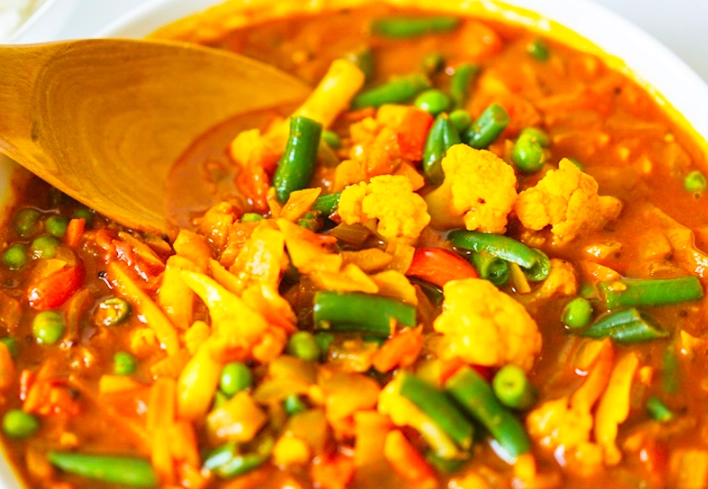
The Spice Rack Foundation
Buy whole spices where possible and toast/grind them as needed. The flavor difference is night and day compared to pre-ground powder that's been sitting on a shelf for months.
- Must-Have Whole Spices: Cumin seeds, black mustard seeds, coriander seeds, dried red chilies (like Kashmiri, for color and mild heat), fenugreek seeds (use sparingly!), cardamom pods (green and black), cloves, cinnamon sticks.
- Essential Ground Spices: Turmeric powder (for color and earthy warmth), red chili powder (adjust to your heat level), garam masala (a warming blend, add at the END of cooking). Don't buy a giant jar; it loses potency fast.
- The Aromatics Holy Trinity: Fresh ginger, fresh garlic, and onions. Pureed tomatoes (fresh or canned) are the fourth key player for many gravy-based dishes.
Now, for the main actors—the proteins and staples that form the heart of traditional Indian recipes vegetarian.
- Lentils (Dal): This is where beginners should start. Masoor dal (red lentils) cook fast and turn mushy, perfect for a simple soup. Toor dal (yellow pigeon peas) are the classic for South Indian sambar. Chana dal (split chickpeas) are nuttier and hold shape. A bag of each is a great investment.
- Beans & Legumes: Dried or canned chickpeas (kabuli chana) for chana masala. Kidney beans (rajma) for the iconic Punjabi rajma masala. Black gram (urad dal) is crucial for dal makhani.
- Flours: Besan (gram flour) is a versatile superstar for making pakoras, kadhi (a yogurt-based curry), and cheela (savory pancakes).
- Rice & Grains: Basmati rice for biryanis and pilafs, but don't overlook everyday rice. Also, explore grains like millets (bajra, jowar) which are having a major comeback for health reasons.
- Fats: Ghee (clarified butter) is traditional and adds an irreplaceable nutty aroma. For a vegan approach, cold-pressed mustard oil (in certain dishes) or a neutral oil like avocado/grapeseed works fine.
Feeling overwhelmed? Don't. Start with cumin seeds, turmeric, chili powder, coriander powder, and one type of lentil. You can build from there. The Indian government's official portal has sections on culture that touch upon the diversity of food, which really puts the regional variations into context.
Classic Dishes You Can Actually Make: A Week of Flavors
Let's move from theory to practice. Here are some foundational traditional Indian recipes vegetarian that every home cook should have in their repertoire.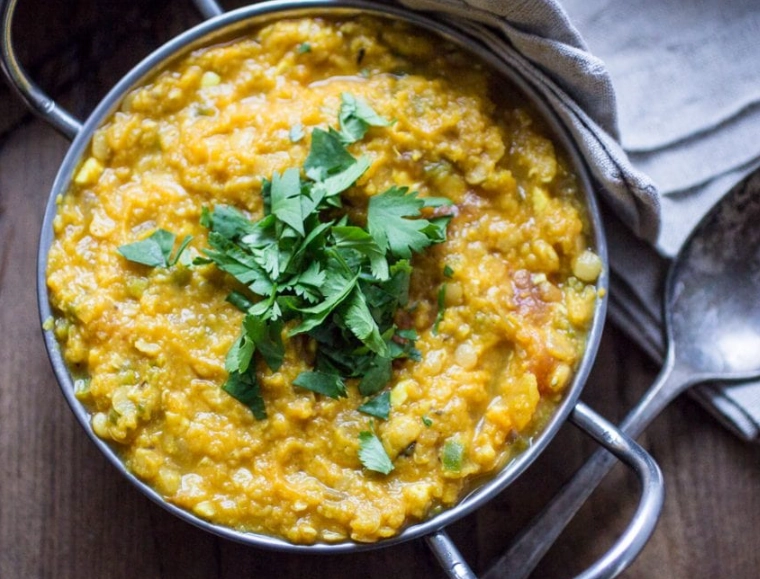
The Ultimate Comfort Food: Dal Tadka
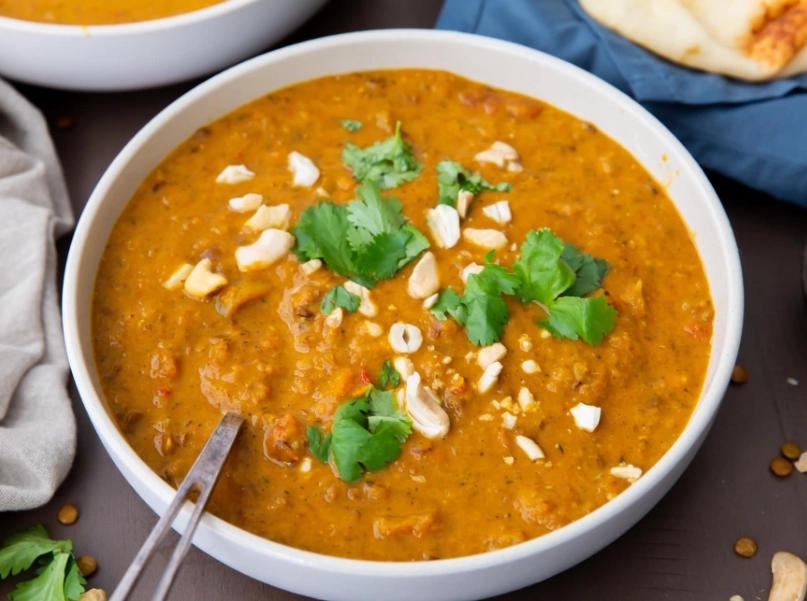
If you learn only one thing, make it this. It's the ultimate proof that simple ingredients can create profound comfort. The key is the 'tadka' (tempering). Cook your lentils (toor or masoor) with turmeric and salt until soft. In a separate small pan, heat ghee or oil. Throw in a teaspoon of cumin seeds and let them sizzle. Add a pinch of asafoetida (hing, if you have it), a dried red chili, and a few chopped garlic cloves. When the garlic turns golden, pour this sizzling oil mixture directly onto the cooked dal. The sound and aroma are half the experience. Stir and serve with rice or roti. It's soul food.
The Crowd-Pleaser: Chana Masala
This chickpea curry is a global favorite for a reason. The base is onions, ginger-garlic paste, and tomatoes cooked down into a thick gravy. The spice mix usually includes coriander, cumin, turmeric, and the distinctive dry mango powder (amchur) that gives it a tangy kick. My personal twist? I like to add a small tea bag to the water when boiling dried chickpeas from scratch—it gives them a deeper color and a slight tannic note. Don't ask me how it works, it just does. For a fantastic, tested recipe that breaks down the science, Serious Eats has a deep-dive that's worth a look.
What about vegetables? They're never an afterthought.
- Aloo Gobi: Potatoes and cauliflower. Sounds basic, tastes incredible. The trick is to cook the spices in oil first, then add the veggies and let them almost "roast" in the pan with minimal stirring, so they get a few browned bits.
- Baingan Bharta: Smoky roasted eggplant mashed and cooked with peas, tomatoes, and spices. The smokiness is traditionally achieved by charring the eggplant directly over an open flame. If you have a gas stove, it's worth the mess. Otherwise, a broiler works.
- Palak Paneer: Creamy spinach with cubes of paneer (Indian cottage cheese). The challenge is keeping the spinach vibrant green. Blanch it quickly, blend it, and don't overcook it after adding to the gravy.
See? It's not about obscure ingredients. It's about technique.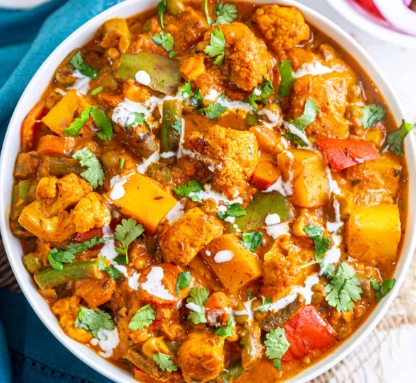
Navigating the Regional Map: It's Not All "Curry"
This is a common frustration. "Indian food" is as diverse as "European food." A dish from Kerala will taste nothing like one from Punjab. When exploring traditional Indian recipes vegetarian, understanding this geography of flavor is a game-changer.
| Region | Flavor Profile | Signature Vegetarian Dish | Key Ingredients |
|---|---|---|---|
| Punjab (North) | Rich, creamy, tomato-onion based gravies, tandoori flavors. | Dal Makhani, Sarson ka Saag (mustard greens), Stuffed Parathas | Whole wheat, mustard greens, black lentils, dairy (butter, cream), maize. |
| Gujarat (West) | Inherently sweet-sour-spicy balance, often less oily. | Dhokla (steamed fermented cake), Gujarati Dal, Thepla (flatbread) | Gram flour, yogurt, jaggery, peanuts, sesame seeds. |
| South India (Multiple States) | Lighter, rice-based, tangy from tamarind and yogurt, heavy use of curry leaves & mustard seeds. | Dosa (fermented crepe), Sambar (lentil stew), Avial (mixed vegetable coconut curry) | Rice, coconut, tamarind, curry leaves, lentils like toor dal. |
| Bengal (East) | Delicate, mustard-forward, poppy seed pastes, subtle sweetness. | Shukto (bitter vegetable medley), Cholar Dal (Bengal gram dal), Posto (poppy seed) dishes | Mustard oil, poppy seeds, panch phoron (5-spice blend), fish (but many veg classics). |
I made the mistake early on of using coconut in a North Indian style curry because I thought "coconut = Indian." My Punjabi friend gently informed me it tasted... confusing. Like a dish that couldn't decide where it was from. Now I keep my flavor profiles regional. It makes cooking simpler, not harder.
Your Questions, Answered (The Real Stuff Google Doesn't Always Tell You)
Common Questions on Traditional Indian Vegetarian Recipes
I'm vegan. Is authentic Indian vegetarian cooking suitable?
Absolutely, and it's one of the world's most naturally vegan-friendly cuisines. The main substitution is ghee (use plant oil) and paneer (use extra-firm tofu, pressed and pan-fried, or chickpeas). Dishes like dal, chana masala, most vegetable sabzis, and rice dishes are already vegan or easily adapted. Yogurt-based kadhi can be tricky, but some use blended cashews.
My food never tastes as deep or complex as a restaurant's. What's the secret?
Time and layering. Restaurants often cook their onion-tomato gravy base (the "masala") for an hour or more until the oil separates. They also use professional-grade heat which caramelizes things faster. At home, don't rush the initial cooking of your onions. Let them turn a proper golden brown. And that final tadka? Non-negotiable for aroma.
How do I deal with the heat? I can't handle super spicy food.
This is a huge misconception! Indian food is about flavor, not just fire. Control the heat by: 1) Using Kashmiri red chili powder for color without brutal heat, 2) Removing the seeds from green chilies, 3) Adding chili powder at the end of cooking rather than frying it (which releases more capsaicin). You can always add heat, but you can't take it away.
What's the best way to store and reheat these dishes?
Most lentil and vegetable dishes taste better the next day as the flavors meld. Store in airtight containers in the fridge for 3-4 days. Reheat gently on the stovetop with a splash of water to loosen it up. Microwaving can make lentils gluey. You can also freeze many dals and curries for a month.
Where can I find reliable, authentic recipes online?
Look for blogs by Indian home cooks or chefs who explain the "why" behind steps. Websites like Veg Recipes of India are a fantastic, dedicated resource. For academic and cultural context, resources like the Encyclopaedia Britannica entry on Indian cuisine provide great background.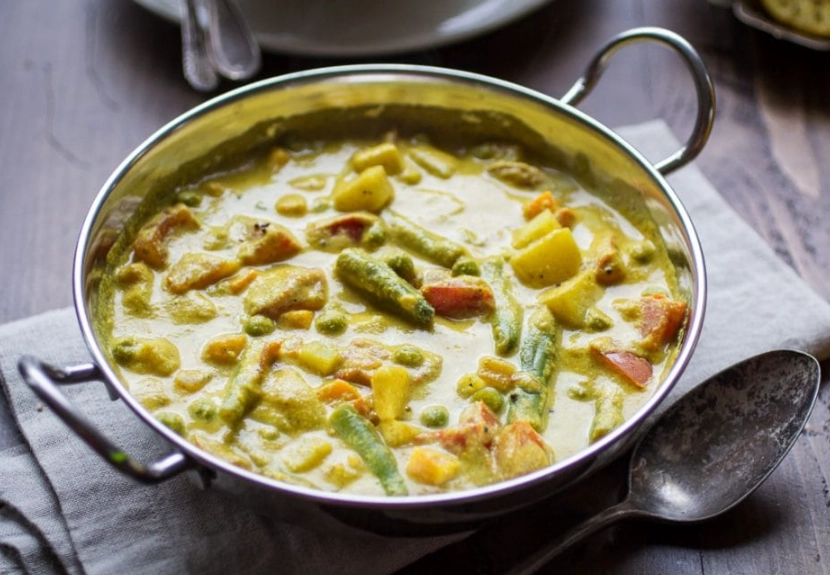
Putting It All Together: A Simple Week's Plan
Okay, let's stop talking and start doing. Here's a no-stress plan to bring traditional Indian recipes vegetarian into your kitchen this week.
Monday (Ease In): Make a simple Dal Tadka with masoor dal (red lentils). Serve with basmati rice and a store-bought roti. Focus on nailing the tempering.
Tuesday (Build Confidence): Use leftover dal. Try a dry vegetable dish like Aloo Gobi. The technique is different—less gravy, more roasting in the pan.
Wednesday (The Main Event): Cook Chana Masala from scratch, using canned chickpeas to save time. Make a raita (yogurt with cucumber and mint) on the side.
Thursday (Leftovers/Explore): Mix and match leftovers. Have dal with aloo gobi. Or, try a completely different region—make a quick Upma (South Indian savory semolina porridge) for breakfast or a light dinner.
Friday (Fun): Try a shallow-fry like Paneer Pakoras (if using paneer) or Onion Bhajis using besan (gram flour) batter. It's messy, fun, and utterly delicious.
The goal isn't perfection. It's progress. Your first dal might be too watery. Your first tadka might burn the garlic (I've done it more times than I can count). That's fine. Each mistake teaches you about the behavior of heat, oil, and spices.
The world of traditional Indian recipes vegetarian is vast, forgiving, and endlessly rewarding. It's food meant to be shared, adapted, and enjoyed without pretension. So grab a bag of lentils, heat some oil, and listen for the sizzle of cumin seeds. That's where the real journey begins.
Trust me, your kitchen is about to smell amazing.
Discussion