In This Article
- So, What Exactly Makes a Dish an "Indian One-Pot Meal"?
- A Quick Journey Through the Main Types
- The Unbeatable Benefits (Beyond Just Less Dishes)
- Your Foundation: The Core Spices & Pantry Staples
- Let's Get Practical: Breaking Down Two Classic Recipes
- Answers to the Questions You're Probably Asking
- Taking It Further: Regional Gems to Explore
- The Final, Most Important Piece of Advice
Let's be honest. The idea of cooking a proper Indian dinner can feel a bit... daunting. You picture a countertop littered with a dozen little bowls of spices, multiple pots bubbling away, and a sink full of dishes waiting for you. It's enough to make you just order takeout. But what if I told you there's a whole side to Indian cooking that throws that stressful image out the window? That's the magic of Indian one-pot meals.
I remember the first time I truly embraced this concept. It was a Wednesday. I was tired, the fridge was looking sparse, and the thought of a complex recipe made me want to eat cereal for dinner. I had some lentils, a sad-looking tomato, and an onion. Threw it all in a pot with some basic spices, let it simmer while I answered emails, and 40 minutes later I had a steaming bowl of the most comforting dal. One pot to wash. That was the moment I got it.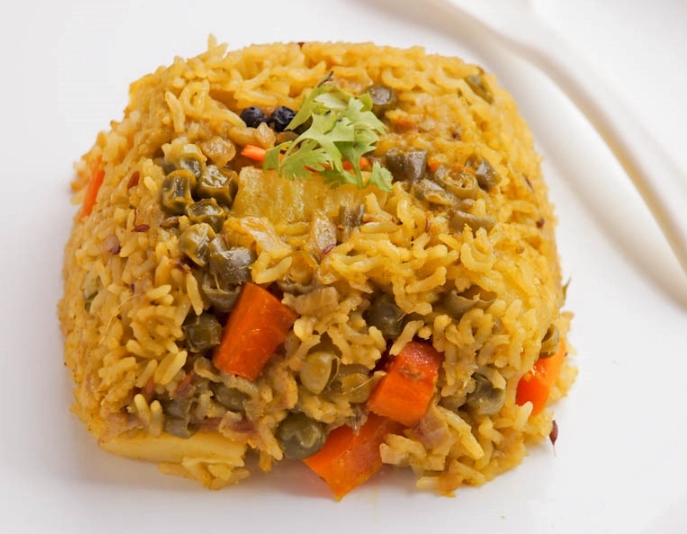
These aren't "cheat" meals or simplified versions for foreigners. They are deeply rooted in Indian home cooking, born from practicality, regional ingenuity, and a genius understanding of how flavors develop when ingredients cook together slowly. From the royal biryanis of the North to the humble but fierce khichdi enjoyed across the subcontinent, the one-pot approach is a staple. And the best part? They are incredibly forgiving. Don't have a specific vegetable? Swap it. Want more protein? Toss in some chickpeas. It's hard to mess up.
So, What Exactly Makes a Dish an "Indian One-Pot Meal"?
Good question. It seems simple, but there's a bit of nuance. At its core, an Indian one-pot meal is a complete dish where the starch (rice, lentils, sometimes even bread like dumplings), protein (lentils, beans, meat, or paneer), and vegetables are all cooked together in a single cooking vessel. The magic happens in that pot. The rice absorbs the spiced broth, the lentils break down to thicken the sauce, and the vegetables soften, releasing their sweetness. Everything marries together.
It's different from, say, making a curry and then cooking rice separately. Here, the rice is part of the dish itself, soaking up all the flavor. This method not only saves on cleanup but also creates a depth of taste that's hard to achieve when components are cooked separately. The technical term often thrown around is "Dum" cooking, where the pot is sealed to trap steam and aroma. But you don't need a special pot for most of these recipes—a heavy-bottomed Dutch oven or a deep skillet with a tight-fitting lid works wonders.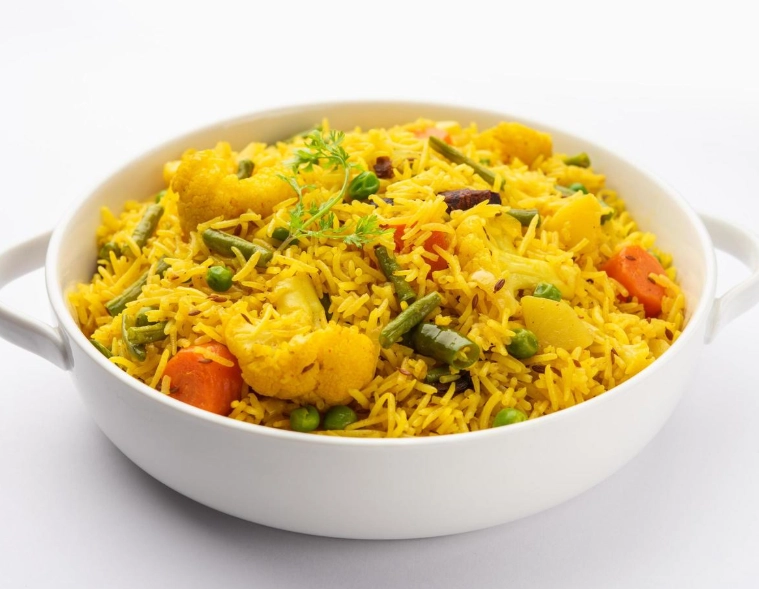
Think of it as the ultimate fusion of ingredient and technique.
A Quick Journey Through the Main Types
Indian one-pot meals aren't a monolith. They vary wildly by region, ingredient, and occasion. To make sense of it all, let's break them down into some broad, easy-to-understand categories. This table should give you a clear picture of where to start based on what you're craving.
| Type | Key Characteristic | Prime Example | Perfect For |
|---|---|---|---|
| The Rice & Lentil Union | Ultimate comfort food, often mushy, spiced lightly, easy to digest. | Khichdi (sometimes called kitchari) | Weeknight dinners, sick days, detox meals. |
| The Spiced Rice Pilaf (Biryani/Pulao) | Fragrant, layered, often with meat or vegetables, grains remain separate. | Vegetable Pulao, Chicken Biryani | Weekend feasts, entertaining, meal prep. |
| The Hearty Stew (With Embedded Starch) | Brothy, soupy, with dumplings or broken wheat cooked within. | Dhokli nu Shaak (Gujarati stew with wheat dumplings) | Cold nights, a different texture experience. |
| The "Everything-In" Curried Rice | Rice cooked directly in a spiced, saucy base with veggies/protein. | Tomato Rice, Egg Pulao, Keema Pulao (spiced minced meat rice) | Quick lunches, using up leftovers, kid-friendly meals. |
See? There's a whole world beyond just biryani. My personal gateway drug was a simple tomato rice. It's not fancy, but when you sauté onions, ginger, garlic, add spices, throw in chopped tomatoes until they melt into a sauce, and then stir in rice and water to cook… the result is shockingly good for the effort. It tastes like more work than it is, which is the hallmark of a great Indian one-pot meal.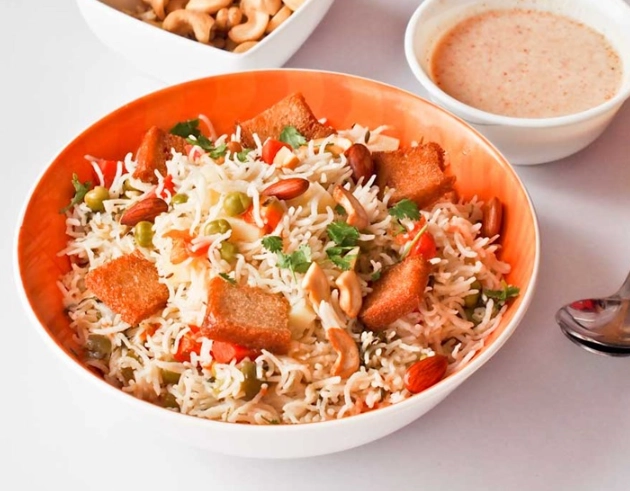
Pro Tip: The "Tadka" Can Be Flexible
Many recipes will tell you to start with tempering whole spices in oil or ghee (the tadka). This is non-negotiable for flavor. But here's a secret: you can do this in the same pot before adding everything else. No need for a separate tiny pan. Just heat your oil in the main pot, crackle the cumin/mustard seeds, add your aromatics, and proceed. One pot, remember?
The Unbeatable Benefits (Beyond Just Less Dishes)
Obviously, washing one pot instead of four is a huge win. But the advantages of cooking Indian one-pot meals run deeper.
Flavor Infusion: This is the big one. When rice cooks in a spiced broth with lentils and vegetables, it absorbs that flavor in every single grain. You don't get that when you spoon a curry over plain rice. The flavor is integrated, cohesive, and profound.
Nutrition Lock-In: Because everything cooks together with minimal water (just enough to cook the rice/lentils), fewer water-soluble vitamins leach out and get poured down the drain. The nutrients stay in the pot, in your food.
Meal Prep King/Queen: Almost every Indian one-pot meal tastes better the next day. The flavors continue to meld. Making a big pot of vegetable pulao or chana biryani on a Sunday means you have fantastic lunches ready to go for days. They reheat beautifully.
Budget-Friendly: These dishes are masters of stretching inexpensive ingredients. A handful of lentils, a cup of rice, and a few vegetables transform into a hearty, protein-rich meal that can feed a family. It's economical cooking at its finest.
I've found that a well-spiced one-pot meal also reduces the need for elaborate side dishes. A simple raita (yogurt sauce) or a crunchy papad on the side is more than enough. It simplifies the entire meal planning process.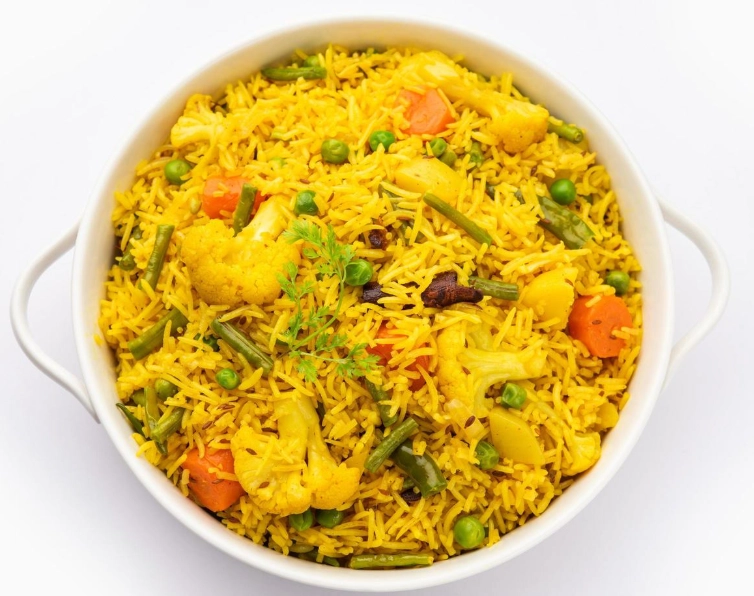
Your Foundation: The Core Spices & Pantry Staples
You don't need a sprawling spice cabinet to start. A few key players will get you 90% of the way there. Let's demystify them.
The Essential Spice Kit for One-Pot Wonders
Whole Spices (for the initial tadka): Cumin seeds, black mustard seeds, dried red chilies, cinnamon sticks, green cardamom pods, cloves, bay leaves. Buy them small and use them fresh—they lose potency over years.
Ground Spices (for the main flavor base): Turmeric (for color and earthiness), red chili powder (or Kashmiri chili for color without too much heat), coriander powder, cumin powder, garam masala (add at the END of cooking).
The Aromatics (non-negotiable): Onions, garlic, ginger, and fresh green chilies. Grate the ginger and garlic if you're short on time—it blends in seamlessly.
The Base: Long-grain basmati rice (soak it for 20-30 mins for longer grains), split red lentils (masoor dal), split yellow lentils (moong dal), or chickpeas (canned are fine for speed).
A common mistake is dumping all the ground spices in at once with the onions. To avoid a raw, dusty taste, add your ground spices (turmeric, coriander, etc.) after the onions are soft and translucent. Let them cook in the oil for just 30 seconds to a minute until fragrant. This "blooms" the spices, unlocking their full flavor potential. It makes a world of difference.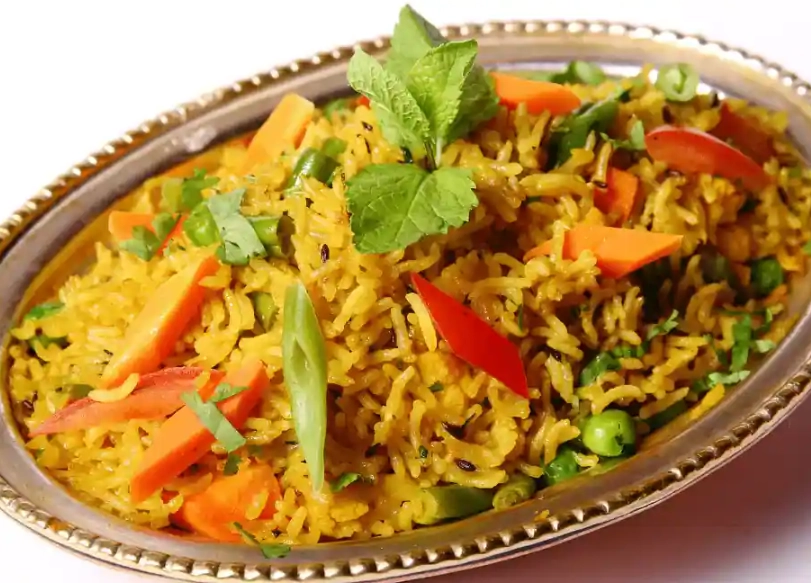
A Word of Caution on Garam Masala
Garam masala is a finishing spice. If you add it at the beginning with other ground spices and let it cook for 30 minutes, its delicate, floral notes will vanish, leaving behind a faint bitterness. Stir it in during the last 5 minutes of cooking, or even right after you turn off the heat. Trust me on this.
Let's Get Practical: Breaking Down Two Classic Recipes
Enough theory. Let's look at how this comes together in two very different, very popular Indian one-pot meals.
1. The Humble Hero: Yellow Moong Dal Khichdi
This is the ultimate comfort food across India. It's soothing, easy to digest, and incredibly simple. The goal is a soft, porridge-like consistency.
The Process: Rinse 1 cup of basmati rice and 1/2 cup of split yellow moong dal together until the water runs clear. Soak for 15 minutes (you can skip this, but it helps). In your pot, heat ghee or oil. Add 1 tsp cumin seeds and let them sizzle. Add a pinch of asafoetida (hing) if you have it—great for digestion. Throw in a few slices of ginger and 1-2 chopped green chilies. Drain the rice/dal and add it to the pot. Stir for a minute. Add 1 tsp turmeric and 1 tsp salt. Pour in 4.5 cups of water. Bring to a boil, then reduce to the lowest simmer, cover, and cook for 20-25 minutes until mushy. Stir in a handful of chopped cilantro. Done.
My twist: Sometimes I add a cup of frozen mixed vegetables (peas, carrots, corn) with the rice for extra nutrition. It's not traditional, but it works. Serve with a dollop of ghee and yogurt. The ultimate soul food.
2. The Flavor Bomb: Simple Vegetable Pulao
This is a step up from khichdi, where the grains stay separate and fluffy, infused with the aroma of whole spices and vegetables.
The Process: Soak 1.5 cups of basmati rice for 30 minutes. In your pot, heat oil or ghee. Add 1 bay leaf, 4 green cardamom pods, 4 cloves, and a 1-inch cinnamon stick. Let them become fragrant. Add 1 sliced onion and cook until golden brown. This step is crucial for color and sweetness. Add 1 tbsp ginger-garlic paste and sauté. Now add your vegetables—1 cup potatoes, 1 cup carrots, 1 cup peas (fresh or frozen) are classic. Stir. Add 1 tsp cumin powder, 1 tsp coriander powder, 1/2 tsp turmeric, and salt. Cook for 2 minutes. Drain the rice and add it to the pot, stirring gently to coat. Pour in 2.5 cups of hot water (the general rule is 1:1.5 ratio of rice to water for soaked basmati). Bring to a boil, reduce heat to low, cover tightly, and cook for 15 minutes. Turn off the heat and let it sit, covered, for another 10 minutes. THEN fluff with a fork. Stir in garam masala and cilantro.
The biggest mistake here is peeking. That steam is precious. Let the rice cook undisturbed. The final "rest" off the heat is what ensures the bottom doesn't burn and the top layer cooks through perfectly.
Answers to the Questions You're Probably Asking
I've gotten a lot of questions from friends trying these recipes. Here are the big ones.
Taking It Further: Regional Gems to Explore
Once you're comfortable with the basics, a whole universe of regional Indian one-pot meals opens up. These are dishes that tell a story of their homeland.
Bisi Bele Bath from Karnataka: A glorious, tangy, spicy mishmash of rice, lentils, and vegetables, loaded with a special spice blend and finished with a shower of ghee and cashews. It's a flavor explosion.
Ven Pongal from Tamil Nadu: The savory cousin of khichdi, made with rice and split yellow moong dal, generously peppered with black pepper, cumin, and ginger. It's a temple offering and a beloved breakfast, often served with coconut chutney.
Rajma Chawal... but combined? While traditionally rajma (kidney bean curry) is served with separate rice, some home cooks make a quick "rajma chawal" one-pot by cooking the pre-soaked beans with rice and spices together. It's not classic, but it's a fantastic weeknight hack.
Exploring these regional specialties can be fascinating. To understand the cultural context of dishes like Bisi Bele Bath, looking at resources from official Indian cultural or tourism portals, such as Incredible India's focus on regional cuisine, can provide authentic background.
Don't be afraid to experiment.
The Final, Most Important Piece of Advice
Recipes for Indian one-pot meals are guides, not laws. Your stove's "low" might be hotter than mine. Your tomato might be juicier. The beauty of these dishes is their resilience. If it looks dry near the end of cooking and the rice isn't done, add a splash of hot water. If it's too wet at the end, leave the lid off for a few minutes on low heat.
Start with a simple vegetable pulao or a dal khichdi. Get a feel for the process. Notice how the smells change—from the sharp aroma of tempering spices to the earthy smell of turmeric cooking out, to the final, mouth-watering steam when you lift the lid.
It's a rewarding way to cook. You get to enjoy the process, not just the result. And at the end, you have a pot full of warm, fragrant, satisfying food, and a sink that isn't terrifying. That, in my book, is a perfect dinner.
So, grab a pot, your basic spices, and give it a try. The world of Indian one-pot meals is waiting, and it's a lot easier to join than you think.
Discussion