Quick Navigation
- The Core Framework of a Typical Indian Dinner
- A Visual Guide: Common Weeknight Dinner Combinations
- Regional Variations: The "Common" Dinner Changes with the Landscape
- What It's NOT: Busting the "Butter Chicken" Myth
- Top 5 Most Common Elements You'll Find on an Indian Dinner Plate
- Answering Your Burning Questions (FAQs)
- Final Thoughts: The Soul of the Meal
If you've ever found yourself typing "What is the most common Indian dinner?" into a search bar, you're not alone. It's a deceptively simple question with a wonderfully complex answer. The thing is, asking about the most common Indian dinner is a bit like asking about the most common European meal—it depends so much on where you are, who you're with, and what day of the week it is. There's no single "national dish" that gets eaten from Kashmir to Kanyakumari every single night. Instead, there's a beautiful, vibrant tapestry of regional staples, seasonal ingredients, and family traditions that come together on the dinner plate.
But that doesn't mean we can't find some common threads. After spending a lot of time talking to friends, reading, and yes, eating my way through countless home-cooked meals, I've realized that the "common Indian dinner" is less about one specific recipe and more about a reliable, comforting framework. It's a template that millions of homes follow, filled in with local flavors.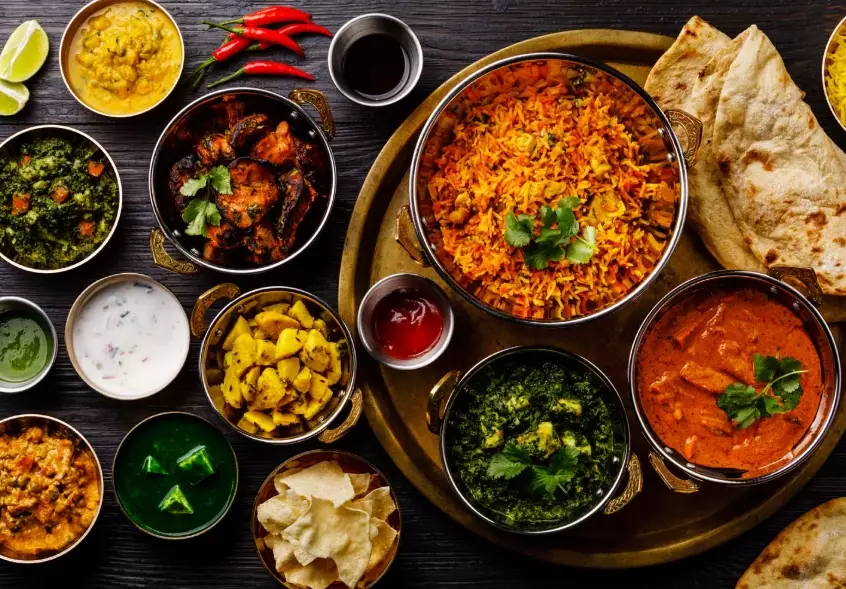
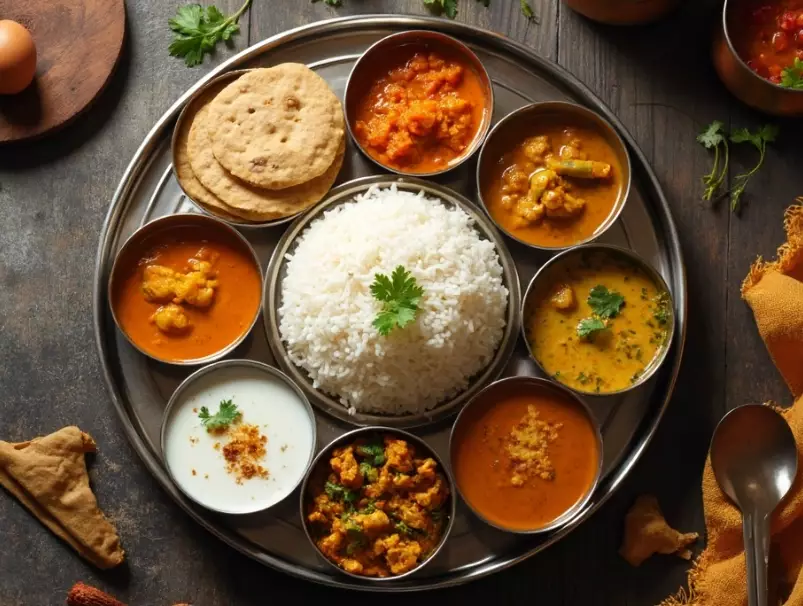
Let's break that template down, because understanding the components is key. I remember being invited to a friend's family dinner in Delhi. The table wasn't overflowing with restaurant-style butter chicken and naan. It was simple: a big pot of steaming rice, a bowl of yellow dal tempered with cumin and garlic, a dry potato and cauliflower sabzi, a small bowl of cucumber raita, and a lone mango pickle. It was humble, it was delicious, and it felt incredibly nourishing. That, to me, is the real answer to "what is the most common Indian dinner?".
The Core Framework of a Typical Indian Dinner
Forget the buffet lines. The real magic happens in home kitchens. The structure is logical and designed for both nutrition and taste.
The Non-Negotiables: Dal and Sabzi
You will be hard-pressed to find an Indian home where dal (lentils) is not a weekly, if not daily, star. It's the ultimate comfort food and a primary source of plant-based protein. The type of dal changes—masoor (red lentils) cook fast, toor dal (pigeon peas) is classic for sambar, moong dal (split mung beans) is light and easy to digest. The preparation varies too, from the thin, watery "dal chaawal" (dal and rice) that's the ultimate sick-day food, to richer, creamier versions like dal makhani (though the authentic home version uses far less cream than the restaurant one, trust me).
Then comes the sabzi, or vegetable dish. This is where seasonality and region shine. In winter, you might find saag (leafy greens like mustard or spinach) or gobi aloo (cauliflower and potatoes). In summer, it could be lauki (bottle gourd) or tinda (apple gourd). The cooking style can be "wet" (a curry with gravy) or "dry" (a stir-fry). A second, simpler vegetable dish, like a quick fry of okra (bhindi) or spiced green beans, is also common.
The Foundation: Rice or Roti?
This is a major fork in the road. In much of North, West, and Central India, dinner is often built around roti, chapati, or phulka—unleavened whole wheat flatbreads cooked fresh on a tawa (griddle). They're warm, soft, and perfect for scooping up dal and sabzi.
In the South, East, and coastal regions, rice is the undisputed king. Steamed white rice is the fluffy, absorbent base for soupy sambar, flavorful rasam, or various vegetable curries. In many homes, especially in the South, you might even have both rice and a few rotis on the table. The choice often comes down to family habit and what feels more satisfying that day.
Which is better? That's a debate you don't want to start. It's purely personal and regional.
The Supporting Cast: Raita, Pickle, and Salad
No Indian dinner plate is complete without its accompaniments. These aren't afterthoughts; they're essential flavor and texture regulators.
- Dahi/Raita: Plain yogurt (dahi) or a mixed veg raita (with cucumber, tomato, or boondi) provides a crucial cooling contrast to spicy dishes and aids digestion. It's almost non-negotiable.
- Achar (Pickle): A tiny spoonful of mango, lime, or mixed vegetable pickle adds an intense hit of salty, sour, spicy, and umami. It wakes up the entire palate.
- Kachumber/Salad: A simple, raw salad of sliced onions, cucumbers, tomatoes, and maybe radish, often with a squeeze of lime and a sprinkle of chaat masala. It adds crunch and freshness.
A Visual Guide: Common Weeknight Dinner Combinations
To make this even clearer, here’s how that framework translates into actual meals on different days. This table reflects the kind of rotation you might see in a typical, say, Punjabi or North Indian urban household.
| Day / Mood | Dal / Lentil Dish | Vegetable Dish (Sabzi) | Accompaniments | Base (Rice/Roti) |
|---|---|---|---|---|
| Quick Weeknight | Masoor Dal (Red Lentils) - quick-cooking, simple tempering with cumin and garlic. | Aloo Gobi (Dry Potato & Cauliflower stir-fry) | Cucumber Raita, Onion slices | Fresh Rotis |
| Comfort Food Night | Dal Tadka (Yellow lentils with a sizzling oil tempering of red chilies & garlic) | Bhindi Masala (Okra cooked with onions & spices) | Plain Dahi (Yogurt), Lemon Pickle | Steamed Rice or Roti |
| Weekend "Special" (Still Homely) | Rajma (Red Kidney Bean curry) - a thicker, richer protein dish | Mix Veg (Assorted vegetables in a mild curry) + Paneer Bhurji (Scrambled cottage cheese) | Boondi Raita, Kachumber Salad | Both Rice and Roti likely served |
| Light Dinner | Moong Dal (light yellow mung lentils) | Lauki Ki Sabzi (Bottle gourd cooked with chickpea flour) | Buttermilk (Chaas) | 1-2 Phulkas (thin rotis) |
See the pattern? Protein + Veggies + Fresh element + Carb. It's a timeless formula.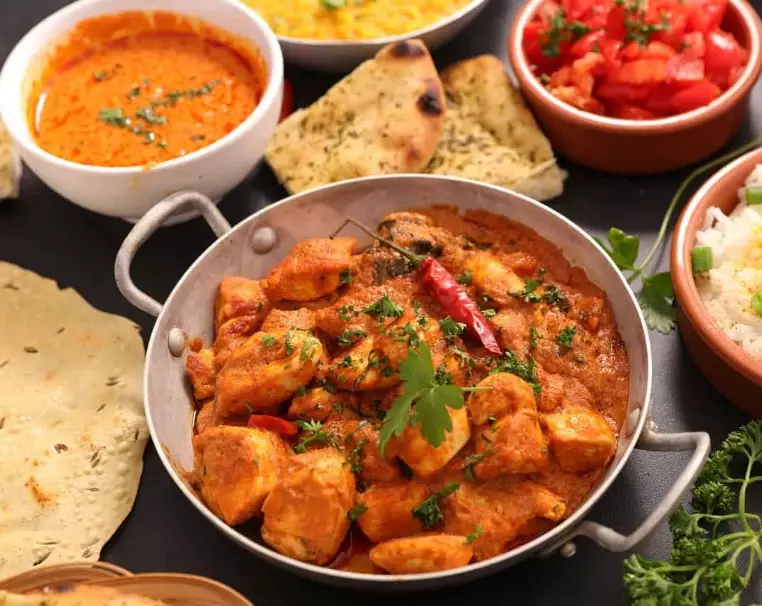
Regional Variations: The "Common" Dinner Changes with the Landscape
Now, if you travel across India, the answer to "what is the most common Indian dinner?" starts to shift in beautiful ways. The template holds, but the ingredients change dramatically.
- Sambar: A hearty, tamarind-based lentil and vegetable stew. The Institute of Food Technology often cites sambar as a nutritional powerhouse due to its combination of pulses and vegetables.
- Rasam: A peppery, tangy, thin soup-like dish, almost a digestive.
- Poricha Kootu / Aviyal: Vegetable preparations often with coconut and yogurt base.
- Curd Rice: Rice mixed with yogurt and tempered—a classic, cooling finish to the meal.
In a Bengali home, fish is often the star protein, not dal. A typical dinner might be rice, a piece of fried or curried fish (like rohu or hilsa), a lentil dish (like moong dal), a vegetable preparation (shukto or a simple chorchori), and ending with a sweet like mishti doi. The sequence and emphasis are different.
In Gujarat, the flavors lean sweet and sour. Dinner could be rotli (rotis), dal (often a sweet dal like meethi dal), a shaak (vegetable curry), and bhakhri (a thicker roti). The use of jaggery and kokum is distinct.
This regional diversity is what makes the question so fascinating. The government's Incredible India tourism portal does a great job of showcasing this culinary variety, though it's often geared toward restaurant fare. The home versions are usually simpler and less oily.
What It's NOT: Busting the "Butter Chicken" Myth
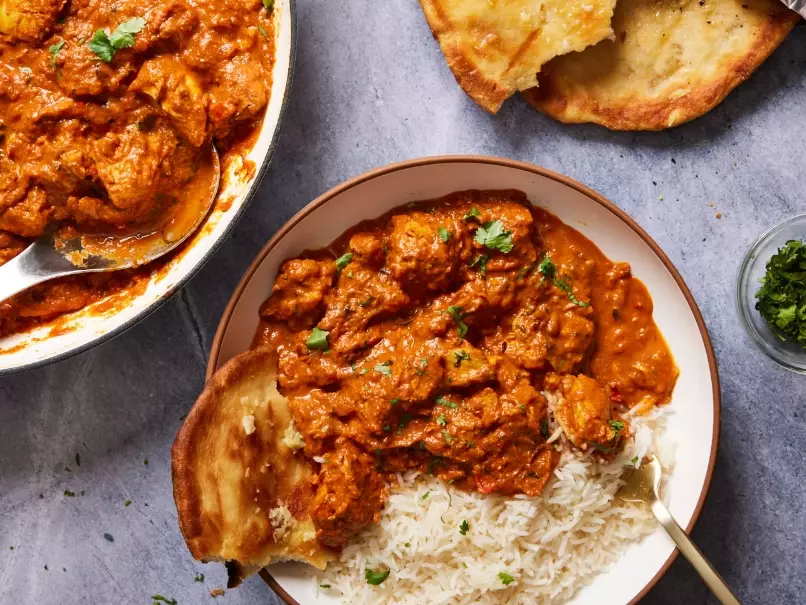
This is crucial. When people in the West think of Indian food, they often think of rich, creamy, restaurant dishes like butter chicken, palak paneer, chicken tikka masala, and piles of garlic naan. Let's be real.
Those are celebration foods, weekend treats, or restaurant specialties. They are not what most people cook on a Tuesday night after work. They are often too rich, time-consuming, and heavy for daily consumption. The average home-cooked dal is far less creamy than dal makhani. The average sabzi uses a fraction of the oil and cream you find in restaurant versions. Naan is a tandoor-bread, not a daily staple in most homes where roti is king.
So, if your idea of the most common Indian dinner is butter chicken and naan, you're thinking of the festive version, not the daily staple. The real deal is humbler, healthier, and more varied.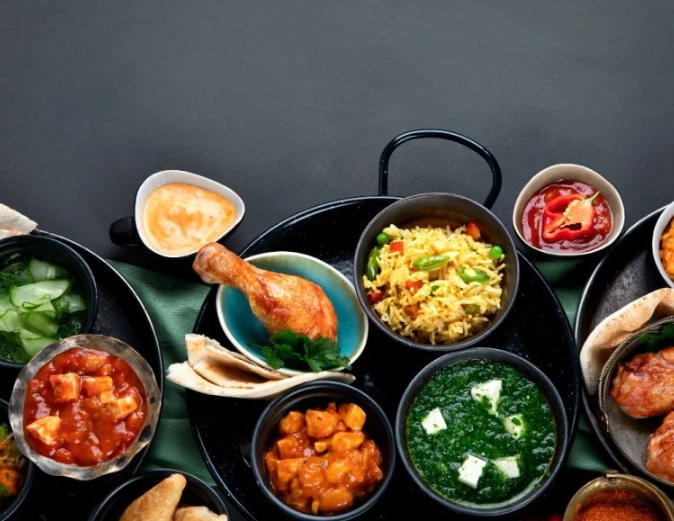
Top 5 Most Common Elements You'll Find on an Indian Dinner Plate
Based on the framework, here's a ranked list of the components you're most likely to encounter, in order of prevalence.
- Dal or a Legume-Based Dish: The undisputed champion. It's cheap, nutritious, and endlessly versatile.
- Freshly Made Roti or Steamed Rice: The carb foundation. Which one wins depends on your latitude, but one of them is always present.
- Seasonal Vegetable Preparation (Sabzi): At least one, often two. This is how families get their daily dose of veggies.
- Yogurt (Dahi) or Raita: The digestive and cooling agent. It's considered essential for balancing the meal.
- Raw Onions or a Simple Salad: That crunch and pungent bite. It's the simplest, most common form of fresh garnish.
Notice how pickle, papad, or rich curries don't make the top five for *daily* meals. They're frequent guests, but not permanent residents.
Answering Your Burning Questions (FAQs)
Let's tackle some of the specific questions people have when they're searching for "what is the most common Indian dinner?".
Is a typical Indian dinner vegetarian?
A huge portion is, yes. India has a significant vegetarian population due to cultural and religious practices. So, the dal-sabzi-roti-rice framework is the default for millions. However, in non-vegetarian households, especially in coastal, Bengali, or Punjabi communities, meat, chicken, or fish will replace the dal or be an addition a few times a week. But even then, vegetable dishes remain on the table.
Is Indian dinner very spicy?
This is a big misconception. Home food is seasoned, not necessarily "hot." Spice blends (masalas) are used for depth of flavor—cumin, coriander, turmeric, fennel. The use of fresh green chilies or red chili powder is adjustable. The food has warmth and complexity, but it's not about setting your mouth on fire. The World Health Organization's guidelines on balanced diets align well with the home-cooked Indian meal's emphasis on pulses, vegetables, and whole grains, with spice as flavor, not just heat.
What time do Indians eat dinner?
Generally later than Western norms. In many households, especially in the North, dinner can be as late as 9:00 or 10:00 PM. This is often because workdays end late, and people might have chai and snacks in the evening. In South India, it might be slightly earlier, around 8:00 or 8:30 PM. It's a social, relaxed meal, not a rushed affair.
Do they eat dessert after dinner every day?
Not really. Daily dinners usually end with fresh fruit (a banana, some slices of mango in season) or a small bowl of yogurt/curd rice. Elaborate sweets like gulab jamun or jalebi are for festivals, guests, or special occasions. The daily meal is pragmatic.
How can I cook a common Indian dinner at home?
Start simple. Don't try to make five things. Pick one dal (like a basic masoor dal), one dry sabzi (like aloo gobi), and learn to make simple rotis or just cook some rice. Buy a good quality pickle and have some yogurt on hand. That's your complete, authentic template. It's less intimidating than it seems.
Final Thoughts: The Soul of the Meal
So, after all this, what's the final answer to "What is the most common Indian dinner?"
It's a warm, fragrant plate that balances nutrition, economy, and deep flavor. It's adaptable, changing with the seasons and the region. It's often vegetarian but not always. It's rarely the heavy, creamy fare of restaurants.
The true essence lies in its homeliness and balance. It’s food designed to nourish a family after a long day, to be shared, and to provide comfort through familiar tastes. It's dal that's been cooked the same way for generations, rotis rolled by hand, and vegetables bought from the local market.
Next time you wonder about the most common Indian dinner, picture that simple, complete plate—it tells a richer story than any single dish ever could.
Discussion