Quick Guide
- What Exactly Is Indian Lentil Curry?
- Why Bother Making It From Scratch? (The Health & Flavor Payoff)
- Your Lentil Cheat Sheet: Picking the Right One
- The Spice Rack: Your Flavor Arsenal
- The Step-by-Step Framework: Building Your Curry
- Common Questions & Problems (And How to Fix Them)
- Beyond the Basics: Regional Twists & Variations
- The Final Word: Just Start Cooking
Let's be honest. The first time I tried to make an Indian lentil curry, it was a disaster. I threw some red lentils in a pot with water, added a spoonful of generic curry powder from the back of my spice cabinet, and ended up with a bland, mushy soup that tasted nothing like the fragrant, comforting bowls I'd had at my favorite restaurant. It was frustrating. I knew there was magic in there somewhere—the kind of dish that's both simple and deeply complex, humble but packed with flavor. I just didn't know how to unlock it.
So I started digging. I talked to friends from different parts of India, pored over cookbooks (I still love the detail in Madhur Jaffrey's work), and burned more than a few batches of spices until I figured it out. What I learned is that a great Indian lentil curry isn't about one single recipe. It's a framework. A way of building layers of flavor that can adapt to whatever you have in your pantry, whatever kind of lentil you fancy, and whatever you're in the mood for.
Maybe you're here because you want a healthy, cheap, and satisfying meal. Maybe you're newly vegetarian and looking for protein-packed ideas. Or maybe, like me, you just had a bad dal experience and need a reliable guide. Whatever the reason, this is the guide I wish I'd had. We're going to move beyond just a list of ingredients and steps. We'll talk about the why behind the what, the common pitfalls, and the little tweaks that make all the difference. We'll cover everything from choosing your lentils to that final, essential drizzle of tempered spices (the *tadka*). Let's get into it.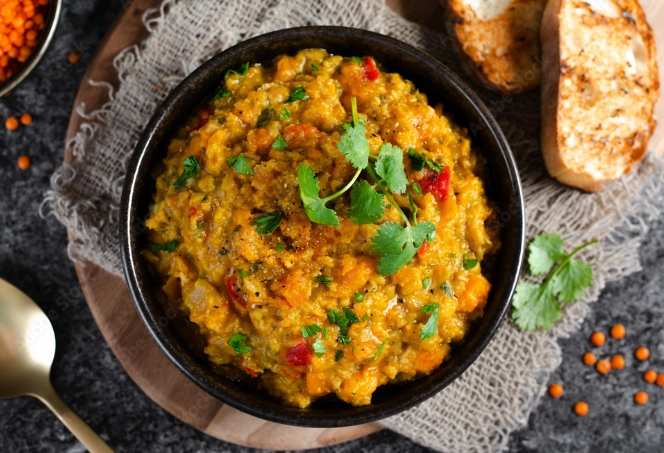
What Exactly Is Indian Lentil Curry?
First things first, let's clear up the name. In India, this dish is most commonly called dal (or daal). The word refers to both the dried, split pulses (lentils, peas, beans) and the stew made from them. So when you say "dal," you could be talking about the bag of yellow lentils in your cupboard or the steaming bowl of curry on your table. "Indian lentil curry" is the perfect English translation for what we're making—a spiced, soupy, or thick stew centered around lentils.
It's a cornerstone of Indian home cooking. Think of it like the mashed potatoes or meatloaf of an Indian household—utterly dependable, endlessly variable, and deeply comforting. It's served with rice (that classic dal-chawal combo) or with breads like roti or naan for scooping. The beauty of a simple Indian lentil curry is its balance: it's nutritious, filling, and incredibly flavorful without being overly heavy or rich.
Why Bother Making It From Scratch? (The Health & Flavor Payoff)
You could buy a jar of curry sauce, sure. But have you ever looked at the ingredient list? It's often a novel of preservatives, stabilizers, and sugars. When you make an Indian lentil curry from the ground up, you control everything.
On the health front, lentils are a superstar. They're loaded with plant-based protein and fiber, which keeps you full for hours. They're packed with iron, folate, and magnesium. According to nutrient data from the USDA FoodData Central, a single cup of cooked lentils provides about 18 grams of protein and 15 grams of fiber. That's a serious nutritional punch for a few pennies.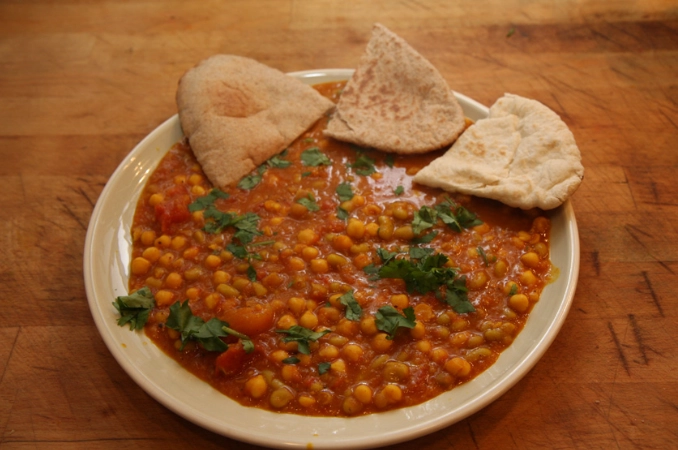
But for me, the bigger win is the flavor. Pre-made sauces can't replicate the depth you get from toasting whole spices and building a proper *tadka*. That fresh, aromatic, customized flavor is what makes a homemade Indian lentil curry so special. It tastes alive.
Your Lentil Cheat Sheet: Picking the Right One
This is where most beginners get stuck. Walk into any store with an international aisle, and you'll see bags labeled Masoor Dal, Toor Dal, Moong Dal... it's confusing. The type of lentil you choose dramatically changes the final texture and cooking time of your curry.
Here’s a quick breakdown of the most common players in the Indian lentil curry game:
| Lentil Type (Common Name) | Indian Name | Color & Form | Cooking Time | Final Texture | Flavor & Notes |
|---|---|---|---|---|---|
| Red Lentils | Masoor Dal (split & skinned) | Salmon-orange, split | 15-20 mins | Breaks down completely, creamy | Mild, sweet. Perfect for beginners. Turns golden when cooked. |
| Yellow Split Peas | Toor/Arhar Dal | Yellow, split | 30-45 mins | Holds some shape but can be creamy | The classic for Sambhar. Earthy, distinct flavor. |
| Split Mung Beans | Moong Dal (yellow) | Yellow, small and split | 20-25 mins | Soft but retains slight texture | Very mild, easy to digest. Often used in light, everyday dals. |
| Whole Brown/Green Lentils | Sabut Masoor | Whole, lens-shaped | 40-50 mins | Firm, holds its shape | Earthy, peppery. Makes a hearty, stew-like curry. |
| Chana Dal | Chana Dal | Yellow, split, chickpea variety | 45-60 mins (soak advised) | Firm, nutty, granular | Sweet, nutty flavor. Needs longer cooking. |
My personal recommendation for your first few attempts? Red lentils (Masoor Dal) or yellow split mung beans (Moong Dal). They cook fast, don't require soaking, and are very forgiving. They give you that classic, creamy Indian lentil curry texture without much fuss. Save the Chana Dal for when you're feeling more adventurous.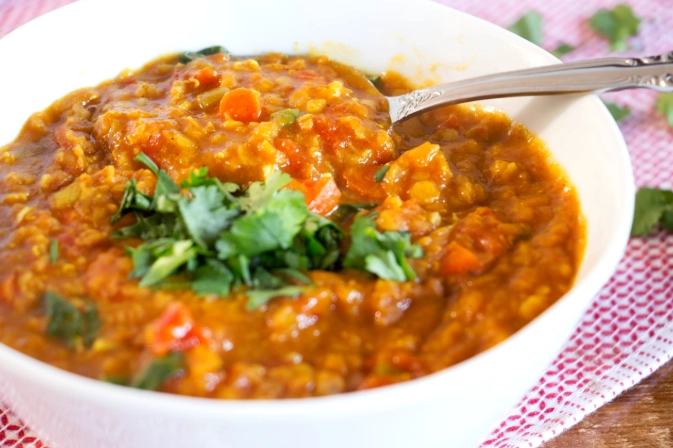
The Spice Rack: Your Flavor Arsenal
You don't need a hundred spices. You just need a few key ones and to understand their roles. Forget that pre-mixed "curry powder." Building your spice profile from individual components is the secret.
The Essential Whole Spices (for the *Tadka*):
- Cumin Seeds (Jeera): The nutty, warm backbone. They crackle in oil and release an incredible aroma.
- Mustard Seeds (Rai/Sarson): Tiny black or yellow seeds that pop like popcorn when heated in oil. They add a pungent, sharp note.
- Dried Red Chilies: For heat. You can use whole (milder) or broken (hotter). You remove them before eating if you don't want the full blast.
- Asafoetida (Hing): This is a secret weapon. A pungent resin used in tiny pinches. It has an umami, almost garlicky-oniony flavor and is famous for aiding digestion (of lentils!). It's strong, so start with a tiny amount.
The Essential Ground Spices (for the base):
- Turmeric (Haldi): Gives that iconic golden color and has a warm, earthy bitterness. It's also a powerful anti-inflammatory.
- Coriander Powder (Dhania): Citrusy, sweet, and floral. It's a major flavor builder. Don't skip it.
- Cumin Powder (Jeera Powder): More intense and concentrated than the seeds. Adds depth to the curry base.
- Red Chili Powder (Lal Mirch): For direct heat and color. Adjust to your tolerance.
- Garam Masala: The "warming spice mix." It's a blend (cinnamon, cardamom, cloves, etc.) added at the end of cooking for a fragrant finish. Don't cook it for long or it turns bitter.
The Step-by-Step Framework: Building Your Curry
Okay, let's cook. This isn't just one recipe; it's the master template. I'll give you the basic proportions, but feel free to adjust. Cooking is about tasting, not just following.
Part 1: Cooking the Lentils
Rinse 1 cup of red or yellow lentils thoroughly. Put them in a pot with 3 cups of water, 1/2 teaspoon of turmeric, and a pinch of salt. Bring to a boil, then reduce to a simmer. Skim off any white foam that rises to the top. Cook uncovered for 15-25 minutes (depending on lentil) until completely tender. They should mash easily between your fingers. If it gets too thick, add a bit more hot water. You're aiming for a thick soup consistency. Season with salt to taste. Set this aside.
Part 2: Making the Flavor Base (The *Bhuna*)
In a separate pan (or you can use the same pot after setting the lentils aside), heat 2 tablespoons of oil or ghee over medium heat. Ghee (clarified butter) is traditional and adds a rich, nutty flavor, but a neutral oil works fine.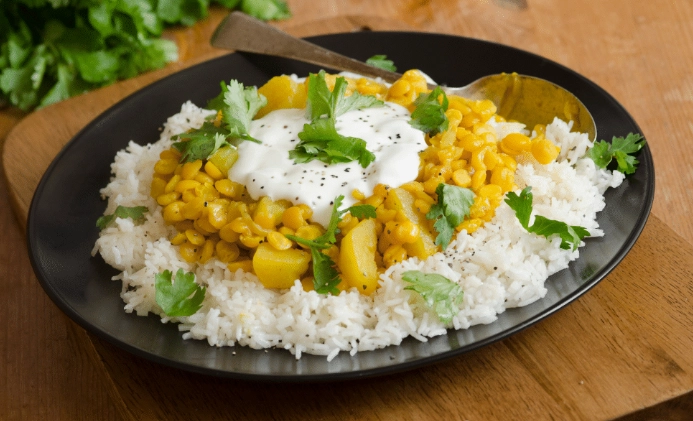
Add 1 teaspoon of cumin seeds and let them sizzle for 30 seconds. Then add 1 medium finely chopped onion. Cook, stirring often, until the onion turns deep golden brown. This is crucial. Don't rush this step. It takes a good 10-15 minutes. Those caramelized onions are a huge flavor foundation.
Add 1 tablespoon of minced ginger and 1 tablespoon of minced garlic. Cook for another minute until the raw smell disappears. Then add 1-2 chopped tomatoes (or 1/2 cup canned crushed tomatoes). Cook until the tomatoes break down and the oil starts to separate from the mixture. This is the "bhuna" stage—you're frying the spices and cooking out the raw tomato acidity.
Now, add your ground spices: 1 teaspoon coriander powder, 1/2 teaspoon cumin powder, and 1/2 teaspoon red chili powder (or to taste). Stir constantly for about 60 seconds. This "blooms" the spices in the oil, unlocking their full flavor. If the mixture sticks, add a splash of water.
Part 3: The Grand Union & Final *Tadka*
Pour the cooked lentils into the pan with the spice base. Stir everything together. Let it simmer together for 5-10 minutes so the flavors marry. Add water if needed to get your desired consistency. Stir in 1/2 teaspoon of garam masala. Turn off the heat.
Now, the pièce de résistance: the final tempering (*tadka* or *chaunk*). In a small saucepan, heat 2 tablespoons of ghee or oil over medium-high heat. Add 1/2 teaspoon of mustard seeds. When they start to pop, add 1/2 teaspoon of cumin seeds, 2 dried red chilies, and a generous pinch of asafoetida (hing) if using. Let it sizzle for just 30 seconds—be careful not to burn.
Immediately pour this sizzling, aromatic oil and all the spices over the top of your finished Indian lentil curry. It will sizzle dramatically. Don't stir it in just yet—let the fragrant oil sit on top for a minute.
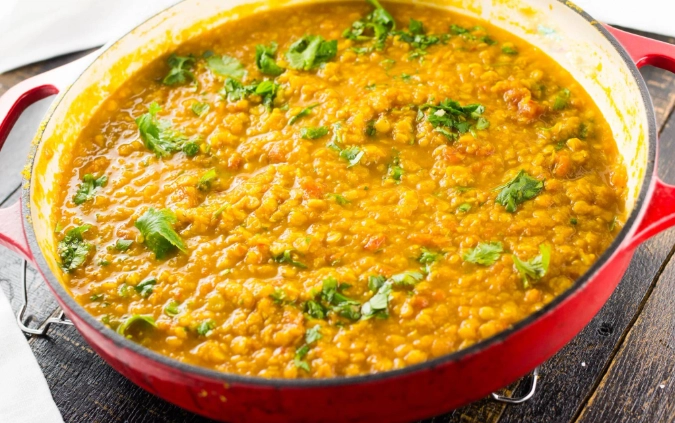
Finally, garnish with fresh cilantro. Serve hot with basmati rice or warm roti.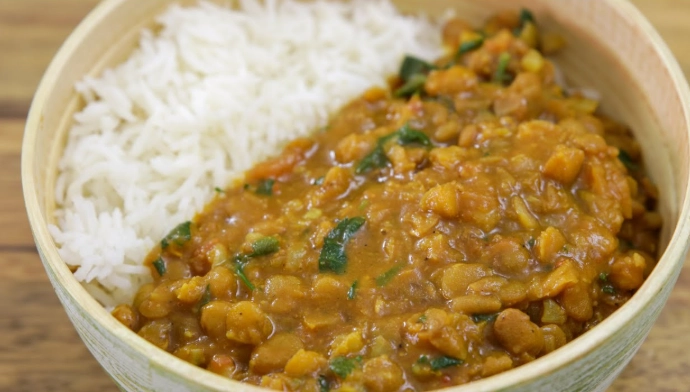
Common Questions & Problems (And How to Fix Them)
Beyond the Basics: Regional Twists & Variations
Once you've mastered the basic template, a world of variations opens up. The basic Indian lentil curry is like a blank canvas.
For a Creamy Twist: Stir in a few tablespoons of coconut milk or heavy cream at the very end. This is common in South Indian and some Gujarati styles.
For a Tangy Kick: Add a splash of lemon juice or tamarind paste at the end. Or use kokum (a dried fruit). This sour note is fantastic.
Loaded Vegetable Dal: Add chopped spinach, kale, carrots, or potatoes to the pot with the lentils. You get a one-pot meal.
Different *Tadka* Styles: Try a North Indian-style *tadka* with garlic slices fried until golden. Or a South Indian one with curry leaves, urad dal, and mustard seeds. The BBC Food guide to Indian cuisine has great inspiration for these regional differences.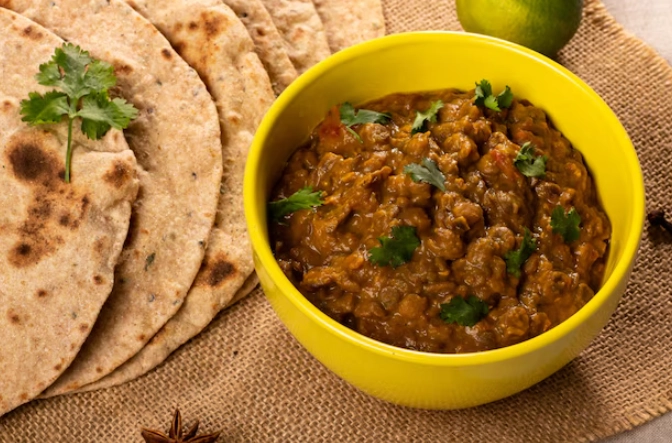
The Final Word: Just Start Cooking
Look, you can read about Indian lentil curry forever. The best thing you can do is to just try it. Get a bag of red lentils, some cumin seeds, and a can of tomatoes. Follow the framework. Your first attempt might not be perfect—mine certainly wasn't. Maybe you'll burn the cumin seeds a little (it happens to everyone). Maybe it'll be a bit too spicy or not spicy enough.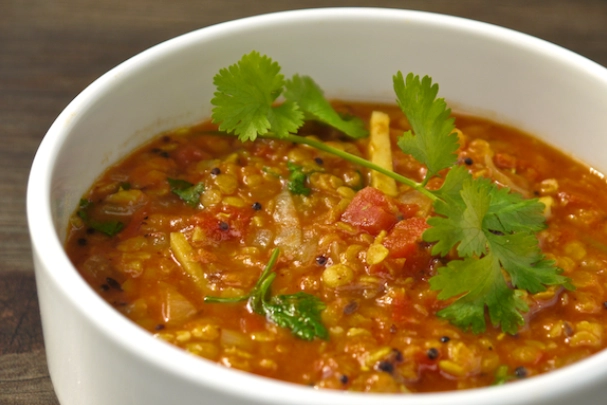
But you'll learn. You'll taste the difference when you let the onions caramelize properly. You'll hear the magic sizzle of the *tadka*. And soon, you'll be adjusting the recipe without thinking—a bit more ginger today, some spinach from the fridge, a squeeze of lemon.
That's the real goal. Not to rigidly follow a recipe, but to internalize the method so you can make a delicious, nourishing Indian lentil curry anytime the mood strikes. It's a skill that will feed you for a lifetime. So, what are you waiting for? Go rinse those lentils.
Discussion