Quick Navigation
Let's be honest. The first time you look at an Indian recipe, it can feel like you're trying to decipher an ancient code. A list of spices longer than your arm, techniques with foreign names, and the lingering fear that it's just going to taste... wrong. I remember my first attempt at a curry. I used "curry powder" from the back of my cupboard, threw in some chicken and coconut milk, and ended up with a bland, vaguely yellow soup that bore zero resemblance to the vibrant, aromatic dishes I loved at restaurants. It was disheartening.
But here's the secret I wish someone had told me back then: Indian home cooking, at its heart, is approachable, logical, and deeply satisfying. It's not about memorizing a hundred complex recipes. It's about understanding a few foundational principles. Once you get those, a whole world of flavor opens up. This guide is the one I needed when I started. We're going to strip away the intimidation and focus on the absolute essentials for beginners. No fancy chef skills required, just a willingness to learn and taste.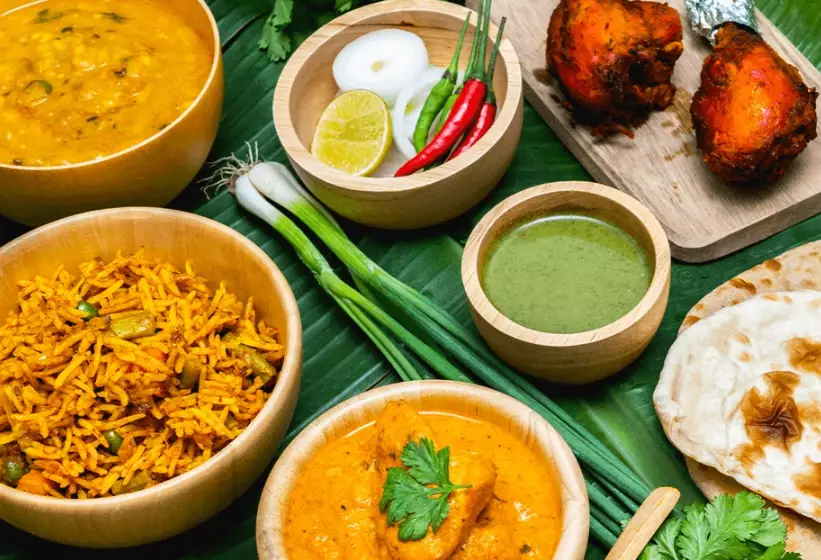
So, if you've ever searched for how to cook Indian food for beginners and felt overwhelmed, take a deep breath. You're in the right place. We're starting from zero.
The Big Picture: Indian cooking is built on layers of flavor. You don't just dump everything in a pot. You build the dish step-by-step, toasting spices, cooking onions until they're just right, and letting ingredients meld together. Think of it as painting, not photocopying.
Your First and Most Important Mission: The Spice Rack
This is where most beginners either give up or go bankrupt trying to buy everything at once. Don't do either. You don't need fifty jars. You need a small, powerful starter kit. Forget the generic "curry powder"—it's a bland, one-note shortcut that won't teach you anything. Real Indian cooking uses individual spices, combined in different ways.
Here’s the non-negotiable shortlist. Get these whole where possible (they stay fresh longer and you can toast them), but ground is okay to start.
The Essential Spice Pantry for Beginners
| Spice | Form to Buy | What It Tastes Like & Why You Need It | A Beginner Recipe to Use It In |
|---|---|---|---|
| Cumin Seeds (Jeera) | Whole seeds | Earthy, nutty, warm. The absolute backbone of North Indian cooking. Often the first spice in the oil. | Every single curry, dal (lentil soup), and rice pilaf. |
| Coriander Seeds | Ground powder | Citrusy, sweet, floral. The balancing act. It rounds out harsh flavors and adds depth. The most used ground spice. | Butter Chicken, any vegetable curry. |
| Turmeric (Haldi) | Ground powder | Earthy, slightly bitter, vibrant yellow. Provides color and a foundational earthy flavor. Has anti-inflammatory properties too. | Literally everything. It's in 90% of Indian dishes. |
| Garam Masala | Ground blend | A warm, sweet blend of spices like cardamom, cinnamon, cloves. The "finishing touch." Added at the end for aroma. | Sprinkled on finished dishes like Butter Chicken or Paneer Tikka. |
| Red Chili Powder | Ground powder (Kashmiri is milder) | Heat and color. Kashmiri chili powder gives a bright red color without insane heat—perfect for beginners. | Adjust to your taste in any curry. Start with 1/2 tsp. |
See? Just five core players. With these, you can make a shocking number of authentic dishes. Store them in a cool, dark place (not over the stove!). Ground spices lose their punch after about 6 months. Whole spices last years.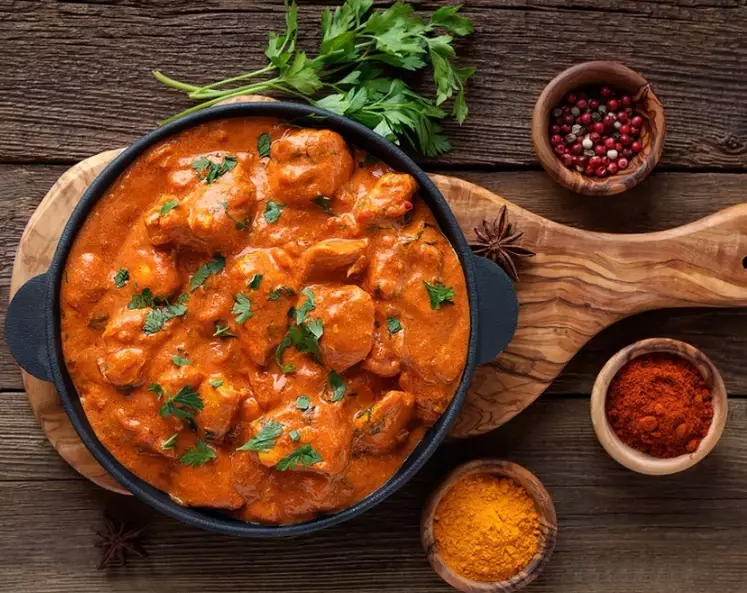
My Mistake: I bought a giant bag of cheap, pre-ground cumin once. It tasted like dust. It ruined two pots of dal before I figured it out. Spend a little more on fresh, good-quality spices from an Indian grocery store or online spice merchant. The flavor difference is night and day. Trust me.
The Tools You Actually Need (It's Not Much)
You don't need a tandoor oven. Your standard kitchen is fine. But a couple of items will make your life infinitely easier.
- A Heavy-Bottomed Pot or Dutch Oven: This is your workhorse. Thin pots will burn your spices and onions. You need even, consistent heat. A 4-5 quart size is perfect.
- A Good Spatula or Wooden Spoon: For all that stirring and scraping up the tasty bits (the "fond") from the bottom of the pot.
- A Small Frying Pan/Skillet: For dry-toasting spices. A game-changer for flavor.
- A Blender or Food Processor: For making smooth onion-tomato pastes or creamy sauces. An immersion blender works too.
- A Spice Grinder or Mortar & Pestle: A cheap coffee grinder dedicated to spices is ideal for grinding whole toasted spices. A mortar and pestle works for small quantities and is oddly therapeutic.
That's really it. No exotic gear.
Your First Three Recipes: No-Fail Foundations
Let's move from theory to practice. These three dishes are the pillars of learning how to cook Indian food for beginners. They teach you the core techniques and build your confidence.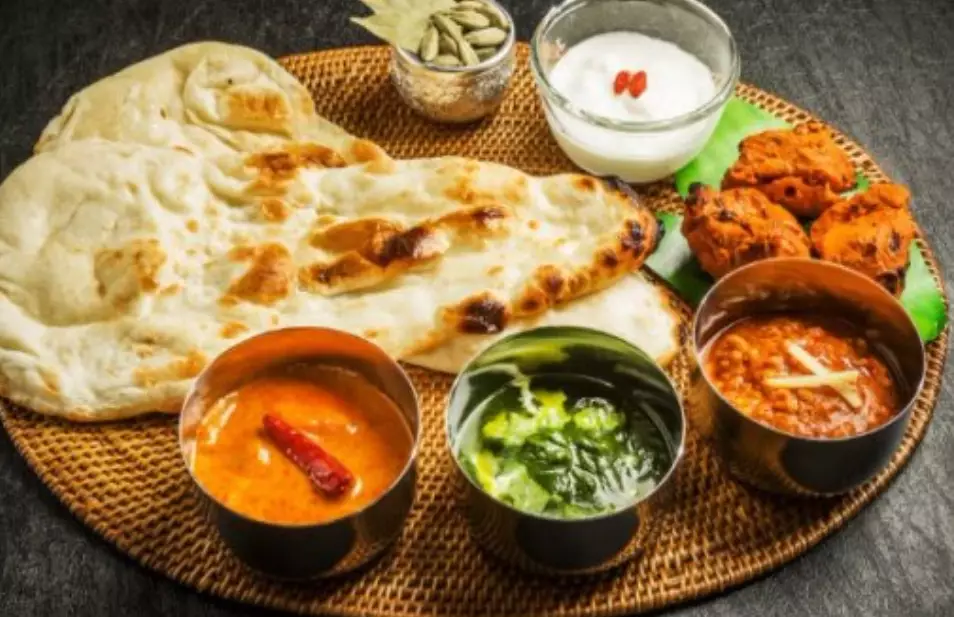
1. The Gateway Curry: Easy Butter Chicken (Murgh Makhani)
This is the perfect first project. It's creamy, mildly spiced, and universally loved. It teaches you the classic onion-tomato-garlic-ginger paste base, how to use cream/yogurt, and when to add garam masala.
Beginner's Twist: Use boneless, skinless chicken thighs. They're more forgiving and stay juicy even if you overcook them a bit. Marinate them in yogurt, ginger-garlic paste, and a pinch of turmeric for at least 30 minutes (or overnight) for tender, flavorful meat.
The process? Sauté whole spices (cumin, cardamom), cook down a puree of onions, tomatoes, and ginger-garlic until the oil separates (this is KEY—it means the raw taste is gone), add your spices (coriander, turmeric, chili), then the marinated chicken. Simmer, finish with cream, butter, and a sprinkle of garam masala. Serve with rice or naan. The first time you nail this, you'll feel like a kitchen wizard.
2. The Comfort Food: Simple Dal (Spiced Lentil Soup)
If you want to learn about spices, start with dal. It's humble, cheap, and the soul of an Indian meal. A simple yellow dal (using split pigeon peas or red lentils) is your blank canvas.
Cook the lentils until soft. In a separate small pan, heat oil or ghee. Add cumin seeds and watch them sizzle and pop. Add a pinch of asafoetida (hing—optional, but authentic), dried red chilies, and maybe some garlic. Pour this sizzling, fragrant oil (called a "tadka" or "chaunk") over the cooked dal. The sound and aroma are incredible. This technique of tempering whole spices in hot oil and adding them at the end is fundamental. It's how you learn to "hear" and "smell" when your spices are ready.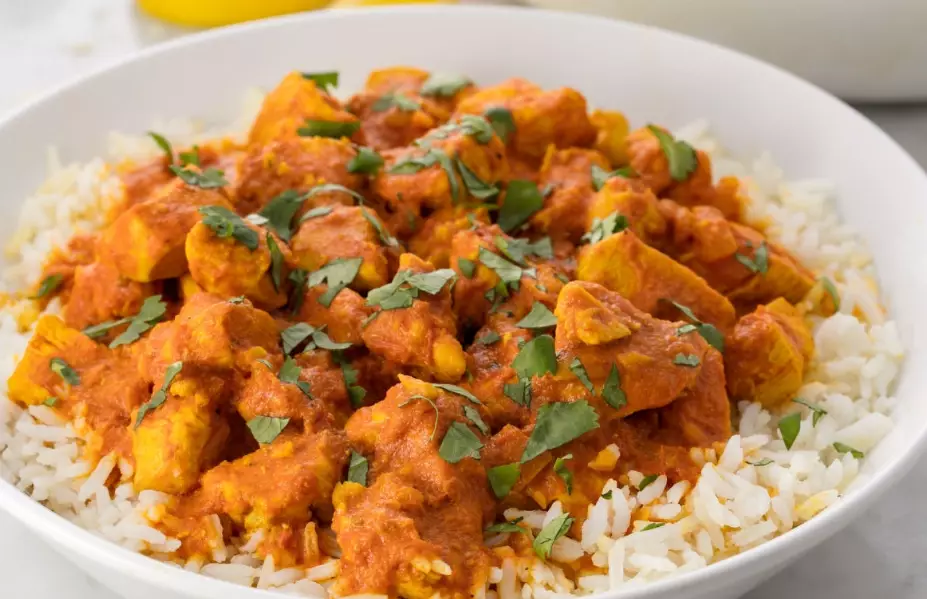
3. The One-Pot Wonder: Simple Vegetable Curry (Sabzi)
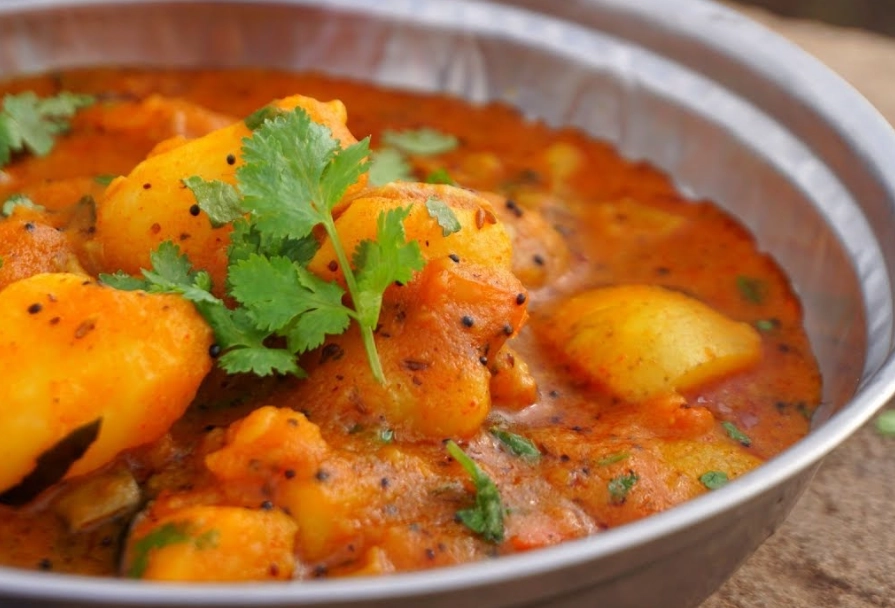
Pick a sturdy vegetable—cauliflower, potatoes, green beans. The method is similar to the butter chicken base but simpler. Sauté onions, add ginger-garlic, spices, then your chopped veggies. Add a little water, cover, and let them steam-cook in the spiced mixture. Finish with fresh cilantro. It’s a quick, healthy weeknight meal that puts your spice knowledge to work.
See the pattern? Sauté base, add spices, cook main ingredient, finish. That's the rhythm.
Five Mistakes Every Beginner Makes (And How to Avoid Them)
I've made all of these. Repeatedly. Learn from my pain.
- Not Toasting Your Spices: Adding ground spices directly to a cold wet mixture can make them taste raw and dusty. For whole seeds (cumin, mustard), toast them in a dry pan for 30-60 seconds until fragrant. For ground spices, add them to the hot oil *after* your onions/ginger are cooked, and "cook" them for a minute. This unlocks their oils and flavor.
- Rushing the Onions: That step that says "cook onions until golden brown"? It means it. It can take 10-15 minutes on medium heat. If your onions are still white and crunchy, your curry base will be sharp and lack sweetness. Be patient. This is where the flavor foundation is built.
- The "Oil Separation" Fear: Recipes always say "cook until the oil separates from the masala paste." It sounds weird. You'll see little droplets of oil pooling around the edges of your onion-tomato mixture. This is a GOOD sign. It means the water has cooked out and the spices have fried properly in the fat. Don't skip this step thinking it's too oily.
- Using the Wrong Pan: That thin, cheap non-stick pan? It will create hot spots, burn your delicate spices in seconds, and leave you with a bitter-tasting mess. Use a heavy pot. I can't stress this enough.
- Not Tasting as You Go: Indian cooking is intuitive. Recipes give guidelines, but your tomatoes might be more acidic, your chili powder might be hotter. Taste after adding major ingredients. Needs more salt? A pinch of sugar to balance acidity? More lime juice at the end? Your tongue is your best tool.
Watch Out: Adding dairy (yogurt, cream) to a very hot, boiling sauce can cause it to curdle. To prevent this, take the pot off the heat for a minute, stir in a spoonful of the hot sauce into your cream/yogurt to temper it, then stir that mixture back into the pot on low heat.
Answering Your Big Questions (FAQ)
Let's tackle the stuff that keeps popping up in my head when I first started, and in every beginner forum.
Putting It All Together: Your First Week Plan
Feeling motivated? Here’s a simple plan to get you cooking immediately.
- Day 1: The Spice Run. Get your five essential spices (cumin seeds, ground coriander, turmeric, garam masala, Kashmiri chili powder). Grab some basmati rice, an onion, a couple tomatoes, ginger, garlic, and some chicken thighs or red lentils.
- Day 2: Practice the Base. Make the onion-tomato-ginger-garlic paste. Sauté it in your heavy pot. Practice cooking it until you see those oil droplets separate. Season with just salt and pepper. Taste the transformation. You just made the start of a hundred curries. Use it as a pasta sauce base if you want!
- Day 3: Cook Dal. It's hard to mess up. Focus on the tempering (tadka) at the end. Listen to the cumin seeds sizzle.
- Day 4: Go for Butter Chicken. Marinate the chicken in the morning. Follow a trusted recipe step-by-step. Don't rush the steps.
- Day 5: Leftovers & Rice. Learn to cook basmati rice. Rinse it until the water runs clear. Use the absorption method (1 cup rice to 1.5 cups water, bring to boil, cover, lowest heat for 15 mins, let rest). Fluff with a fork.
The goal isn't perfection. It's familiarity. The smells, the sounds, the process.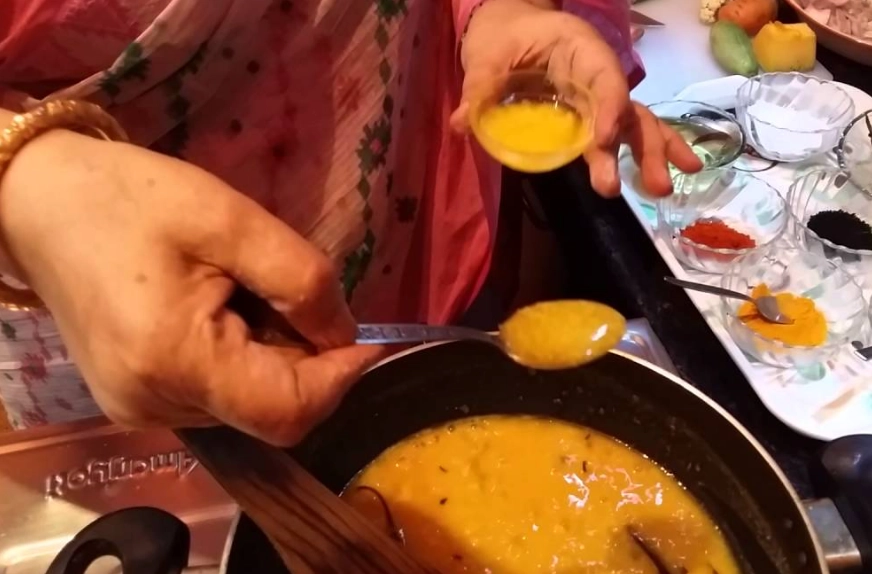
Final Thought: My journey learning how to cook Indian food for beginners was messy. There were bland pots and burnt spices. But the first time I made a dal that actually tasted "right," and my kitchen smelled like my favorite restaurant, it was pure magic. That moment is worth every misstep. Start simple, be kind to yourself, and most importantly, enjoy the food you make. That's the whole point.
You've got this. Now go turn on the stove.
Discussion