In This Guide
Let's be honest. The world of Indian lentil recipes can seem a bit... much at first. Dal this, tadka that, toor, masoor, what does it all mean? I remember staring at bags of different lentils in the store, completely frozen, before just grabbing the cheapest one and hoping for the best. The result was, predictably, a mushy, bland pot of something that only vaguely resembled the glorious, aromatic dals I'd had at restaurants.
I'm here to tell you it doesn't have to be that way. Cooking Indian lentils, or dal, is one of the most forgiving and rewarding things you can do in the kitchen. It's the ultimate comfort food, a nutritional powerhouse, and the cornerstone of countless Indian meals. This guide isn't about fancy chef techniques. It's about getting a reliably delicious pot of lentils on your table, whether it's a Tuesday night or you're feeding a crowd. We'll walk through the lentils themselves, the non-negotiable spices, some can't-fail recipes, and all the little tricks that make a big difference.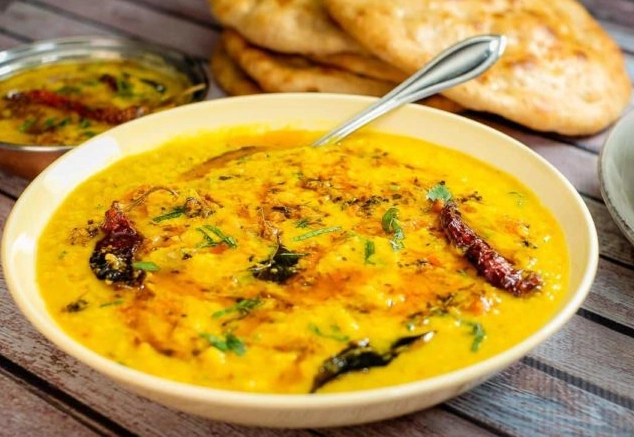
First Things First: Getting to Know Your Lentils
You can't talk about Indian lentil recipes without knowing your players. Not all lentils are created equal. Some fall apart into a creamy soup, others hold their shape. Using the wrong one is the first step to recipe disappointment. Here’s the lowdown on the most common ones you'll encounter.
| Lentil (Common Indian Name) | What It Looks Like | Texture When Cooked | Best For | My Honest Take |
|---|---|---|---|---|
| Masoor Dal (Red Lentils) | Small, orange-red, split & skinless | Cooks very fast, breaks down completely into a smooth, creamy puree. | Quick soups, creamy dals, thickening stews. The ultimate beginner-friendly lentil. | These are my weeknight heroes. They cook in 20 minutes flat. Just don't expect them to stay whole—they turn a golden yellow color. |
| Toor/Arhar Dal (Pigeon Peas) | Yellow split peas | Soft but retains a slight texture, creates a lovely, slightly grainy broth. | The classic dal tadka and sambar. This is the "default" dal for many North Indian restaurants. | The flavor is earthy and distinct. It needs a good tadka (tempering) to really shine. Can take 30-45 minutes to get tender. |
| Moong Dal (Mung Beans) | Small, yellow (split & skinless) or green (whole) | Split yellow: Breaks down nicely, very digestible. Whole green: Holds its bean shape. | Yellow: Simple, light dals, khichdi. Whole: Salads, sprouting, or curries where you want bite. | Yellow moong dal is what my mom calls "sick day food"—incredibly gentle on the stomach. The whole green ones are fantastic in a hearty curry. |
| Chana Dal (Split Chickpeas) | Looks like small, yellow split peas but chunkier | Firm, nutty, and holds its shape well. Never gets mushy. | Hearty dals, Bengali-style preparations, and as a base for spice blends. | This one has a meaty, satisfying chew. It takes the longest to cook (soak it if you can!). The flavor is robust and needs bold spices. |
| Urad Dal (Black Gram) | Whole: Black, tiny oval. Split & skinless: Creamy white. | Whole: Creamy interior with a firm skin, used for dal makhani. Split: Becomes very creamy and sticky. | Whole: Dal Makhani (the rich, buttery restaurant dal). Split: South Indian dishes, batters for dosa/idli. | Whole urad dal is a project—it requires overnight soaking and hours of simmering. The result (dal makhani) is absolutely worth it for a special occasion. The split version is a texture powerhouse. |
See? Not so scary. For your first few forays into Indian lentil recipes, I'd grab a bag of masoor dal (red lentils) or split yellow moong dal. They're forgiving, quick, and a perfect canvas for flavors.
The Heartbeat of Flavor: Understanding the Tadka
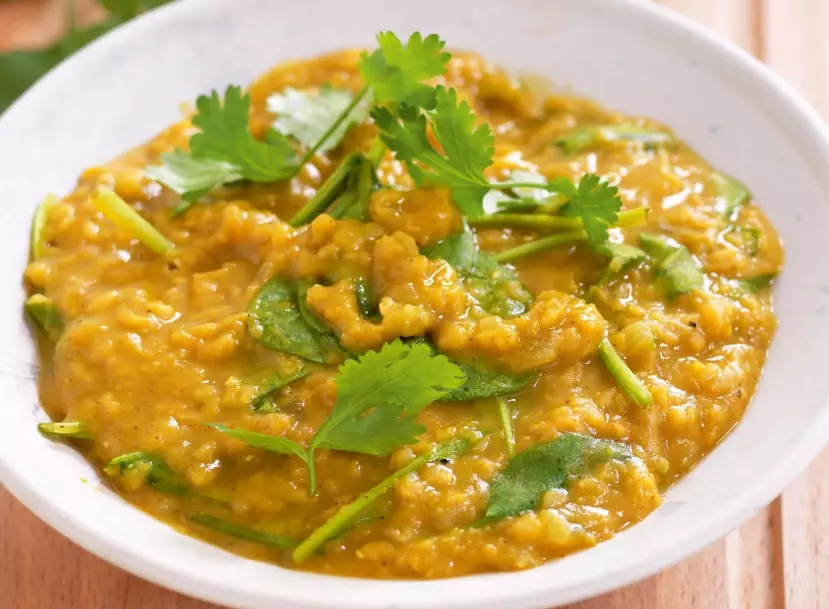
If the lentils are the body, the tadka (also called chaunk or tempering) is the soul. This is the magic step that transforms boiled lentils into a fragrant, complex dish. It's simply whole or ground spices sizzled in hot oil or ghee, which is then poured over the cooked dal. The heat "blooms" the spices, releasing their essential oils and toasting them to perfection.
Think of it as a flavor bomb you detonate at the end.
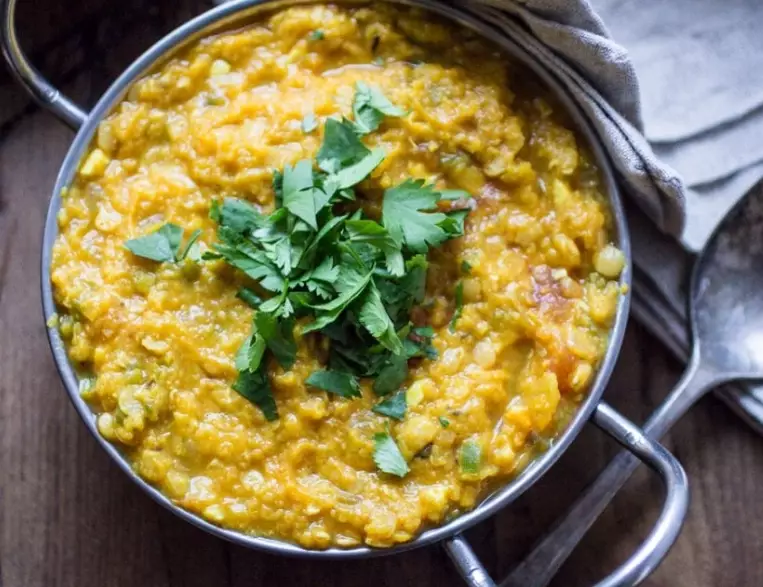
A basic, all-purpose tadka for a pot of dal includes:
- Ghee or neutral oil: Ghee adds an incomparable, rich aroma. For a vegan version, a good vegetable oil works fine.
- Cumin seeds: They crackle and pop, releasing a warm, nutty scent.
- Mustard seeds: (Black or brown) They pop like crazy and add a sharp, pungent kick.
- Dried red chilies: One or two, broken, for a gentle heat.
- Asafoetida (Hing): Just a pinch! This resinous spice has a strong, savory (almost garlic-onion) aroma when cooked and is fantastic for digestion. It's a game-changer, but use sparingly.
- Curry leaves: If you can find them (fresh or dried), add a sprig. They impart a unique, citrusy fragrance you can't replicate.
- Garlic/Ginger: Minced or sliced, added towards the end of the tadka to brown slightly.
How do you do it? Heat your fat in a small pan. Add the mustard seeds and cover for a second—they'll pop everywhere. Once they slow down, add cumin, chilies, asafoetida, and curry leaves. Let them sizzle for 30 seconds, then add garlic/ginger if using. As soon as it's fragrant (don't burn it!), pour the entire contents of the pan over your waiting pot of cooked lentils. The sizzle! The aroma! That's it.
Can't-Go-Wrong Indian Lentil Recipes to Master
Alright, let's get cooking. Here are three foundational Indian lentil recipes that cover different styles and regions. Master these, and you'll have a repertoire for life.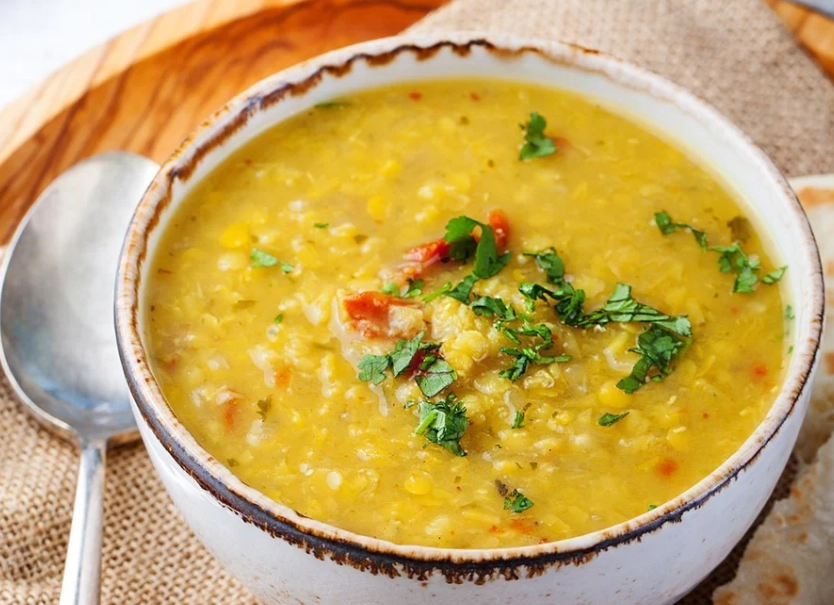
The Weeknight Savior: Classic Masoor Dal (Red Lentil Soup)
Why you'll love it: This is the quickest, easiest entry point. It's creamy, comforting, and ready in under 30 minutes. Perfect with rice or crusty bread.
What you need: 1 cup red lentils (masoor dal), 1 small onion (chopped), 1 tomato (chopped), 1 tsp turmeric, salt, and the tadka ingredients listed above.
Simple Steps: Rinse 1 cup of red lentils. In a pot, combine them with 3 cups of water, turmeric, and a pinch of salt. Bring to a boil, skim off any foam, then simmer uncovered for 15-20 minutes until completely soft and mushy. Stir occasionally. While that cooks, sauté the onion in a little oil until soft, add the tomato and cook it down into a jammy paste. Stir this mixture into the cooked lentils. Now, make your tadka in a small pan with ghee/oil, cumin, mustard seeds, a pinch of asafoetida, and a dried chili. Pour it over the dal. Stir, taste for salt, and finish with a squeeze of lemon and fresh cilantro. Done.
The Crowd-Pleaser: Restaurant-Style Dal Tadka (Tempered Lentils)
This is the iconic, buttery, smoky dal you get at Indian restaurants. The secret? Often, they use a mix of lentils and a double tempering—one during cooking, and one at the end.
- The Lentil Mix: I use ½ cup toor dal (pigeon peas) and ¼ cup masoor dal (red lentils). The toor gives body, the masoor adds creaminess. Rinse them together.
- The First Cook: Boil the lentils with turmeric, salt, and a pinch of asafoetida until very tender (about 30 mins for toor, less if pressure cooked). Mash some of it with the back of a spoon to thicken the broth.
- The Flavor Base: In a separate pan, sauté a big spoonful of ginger-garlic paste, then add a paste of blended onions, tomatoes, and green chilies. Cook it down until the oil separates—this is key for depth.
- Combine: Stir this rich masala into the cooked lentils. Let it simmer for 10 minutes.
- The Grand Finale Tadka: Here's the restaurant trick. Heat a good amount of ghee or butter (yes, be generous). Add cumin, mustard seeds, dried red chilies, and a big spoonful of finely chopped garlic. Let the garlic get golden brown. Then, right at the end, add a big pinch of Kashmiri red chili powder (for color, not just heat) and immediately pour it over the dal. The chili powder will sizzle and infuse the oil with a vibrant red color and smoky aroma. Garnish with cream (optional, but highly recommended) and cilantro.
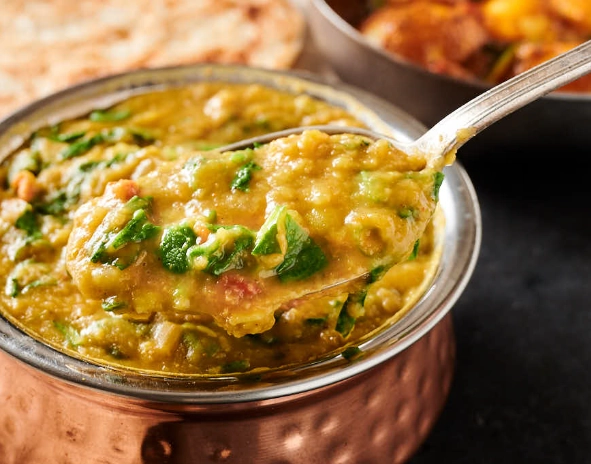
It's a bit more involved than the masoor dal, but the flavor payoff is enormous. This is the Indian lentil recipe to impress with.
The Southern Star: A Simple Sambar Framework
Sambar is a tangy, vegetable-packed lentil stew from South India. It has its own unique spice blend (sambar powder) and gets its signature sourness from tamarind.
The basic framework is flexible:
- Cook ½ cup toor dal until soft and mushy.
- In another pot, cook your vegetables in water. Classic choices are drumsticks, eggplant, okra, carrots, or pumpkin. Use what you have.
- Soak a small lemon-sized ball of tamarind in hot water for 15 minutes, then squeeze out the thick pulp and discard the seeds and fibers.
- Add the tamarind water and 2-3 tablespoons of sambar powder to the vegetables. Simmer for 10 minutes.
- Add the cooked, mashed dal. Add salt. Simmer together for another 10 minutes until the flavors meld. The consistency should be like a hearty soup.
- Make the final tadka with mustard seeds, cumin, asafoetida, curry leaves, and dried red chilies. Pour it in.
Serve it with steamed rice, idli, or dosa. It’s a complete, nutritious meal in a bowl. The beauty of Indian lentil recipes like sambar is how they stretch a small amount of lentils with lots of healthy vegetables.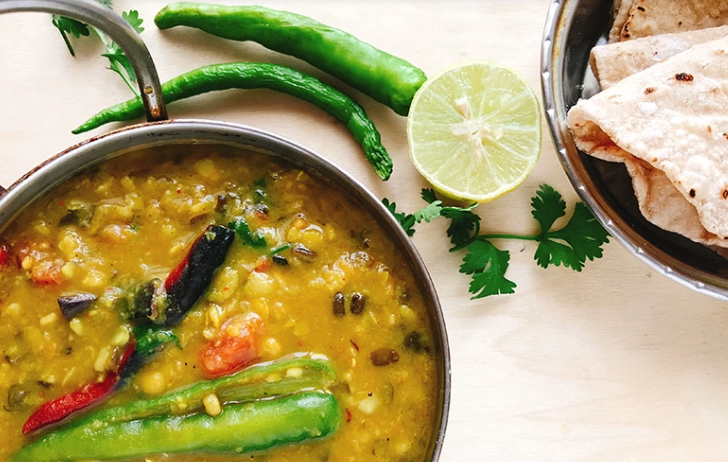
Leveling Up: Pro Tips & Common Questions
Once you've got the basics down, these little tweaks can make a massive difference.
Two words: mash and simmer. After the lentils are cooked, use a wire whisk or the back of a ladle to vigorously mash some of them against the side of the pot. Then, let the dal simmer on low heat, uncovered, for an extra 10-15 minutes. The starches release, the water evaporates a bit, and the whole thing thickens and homogenizes beautifully. This is the traditional way.
For split lentils (masoor, moong, toor), soaking isn't strictly necessary, but it does cut down cooking time by about 25%. For whole lentils (like whole urad or chana dal), a good 4-6 hour soak (or overnight) is essential unless you want to boil them for hours.
Nine times out of ten, it's under-salting or an underwhelming tadka. Salt is crucial to bring out the flavors of the lentils and spices. Add it in stages, tasting as you go. And don't be shy with the tadka. Make sure your oil/ghee is hot enough so the spices sizzle immediately, and let them cook for a good 30-45 seconds to toast properly. A raw, undercooked tadka tastes grassy and unpleasant.
I know, it smells potent in the jar. But when cooked in oil, it transforms into a savory, umami flavor that mimics onion-garlic. It's especially important in Jain cooking where alliums are avoided. A tiny pinch goes a long way. Think of it as your secret weapon for depth. You can learn more about its culinary and traditional uses from reliable sources like the National Center for Biotechnology Information which details its historical context in traditional medicine.
Beyond the Bowl: Nutrition & Making It a Meal
Let's talk nutrition for a second, because it's a huge part of why Indian lentil recipes are so brilliant. Lentils are packed with plant-based protein, fiber, iron, and folate. The combination of lentils (protein) and rice (carbohydrates) forms a complete protein, making it a sustaining meal. For detailed nutritional data on various lentils, the USDA's FoodData Central is an authoritative scientific resource you can reference.
How do you turn a pot of dal into a full meal?
- The Classic: Steamed basmati rice, a generous ladle of dal, a spoonful of yogurt (raita), and a simple salad or pickle (achar). This is the ultimate comfort plate.
- With Bread: Warm roti, naan, or paratha to scoop up the dal.
- The Power Bowl: A base of quinoa or brown rice, dal, some roasted vegetables (cauliflower, sweet potato), a dollop of chutney, and maybe a fried egg on top.
- As a Soup: Thin it out with a bit more water or broth, add some greens like spinach (added right at the end), and enjoy with crusty bread.
The versatility is endless. You can make a big pot on Sunday and eat it in different ways throughout the week.
Your Indian Lentil Recipes Questions, Answered
I get a lot of the same questions from friends starting out. Here are the straight answers.
So there you have it. A down-to-earth, hopefully-not-overwhelming guide to diving into the world of Indian lentil recipes. Start with a simple red lentil dal. Master the tadka. Don't worry if it's not perfect the first time. Mine certainly wasn't.
Discussion