Quick Navigation
- What Exactly Is Indian Pickle (Achar)?
- The Three Non-Negotiables: Ingredients That Make or Break Your Pickle
- The Heart of the Matter: The Fermentation Process Demystified
- Two Classic Indian Pickle Recipes to Start With
- Regional Variations: A Quick Tour of India in a Jar
- Your Indian Pickle FAQ: Answering the Real Questions
- Troubleshooting Common Pickle Problems
Let's be honest. The first time I tried to make Indian pickle, it was a disaster. I followed some vague instructions online, my kitchen smelled like a spice explosion for days, and the end result was... well, let's just say it was more of a science experiment gone wrong than a culinary delight. Too salty, oddly textured, and it didn't have that deep, fermented tang I was craving. That experience, frustrating as it was, sent me down a rabbit hole. I started talking to aunties, reading old cookbooks, and just experimenting in my own kitchen. And you know what? Making amazing achar at home isn't magic. It's a mix of tradition, a bit of science, and a whole lot of patience.
That's what this guide is for. I want to save you from my early mistakes. We're going to move past the intimidating lists of spices and demystify the process. Whether you're dreaming of that perfect, tangy mango pickle (aam ka achar) to go with your dal and rice, or you want to try your hand at a fiery lemon or mixed vegetable version, this is your starting point. We'll cover the why, the how, and the "what on earth went wrong" of Indian pickle recipes.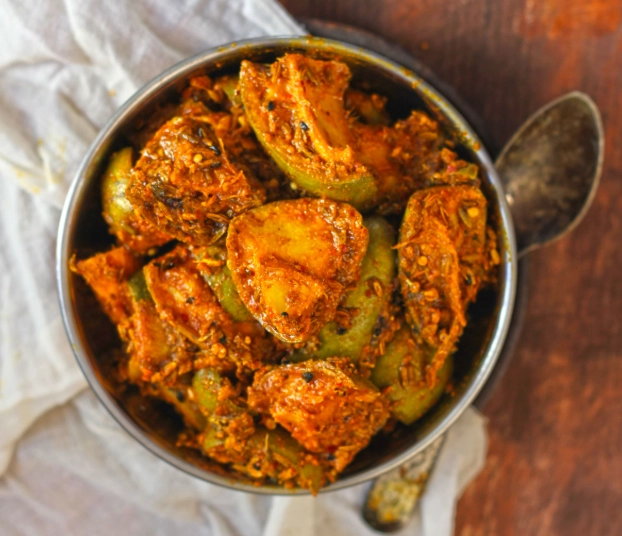
What Exactly Is Indian Pickle (Achar)?
If you're new to this, you might be picturing the dill pickles from the supermarket. Throw that idea out the window. Indian pickle, or achar, is a whole different beast. It's a condiment, a flavor bomb, an essential sidekick to countless meals. At its core, it's about preserving seasonal fruits and vegetables—like raw mangoes, limes, carrots, or even gooseberries (amla)—in a powerful blend of oil, spices, salt, and sometimes acidic agents like vinegar or lemon juice.
The magic happens through fermentation (for many traditional types) or through the preserving power of the oil and acid. The spices aren't just for heat; they add layers of flavor—mustard seeds for pungency, fenugreek for bitterness, turmeric for color and earthiness, and red chili for that kick. The oil, traditionally mustard oil for its strong flavor and preservative qualities, acts as a barrier against spoilage. The result? A condiment that's simultaneously spicy, sour, salty, and sometimes sweet, with textures ranging from crunchy to soft and jam-like.
Why go through the trouble of making it? For one, the store-bought stuff is often loaded with preservatives and excess oil. Homemade lets you control the quality of ingredients and the spice level. More importantly, it connects you to a living food tradition. A jar of homemade pickle on the table feels like a achievement.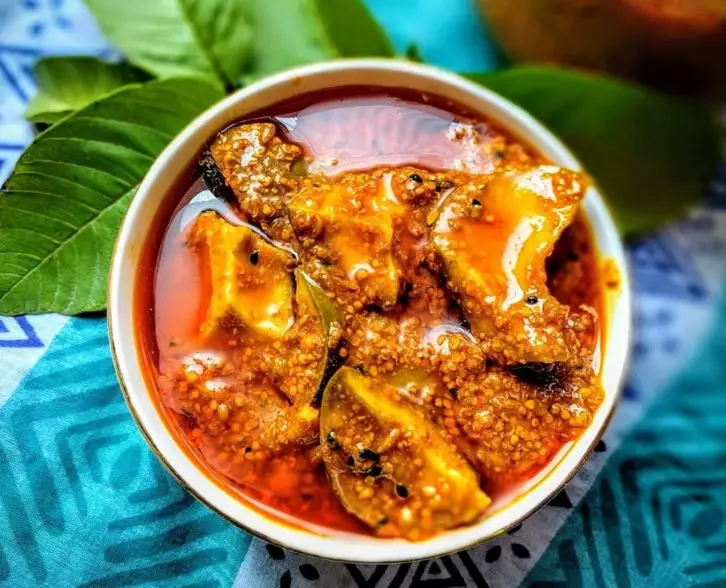
The Three Non-Negotiables: Ingredients That Make or Break Your Pickle
Before you even look at a recipe, you need to get these three pillars right. Mess up here, and your pickle might not be unsafe, but it definitely won't be great.
1. The Main Event: Your Fruit or Vegetable
Quality is everything. You want fresh, firm, and blemish-free produce.
- Mangoes (for Aam Ka Achar): This is the king of Indian pickle recipes. You need raw, green mangoes that are so sour they make your mouth pucker. The variety matters—look for ones that are specifically meant for pickling, with firm flesh. Don't use ones that are starting to turn yellow and sweeten.
- Lemons/Limes (Nimbu Ka Achar): Use small, thin-skinned lemons or key limes. Wash and dry them thoroughly. Some recipes call for pricking them with a fork to help the flavors penetrate.
- Mixed Vegetables: Go for crunchy veggies like carrots, cauliflower florets, turnips, and green beans. Parboiling (blanching) them briefly is a common trick to soften them just a bit and help with preservation.
2. The Spice Symphony
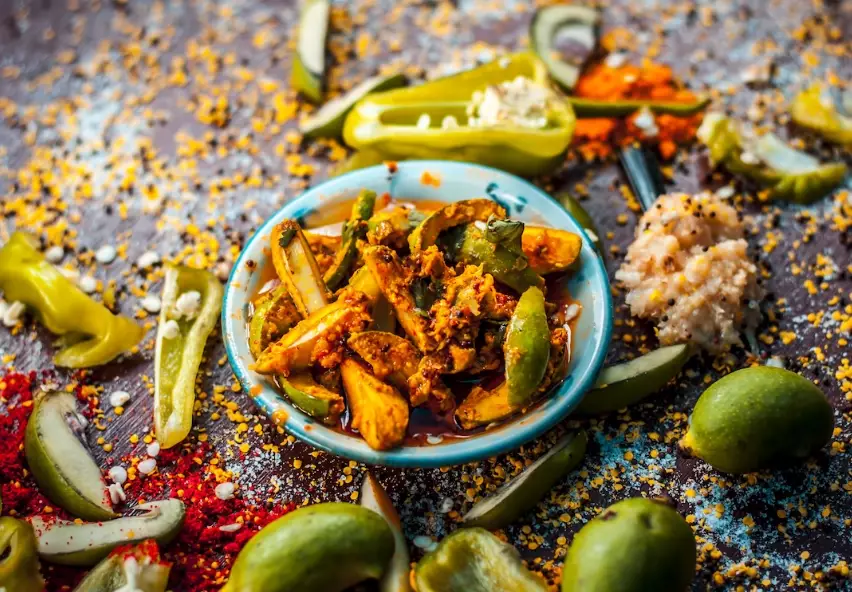
This is where the personality comes in. Buying whole spices and dry-roasting and grinding them yourself is a game-changer. The flavor is infinitely more vibrant than pre-ground powder that's been sitting on a shelf for months.
Your spice toolkit for most Indian pickle recipes will include:
- Mustard Seeds (Rai): Yellow or black. They add a sharp, pungent note. Often used whole or coarsely ground.
- Fenugreek Seeds (Methi Dana): Be careful with these. They add a wonderful, slightly bitter complexity, but too much will make your pickle unpleasantly bitter. A little goes a long way. Always dry-roast them until they are just fragrant and turn a shade darker.
- Fennel Seeds (Saunf): Used in some regional styles, they add a sweet, licorice-like note.
- Turmeric Powder (Haldi): For color and its earthy flavor. It also has natural antiseptic properties.
- Red Chili Powder: This defines the heat. You can use Kashmiri chili powder for vibrant color with moderate heat, or a hotter variety. For an incredible depth, some recipes use whole dried red chilies, roasted and coarsely pounded.
- Asafoetida (Hing): Just a pinch! This resinous spice has a strong, sulfurous aroma when raw that transforms into a savory, garlicky-onion flavor when cooked in oil. It's a classic digestive aid in Indian cooking.
3. The Preserving Medium: Oil, Salt, and Acid
This is the science part.
- Salt: Use non-iodized salt like pickling salt, kosher salt, or pure sea salt. Iodine can interfere with fermentation and discolor the pickle. Salt is not just for taste; it draws moisture out of the vegetables (creating the brine) and inhibits the growth of bad bacteria, allowing the good fermentation bacteria to thrive.
- Oil: The guardian. It creates an airtight seal on top of the pickle, preventing mold and exposure to air. Mustard oil is the traditional choice for North Indian pickles—its strong, pungent flavor is iconic. But it can be an acquired taste. Alternatives include sesame oil (for a different flavor profile) or a neutral oil like sunflower or peanut oil. Important: If using mustard oil, many traditional recipes call for "smoking" it—heating it until it just starts to smoke, then letting it cool. This mellows its raw harshness.
- Acid (Vinegar/Lemon Juice): Not all pickles use added acid. Fermented pickles rely on lactic acid produced by bacteria. But many quick, "instant" pickle recipes (like some lemon pickles) use lemon juice or vinegar to provide the sourness and lower the pH for safe preservation without a long fermentation wait.
The Heart of the Matter: The Fermentation Process Demystified
This is the step that terrifies most beginners. Is it safe? How do I know it's working? Let's break it down.
When you mix salted vegetables with spices in an anaerobic (low-oxygen) environment, you're creating a playground for乳酸菌 (lactic acid bacteria). These good bacteria eat the natural sugars in the vegetables and produce lactic acid. This acid is what gives fermented pickles their distinctive tangy flavor and, crucially, makes the environment hostile to harmful bacteria like botulism.
Stages of Fermentation in Your Indian Pickle Jar:
- Day 1-3: The salt pulls water out of your veggies. You'll see liquid (brine) pooling at the bottom. The jar might look quiet.
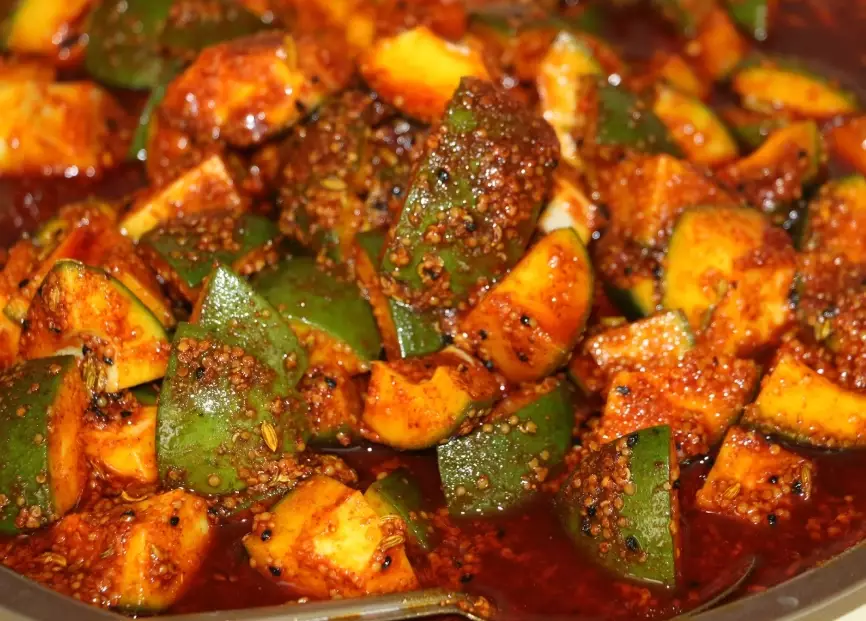
- Day 4-7: Things start happening! You might see tiny bubbles rising. This is the CO2 from the active bacteria. The color of the vegetables will start to change (mangoes will soften and turn a duller green/yellow). The aroma will shift from raw spices to a more rounded, sour, and complex smell.
- Week 2 and Beyond: The bubbling slows down. The flavors continue to mature and deepen. The pickle becomes tangier. This is the slow aging process that can go on for weeks or even months. The oil should be sitting clearly on top, sealing everything.
I keep my fermenting jars in a cool, dark cupboard. Sunlight and excessive heat can spoil the process. And you need to "burp" the jar every day for the first week—just open the lid for a second to let any built-up gas escape, then close it tight again.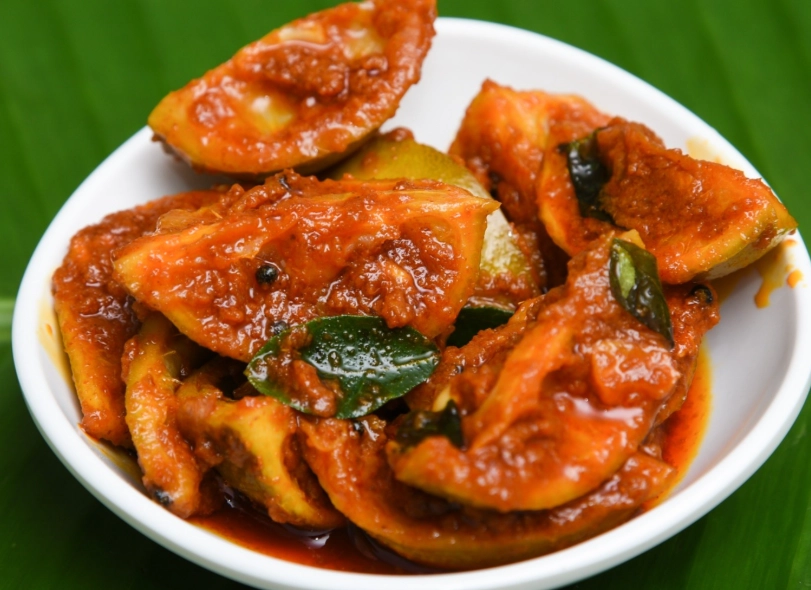
Two Classic Indian Pickle Recipes to Start With
Let's get practical. Here are two foundational recipes—one fermented, one quicker.
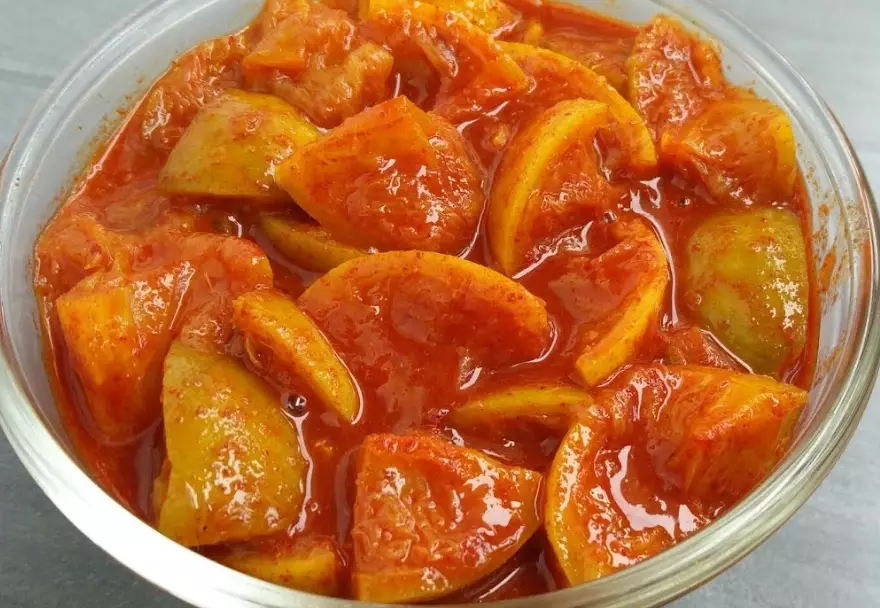
Recipe 1: The Quintessential Punjabi-Style Raw Mango Pickle (Aam Ka Achar)
This is the one most people search for when they look up Indian pickle recipes. It's a project, but a rewarding one.
Ingredients:
- 1 kg raw green mangoes, washed, dried thoroughly, and cut into 1.5-inch pieces (keep the skin on)
- 3/4 cup mustard oil (heated to smoking point, then cooled completely)
- 1/2 cup non-iodized salt
- 3 tbsp mustard seeds (coarsely ground)
- 2 tbsp fenugreek seeds (dry roasted and finely ground)
- 3 tbsp red chili powder (adjust to taste)
- 2 tbsp turmeric powder
- 1 tsp asafoetida (hing)
- 1 tbsp black cumin seeds (kalonji) - optional but nice
The Process:
- Prep the Mangoes: This is critical. Ensure the mango pieces, your knife, and your cutting board are completely dry. Any water introduces unwanted microbes.
- Spice Mix: In a large, dry bowl, mix the salt, coarsely ground mustard seeds, ground fenugreek, red chili powder, turmeric, and asafoetida.
- Combine: Add the dry mango pieces to the spice mix. Using clean, dry hands or a spoon, mix vigorously until every piece is generously coated. The salt will immediately start drawing out moisture.
- Jar it Up: Pack the spiced mango mixture tightly into a clean, sterilized, and completely dry glass jar. Leave about 1.5 inches of headspace at the top.
- The Oil Seal: Slowly pour the cooled mustard oil over the pickle. Use a clean spoon to press down and make sure the oil seeps into all the gaps and eventually rises to cover the top completely. This oil layer is your seal.
- Ferment & Wait: Close the lid tightly. Keep the jar in a cool, dark place. For the first week, open the lid once a day for a few seconds to "burp" it. Give the jar a gentle shake or turn it upside down and back (if the lid is secure) every few days to redistribute the spices and oil.
- The Test: Start tasting after 10 days. The raw, sharp spice flavor will have mellowed, and a pleasant sourness will develop. It gets better with time. You can technically eat it after a week, but 3-4 weeks is ideal.
Recipe 2: A Quick(er) Mixed Vegetable Pickle (Instant Style)
This one uses vinegar to shortcut the fermentation, giving you a tasty pickle in a few days. Perfect for when you need a fix fast.
Ingredients:
- 2 cups mixed vegetables (cauliflower florets, carrot sticks, green beans), cut into bite-size pieces
- 1/2 cup white vinegar or apple cider vinegar
- 1/3 cup neutral oil (like sunflower)
- 2 tbsp mustard seeds
- 1 tbsp fenugreek seeds
- 1.5 tbsp red chili powder
- 1 tbsp turmeric powder
- 3 tbsp salt
- 1 tsp asafoetida
- 10-12 garlic cloves, sliced thin
- 1-inch ginger, julienned
The Process:
- Blanch Veggies: Bring a pot of water to a boil. Add the vegetable pieces and blanch for exactly 2 minutes. Immediately drain and spread them on a clean kitchen towel to dry completely. This step kills surface bacteria and softens them slightly.
- Temper Spices: Heat the oil in a pan. Add mustard seeds. When they splutter, add fenugreek seeds and fry for 20 seconds until fragrant. Turn off the heat. Quickly add red chili powder, turmeric, and asafoetida. Stir for 10 seconds (the residual heat will cook the powders without burning them). Let this spiced oil cool completely.
- Combine: In a large bowl, combine the completely dry vegetables, salt, garlic, ginger, and the cooled spiced oil. Mix well.
- Add Vinegar: Pour in the vinegar and mix thoroughly.
- Jar and Marinate: Transfer to a clean, dry jar. Seal it. This pickle doesn't need fermentation in the traditional sense, but it needs time for the flavors to marry. Store it in the refrigerator. Shake it daily. It will be ready to eat in 2-3 days and keeps for a few weeks in the fridge.
Regional Variations: A Quick Tour of India in a Jar
Indian pickle recipes are as diverse as the country itself. The North Indian style we often see is heavy on mustard oil and spices. But travel south, and the profile changes.
| Region | Signature Pickle | Key Characteristics | Common Ingredients |
|---|---|---|---|
| Punjab/North India | Mango Pickle (Aam ka Achar) | Pungent, oily, heavily spiced, fermented. | Mustard oil, fenugreek, mustard seeds, fennel. |
| Gujarat | Sweet & Spicy Mango Pickle (Chhundo) | Grated, cooked in sugar/jaggery with spices. Sweet, tangy, spicy. | Jaggery, sugar, cumin, chili. |
| South India (Andhra/Telangana) | Avakaya (Mango Pickle) | Extremely spicy, less oily, uses ground mustard paste. | Mustard powder, red chili flakes, sesame oil. |
| Maharashtra | Lemon Pickle (Limbu cha Loncha) | Wet, often includes jaggery for balance. | Lemons, jaggery, turmeric, chili. |
| Kerala | Nellikka Achar (Gooseberry Pickle) | Often uses coconut oil, tangy and medicinal. | Gooseberries (amla), coconut oil, curry leaves. |
Exploring these regional Indian pickle recipes can be a lifelong hobby. I'm still trying to perfect a good Avakaya—getting the consistency of that mustard paste right is tricky.
Your Indian Pickle FAQ: Answering the Real Questions
Here are the things I wondered about (and messed up) when I started.
1. Can I use any oil besides mustard oil?
Absolutely. Mustard oil is traditional but strong. Sesame oil gives a great flavor. For a neutral background, use sunflower, peanut, or even a light olive oil. The key is to ensure the oil covers the top of the pickle to create a seal.
2>How long does homemade Indian pickle last?
This is the big one. A properly made, fermented pickle with a good oil seal can last at room temperature (in a cool, dark place) for a year or more. Once you open the jar and start dipping into it with potentially wet spoons, introduce it to the fridge. It will still last for months. The quick, vinegar-based pickles should always be stored in the fridge and consumed within a few weeks.
3. Why is there white stuff floating on top?
Don't panic immediately! Often, it's just harmless kahm yeast—a thin, white, sometimes wrinkly film. It can form if there's too much oxygen or sugar. It's not dangerous but can impart an off taste. You can carefully skim it off along with the top layer of oil, replace the oil with fresh, cooled oil, and continue. If it's colorful or fuzzy mold, discard the batch.
4. My pickle isn't sour/tangy. What went wrong?
Fermentation might not have happened properly. Possible reasons: not enough salt (allows bad bacteria to outcompete the good ones), temperature too cold (slows fermentation), or the jar wasn't airtight enough. For quick pickles, you might just need to wait a few more days for the vinegar to penetrate.
5. Can I reduce the amount of oil?
This is a common modern concern. You can try, but understand the role of the oil. It's a preservative and a flavor carrier. Significantly reducing it increases the risk of spoilage and can lead to a drier, less flavorful pickle. For a healthier approach, focus on using a good quality oil and remember you only eat a small spoonful at a time.
Troubleshooting Common Pickle Problems
Let's face the issues head-on.
- Pickle is Too Salty: This is hard to fix once made. Next time, reduce salt by 10-15%. For this batch, you can try adding a bit more of the main vegetable (if you have it) or some roasted, crushed peanuts to balance it when serving. Or just use a tinier portion with your meal.
- Pickle is Too Soft/Mushy: The vegetables were likely overripe or blanched for too long. Or the fermentation went on too long in a warm place. For mango pickle, using very firm, green fruit is key.
- Oil has Solidified: This happens with mustard oil in cold climates. It's normal. Just place the jar in a bowl of warm water for a few minutes, and it will liquefy again. It doesn't affect the quality.
- No Bubbles During Fermentation: Don't worry. Not all ferments are super bubbly. As long as you see liquid being released and the flavors are developing and becoming tangy over time, it's working.
Look, the journey to mastering Indian pickle recipes is full of little trials. My second batch was better. My fifth was something I was actually proud to give to friends. The key is to start simple, be meticulous about dryness and cleanliness, and then not be afraid to tweak the spices to your taste next time. That jar sitting on your counter, slowly transforming, is a connection to a timeless way of preserving food and flavor. Give it a shot. The worst that can happen is you learn something for next time. And the best? You get a jar of pure, spicy, tangy gold that makes even the simplest meal feel like a feast.
Discussion