Your Kebab Roadmap
- Before You Even Touch the Meat: The Kebab Mindset
- The Spice Rack: Your Flavor Toolkit
- Choosing Your Protein: It's More Important Than You Think
- The Master Recipe: Chicken Malai Kebab (The Creamy, Dreamy One)
- Beyond Chicken: A Quick Tour of Other Kebabs
- The FAQ Section: Your Questions, Answered
- Putting It All Together: Your Game Plan
Let's be honest. You've probably tried a recipe for Indian kebabs before. You followed it, the kitchen smelled amazing, but the result was... fine. Maybe a bit dry. Maybe the flavors didn't pop like they do at your favorite restaurant or that street cart you remember from your trip. I've been there too. My first batch of homemade seekh kebabs crumbled right off the skewer into the grill – a total, smoky disaster. It was frustrating. But after years of trial, error, and pestering my friend's Punjabi grandmother for tips, I finally cracked the code.
This isn't about fancy chef techniques you'll never use. It's about understanding the simple principles that turn ground meat and spices into something magical. An authentic Indian kebabs recipe is less about rigid rules and more about a feel for the ingredients. The good news? You can absolutely get that feel.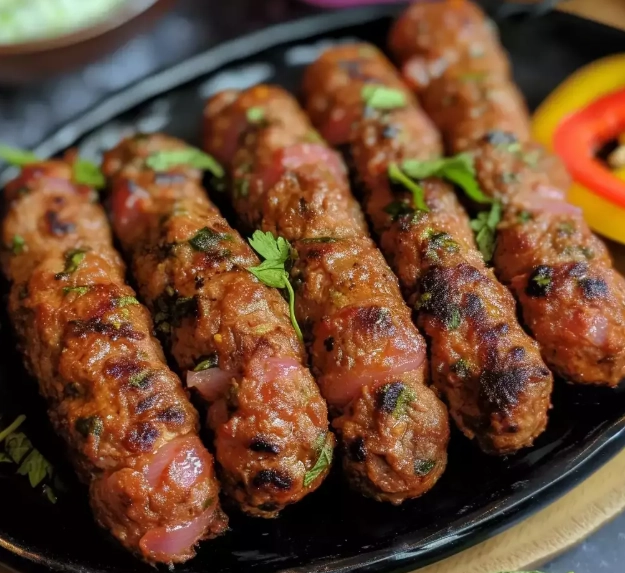
So, what are we really talking about when we say "Indian kebab"? It's a universe of its own, not just one dish. From the creamy, mild Malai Kebab to the fiercely spiced, charcoal-blackened Seekh Kebab, the variety is stunning. But at their core, they're all about celebrating the main ingredient – be it chicken, lamb, fish, or vegetables – with a symphony of spices. This guide is your map to that universe.
Before You Even Touch the Meat: The Kebab Mindset
Most recipes jump straight to the ingredient list. I think that's a mistake. If you don't know *why* you're doing something, you're just following orders. And cooking shouldn't feel like that. Let's get a few principles straight first.
First, fat is flavor. This is non-negotiable. Trying to make the leanest, healthiest kebabs with 99% fat-free chicken breast is setting yourself up for a dry, chewy result. The fat (in the meat, or added like yogurt or cream) carries flavor and keeps everything juicy. We'll talk about leaner options, but know the trade-off.
Second, time is an ingredient. Marinating isn't a suggestion; it's the step that defines your final dish. Those spices need hours to penetrate and work their magic. A 20-minute marinade is just a surface coating. A proper Indian kebabs recipe will ask for patience here, and you should listen.
And third, texture matters as much as taste. The binding – how the kebab mixture holds together – can make or break your experience. Too loose, and it falls apart. Overworked, and it becomes dense and rubbery. Getting this right is simpler than you think, but it's the step everyone rushes.
The Spice Rack: Your Flavor Toolkit
You don't need 50 jars. Really. A core set of whole and ground spices will get you 95% of the way. The key is to use them fresh. Pre-ground cumin that's been in your cupboard for three years has lost its soul. It'll taste dusty, not earthy and warm.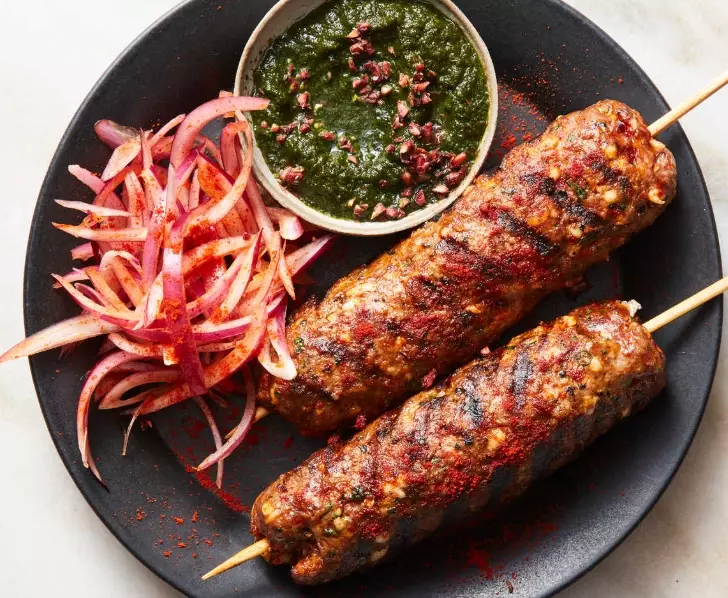
The Non-Negotiable Core Four:
- Cumin (Jeera): The earthy, warm backbone. Toasting whole seeds and grinding them yourself is a game-changer for any Indian kebabs recipe.
- Coriander (Dhania): Sweet, citrusy, and floral. It balances the heat and adds a beautiful fragrance.
- Garam Masala: The "warm spice mix." Don't buy the bland supermarket stuff if you can help it. A good one has black pepper, cardamom, cinnamon, cloves. It's added late in cooking or marinade for a top-note of aroma. I prefer brands like MDH or Everest, or making a small batch at home.
- Kashmiri Red Chili Powder: This is crucial. It gives that iconic vibrant red color without overwhelming heat. If you only have regular chili powder, use half the amount or your kebabs might become uncomfortably spicy.
Then you have the supporting cast: turmeric (for color and its subtle earthiness), amchur (dry mango powder, for a tangy punch – a secret weapon for brightness), chaat masala, and maybe fennel or carom seeds for specific regional styles.
I made the mistake once of substituting amchur with lemon juice in the marinade. The acidity started "cooking" the outer layer of the meat, resulting in a weird, grainy texture. Learned that lesson the hard way. Use dry powders for dry marinades.
Choosing Your Protein: It's More Important Than You Think
Not all chicken is created equal for kebabs. That water-plumped, supermarket chicken breast? It'll steam in its own juices and turn to rubber. For chicken kebabs, I strongly recommend boneless, skinless chicken thighs. They have more flavor, more fat, and they stay juicy even if you overcook them a little. It's the most forgiving choice for your first Indian kebabs recipe attempt.
For lamb or mutton kebabs (like Seekh Kebab), you want a cut with some fat. Shoulder (leg of lamb can be too lean). Ask your butcher to grind it for you, or grind it at home if you have the attachment. Pre-packaged lean ground lamb will be dry. Promise.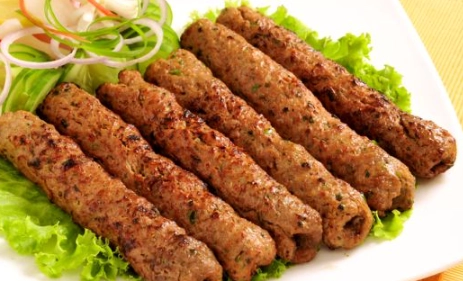
Pro-Tip: If you're using store-bought ground meat, spread it out on a plate and pop it in the freezer for 15-20 minutes before mixing with spices. A colder mix binds better and prevents the fat from smearing.
Vegetarian? Paneer (Indian cottage cheese) is the classic. But don't sleep on grated cauliflower or potatoes mixed with peas and spices (like for a vegetable shami kebab). They're incredibly satisfying.
The Master Recipe: Chicken Malai Kebab (The Creamy, Dreamy One)
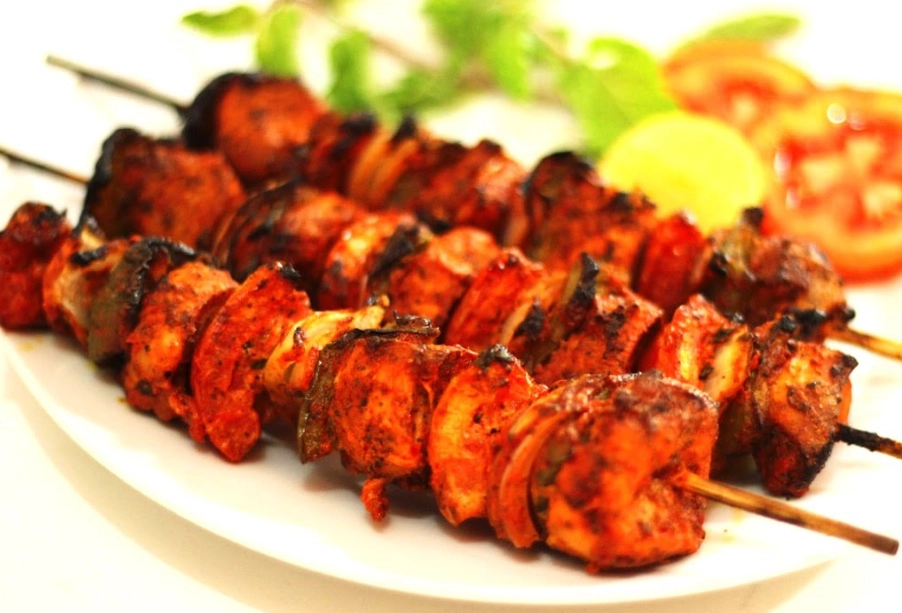
Let's start with a crowd-pleaser. Malai means cream, and these kebabs are indulgent, mildly spiced, and unbelievably tender. This is my go-to Indian kebabs recipe for when I have friends over. It feels fancy but is deceptively simple.
What You'll Need:
- Chicken: 1.5 lbs (about 700g) boneless, skinless chicken thighs, cut into 1.5-inch cubes. Breast will work but watch it closely.
- The Marinade Glue: 1/2 cup thick, full-fat Greek yogurt (or hung curd). Low-fat yogurt is too watery.
- The Creamy Element: 1/4 cup heavy cream (or for authenticity, 'malai' – the thick cream layer from top of milk).
- Aromatics: 1 tbsp ginger-garlic paste (freshly made is best, but store-bought works in a pinch).
- Spices: 1.5 tsp Kashmiri red chili powder, 1 tsp garam masala, 1 tsp dried fenugreek leaves (kasuri methi) – crush them between your palms, 1.5 tsp salt, 1 tbsp lemon juice.
- Secret Ingredient: 1 tbsp besan (gram flour). This is the binding agent nobody tells you about. It absorbs excess moisture and helps form a gorgeous crust.
- For Basting: 2 tbsp melted butter or ghee.
The Process, Step-by-Step
Step 1: The Marinade Mix. In a large bowl, whisk the yogurt until smooth. No lumps. Add the cream, ginger-garlic paste, all the spices, salt, lemon juice, and besan. Whisk it into a smooth, orange-hued paste. Taste it. Seriously, taste the marinade. It should be salty and flavorful. If it tastes bland now, your chicken will taste bland later. Adjust.
Step 2: Marinate the Chicken. Add the chicken pieces to the bowl. Get your hands in there. Massage the marinade into every nook and cranny of the chicken. This isn't a gentle toss. Cover the bowl tightly and refrigerate. Here's the deal: at least 4 hours. Overnight is glorious. 30 minutes is a waste of ingredients. The yogurt's enzymes and acids are tenderizing the meat deeply.
Why the long marinade? The acids in yogurt and lemon juice break down muscle proteins, making the meat tender. The salt penetrates, seasoning it from within. The spices infuse. Rushing this is the #1 reason homemade kebabs don't taste "right."
Step 3: Skewer and Cook. If using wooden skewers, soak them in water for 30 minutes to prevent burning. Thread the marinated chicken onto skewers, leaving a little space between pieces for even cooking.
You have three cooking options:
| Method | How-To | Result & Tip |
|---|---|---|
| Grill (Best) | Preheat grill to medium-high (400°F/200°C). Grill for 10-12 mins, turning every 2-3 mins and basting with melted butter. | Smoky, charred perfection. Don't move them until they release naturally from the grates. |
| Oven (Easiest) | Preheat oven to 425°F (220°C). Place skewers on a wire rack over a baking sheet. Bake 15-20 mins, broil last 2 mins. | Great for consistency. The wire rack allows air circulation for even browning. |
| Stovetop (Pan-Fry) | Heat 1 tbsp oil in a heavy skillet over med-high. Cook skewers (or pieces) for 3-4 mins per side. | Fast and convenient. You won't get the smokiness, but the flavor is still fantastic. |
Step 4: Rest and Serve. Once cooked (internal temp of 165°F/74°C), take the kebabs off the heat. Let them rest for 5 minutes on a plate. This lets the juices redistribute. If you cut right in, all those precious juices run out onto the plate.
Serve with sliced onions, lemon wedges, green chutney (blend mint, cilantro, green chili, lemon juice, salt), and maybe some warm naan or paratha. That's it. You've just made a restaurant-quality Indian kebab.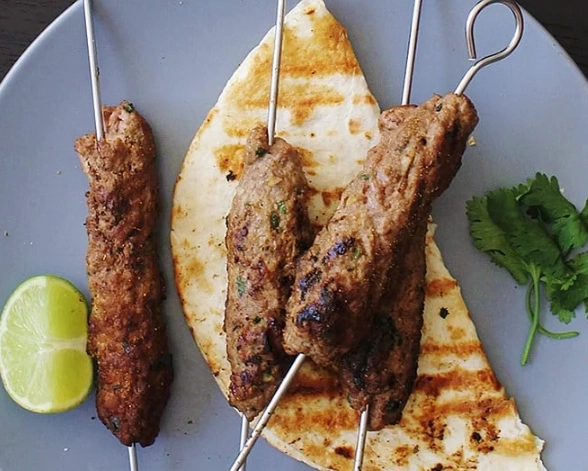
Beyond Chicken: A Quick Tour of Other Kebabs
The basic principles remain the same: marinade, bind, cook. But the flavors change dramatically.
- Seekh Kebab (Minced Lamb): The king of street food. Minced lamb is mixed with a fierier spice blend (more ginger, green chilies), finely chopped onions, and fresh cilantro. The binding challenge is real – you need to knead the mixture for 5-7 minutes until it becomes a sticky, smooth paste. Then you press it onto flat, wide skewers. The texture should be slightly coarse, not like a sausage. The website of the Incredible India tourism campaign often highlights seekh kebabs as a quintessential street food experience, and for good reason.
- Fish Kebabs (like Amritsari Fish): Use firm fish like cod or tilapia. The marinade is similar, but the coating is key – a batter of besan (gram flour) and rice flour with carom seeds (ajwain) for digestibility. Deep-fried to golden perfection. Unbelievably good.
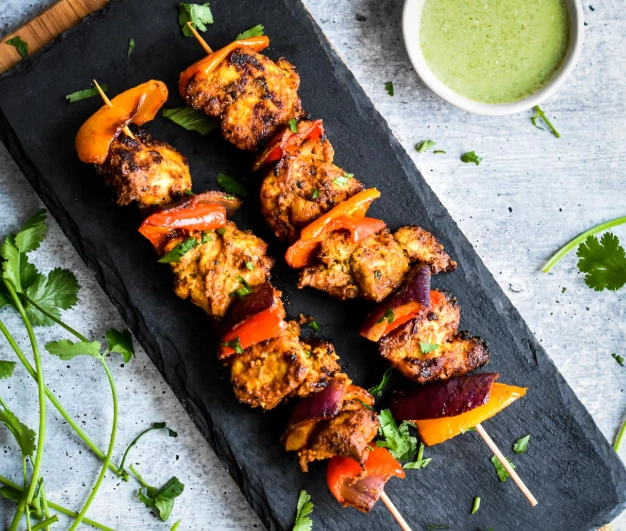
- Paneer Tikka: Cubes of paneer marinated in a similar spiced yogurt base. Since paneer doesn't tenderize, the marinade is more for flavor coating. Be gentle when skewering to prevent breakage.
The FAQ Section: Your Questions, Answered
I get asked these all the time. Let's clear them up.
Why do my kebabs fall off the skewer?
Three main reasons: 1) The mixture is too wet (drain onions, use hung yogurt, add besan). 2) You didn't press the mixture firmly enough onto the skewer. 3) You flipped them too early. Let a crust form first.
Can I make kebabs without a grill?
Absolutely. The oven and stovetop methods above work great. For seekh kebabs, you can shape the mixture into patties or logs and pan-fry or bake them. They're just as delicious.
How can I make my kebabs more juicy?
Fat, acid, and don't overcook. Use thigh meat, add a bit of grated onion or a spoon of cream/yogurt to the mix, and pull them off the heat the moment they're done. A meat thermometer is your best friend here.
Are there healthy Indian kebab recipes?
Sure. Use leaner meats like chicken breast or turkey mince, but add grated zucchini or finely chopped mushrooms to the mix to retain moisture. Bake instead of fry. But remember, a little fat carries flavor. The BBC's BBC Good Food site has some excellent lighter takes on global dishes that follow this principle of swapping ingredients, not sacrificing taste.
What's the difference between a kebab and a tikka?
Good question. "Kebab" is a broad term for minced or ground meat, shaped and cooked. "Tikka" refers to chunks of meat (or paneer) marinated and cooked. So Chicken Tikka is chunks, Seekh Kebab is minced. But the lines blur in everyday talk.
Watch Out: Never add raw, finely chopped onion to a minced meat kebab mixture if you plan to store it before cooking. Onions release water and sulfur compounds that can turn the meat mushy and give it a off taste. If using onion, either grate it and squeeze out ALL the water, or cook it down first and let it cool.
Putting It All Together: Your Game Plan
So, you want to make Indian kebabs this weekend? Here's your cheat sheet:
- Pick your recipe. Start with Chicken Malai or a simple chicken tikka if you're new.
- Shop smart. Get chicken thighs, full-fat yogurt, fresh ginger/garlic, and check your spice dates.
- Marinate on Friday night. Let it sit in the fridge all day Saturday. This is the most important step.
- Cook simply. Don't stress about a grill. A hot oven or pan works wonders.
- Serve with freshness. Onions, lemon, chutney. It cuts the richness.
The beauty of a great Indian kebabs recipe is its versatility. Master one, and you understand the framework for a dozen others. It's about confidence, not complexity. You'll mess up sometimes. I still do. Last week I over-toasted my cumin and it tasted bitter. Had to start over. It happens.
But when you get it right – when you bite into a kebab that's juicy, fragrant, with a slight char and a burst of spices that feels just like you remember – it's worth every minute. It's not just food. It's a connection to a culture of incredible, vibrant flavors that you can now bring into your own kitchen. So go on, give it a try. And don't forget to let the marinade work its magic.
Discussion