Quick Guide
- The Foundation: It's All About The Spices, But Not How You Think
- Your Toolbox for Success (It's Simpler Than You Fear)
- A Tour of Classics: Three Must-Try Traditional Indian Curry Recipes
- The Roadblocks: Common Mistakes We All Make (And How to Fix Them)
- Making It Yours: Tweaks, Swaps, and Personal Touches
- Your Curry Questions, Answered (The Stuff You Actually Google)
- Where to Go From Here: Deepening Your Journey
Let's be honest. Most of us have a love-hate relationship with trying to cook traditional Indian curry recipes at home. You follow a recipe online, buy a bunch of spices, and end up with something that tastes... fine. But it's missing that deep, complex, restaurant-quality magic. It's not bad, but it's not the vibrant, soul-warming dish you were dreaming of. I've been there. My first attempt at a "simple" curry involved throwing all the powdered spices in at once with the meat. The result was gritty, bitter, and honestly, a bit sad. It tasted like dust with gravy.
That experience, frustrating as it was, sent me down a rabbit hole. I talked to friends from different parts of India, pestered a chef I knew, and burned more than a few onions to a crisp. What I learned is that authentic Indian curry isn't about one single recipe. It's a way of cooking. It's a philosophy built on understanding a handful of core ingredients and a few fundamental techniques. Once you get those, the world of traditional Indian curry recipes opens up. You're not just following instructions; you're actually cooking.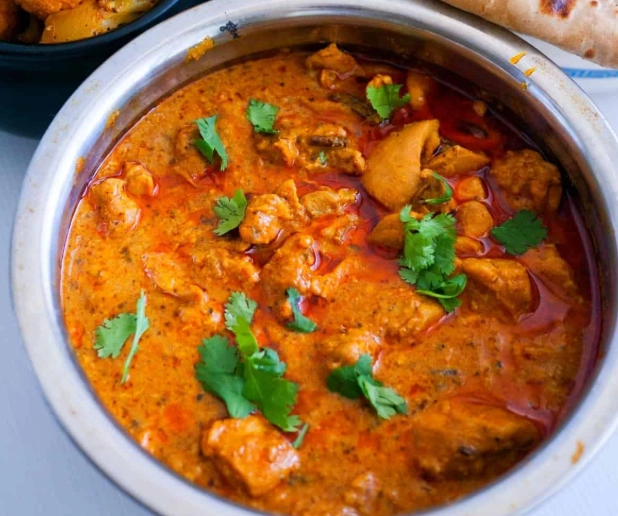
The Foundation: It's All About The Spices, But Not How You Think
You see those beautiful jars of whole spices in the store—cinnamon sticks, cardamom pods, star anise. They're not just for show. In traditional Indian cooking, whole spices are often tempered in oil or ghee at the very beginning. This process, called *tadka* or *baghaar*, releases their essential oils and infuses the entire cooking fat with flavor. It's the first and most critical layer of taste. Using only pre-ground powder is like trying to paint a masterpiece with only one shade of brown. You need the whole spectrum.
Here’s the thing about spice blends like garam masala too. Every family, every region, has its own version. The blend from the supermarket shelf is a generic compromise. Making your own, even a small batch, is a game-changer. It's fresher, more aromatic, and you control the balance. Is it necessary for your first curry? No. But is it the secret handshake into the world of authentic Indian curry? Absolutely.
So, what are the non-negotiables? If you want to cook a range of traditional Indian curry recipes, you'll want these staples in your pantry:
- Cumin Seeds (Jeera): Earthy and nutty, the backbone for countless dishes.
- Coriander Seeds (Dhania): Citrusy and sweet, almost always used ground in the curry base.
- Turmeric Powder (Haldi): Provides that iconic golden color and a warm, earthy bitterness.
- Red Chili Powder (Lal Mirch): For heat. Kashmiri red chili powder gives vibrant color with less fire.
- Garam Masala: The "warm spice blend" usually added at the end. Think cinnamon, cardamom, cloves, black pepper.
And then you have the aromatics—onions, garlic, ginger. These aren't just chopped and thrown in. They're often patiently cooked down into a deep, golden-brown paste (the *masala* base) that forms the body of the curry. Rushing this step is probably the number one reason home curries taste bland.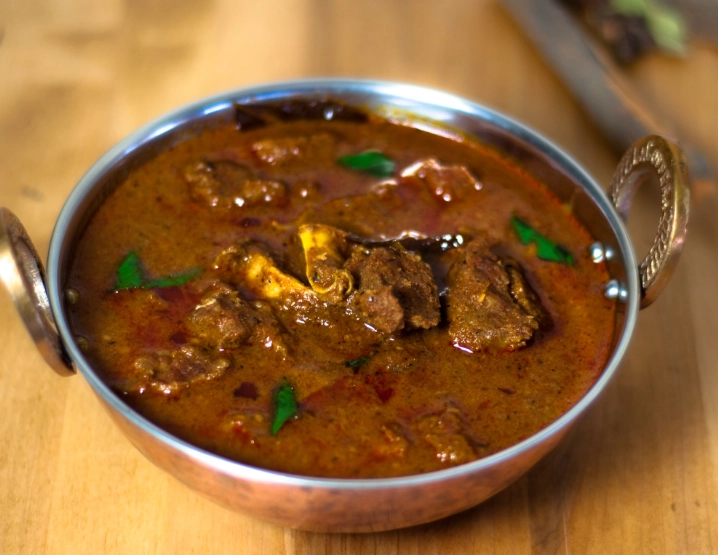
Your Toolbox for Success (It's Simpler Than You Fear)
You don't need a kitchen full of special equipment. A heavy-bottomed pot or Dutch oven is your best friend. It distributes heat evenly, preventing those onions and spices from burning in hot spots. A good blender or food processor helps make smooth pastes of tomatoes, onions, or nuts. And that's really about it.
Well, maybe one more thing: a spice grinder. I use a cheap coffee grinder dedicated to spices. Grinding whole coriander or cumin seeds right before you use them releases aromas that have been dormant for months in pre-ground versions. The difference in flavor is not subtle. It's the difference between hearing a song on an old radio and hearing it live.
A Tour of Classics: Three Must-Try Traditional Indian Curry Recipes
India's culinary landscape is vast, and its curries reflect that diversity. A curry from the north is a world away from one from the south or the east. Let's look at three iconic dishes that represent different styles. Think of them as your foundation courses.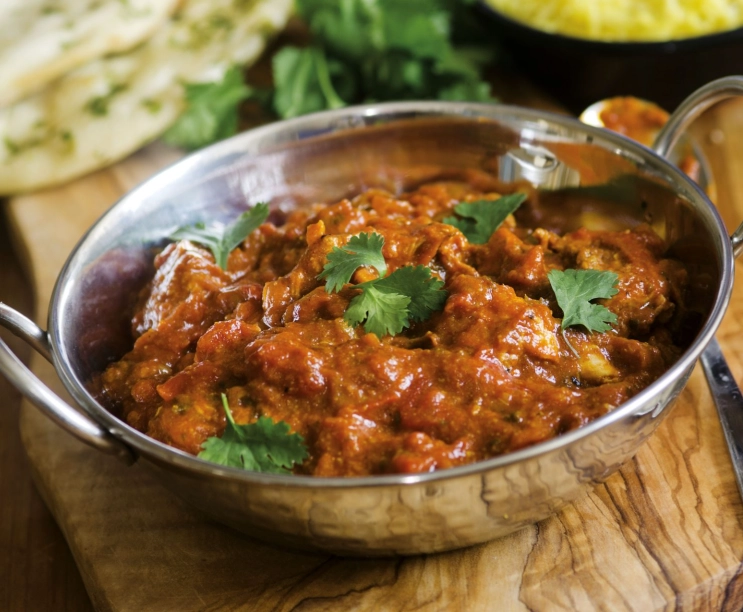
| Curry Name | Region & Style | The "Secret" (It's Not Really a Secret) | Key Spices & Techniques |
|---|---|---|---|
| Butter Chicken (Murgh Makhani) | North India (Punjab), Rich & Creamy | The double cooking. The chicken is first marinated in yogurt and spices (often including Kashmiri red chili for color) and grilled/broiled (*tandoori* style). It's then added to a silky, tomato-based gravy enriched with butter and cream. | Kashmiri red chili, garam masala, fenugreek leaves (kasuri methi). Slow-cooking the tomato puree until it separates from the oil (*bhuno*) is crucial for depth. |
| Rogan Josh | Kashmir, Aromatic & Red | Its stunning red color traditionally comes from Kashmiri chilies or *ratan jot* (alkanet root). The dish uses yogurt as a tenderizer and souring agent, added carefully to prevent curdling. | Fennel seeds, ginger powder (sonth), asafoetida (hing). The meat is often browned first (*bhuna*) to develop flavor before braising. |
| South Indian Vegetable Curry (Sambar/ Avial) | South India, Lentil-based or Coconut-based | The use of lentils (toor dal in sambar) as a thickening base, and coconut in various forms (grated, milk, oil). The tempering (*tadka*) of mustard seeds, curry leaves, and dried chilies at the end defines the aroma. | Mustard seeds, curry leaves, coconut, tamarind for sourness. Sambar powder is a distinct spice blend different from garam masala. |
Notice how different they are? Butter chicken is about richness and slow-cooked tomato paste. Rogan Josh is about yogurt and specific aromatic spices. A South Indian curry might be tangy from tamarind and fragrant with curry leaves. This is why searching for a single "traditional Indian curry recipe" can be confusing. You need to know what style you're after.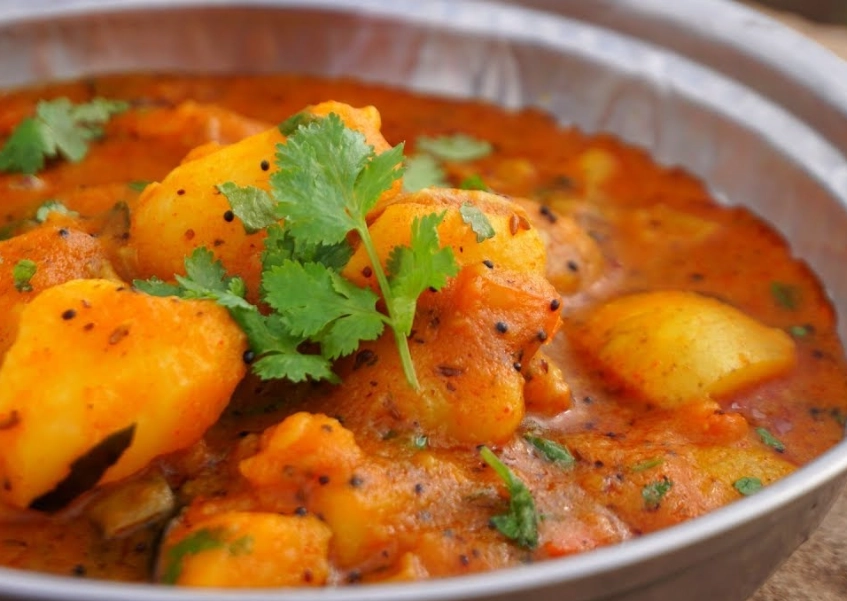
Breaking Down a Classic: A Closer Look at Butter Chicken
Let's use Butter Chicken as a case study because it's so popular. Where do most home versions go wrong? In my experience, it's three places.
First, skipping the marination and broiling step. You can simmer raw chicken in the sauce, sure. But you won't get that signature smoky, charred flavor that defines the dish. The *tandoori* stage is non-negotiable for authenticity. Second, not cooking the tomato puree long enough. You need to cook it on a medium heat, stirring often, until it thickens significantly and the oil starts to separate from the mixture. This can take 15-20 minutes. It concentrates the flavor and removes the raw tang of the tomatoes. Third, going overboard with cream. It's called Butter Chicken, not Cream Chicken. The richness should come from butter (or *makhan*) and a moderate amount of cream added at the end just to enrich and mellow the sauce.
For a reliable, tested recipe that follows these principles, the BBC Good Food website often has recipes developed by expert chefs that stay true to traditional methods. You can find a well-regarded Butter Chicken recipe here that mirrors the process I'm describing.
The Roadblocks: Common Mistakes We All Make (And How to Fix Them)
I've made all of these. Multiple times. Learning traditional Indian curry recipes is as much about learning what *not* to do.
- Adding all spices at the same time: Whole spices go in first for tempering. Ground spices (like coriander, turmeric, chili) often go in after the onions/ginger/garlic paste to cook out their raw flavor. Delicate spices like garam masala are added at the end. Adding garam masala at the start makes its flavor disappear.
- Not cooking the onion-ginger-garlic paste enough: This is the soul of your curry. Cook it on medium-low heat, stirring, until it's a rich golden-brown and the oil starts to separate. If it's pale and watery, your curry will taste raw and unbalanced.
- Using cold yogurt or cream: Adding cold dairy to a hot curry is a recipe for curdling. Always take your yogurt or cream out of the fridge ahead of time, or temper it by stirring in a few spoonfuls of the hot curry sauce first before adding it all back in.
- Being afraid of salt and fat: Spices need salt to bloom and express their full flavor. And fat (ghee, oil, butter) is the vehicle that carries those flavors. Skimping here leads to a dull, timid curry. Season in layers, tasting as you go.
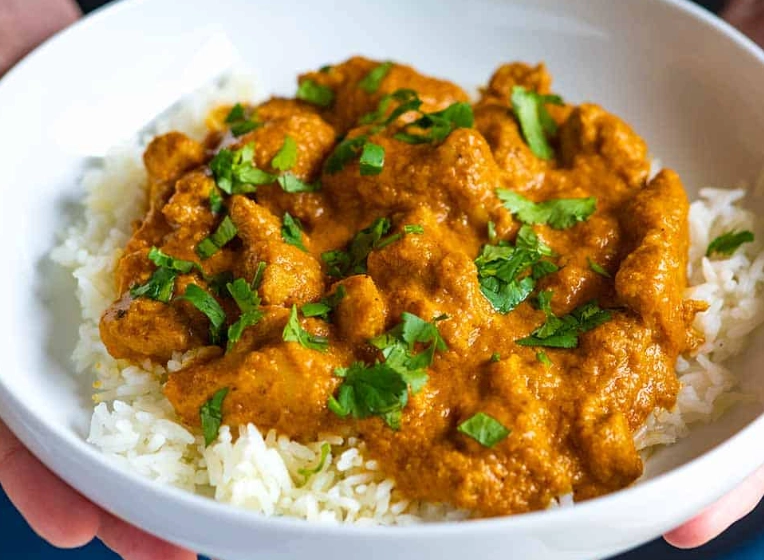
Making It Yours: Tweaks, Swaps, and Personal Touches
The beautiful thing about understanding the basics is that you can start to improvise. Traditional Indian curry recipes are guides, not prison sentences.
Want it vegetarian? Swap the meat for paneer, chickpeas, or hearty vegetables like potatoes and cauliflower. Just adjust cooking times (vegetables cook faster than meat). Need it dairy-free? Use coconut milk instead of cream for a lovely South Indian twist. You can even use cashew paste soaked and blended with water to create a rich, creamy texture. It's a common trick in Mughlai cuisine.
Heat level is totally personal. Control it by the type and amount of chili you use. Kashmiri chili powder gives color without brutal heat. A couple of dried red chilies in the tempering will infuse a gentle warmth. Or, add a finely chopped fresh green chili for a brighter, more immediate heat.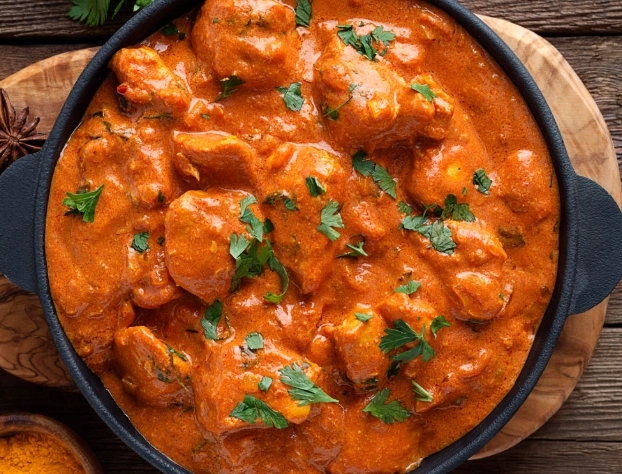
Your Curry Questions, Answered (The Stuff You Actually Google)
How long can I store homemade curry?
In the fridge, most meat or vegetable curries will be great for 3-4 days. In fact, they often taste better the next day as the flavors continue to meld. You can freeze them for up to 3 months. Store in airtight containers, leaving a little space for expansion. Thaw overnight in the fridge before reheating gently on the stove.
Can I make curry without tomatoes?
Absolutely! Many traditional Indian curry recipes are "white" or brown. A *Korma* uses a yogurt and nut/seed paste (like cashews or poppy seeds) for its base. A *Mughlai* curry might use onion paste and cream. Spinach (*Palak*) curries use pureed greens. Tomatoes are common in North Indian cuisine but are far from universal.
My curry is too watery / too thick. Help!
Too watery? Simmer it uncovered on a medium heat to reduce and concentrate the sauce. Stir occasionally so it doesn't stick. Too thick? Add a little hot water, broth, or even coconut milk to loosen it up. Do this gradually until you reach the desired consistency.
What's the best rice to serve with curry?
Basmati rice is the classic pairing for a reason. Its long grains, fragrant aroma, and fluffy texture when cooked properly are the perfect vehicle for the curry sauce. Rinse it well until the water runs clear to remove excess starch, and consider cooking it with a couple of whole spices like cardamom pods or a cinnamon stick for an extra layer of flavor. The Government of India's Agricultural and Processed Food Products Export Development Authority (APEDA) site has information on the varieties and qualities of authentic Basmati rice, which is a protected geographical indication.
Is ghee necessary? Can I use oil?
Ghee (clarified butter) has a high smoke point and a rich, nutty flavor that is integral to many dishes. However, you can absolutely use a neutral oil like vegetable or avocado oil. Mustard oil is traditional in Bengali and Eastern Indian cooking (it has a pungent kick). For a dairy-free version, coconut oil works well, especially for South Indian curries. Don't let the lack of ghee stop you from exploring traditional Indian curry recipes.
Where to Go From Here: Deepening Your Journey
Once you're comfortable with the basics, the real fun begins. Explore regional cuisines. Try a Bengali fish curry with mustard paste, or a Gujarati *undhiyu* (a mixed vegetable dish). Look into the difference between a *dhansak* (Parsi curry with lentils and meat) and a *vindaloo* (Goan curry with vinegar and chili).
Resources like Serious Eats often have brilliantly researched articles on the science and technique behind specific dishes, which can elevate your understanding from recipe-following to true mastery. Their focus on "why" things work is invaluable.
But the best resource? Taste. Taste your food at every stage. Taste the raw spice after you toast it. Taste the onion paste as it cooks. Taste the sauce before and after adding salt. This feedback loop is what turns instructions on a page into intuition in your hands.
Cooking traditional Indian curry recipes isn't about achieving perfection on the first try. It's about the process. It's about the smell of spices toasting, the sound of the *tadka* crackling in hot oil, and the slow, satisfying transformation of simple ingredients into something complex and wonderful. It's one of the most rewarding things you can do in a kitchen. So grab a pot, be patient with yourself, and start building those flavors. Your perfect curry is waiting.
Discussion