You see it in every Indian kitchen video: that circular stainless steel box with smaller cups inside, filled with vibrant powders and seeds. It's the masala dabba, the spice box. And if you've ever tried to cook Indian food and felt something was missing, chances are it wasn't your technique—it was your spices. Asking "what 7 spices go in an Indian spice box?" is like asking a painter their primary colors. These are the non-negotiables, the foundation upon which thousands of dishes are built.
I remember my first dabba. I filled it with random spices from the international aisle. My curry tasted... flat. It took a decade of cooking, talking to home cooks from Kerala to Kashmir, and a lot of bland experiments to realize the secret isn't just having spices, but having the right ones, fresh and ready to go.
Your Quick Guide to the Spice Box
The Core Seven Spices Explained
While regional variations exist, these seven form the universal backbone. Think of them in two groups: the base trio you'll use in almost everything, and the flavor builders that add specific character.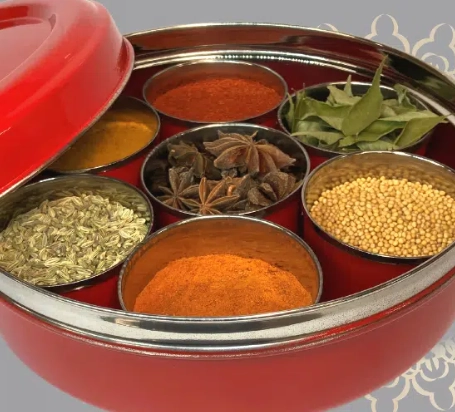
The Base Trio (The Holy Trinity of Indian Cooking)
If your dabba only had three compartments, these would be it.
1. Turmeric (Haldi)
That sunshine-yellow powder. It's not just for color. Turmeric has a warm, earthy, slightly bitter flavor and is a cornerstone of Indian cuisine for its taste and purported health properties. A pinch goes into nearly every savory dish, from lentils to vegetables to meat. A rookie mistake? Using too much. It can turn bitter. Start with 1/4 teaspoon for a pot of dal and adjust. Fresh turmeric root is fantastic, but the powder is the dabba staple for its convenience and long shelf life.
2. Coriander Powder (Dhania)
This is the workhorse, the background melody. Made from roasted coriander seeds, it has a warm, nutty, citrusy flavor that forms the body of most curry powders. It's rarely the star but is almost always present. When you taste a well-balanced curry and think "this is delicious but I can't pick out one spice," you're tasting coriander powder doing its job. Buy it as whole seeds and grind them yourself for an aroma that will blow your mind—the pre-ground stuff often tastes like sawdust in comparison.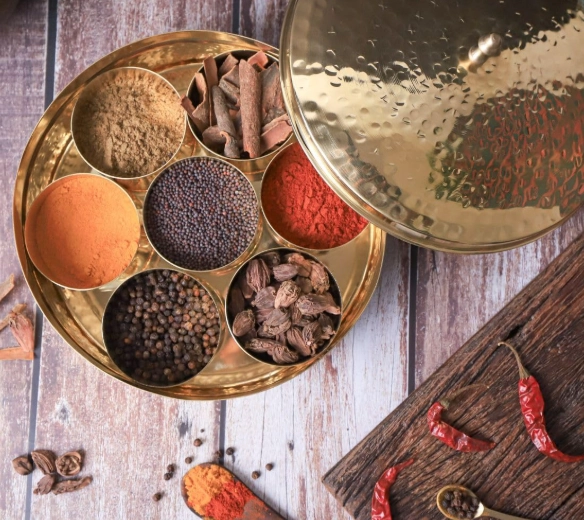
3. Cumin Powder (Jeera)
The earthy, smoky, slightly pungent counterpart to coriander. While whole cumin seeds are used for tempering (tadka), the ground form is stirred into dishes as they cook. It's more forward in flavor than coriander. You'll use these three—turmeric, coriander, cumin—together so often that you'll start measuring them with your heart. A classic ratio for a simple vegetable dish is 1/2 tsp turmeric, 1 tsp coriander, 1 tsp cumin.
The Flavor Builders
These spices define specific dishes and regional styles.
4. Red Chili Powder (Lal Mirch)
This is heat, but also a deep red color and a specific fruity flavor. It's different from cayenne or generic "chili powder" blends (which often contain cumin and garlic). Kashmiri red chili powder is a popular variety—it gives vibrant color with moderate heat. The key here is control. Recipes might say "1 tsp red chili powder," but the heat varies wildly by brand. Taste a tiny bit on your finger first. You can always add more, but you can't take it out.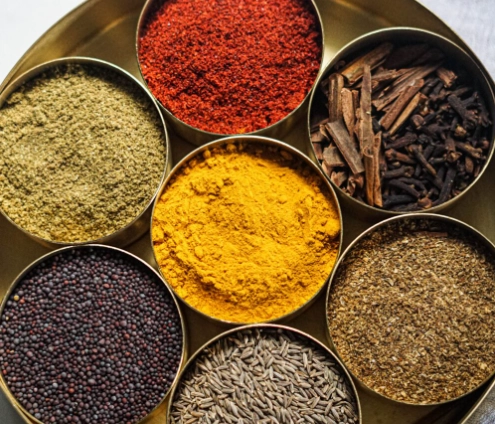
5. Garam Masala
The famous "warm spice blend." It's not a single spice but a mix that usually includes cardamom, cinnamon, cloves, black pepper, cumin, and coriander. It's added at the end of cooking or sprinkled on top. Unlike the base spices that cook for a long time, garam masala's complex aroma is volatile. Adding it with the onions is a common error that wastes its fragrance. Think of it as the finishing touch.
6. Mustard Seeds (Rai/Sarson)
The only whole spice that consistently earns a spot in the standard dabba. These tiny black or brown seeds are used for tempering—sizzling in hot oil until they pop, releasing a nutty, sharp, pungent aroma that forms the flavor base for countless South and West Indian dishes. That pop and sizzle sound is the soundtrack of Indian cooking. Yellow mustard seeds are milder and used in pickles.
7. Whole Dried Red Chilies (Sukhi Lal Mirch)
These are for tempering and infusing oil with a deeper, smokier heat than powder. You toss one or two into hot oil with mustard seeds at the start. They're often broken in half. They provide a different kind of heat and visual appeal. Some boxes substitute this with a mix of whole cumin and coriander seeds, but the dried chili is a classic.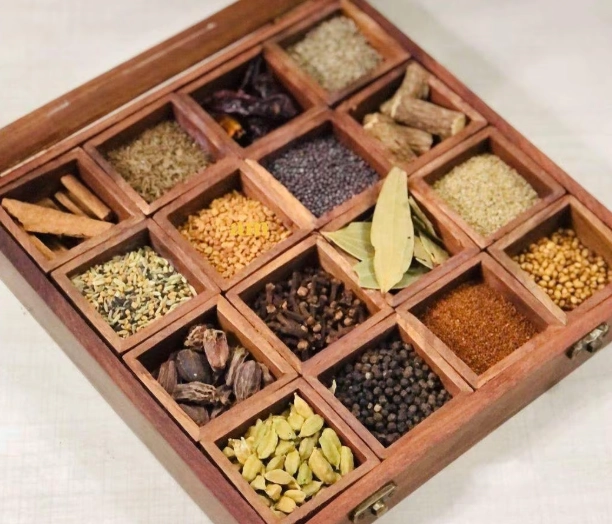
What's the Point of the Spice Box Anyway?
It's not just for looks. The masala dabba is a lesson in efficiency and freshness.
Imagine you're making a weeknight dal. You need a pinch of turmeric, a teaspoon of coriander, another of cumin. Without a dabba, you're fumbling with six different jars, unscrewing lids, dealing with clumpy spices. It breaks your flow. The dabba puts your most-used tools in one place, lids that flip open with one hand. It turns cooking from a chore into a fluid process.
More importantly, it encourages you to buy smaller quantities of ground spices and refill them often. Ground spices lose their volatile oils—their soul—within months. That giant Costco jar of turmeric powder that sits for two years is practically inert. The dabba's small cups force you to buy less, use more, and replenish with fresher stock. It's a system designed for flavor.
How to Actually Use These Spices: A Simple Framework
Let's move from theory to your stovetop. Here’s how these seven come together.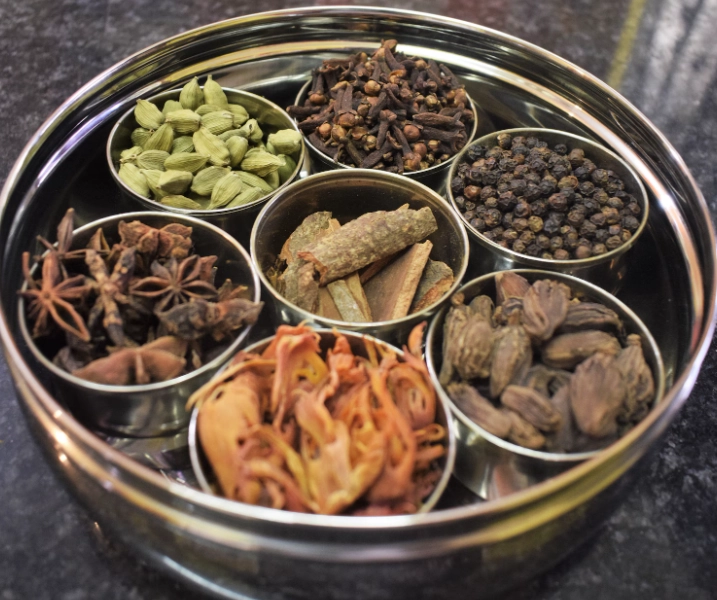
The Tempering Start (Tadka): Heat oil or ghee. Add mustard seeds. Wait for them to pop (30 seconds). Add a dried red chili or two. Maybe a pinch of cumin seeds if you have them. This fragrant oil is the flavor foundation for dals, curries, and stir-fried vegetables.
The Cooking Base: Add your onions, ginger, garlic. Once they soften, it's time for the ground spices. Add turmeric, coriander powder, cumin powder, and red chili powder. The trick? Cook them in the oil for a minute. This "blooms" the spices, toasting them slightly and releasing their full spectrum of flavors. If you just dump them into watery tomatoes, they'll taste raw and grainy.
The Finishing Touch: Once your dish is cooked—your lentils are soft, your chicken is tender—turn off the heat. Stir in a generous pinch of garam masala. The residual heat will warm it through without burning off the delicate top notes of cardamom and cinnamon.
That's the basic dance. 80% of Indian home cooking follows some variation of these steps.
Common Mistakes Everyone Makes (And How to Fix Them)
I've made all of these. Learn from my bland and bitter failures.
- Using Old Spices: This is the #1 reason homemade Indian food lacks oomph. If your spices don't smell like anything when you open the jar, they won't taste like anything in your food. Freshen up.
- Not Blooming Ground Spices: Adding powdered spices to liquid is a missed opportunity. Let them sizzle in the oil or fried onion mixture for 60 seconds. You'll see the color deepen and the aroma intensify.
- Treating Garam Masala Like Curry Powder: Adding it at the beginning with other spices cooks off all its complexity. It's a finisher.
- Being a Slave to the Recipe: "1 tablespoon red chili powder" might be inedible for you. Spice heat is subjective. Adjust. The dabba gives you control—use it.
Your spice box is a living thing. It should reflect what you cook. Love butter chicken? Maybe keep some kasuri methi (dried fenugreek leaves) in an eighth cup. Cook a lot of Gujarati food? Add some mustard powder and asafoetida.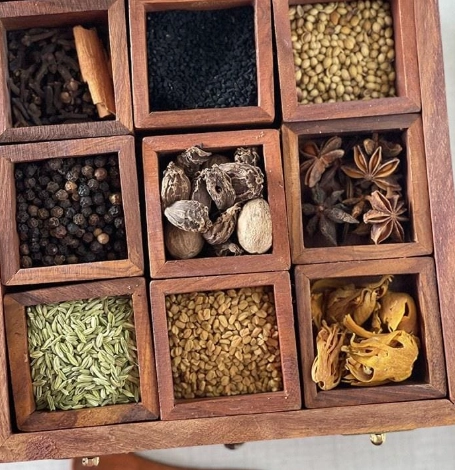
Your Spice Box Questions Answered
So, there you have it. The seven spices aren't just a list; they're a system. They're the alphabet you use to write the language of Indian flavor. Get a dabba, fill it with fresh versions of these seven, and keep it by your stove. The difference in your cooking won't be subtle. You'll stop following recipes note-for-note and start cooking by instinct. That's when the real magic happens.
Discussion