Your Flavor Roadmap
- The Spice Rack Foundation: Your Non-Negotiable Starters
- The Core Masalas: Understanding the "Why" Behind the Blend
- Two Classic Indian Masala Recipes, Deconstructed
- Your Toolkit: Techniques That Make All The Difference
- Answering Your Burning Masala Questions (FAQs)
- Let's Get Practical: A Simple Weeknight Recipe Framework
Let's be honest. The first time you peered into a recipe for butter chicken or chana masala, that list of spices probably looked like a foreign language. Cumin seeds, coriander powder, turmeric, garam masala—what even is all that? I remember my own first attempt. I used ground cinnamon instead of a cinnamon stick, my "roasting" of spices was more like incinerating them, and the resulting curry was... memorable, but not in a good way. It tasted bitter and one-dimensional.
That experience, though a disaster, taught me the most important lesson about Indian cooking: it's not magic, it's method. And at the heart of that method is the masala.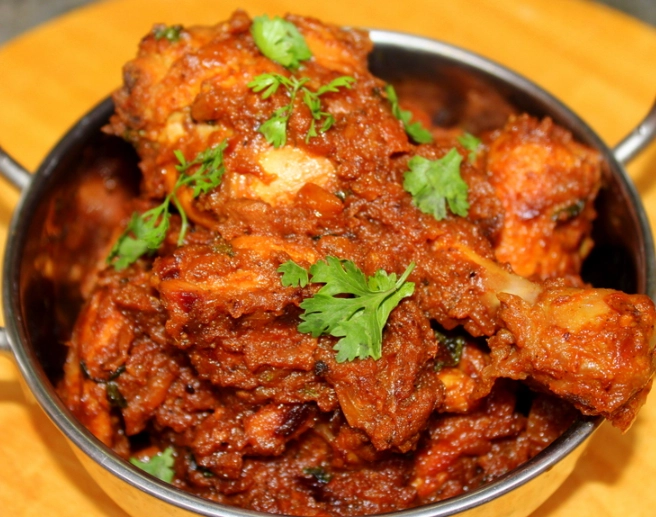
This guide isn't about overwhelming you with a hundred complex recipes. It's about giving you the foundation. We'll walk through the absolute essentials you need to start cooking authentic, soul-warming Indian food at home. By the end, you'll look at that spice list not with fear, but with excitement. You'll know what each element brings to the party.
The Spice Rack Foundation: Your Non-Negotiable Starters
You don't need a cupboard overflowing with 50 jars. Start with these core eight. Trust me, with these, you can make a shocking variety of Indian masala recipes. I buy most of mine whole and toast/grind them as needed—the flavor difference is night and day—but good-quality pre-ground is a perfectly fine place to begin.
| Spice (Whole & Ground) | Flavor Profile | Its Job in the Masala | My Buying Tip |
|---|---|---|---|
| ? Cumin Seeds (Jeera) | Earthy, warm, slightly nutty and citrusy. | The bass note. It grounds the blend. Often the first spice sizzling in the oil. | Buy whole seeds. Their aroma is more complex than the powder. |
| ? Coriander Seeds (Dhania) | Light, floral, lemony, and subtly sweet. | The balancing act. It rounds out sharper flavors and adds depth. | Again, whole seeds are superior. Toast lightly until fragrant. |
| ? Turmeric Powder (Haldi) | Earthy, peppery, slightly bitter. Imparts a golden hue. | Color and foundational earthiness. A little goes a long way. | Get a good brand to avoid chalky, dull powder. It should be vibrant orange-yellow. |
| ? Red Chili Powder (Lal Mirch) | Pure, straightforward heat. Varies from mild to fiery. | Provides the heat level. Not to be confused with paprika (which is sweeter). | Start with Kashmiri red chili powder. It gives great color and mild heat. |
| ? Garam Masala | Warm, sweet, complex (cinnamon, cardamom, cloves, etc.). | The finishing touch. Added at the end to perfume the dish. | Don't cook it for long! Add it in the last 5 minutes. Consider making your own blend—it's easier than you think. |
| ? Mustard Seeds (Rai) | Pungent, nutty, sharp. They "pop" when fried. | Texture and a pungent kick. Essential for South Indian and tempering (tadka). | Get the black or brown ones for Indian cooking. Yellow ones are milder. |
| ? Dried Fenugreek Leaves (Kasuri Methi) | Bitter, aromatic, slightly sweet, reminiscent of maple and celery. | The secret weapon. Crushed and added at the end for a distinct, restaurant-style aroma. | Buy a small packet. Crush between your palms before adding. Store in the freezer. |
| ?️ Green Chilies & Ginger-Garlic Paste | Fresh heat & pungent, aromatic base. | The fresh element. Forms the wet base of countless masala pastes. | Make your own ginger-garlic paste (3 parts garlic, 2 parts ginger, blended with a touch of oil). It's infinitely better than store-bought. |
See? Not so scary. With these players, you're already 80% of the way there. The real art is in the combinations.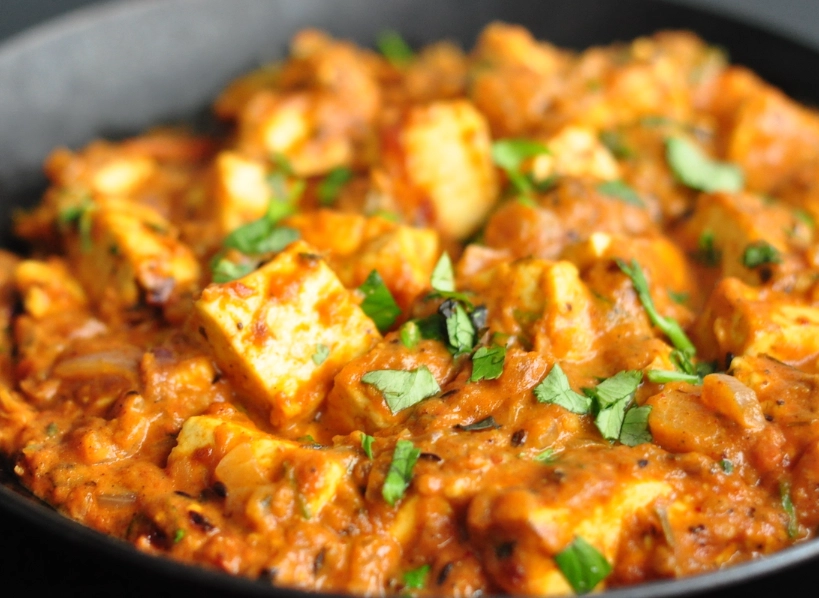
The Core Masalas: Understanding the "Why" Behind the Blend
Think of these as your pre-made toolkits. Each has a specific personality and purpose. Knowing them helps you read any recipe and instantly understand its flavor direction.
Garam Masala: The Warm Heart
This is the king of dry blends. "Garam" means "hot," but it refers to the warming nature of the spices, not Scoville heat. Every family has their own ratio, but it typically includes cinnamon, cardamom (green and black), cloves, black pepper, cumin, and sometimes nutmeg or mace.
Here's the thing most beginners miss: Garam masala is a finisher. If you fry it for too long, those delicate top notes of cardamom and clove just vanish, leaving behind a flat, slightly bitter taste. Sprinkle it in at the end, let it simmer for just a minute or two, and it will make your whole kitchen smell incredible.
Want to try a classic, balanced version? The BBC Good Food's garam masala recipe is a reliable, well-tested starting point. I sometimes add a single star anise to mine for extra depth.
Chaat Masala: The Tangy Sprinkler
This is a game-changer for fruits, salads, roasted veggies, and even drinks. Its signature sourness comes from dried mango powder (amchoor) and black salt (kala namak), which has a distinct sulfuric, eggy note. It's salty, tangy, spicy, and utterly addictive.
I keep a shaker of it on my table. Sprinkle it on watermelon. Life-changing. It's not typically used as a cooking masala for curries but as a final seasoning.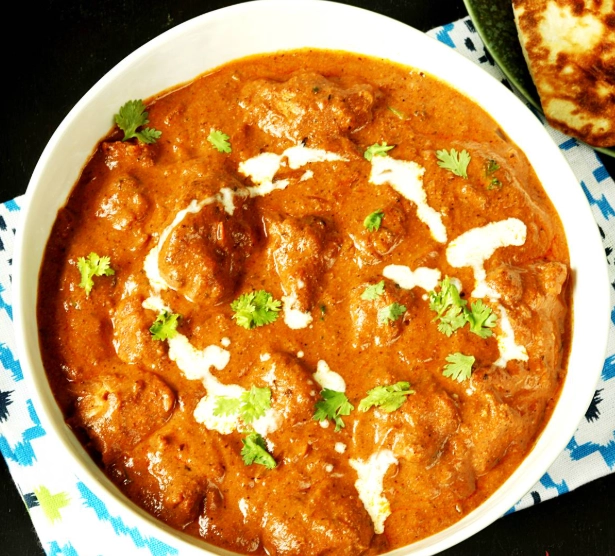
Regional Stars: Chana Masala & Sambar Powder
These are dedicated blends for specific dishes. Chana Masala powder is robust, heavy on dried pomegranate seeds (anardana) and amchoor for tanginess, perfectly tailored to stand up to the heartiness of chickpeas.
Sambar Powder is the soul of South Indian lentil stew. It's complex, featuring coriander, cumin, fenugreek seeds, dried red chilies, and almost always includes asafoetida (hing) and curry leaves for that unmistakable savory-umami punch. The quality of your sambar powder makes or breaks the dish.
Two Classic Indian Masala Recipes, Deconstructed
Let's apply this knowledge. Here are two beloved dishes, broken down into their masala components. I'll tell you exactly what each spice is doing in there.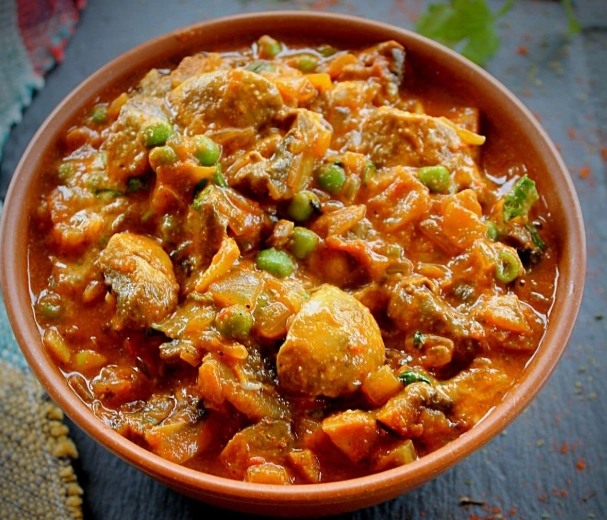
North Indian Classic: Butter Chicken (Murgh Makhani) Masala
The goal here is rich, creamy, tangy, and subtly sweet. The masala is all about creating a complex base for the tomatoes and cream.
- The Base (Tadka): Whole spices sizzled in ghee or oil—usually a bay leaf, a cinnamon stick, green cardamom pods, and cloves. This infuses the fat with their aroma.
- The Aromatic Paste: Onions, ginger, garlic, and green chilies fried until golden. This is your flavor foundation.
- The Dry Spice Layer: Here's where the powdered magic happens. You add:
- Red Chili Powder: For color and gentle heat.
- Coriander Powder: A large amount! This is the main body of the spice flavor, providing sweet, floral notes.
- Turmeric: Just a pinch for color and earthiness.
- Garam Masala (first addition): A bit is added here to cook into the tomato base. - The Tang: Tomato puree or crushed tomatoes, sometimes with a touch of kasuri methi (dried fenugreek leaves) for that signature bitter-sweet aroma.
- The Finish: More garam masala stirred in at the very end, along with butter and cream. This final hit of garam masala is what you really smell.
See the layers? Fat infusion, aromatic base, sweet powdered body, tangy fruit, final perfume. That's the blueprint for so many North Indian Indian masala recipes.
Now, let's travel south.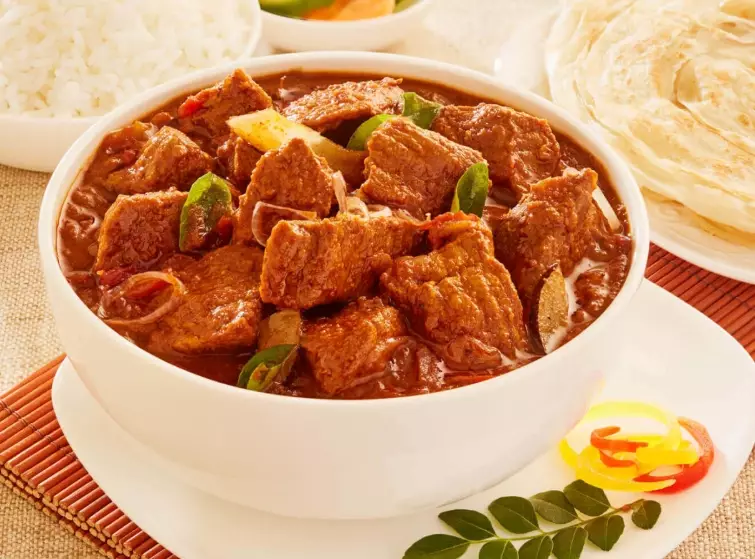
South Indian Staple: A Simple Sambar Masala Base
Sambar is lighter, brothier, and packed with a different kind of savory punch. The masala technique is distinct.
- The Tempering (Tadka/Oggarane): This often happens at the *end*. Mustard seeds, cumin seeds, dried red chilies, curry leaves, and a pinch of asafoetida are crackled in hot oil or ghee. The asafoetida is key—it has a savory, almost garlic-onion flavor that becomes magical when fried.
- The Lentil Base: Cooked pigeon peas (toor dal) form the body.
- The Vegetable & Tamarind: Vegetables like drumsticks, pumpkin, or okra, simmered in water with a souring agent—almost always tamarind pulp.
- The Star Spice Blend: Sambar powder is added to the simmering vegetables. This blend is heavy on coriander and cumin, with fenugreek seeds for bitterness, and lots of dried red chilies.
- The Finale: The cooked dal is mixed in, and then the hot tempering is poured over the top. The sizzle releases all the volatile aromas from the curry leaves and asafoetida right into the dish.
Completely different approach, right? The spices are often kept whole for the tempering, and the sourness comes from tamarind, not tomatoes. This is why understanding regional styles helps.
Your Toolkit: Techniques That Make All The Difference
Great ingredients are half the battle. How you treat them is the other half.
Blooming Spices (Tadka/Baghaar): This is the single most important technique in Indian cooking. It means frying spices in hot oil or ghee. Heat unlocks their volatile oils, transforming them from raw and dusty to fragrant and deep. Whole spices (cumin, mustard seeds) go in first until they sizzle or pop. Then you add powdered spices (coriander, turmeric) for just 30-45 seconds before adding your next ingredient (onions, tomatoes, etc.). This quick fry prevents the powders from burning but "cooks" their raw edge off.
Toasting Whole Spices: Before grinding your own blends, toast whole spices in a dry pan over medium-low heat until they smell incredible. Don't walk away. They go from toasted to burnt in seconds. I've ruined more batches than I care to admit by getting distracted.
The Onion Foundation: Many Indian masala recipes start with frying onions until deeply golden brown, not just translucent. This caramelization adds a foundational sweetness and color that you can't get any other way. It takes patience—sometimes 15-20 minutes of stirring. Don't rush it.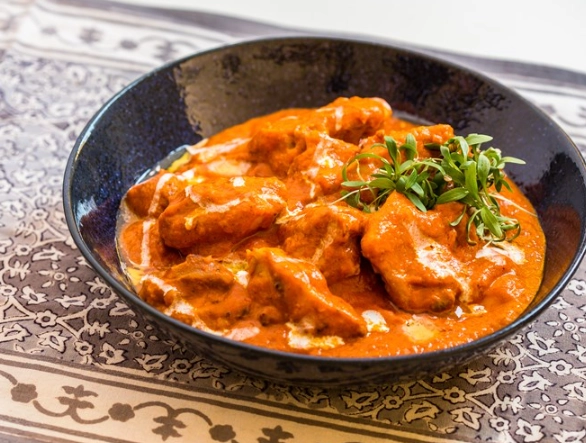
Low and slow wins the race.
Answering Your Burning Masala Questions (FAQs)
Let's Get Practical: A Simple Weeknight Recipe Framework
Here’s a template you can use with almost any protein (chicken, paneer, chickpeas) and vegetables. Memorize this flow.
- Heat oil/ghee in a heavy-bottomed pan.
- Temper whole spices: Add 1 tsp cumin seeds, 1-2 dried red chilies, 1 bay leaf. Sizzle for 30 seconds.
- Brown aromatics: Add 1 large chopped onion. Cook on medium, stirring often, until deep golden brown (15 mins).
- Add wet paste: Stir in 1 tbsp ginger-garlic paste, 1 chopped green chili. Cook for 2 mins.
- Bloom powdered spices: Add 2 tsp coriander powder, 1 tsp cumin powder, 1/2 tsp turmeric, 1 tsp red chili powder. Cook, stirring constantly, for 45 seconds.
- Add main ingredient & liquid: Add your protein/veggies. Stir to coat. Add 1 cup chopped tomatoes or puree. Cook until tomatoes break down and oil separates.
- Simmer: Add 1/2 to 1 cup water, salt. Cover and simmer until everything is cooked through.
- Finish: Stir in 1 tsp garam masala and 1 tsp crushed kasuri methi. Cook for 2 more minutes. Garnish with cilantro.
That's it. That's the skeleton of countless dishes. Once this feels comfortable, you can start tweaking—more ginger, less chili, adding cream or yogurt, using mustard seeds in the tempering.
The world of Indian masala recipes is vast and deeply rewarding. It's about intuition and taste, not just rigid formulas. Start with these foundations. Burn a spice or two along the way—everyone does. Taste constantly, adjust fearlessly, and most importantly, enjoy the incredible aromas that will soon be filling your kitchen. You're not just following a recipe; you're learning a language of flavor. And once you know the alphabet, you can start writing your own stories.
Discussion