Your Cooking Roadmap
Let's be honest. Your first attempt at a proper Indian curry probably didn't go as planned. Mine sure didn't. I remember standing there, a cloud of cumin smoke filling the kitchen, wondering why my dish tasted flat and one-dimensional while the one from my favorite takeaway spot was a complex symphony of flavors. That's when I realized there's a massive gap between following a recipe and actually understanding how Indian cooking works. It's not just about throwing spices in a pot. It's a whole different approach.
Over the years, through trial and a lot of error (and some genuinely inedible meals), I've gathered what I consider the true, practical Indian cooking tips and tricks that make all the difference. These aren't just vague suggestions. They're the foundational techniques that transform ingredients into something magical. We're going to move beyond the recipe card and dig into the why and the how.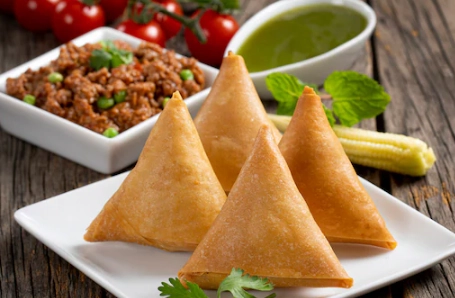
Forget Everything You Think You Know About Spices
This is where most home cooks get stuck. You buy a jar of pre-ground curry powder, use a teaspoon, and expect magic. It doesn't work like that. Indian spices are living ingredients. They have oils, aromas, and flavors that change dramatically with heat and time. Treating them with respect is the first and most crucial of all Indian cooking tips and tricks.
Your Spice Cabinet Non-Negotiables
You don't need fifty jars. Start with these core players. Trust me, a small collection of fresh, whole spices will outperform a giant rack of stale, pre-ground dust any day.
- Cumin Seeds (Jeera): The earthy, nutty backbone. Don't confuse it with ground cumin. The seeds are for tempering at the start of cooking.
- Coriander Seeds (Dhania): Citrusy and sweet. Almost always used ground. Buy whole seeds and toast/grind them yourself for a fragrance that will blow your mind.
- Turmeric (Haldi): For color and its subtle, earthy warmth. It can taste bitter if raw, so it always needs a quick cook in oil.
- Red Chili Powder: Not just heat. It provides depth and color. Kashmiri chili powder is my go-to—it gives a vibrant red without insane heat.
- Garam Masala: This isn't "curry powder." It's a finishing spice blend, added at the end of cooking or even sprinkled on top. Making your own is a game-changing Indian cooking trick (recipe below).
I made the mistake for years of using ancient ground coriander. The day I bought whole seeds, toasted them in a dry pan until they smelled like oranges, and ground them in a cheap coffee grinder I dedicate to spices... that was a revelation. The flavor was bright and alive, not dull and sawdust-like.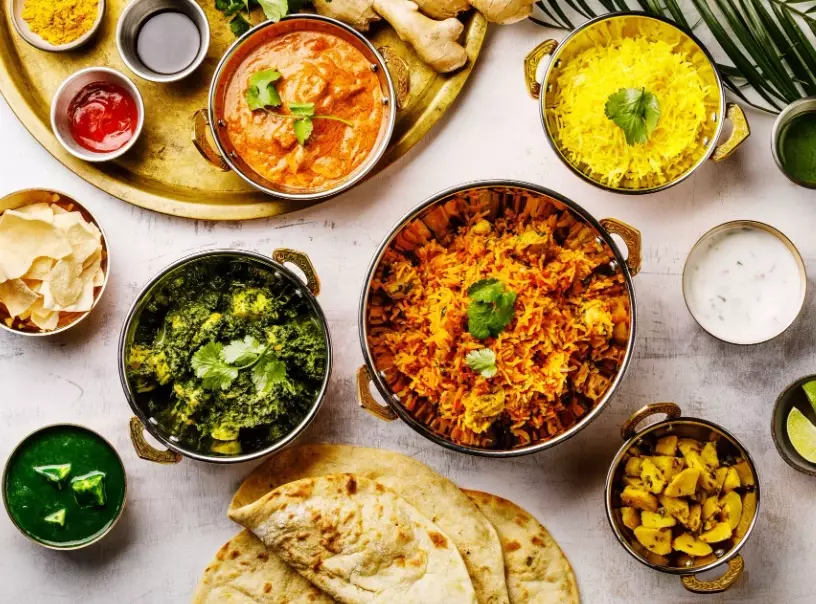
| Spice | Form to Buy | Key Role & When to Add | Common Mistake to Avoid |
|---|---|---|---|
| Cumin | Whole Seeds | Base flavor. Added to hot oil first to sizzle and infuse. | Burning them. They go from fragrant to bitter in seconds. Medium heat, constant stirring. |
| Coriander | Whole Seeds | Citrusy depth. Ground and added with other powdered spices after onions/ginger. | Using pre-ground that's more than a few months old. It loses all character. |
| Mustard Seeds | Whole Seeds (black or yellow) | Pungent pop. Tempered in oil until they "pop" like popcorn. Common in South Indian dishes. | Adding them to cold oil. They won't pop properly. The oil must be shimmering hot. |
| Cardamom | Whole Pods (green) | Floral, sweet aroma. Often added whole to rice or curries, then removed before eating. | Using the pre-ground powder. It tastes like perfume dust. Crush the pod lightly to release seeds. |
| Turmeric | Ground Powder | Color & earthy base. Added with other ground spices and cooked for 1-2 mins to remove raw taste. | Adding it at the end. It will taste bitter and stain the food without blending in. |
Homemade Garam Masala: Your Secret Weapon
Store-bought garam masala is fine in a pinch, but it's often flat. Making your own is simple and the flavor difference is astronomical. It's a blend of warming spices, not hot spices. Here's my go-to ratio, but feel free to adjust. The beauty is in the customization.
Toast these whole spices in a dry pan on low heat for 2-3 minutes until fragrant. Let them cool completely, then grind to a fine powder. Store in a dark jar for a month.
- 3 tbsp coriander seeds
- 2 tbsp cumin seeds
- 2 tbsp black peppercorns
- 1.5 tbsp cardamom pods (green)
- 1 small cinnamon stick (about 3 inches), broken
- 1 tsp whole cloves
- 1 tsp grated nutmeg (add after grinding)
This blend is subtle and complex. Add a pinch to your dal or curry in the last 5 minutes of cooking, or even sprinkle a little on top of your finished dish with some fresh cilantro. It wakes everything up.
The Cooking Process: It's All About Layers
Indian food isn't a dump-and-stir operation. It's built in deliberate stages, each developing flavor. Skipping a stage means missing a layer of taste. This structured approach is the core of reliable Indian cooking tips and tricks.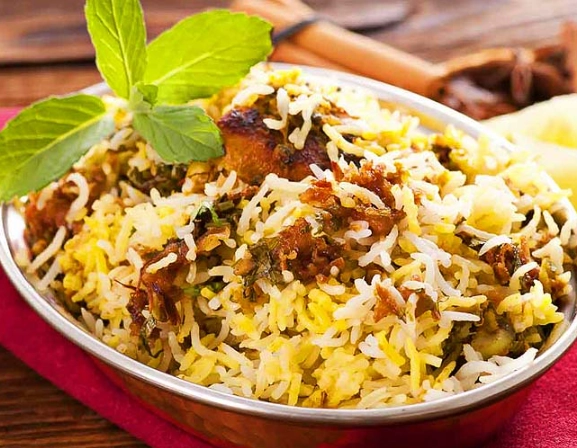
Stage 1: The Tempering (Tadka/Baghaar)
This is the absolute foundation. Whole spices (cumin, mustard seeds, curry leaves) are sizzled in hot oil or ghee. This isn't just for show. The heat extracts the essential oils and flavors from the spices and infuses them directly into the cooking fat, which then carries that flavor through the entire dish. If your oil isn't hot enough, the spices will just soak it up and taste greasy and raw. If it's too hot, they'll burn instantly. Look for the cumin seeds to darken a shade and sizzle actively. That's your cue.
Stage 2: The Onion Base (Bhuno)
Now you add your onions (and usually ginger-garlic paste). The goal here is not just to soften them, but to cook them slowly until they are deeply golden brown, almost caramelized. This can take 15-20 minutes on medium-low heat. Rushing this step is the #1 reason home curries taste thin and sharp. The browned onions provide a sweet, rich foundation. You're not sautéing; you're frying them patiently in the spiced oil.
Stage 3: The Ground Spice Cook-Off
Once your onions are perfect, you add your ground spices (turmeric, coriander, chili powder). Here's the critical part: you must cook them in the oil-onion mixture for at least 1-2 minutes, stirring constantly. You'll see the oil start to separate from the mixture. This means the raw taste of the spices has been cooked out, and their flavors have been "bloomed" and integrated. If you add liquid (tomatoes, water) immediately after adding the powder, your spices will taste raw and grainy.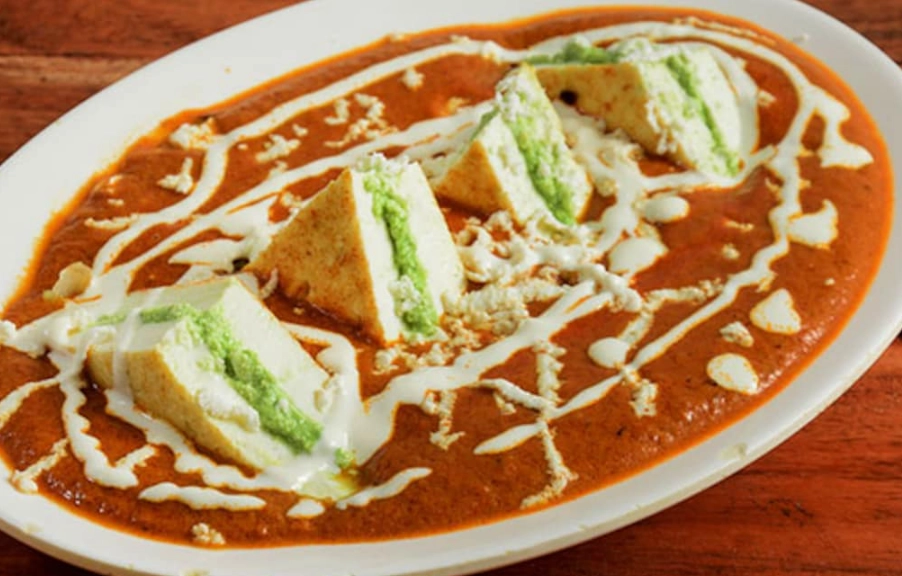
Stage 4: The Main Event & Simmering
Now you add your main ingredient (chicken, vegetables, lentils) and any wet components like tomatoes or yogurt. The key here is the simmer. A rapid boil will toughen meat and make lentils mushy on the outside and hard inside. A gentle, patient simmer allows flavors to marry and textures to become perfect. For a meat curry, this could be 30-45 minutes. For dal, even longer. This is where patience pays off.
Stage 5: The Finish
Finally, off the heat, you stir in your finishing touches. This is where delicate herbs (cilantro, mint), a dollop of cream, a squeeze of lemon, or that homemade garam masala come in. They add a final layer of fresh aroma and brightness that would be lost if cooked for too long.
See the pattern? It's a rhythm. Heat, layer, develop, repeat. Once you internalize this flow, you can cook any Indian dish from intuition.
Answering Your Biggest Indian Cooking Headaches
Let's tackle some specific, frustrating problems. These are the questions I had and the ones I see pop up all the time in cooking forums.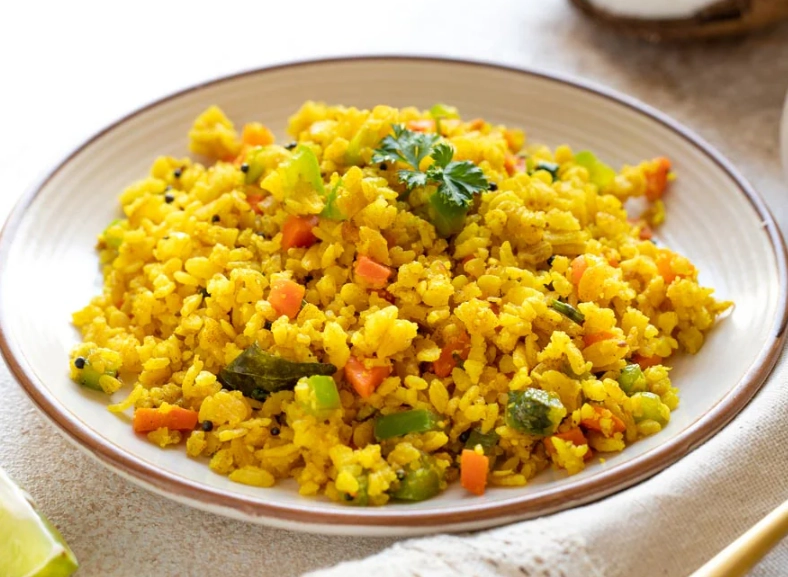
These practical Indian cooking tips and tricks solve 90% of the common frustrations. The other 10% is just practice.
Essential Techniques Beyond the Recipe
Some things you just have to see or feel. Here are techniques that are rarely written down clearly.
The "Onion Paste" vs. "Chopped Onion" Decision: For a smooth, restaurant-style curry (like butter chicken), you blend cooked onions into a silky paste. For a more rustic, textured curry (like a rogan josh), you chop them finely and cook them down. The choice defines the final texture of your sauce.
To Blend or Not to Blend: Immersion blenders are great for creamy lentil dishes (dal makhani) or tomato-based sauces. But for many vegetable curries, you want the pieces intact. It's a texture call.
The Ghee vs. Oil Debate: Ghee (clarified butter) has a high smoke point and a rich, nutty flavor that is irreplaceable in many North Indian dishes. It adds a luxurious depth. Neutral oils like vegetable or avocado are fine, but for authentic flavor, ghee is king for tempering and finishing. You can make your own easily by slowly simmering unsalted butter until the milk solids separate and brown, then straining them out. Resources like Serious Eats have a great scientific breakdown of the process.
Managing Heat Levels: Indian food isn't always face-meltingly hot. Heat is a seasoning. Control it by adjusting the type and amount of chili (fresh green chilies vs. red chili powder vs. black pepper) and remember you can always add more heat at the end, but you can't take it away. Serve with yogurt (raita) on the side to cool the palate.
Your Pantry and Equipment Shortlist
You don't need fancy gear. But a few key items make the process smoother.
- A Heavy-Bottomed Pot: This is non-negotiable. Thin pots cause hot spots that burn spices and onions. A Dutch oven or a heavy Indian-style kadhai (wok) is perfect for even heat distribution.
- A Spice Grinder: A dedicated coffee grinder (I got mine for $20) is the single best investment for fresh ground spices and making your own blends.
- A Mortar and Pestle: For small jobs like crushing cardamom pods, making ginger-garlic paste, or coarsely crushing peppercorns.
- Basic Ingredients Always on Hand: Onions, garlic, ginger, tomatoes (canned whole tomatoes are more consistent than fresh out of season), a few types of lentils (masoor dal cooks fast, great for weeknights), basmati rice, and your core whole spices.
I learned the hard way that using a cheap, thin saucepan was why my spices kept burning no matter how carefully I watched them. Upgrading to a decent heavy pot solved half my problems overnight.
Putting It All Together: A Simple Framework
Let's stop thinking about strict recipes for a second. Here's a mental template you can use for countless Indian dishes. This is the ultimate application of all these Indian cooking tips and tricks.
- Heat fat (oil/ghee) in your heavy pot over medium heat.
- Temper whole spices (cumin, mustard seeds) until fragrant (30-60 seconds).
- Add onions. Cook slowly until deeply golden brown (15-20 mins). Add ginger-garlic paste for last 2 mins.
- Add ground spices (turmeric, coriander, chili powder). Cook for 1-2 mins until fragrant and oil separates.
- Add main ingredient (e.g., chicken, cubed potatoes, cauliflower) and brown slightly.
- Add liquid (water, stock, crushed tomatoes). Season with salt. Bring to a boil, then reduce to a gentle simmer.
- Simmer covered until main ingredient is tender. Remove lid and simmer to thicken sauce if needed.
- Finish with garam masala, lemon juice, cilantro. Taste and adjust salt.
That's it.
You can make chicken curry, potato curry (aloo sabzi), or chickpea curry (chana masala) with this exact same sequence. The variables are the main ingredient and the specific spice combination. The method is constant.
Final Reality Check
Look, your first few attempts might not be perfect. Mine weren't. Sometimes the cumin will burn. Sometimes the curry will be too thick. That's okay. It's part of the learning process. The goal isn't robotic perfection; it's delicious food made with understanding.
The real Indian cooking tips and tricks boil down to this: respect your spices, master the layering of flavors, and have the patience to let the dish come together. It's a forgiving cuisine once you grasp its logic. Start with a simple dal or a basic potato curry. Get comfortable with the stages. Taste constantly. Adjust as you go.
Before you know it, you'll be looking at recipes as inspiration, not instruction manuals. You'll know why you're doing each step. And that cloud of cumin smoke in your kitchen? It'll smell like success.
Discussion