Your Quick Guide
Let's be honest. If you've ever stood in the spice aisle, looked at an Indian recipe, and felt completely lost, you're not alone. I've been there. The list of ingredients can look like a secret code. But what if I told you that a huge chunk of the most beloved Indian dishes—the creamy curries, the fragrant biryanis, the sizzling stir-fries—revolve around a core set of flavors? That's where the idea of the "essential seven" comes in.
It's not some rigid, ancient law carved in stone. You won't find a single, universally agreed-upon scripture that lists the seven holy spices of India. The country's cuisine is far too diverse for that. But ask any Indian home cook about their masala dabba—that classic stainless steel spice box—and you'll start to see a pattern. Certain spices are always within arm's reach, the workhorses of the kitchen.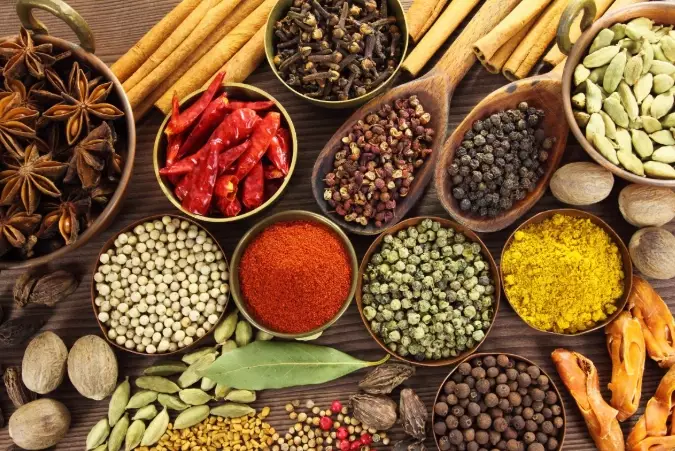
I remember the first time I tried to make a proper dal. I had lentils, I had water... and a vague notion that spices were involved. My attempt was, to put it kindly, bland. It was missing that warm, earthy, complex depth I loved from my favorite restaurant. The problem? I was treating spices as an afterthought, not as the main event. Understanding this core group changed everything for me.
Why These Seven? More Than Just a Number
You might wonder why we're talking about seven and not five or ten. It's a practical thing, really. These seven cover the fundamental flavor profiles needed: earthy, warm, pungent, sharp, and aromatic. They handle the jobs of tempering (that sizzling oil infusion at the start), building the main body of a curry, and adding final hits of heat or aroma. If your kitchen has these, you're about 80% ready to tackle a massive range of Indian dishes.
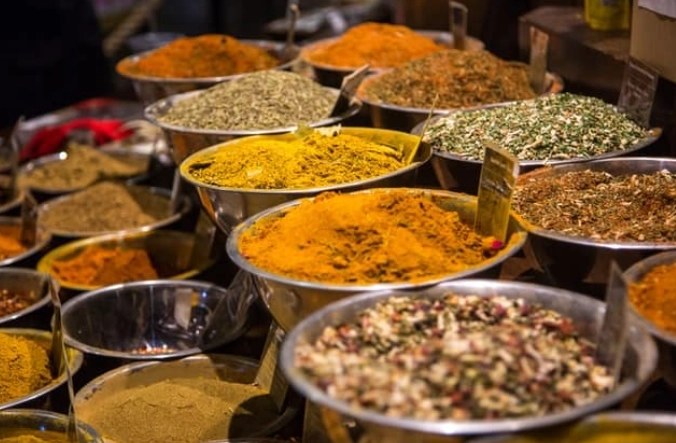
Some lists might swap one out—maybe cardamom for black pepper in certain regions—but the set we're discussing is the most common and versatile for North Indian-style cooking, which is what many people internationally first encounter. It's the perfect starting point.
The Definitive List: Your Guide to the Core Seven
Alright, let's get into the details. Here's a table that lays it all out—your cheat sheet for the 7 Indian spices you need to know.
| Spice | Form (How You'll Likely Buy It) | Flavor Profile | Its Main Job in the Kitchen | A Quick Health Note |
|---|---|---|---|---|
| Cumin (Jeera) | Seeds (whole) & Ground Powder | Warm, earthy, nutty, with a slight bitterness. | The backbone. Often the first spice sizzled in oil to create the flavor base for countless curries and dals. | Aid digestion. It's a classic remedy for bloating. |
| Coriander (Dhania) | Seeds (whole) & Ground Powder | Light, lemony, floral, and subtly sweet. | The balancer. It rounds out sharper flavors (like chili) and adds a fresh, citrusy depth to gravy bases. | May have anti-inflammatory properties. Often paired with cumin. |
| Turmeric (Haldi) | Ground Powder (sometimes fresh root) | Earthy, musky, slightly bitter, and peppery. | The color & foundation. Provides the iconic golden hue and a deep earthy base note. Always cooked in oil. | Curcumin is a potent anti-inflammatory. Stains everything yellow (be warned!). |
| Mustard Seeds (Rai/Sarson) | Tiny, hard seeds (yellow/black/brown) | Pungent, nutty, sharp when popped in oil. | The tempering star. Spluttered in hot oil to finish dals and veggie dishes, adding a pungent crunch. | Good source of selenium. That "pop" in hot oil is key—raw seeds are bland and bitter. |
| Black Pepper (Kali Mirch) | Whole Peppercorns & Ground Powder | Sharp, pungent, woody heat. | The heat regulator. Used for a penetrating, aromatic heat different from chili's fire. Great in marinades. | Piperine boosts nutrient absorption (like turmeric's curcumin!). |
| Red Chili Powder (Lal Mirch) | Fine Ground Powder | Straightforward heat, varying from mild to fiery. | The fire. Provides direct, vibrant heat and red color. Kashmiri chili powder is milder and gives great color. | Capsaicin can boost metabolism. Start mild—you can always add more. |
| Asafoetida (Hing) | Compounded Powder (mixed with flour) | Pungent, savory, garlic-onion like when cooked. | The flavor amplifier & digestive. A tiny pinch adds umami depth and makes other spices "pop." Essential for bean dishes. | Legendary anti-flatulent. Smells strong raw, transforms when cooked. |
Looking at that table, you start to see the magic. Cumin and coriander are often ground together. Turmeric and chili powder join them to form a base paste. Mustard seeds crackle in the finish. Black pepper adds a layer of heat. And asafoetida, that secret weapon, ties it all together. It's a system.
Cumin & Coriander: The Inseparable Duo
If Indian cooking had a royal couple, it would be cumin and coriander. You'll see "cumin-coriander powder" sold pre-mixed, and for good reason. They're almost always used together. Cumin provides that warm, grounding earthiness. On its own, it can be a bit dominant, even harsh. Coriander swoops in with its citrusy, floral notes to soften the edges and add complexity.
Buying them whole and dry-toasting them before grinding makes a world of difference. The aroma that fills your kitchen is unreal—it's the smell of real Indian food taking shape. Pre-ground powder works in a pinch, but it loses its vibrancy fast. I try to grind small batches every couple of weeks.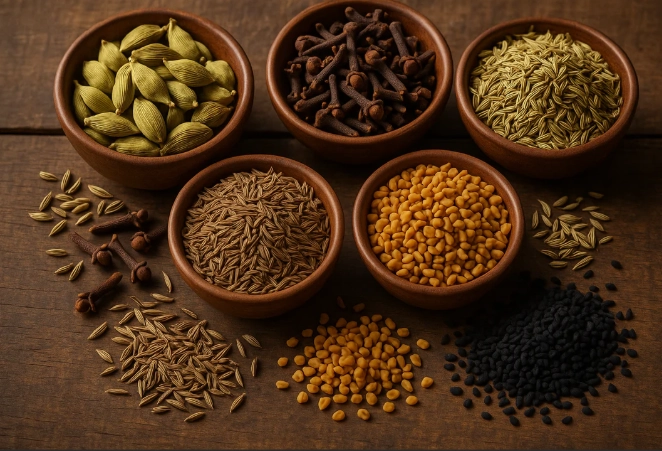
Turmeric: The Golden Goddess (That Stains)
No discussion about what are the 7 Indian spices is complete without bowing to turmeric. It's as much about color as it is flavor. That vibrant yellow is the visual signature of so many curries. But flavor-wise, it's not loud. It provides a deep, earthy, almost mineral-like foundation. A crucial tip: never add raw turmeric powder to water. It will taste bitter and chalky. You must cook it in oil or ghee, even for just 30 seconds. This "blooms" the spice, mellowing the bitterness and releasing its full flavor and color potential.
The Heat Department: Black Pepper vs. Red Chili
This is a key distinction that many newcomers miss. Black pepper and red chili powder provide two completely different kinds of heat. Black pepper is sharp, penetrating, and aromatic. The heat builds at the back of your throat. Red chili powder (depending on the type) is more of a direct, front-of-the-mouth, sometimes smoky fire.
They're used for different effects. Black pepper is great in dry rubs, marinades, and dishes where you want a warming heat without red color. Red chili powder is for when you want that classic curry heat and hue. Using both in a dish creates a more layered and interesting heat profile.
The Secret Weapons: Mustard Seeds & Asafoetida
Mustard seeds are all about technique. Throw them into a dish raw, and they're unpleasant little bitter nuggets. But toss them into hot oil or ghee? Magic. They pop, crackle, and release a nutty, pungent aroma that is the hallmark of a good tadka (tempering) for dals and subzis. The sound is your cue.
And then there's asafoetida (hing). I used to think it was optional. It's not. For Jain cuisine or people who don't eat onion and garlic, it's the essential savory substitute. But even for everyone else, a tiny pinch fried in oil at the beginning of a dish acts like a flavor amplifier. It makes the other spices taste more of themselves. It's also the ultimate remedy for beans and lentils'... gaseous side effects. A pinch in your dal while it cooks makes it much more digestible.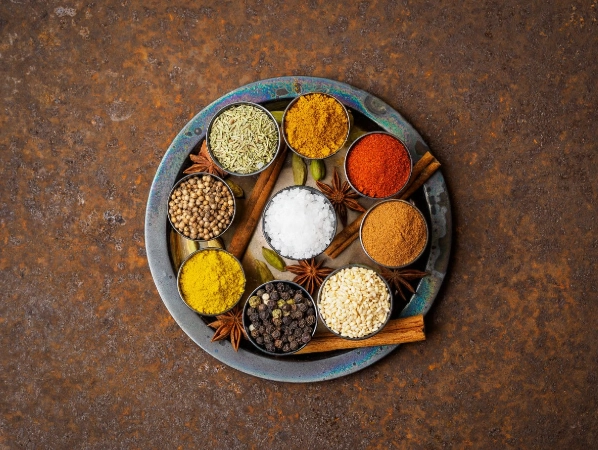
Beyond the Seven: The Supporting Cast
Now, if you stop at these seven, you'll make fantastic food. But Indian spice cabinets have glorious depth. Once you're comfortable with the core seven, these are the next ones to explore. They answer the question, "What are the 7 Indian spices... plus some more?"
- Cardamom (Elaichi): Green cardamom is intensely aromatic, floral, and sweet. It's the soul of biryani and many desserts. Black cardamom is smoky and camphorous—use one pod in a pot of curry for incredible depth.
- Cloves (Laung): Pungent, sweet, and numbing. One or two go a long way. They're often studded into onions for biryanis or added to rich meat curries.
- Cinnamon (Dalchini): Not the sweet roll cinnamon sticks! This is Cassia bark, thicker and with a spicier, more robust flavor. Used in savory dishes for warmth.
- Fenugreek Seeds (Methi): Bitter, maple-syrup smelling when raw, but when cooked correctly, they add a unique savory depth to pickles and certain curries. Fenugreek leaves (kasuri methi) are a dried herb that's a fantastic finisher for creamy curries.
- Fennel Seeds (Saunf): Sweet and licorice-like. Often chewed as a digestive after meals, but also used in certain curries and Kashmiri dishes.
And then you have the blends—the masalas. Garam masala ("warming spice mix") is the most famous, usually containing cardamom, cloves, cinnamon, black pepper, and more. It's typically added at the end of cooking or sprinkled on top. Think of it as the finishing touch, not the base.
How to Buy, Store, and Use Them: Practical Wisdom
Knowing what are the 7 Indian spices is half the battle. The other half is handling them right. Here’s what I’ve learned, often the hard way.
Storage: This is critical. Spices are killed by three things: light, heat, and air. That beautiful glass jar on the window sill above your stove? It's a spice killer. Store them in airtight containers (glass or metal) in a cool, dark cupboard. Your masala dabba is perfect for daily use, but refill it from your main stash kept in the dark.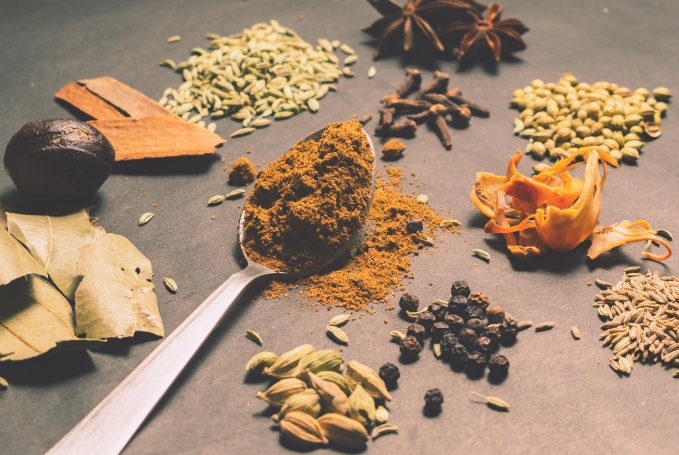
The Toasting & Grinding Game-Changer: For cumin and coriander seeds, take an extra five minutes. Dry toast them in a pan over medium heat until they darken a shade and become fragrant. Let them cool, then grind them in a cheap coffee grinder (dedicated to spices!). The flavor is brighter, warmer, and more complex than any pre-ground powder you can buy. It makes a noticeable difference.
Cooking Technique: Blooming in Oil (Tadka): This is the non-negotiable technique for most of these spices. Heating them in hot oil or ghee, even for 30-60 seconds, transforms them. It mellows raw edges, combines flavors, and infuses the entire oil with their essence. This flavored oil then coats every other ingredient you add. Whether it's mustard seeds at the end or cumin at the beginning, don't skip this step.
Answering Your Questions: The Indian Spice FAQ
Let's tackle some of the real questions people have after they learn what are the 7 Indian spices.
Look, diving into Indian spices can feel overwhelming. I get it. But when you break it down to this core team of seven, it becomes manageable. You start to recognize their individual voices in the food you eat. You gain the confidence to not just follow a recipe, but to understand why the recipe works.
So, what are the 7 Indian spices? They're your ticket. They're the keys to unlocking one of the world's most vibrant and beloved cuisines. Start with them. Get to know their personalities. Burn a few mustard seeds. Stain a countertop with turmeric. Inhale the aroma of toasted cumin and coriander. That's where the real cooking begins.
Discussion