I ruined my first batch of homemade samosas. The filling tasted bland, like mashed potatoes with a vague hint of yellow. The samosas were soggy, leaking oil. It was a culinary letdown after all that folding effort. That failure sent me on a quest, pestering home cooks, reading old cookbooks, and testing batches until the filling sang with flavor and the pastry crackled perfectly. This recipe is the result—a balanced, deeply spiced potato and pea filling that’s moist but never wet, and packed with the kind of taste that makes you close your eyes for a second.
Your Quick Guide to Samosa Success
Why This Recipe is the Best Samosa Filling You’ll Make
Most recipes get you to a decent filling. This one aims for memorable. The difference lies in treating each component with respect. It’s not just boiling potatoes and tossing in spices. The texture is crucial—a coarse mash with distinct pieces, not a smooth paste. The spices are bloomed in stages to unlock their full aromatic potential, a technique often glossed over. We also address the single biggest complaint about homemade samosas: a soggy, greasy interior. The solution is in how you handle the filling after it's cooked, a step most recipes completely ignore.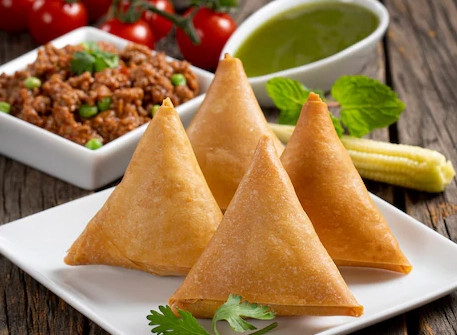
This approach creates a filling that is robust enough to stand up to frying without turning to mush, flavorful enough to be eaten on its own, and authentic in its balance of heat, tang, and earthiness.
The Detailed Recipe: Ingredients & Step-by-Step
Let's get specific. This isn't a vague list. Quantities matter, and so do the little details in the method.
What You’ll Need (The Shopping List)
For the Filling:
- Potatoes: 4 medium (about 500g) starchy potatoes like Russets or Yukon Gold. Starchy potatoes break down just enough to bind without becoming gluey.
- Peas: 1 cup fresh or frozen green peas. If using frozen, no need to thaw.
- Oil: 3 tablespoons of a neutral oil with a high smoke point, like sunflower or avocado oil.
- Whole Spices: 1 teaspoon cumin seeds, 1/2 teaspoon fennel seeds (the secret weapon), 1/2 teaspoon black mustard seeds.
- Aromatics: 1 large onion, finely chopped; 2-3 green chilies, finely chopped (adjust to heat preference); 1 tablespoon grated ginger; 3-4 garlic cloves, minced.
- Ground Spices: 1 teaspoon coriander powder, 1/2 teaspoon turmeric powder, 1/2 teaspoon garam masala, 1/4 teaspoon amchur (dry mango powder) OR 1 tablespoon lemon juice, 1/4 teaspoon red chili powder (optional, for more heat).
- Fresh Herbs: A big handful of fresh cilantro, finely chopped.

- Salt: 1.5 teaspoons, or to taste.
How to Make It: The Process, Not Just Steps
- Cook the Potatoes Right. Boil them whole with their skins on until just tender. A fork should slide in with slight resistance. Overcooking makes them waterlogged. Let them cool completely, then peel and mash coarsely with your fingers or a fork. You want chunks, not puree.
- Bloom the Whole Spices. Heat the oil in a large pan or kadai over medium heat. Add the cumin, fennel, and mustard seeds. Let them sizzle and pop for about 30 seconds until incredibly fragrant. This is flavor foundation number one.
- Build the Aromatic Base. Add the chopped onions. Cook, stirring often, for 6-8 minutes until they turn soft and translucent. Don’t rush to brown them. Then add the green chilies, ginger, and garlic. Cook for another 2 minutes until the raw smell disappears.

- Incorporate the Ground Spices. Lower the heat. Add the coriander powder, turmeric, and red chili powder (if using). Stir constantly for just 30 seconds. Toasting them in the oil for this brief moment removes any raw taste and deepens their flavor dramatically.
- Combine and Season. Add the coarse mashed potatoes and green peas. Mix everything thoroughly, breaking up any large potato lumps. Add the salt and cook for 3-4 minutes, letting the mixture dry out a bit. Stir in the amchur (or lemon juice) and garam masala. Turn off the heat.
- The Critical Resting Step. Fold in the fresh cilantro. Now, spread the filling out on a large plate or tray and let it cool to room temperature completely. This allows excess moisture to evaporate and the filling to firm up, which is the absolute key to preventing soggy samosas later.
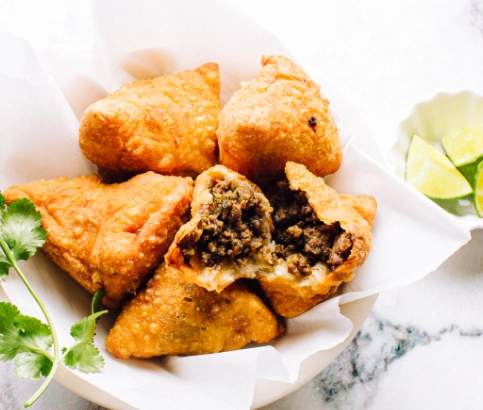
Pro Texture Tip: After cooling, pick up a handful of filling and squeeze lightly. It should hold its shape without oozing water or oil. If it feels wet, cook it for another few minutes over low heat, stirring, to drive off more moisture.
Expert Tips, Tricks & Common Mistakes to Dodge
Here’s where years of trial and error pay off. These aren't just suggestions; they're the guardrails that keep you from my first samosa disaster.
The Spice Sequence is Everything
Adding all your spices at once is a common rookie mistake. Whole seeds need hot oil to crackle and release their essence. Ground spices need a gentler, brief toast in the cooked onion mixture to mellow out. Adding garam masala at the end preserves its delicate, warming notes. Fennel seeds are my non-negotiable addition—they add a subtle sweetness and complexity that most street-style samosas have.
Mastering the Filling Texture
Soggy filling is the enemy of a crisp samosa. It steams the pastry from the inside. We combat this three ways: using starchy potatoes, cooking the filling until it’s quite dry, and the mandatory cooling step. When you let the filling cool completely, the potatoes re-absorb some of the released moisture and the whole mixture sets. A warm filling will instantly make your samosa wrapper soggy and difficult to seal.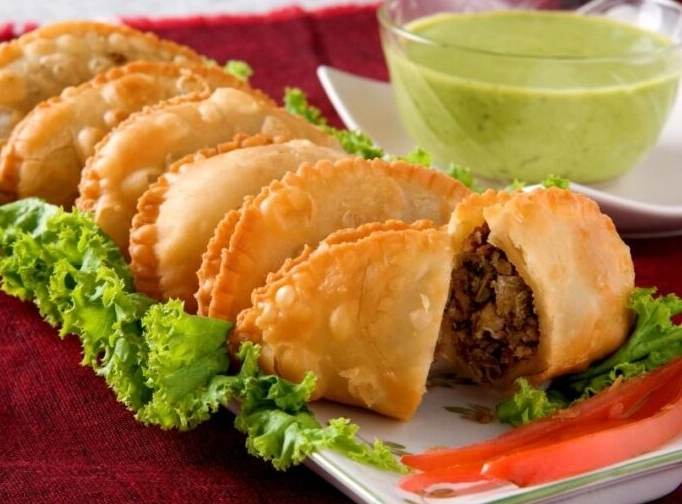
The Big Mistake: Using waxy potatoes (like red potatoes) or overcooking them into a smooth paste. This creates a gummy, dense filling that lacks character and holds too much water.
Frying for the Perfect Golden Crunch
Your filling is perfect. Don’t ruin it now. Heat your oil to 325-340°F (160-170°C). This medium temperature is vital. Too hot, and the outside browns before the inside heats through. Too cool, and the samosas soak up oil and become greasy. Fry in batches without crowding the pan. They should take 6-8 minutes to become evenly golden brown and supremely crisp. Drain on a wire rack, not paper towels—this keeps the bottom from getting steamy.
I sometimes add a tablespoon of semolina or fine sooji to the cooled filling if I feel it’s still a bit soft. It acts as a natural absorbent and adds a slight graininess that mimics the best street food samosas.
Discussion