Let's be honest. Most attempts at making Indian sauce at home start and end with a jar of generic curry powder. The result is often a one-dimensional, dusty-tasting gravy that bears little resemblance to the vibrant, layered sauces you get at a good restaurant. I know because I've been there. The real secret isn't a magic spice blend—it's understanding a few foundational techniques. Once you master these, you can create an entire universe of dishes, from a simple chana masala to a rich butter chicken. This guide breaks down three essential Indian sauce bases: the tangy tomato gravy, the deep-flavored onion gravy, and the luxurious creamy base. We'll go step-by-step, and I'll point out the exact moments where most home cooks go wrong.
What You'll Learn Inside
The Real Philosophy Behind Indian Sauces
First, let's ditch the word "curry." It's too vague. Indian sauces are built, not dumped. The process is called "bhunao"—which translates roughly to frying and stirring until the oil separates. This isn't just cooking; it's developing flavor. You're caramelizing onions, roasting spices in fat, and reducing tomatoes until they lose their raw edge and the oil pools around the edges. That moment when the oil separates is your visual cue that the base is ready. It means the water has cooked off and the flavors have concentrated. If you add your main ingredient before this point, you'll end up with a watery, bland sauce. I learned this the hard way after several disappointing pots of mushy vegetables floating in a thin, red liquid.
The other key is the sequence. It's almost always: heat oil/butter → whole spices → aromatics (ginger, garlic, chilies) → powdered spices → main base (onions or tomatoes). Adding powdered spices directly to hot oil for a few seconds before the wet ingredients hit is crucial. It toasts them, unlocking aromas that simmering alone won't achieve.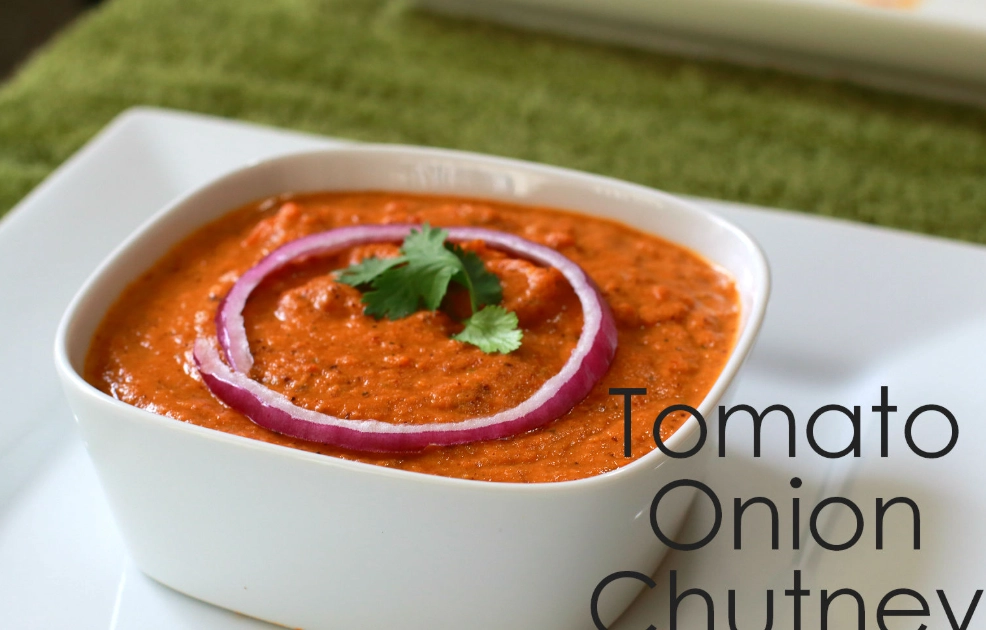
How to Make a Vibrant Tomato-Based Sauce
This is the workhorse for dishes like chana masala, rajma (kidney bean curry), and many egg or paneer preparations. The goal is sweet-tangy depth, not acidic sharpness.
Ingredients & The One Thing to Change
You'll need: 4 large ripe tomatoes (or a 400g can of good-quality crushed tomatoes), 1 large onion, 3 cloves garlic, a 1-inch piece of ginger, 2 green chilies, 1 tsp cumin seeds, 1 tsp turmeric, 2 tsp coriander powder, 1 tsp garam masala, 3 tbsp oil, salt, fresh cilantro.
Here's the non-consensus tip: Use both fresh and dry spices. Most recipes tell you to use one or the other. Toast your cumin seeds in the oil first. Then, after you've fried your onion-ginger-garlic paste and added your powdered coriander and turmeric, also throw in a tablespoon of kasoori methi (dried fenugreek leaves) at the end. Crush it between your palms first. It adds a subtle, bitter-sweet complexity that elevates a simple tomato sauce into something special.
The Step-by-Step Process
Blend the onions, ginger, garlic, and green chilies with a little water into a smooth paste. Heat the oil in a heavy-bottomed pan. Add cumin seeds and let them sizzle for 10 seconds. Add the onion paste. This is the first critical phase. Fry this paste on medium heat, stirring frequently, until it turns a light golden brown and most of the moisture has evaporated. This can take 8-10 minutes. Don't rush it. A pale onion paste tastes raw and will ruin the sauce.
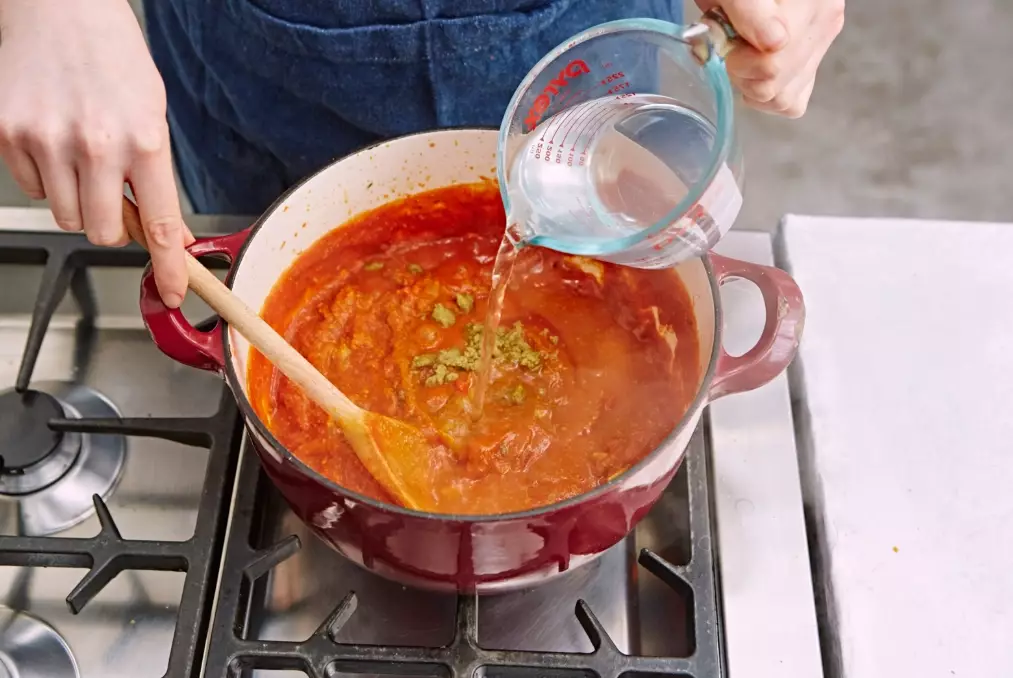
Now add the turmeric and coriander powder. Stir for 30 seconds—you'll smell the spices waking up. Add your tomatoes (if using fresh, purée them first). Add salt. Cook on medium-low heat, stirring occasionally. You'll see the mixture bubble, thicken, and darken. Keep going. The finish line is when the oil starts to glisten on the surface and separate from the thick paste. This is the "bhunao" complete. Now you can add boiled chickpeas or kidney beans, some water, and simmer. Finish with garam masala and crushed kasoori methi.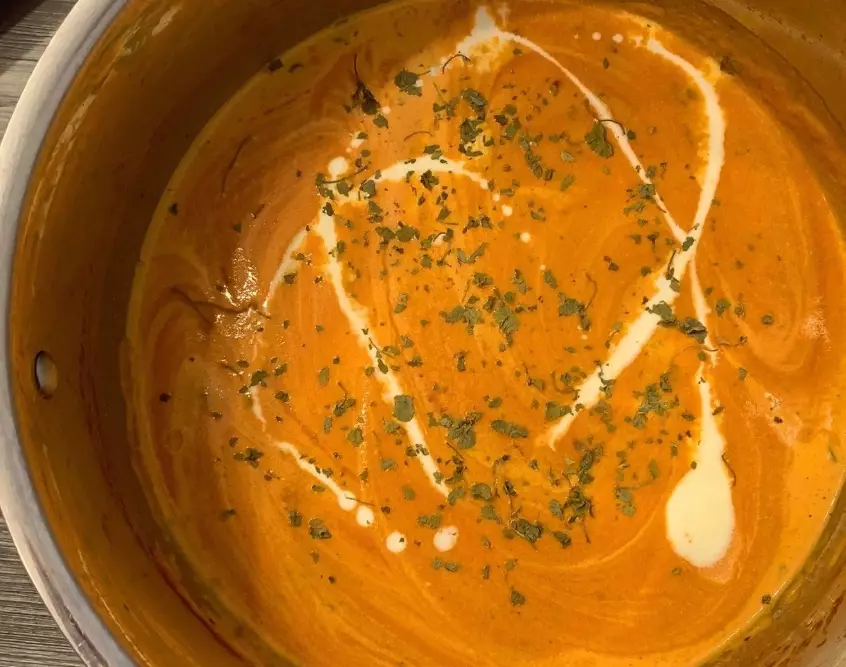
Building a Deep, Sweet Onion Gravy
This is the foundation for classic restaurant-style dishes like butter chicken, chicken tikka masala, and many kormas. Its magic lies in the slow, patient caramelization of onions.
Why Your Onion Gravy Tastes Bitter
You sliced onions, fried them quickly, blended them, and got a greyish, harsh-tasting paste. The problem is speed and size. For a smooth, sweet base, you need to slice onions thinly and cook them slowly in butter or ghee until they are deeply, uniformly golden brown—not just at the edges, but all the way through. This can take 25-30 minutes on low heat. Stir often to prevent burning. A splash of water can help deglaze if they stick. This isn't sautéing; it's a transformation. The natural sugars caramelize, creating a profound sweetness that balances spices and cream.
Once caramelized, let them cool completely before blending. Blending hot onions creates a starchy, gluey texture. Blend them with soaked cashews (for richness and body) and a little water or milk into the silkiest paste you can manage.
Putting It All Together
In your pan, heat butter. Add whole spices like a cinnamon stick, cardamom, and cloves. Add ginger-garlic paste, cook for a minute. Add your chosen powdered spices (like Kashmiri red chili for color, coriander). Pour in that luxurious onion-cashew paste. Now, bhunao again. Cook this paste, stirring, until the butter separates. See the pattern? Only then do you add tomato purée (just a little for tang, not the main character here), cream, and pre-cooked protein like grilled chicken tikka. Simmer gently; high heat will split the cream.
Creating a Rich, Creamy Sauce Base
Think of sauces like malai kofta or a rich paneer makhani. The creaminess often comes from nuts and dairy, not just heavy cream. Using only cream makes a sauce rich but flat. You need body and nuttiness.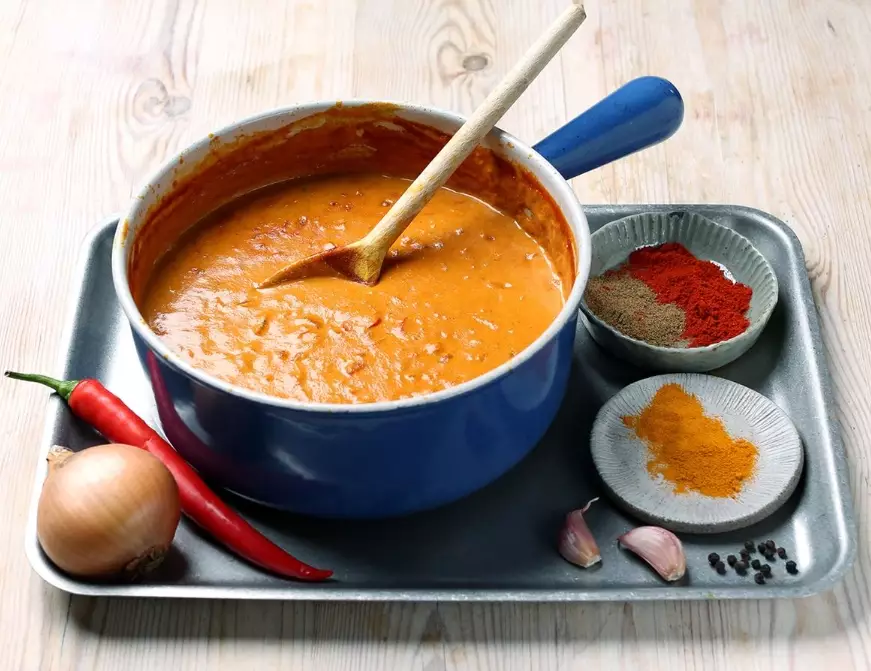
| Base Ingredient | Role in the Sauce | How to Prepare It | Best Used In |
|---|---|---|---|
| Raw Cashews | Adds thickness, creamy mouthfeel, mild sweetness. | Soak in hot water for 20 mins, then blend into a smooth paste. | Kormas, Makhani sauces. |
| Melon Seeds (Magaz) | Adds a velvety texture with almost no flavor of its own. | Soak and blend like cashews. A classic, less-known restaurant trick. | Royal Mughlai gravies, Koftas. |
| Yogurt / Hung Curd | Adds tang and tenderizes meat. Can split if not handled right. | Whisk until smooth. Add to the curry off the heat, or temper it with a little hot gravy first. | Kadhai dishes, Marinades for chicken. |
| Fresh Cream / Malai | Adds richness and sheen. A finisher. | Always add at the very end, after turning off the heat. Never boil vigorously. | Butter Chicken, Paneer Makhani. |
The process for a creamy sauce often combines the onion base technique with these enrichments. You might make an onion-cashew paste, cook it down, then finish with a swirl of cream and a knob of butter. The key is balance. Too many nuts can make it pasty. Too much cream can make it cloying. Start with modest amounts—a quarter cup of cashew paste for a sauce serving four is plenty.
My personal favorite hack for a quick, rich vegetarian sauce: Sauté spices, add a cup of pureed boiled vegetables (cauliflower and carrots work wonders), a handful of soaked cashews, and a cup of milk. Blend it all after cooking into a smooth soup, then simmer with paneer or vegetables. It's creamy, healthy, and deeply satisfying.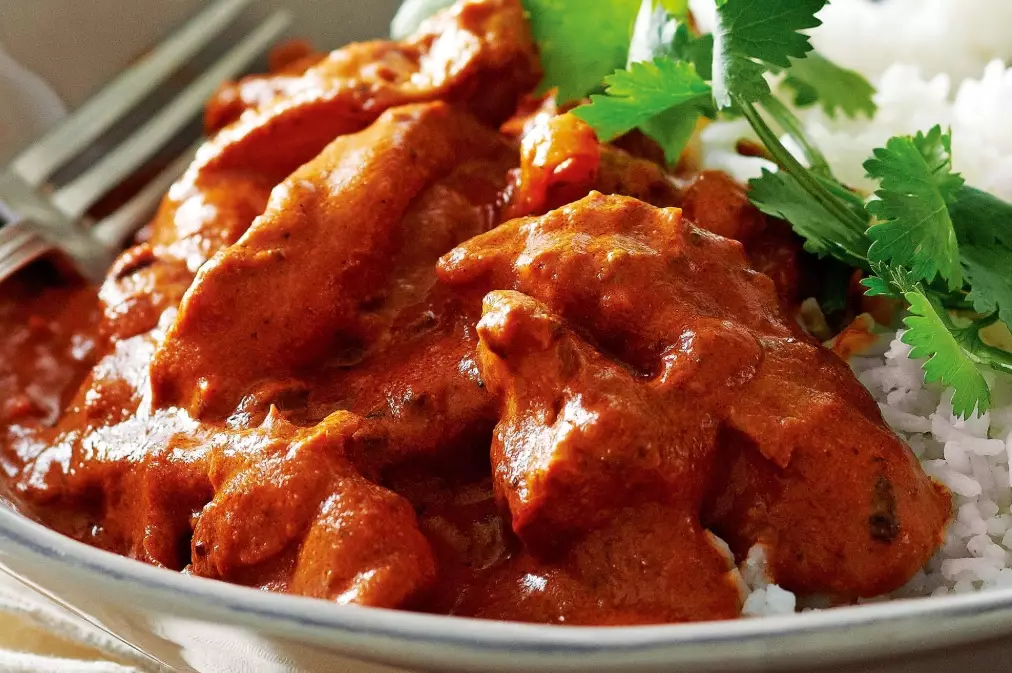
Your Indian Sauce Questions Answered
 Can I make these sauces ahead of time and how do I store them?
Stop looking for a single perfect recipe. Start practicing these base techniques. Cook a big batch of the tomato masala base this weekend. Freeze half. Use the other half to make chana masala on Monday and scrambled eggs Indian-style on Tuesday. See how one foundation creates multiple meals. That's the real power of learning how to make Indian sauce. It's not a recipe; it's a kitchen skill that pays off for life.
Discussion