Let's be honest. Most homemade tandoori chicken recipes miss the mark. You end up with something that's either too dry, lacks that signature smoky char, or just tastes like red-colored yogurt chicken. I've been there. After years of trial, error, and learning from chefs in Old Delhi, I've cracked the code for an authentic tandoori chicken recipe you can make without a professional tandoor oven. The real magic isn't just in the spices—it's in the technique, the patience, and a few counterintuitive steps most blogs skip.
What You'll Learn in This Guide
- What Makes Tandoori Chicken Authentic?
- The Non-Negotiable Ingredients Breakdown
- Step-by-Step Guide to Perfect Tandoori Chicken
- No Tandoor? No Problem: Best Cooking Methods
- Top 3 Mistakes That Ruin Your Tandoori Chicken
- Serving & Pairing: The Complete Experience
- Your Tandoori Chicken Questions, Answered
What Makes Tandoori Chicken Authentic?
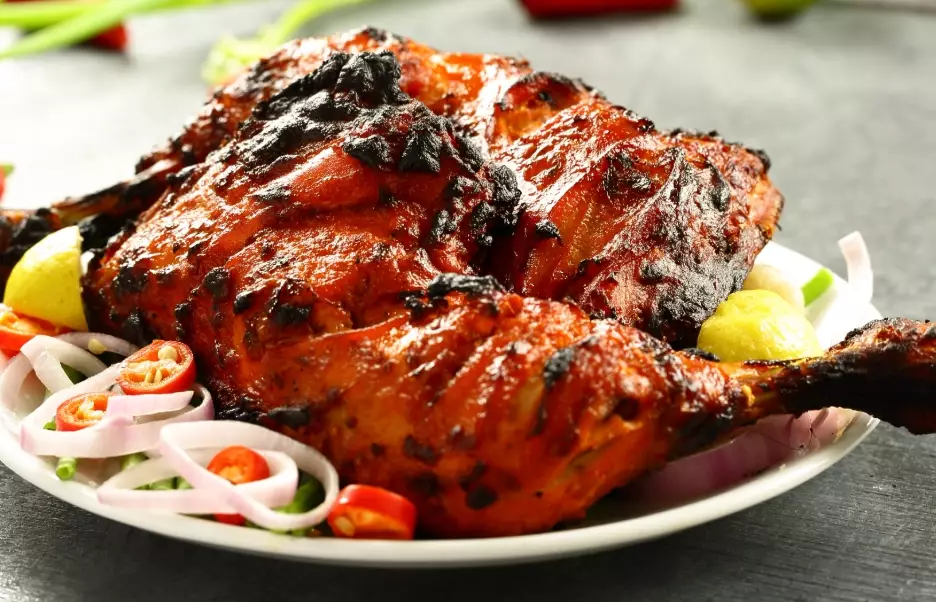
It's not just about throwing chicken in a marinade. Authenticity comes from a specific process. First, the chicken is traditionally skinned and scored deeply to the bone. This isn't for show—those cuts let the marinade penetrate the muscle, flavoring it from the inside out. Second, the marinade is yogurt-based, but not just any yogurt. Full-fat, slightly sour yogurt (dahi) is key for tenderizing. Third, the cooking method. A real tandoor is a cylindrical clay oven that hits temperatures of 900°F (480°C). This intense, radiant heat cooks the chicken quickly, sealing in juices while creating a slightly charred, smoky exterior. At home, we mimic this with very high heat in our ovens or grills.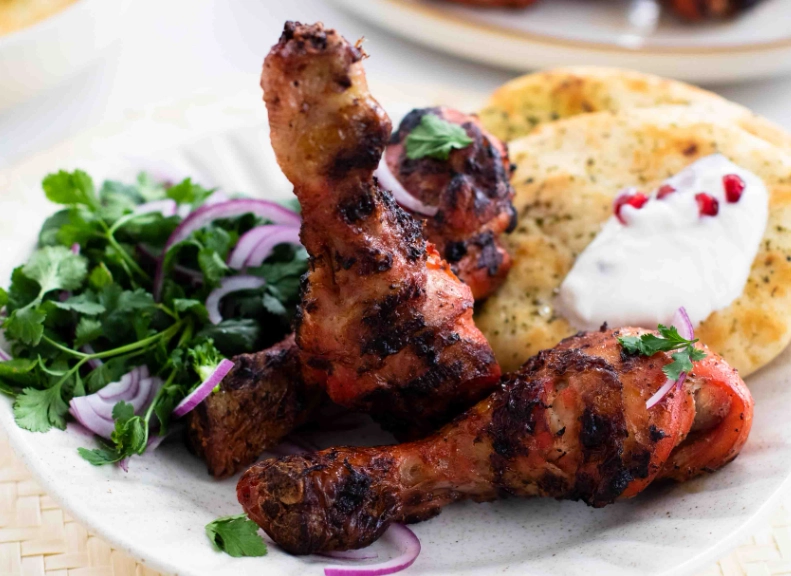
Many recipes get the color wrong too. That vibrant red isn't just food coloring. While commercial restaurants use a lot of it, the traditional hue comes from a combination of Kashmiri red chili powder (which is mild and colorful) and the natural caramelization from high heat. We'll use a balanced approach.
The Non-Negotiable Ingredients Breakdown
You can't substitute your way to authenticity. Here’s what you absolutely need and why. I've made the mistake of using Greek yogurt before—it's too thick and tangy, creating a pasty coating that doesn't tenderize the same way.
| Ingredient | Role & Why It Matters | Best Brand/Type (If Applicable) |
|---|---|---|
| Chicken (Leg Quarters or Thighs) | Bone-in, skinless. Bones add flavor and prevent drying. Thighs/legs stay juicier than breast meat. | Free-range if possible, for better texture. |
| Full-Fat Plain Yogurt | The marinade base. Fat carries flavor, and lactic acid tenderizes the meat deeply. | Indian "dahi" or whole-milk plain yogurt. Avoid Greek yogurt. |
| Ginger-Garlic Paste | Fundamental flavor base. Must be fresh, not powdered. | Make your own: blend equal parts fresh ginger and garlic with a splash of water. |
| Kashmiri Red Chili Powder | Provides vibrant color with mild heat. Essential for the classic look. | MDH or Everest brands. Substitute: 1 part sweet paprika + ½ part cayenne. |
| Garam Masala | The soul of the dish. A warm spice blend added at the end of cooking for aroma. | Freshly ground is ideal. Everest or Badshah are good store-bought options. |
| Mustard Oil | Adds a pungent, sharp note that is traditional. Also helps with tenderizing. | Pure mustard oil. If unavailable, substitute with vegetable oil + ½ tsp dry mustard powder. |
| Kasuri Methi (Dried Fenugreek Leaves) | Adds a subtle, bitter-sweet aroma. Rubbing it between your palms before adding is crucial. | Any Indian brand. Do not substitute with fenugreek seeds. |
| Lemon Juice | Acidity balances the richness and helps kick-start the tenderizing process. | Freshly squeezed. |
Pro-Tip on Sourness: If your yogurt isn't tangy enough, add a teaspoon of lemon juice or a pinch of amchur (dry mango powder) to the marinade. That slight sourness is a hallmark of good tandoori chicken.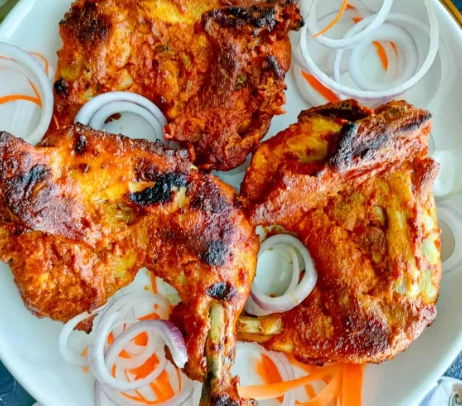
Step-by-Step Guide to Perfect Tandoori Chicken
This is where most go wrong by rushing. Follow this sequence religiously.
Step 1: Prepare the Chicken
Take 1.5 kg of chicken leg quarters or thighs. Remove the skin completely. Pat them utterly dry with paper towels. This is non-negotiable—a wet chicken won't take on the marinade or char properly. Now, make deep, diagonal slashes all the way to the bone, about 1-inch apart. Don't be shy. These gashes are flavor highways.
Step 2: The First Marinade (The Tenderizer)
This is a secret many home cooks skip. In a bowl, mix 2 tablespoons of lemon juice, 1 teaspoon of salt, and 1 teaspoon of Kashmiri red chili powder. Rub this mixture vigorously into the chicken, especially into the slashes. Let it sit for 20 minutes. The acid and salt begin breaking down the proteins.
Step 3: The Main Marinade (The Flavor Bomb)
While the chicken rests, make the main event. In a large bowl, combine:
- 1.5 cups full-fat yogurt
- 2 tablespoons ginger-garlic paste
- 1.5 tablespoons Kashmiri red chili powder
- 1 tablespoon ground cumin
- 1 tablespoon ground coriander
- 1 teaspoon turmeric
- 2 tablespoons mustard oil
- 1.5 teaspoons salt
- 1 tablespoon kasuri methi (crushed between your palms)
Whisk it into a smooth, thick, orange-red paste. Taste it—it should be boldly seasoned.
Step 4: Marinate & The Long Wait
Add the chicken from Step 2 to this yogurt mixture. Coat every nook, cranny, and slash. Cover and refrigerate. Here's the big one: marinate for at least 6 hours, but ideally 24 hours. Overnight is perfect. The yogurt needs time to work its tenderizing magic. Less than 4 hours and you're just flavoring the surface.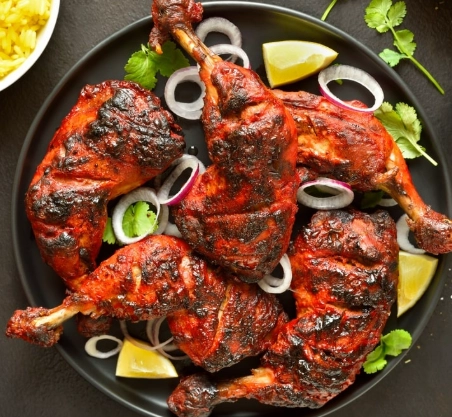
Common Pitfall: Don't add garam masala to the marinade. The long marinating time will dull its volatile, aromatic oils. We add it later.
Step 5: Bring to Room Temperature & Preheat Like Hell
An hour before cooking, take the chicken out of the fridge. Let it sit on the counter. This ensures even cooking. Meanwhile, preheat your oven to its highest possible setting—500°F (260°C) or more. If you have a convection/broil setting, use it. Place a rack in the upper third of the oven. Put a baking sheet on a lower rack to catch drips.
No Tandoor? No Problem: Best Cooking Methods
You have options. I've ranked them from best to good.
1. The Oven Broiler/Convection Method (My Go-To): Place the marinated chicken on a wire rack set over a baking sheet. This allows hot air to circulate. Broil on high for 8-10 minutes per side, watching closely for charring. The key is to get that blistering, slightly blackened effect. The internal temperature should reach 165°F (74°C).
2. The Charcoal/Gas Grill Method: Even better for smokiness. Get your grill screaming hot. Cook over direct high heat, lid closed, for 6-8 minutes per side. A little char is good. For extra smoke, you can add soaked wood chips (like apple or hickory) to your charcoal or in a smoker box on a gas grill.
3. The Air Fryer Method (For Convenience): It works surprisingly well. Cook at 400°F (200°C) for 15-18 minutes, flipping halfway. You won't get the same level of char, but it's juicy and fast.
The Final Touch: As soon as the chicken comes off the heat, brush it lightly with a mixture of melted butter and a teaspoon of garam masala. This adds a glossy finish and that last hit of aromatic spice.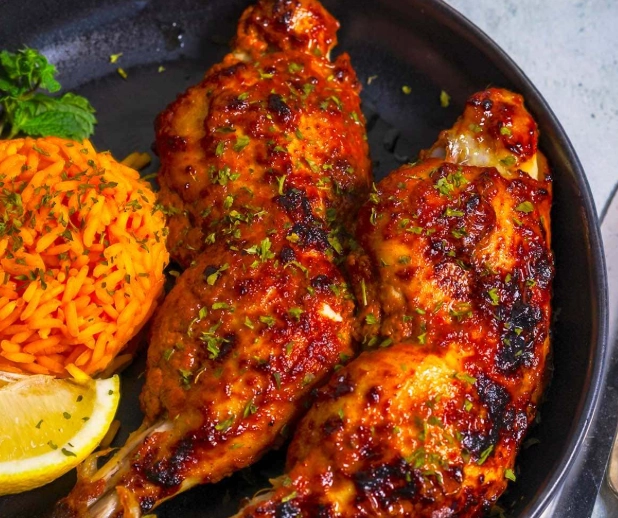
Top 3 Mistakes That Ruin Your Tandoori Chicken
- Using Boneless, Skinless Breast Meat: It almost always dries out. Stick to dark meat. If you must use breast, marinate it for no more than 4 hours and cook it to 155°F (68°C), then let it rest.
- Short Marination Time: Yogurt needs hours to tenderize. A 2-hour marinade is a surface-level flavor job. Plan ahead.
- Cooking at Too Low a Temperature: You're not baking a cake. You need blistering, inferno-level heat to mimic the tandoor and get the right texture.
Serving & Pairing: The Complete Experience
Authentic tandoori chicken isn't served solo. It's part of a symphony. Serve it on a bed of thinly sliced onions and lemons. The classic accompaniments are mint-coriander chutney and a side of sliced radishes for crunch. For a full meal, pair it with:
- Basmati Rice or buttery Jeera Rice.
- Dal Makhani (creamy black lentils) or Rajma (kidney bean curry).
- A simple Kachumber Salad (cucumber, tomato, onion).
- A cold, crisp Indian lager like Kingfisher.
Your Tandoori Chicken Questions, Answered
Why is my homemade tandoori chicken always dry, even when I use thighs?
Two likely culprits. First, you're overcooking it. Dark meat is forgiving, but hitting 185°F+ will squeeze out the juices. Use a meat thermometer and pull it at 165°F (74°C). Second, you might be skipping the "first marinade" with lemon juice and salt. That initial tenderizing step is critical for moisture retention.
Can I make the tandoori marinade ahead of time and freeze it?
You can, but with a caveat. Mix the dry spices and oil with the yogurt up to a day ahead. However, add the fresh ginger-garlic paste and lemon juice only when you're ready to marinate the chicken. The fresh elements lose their potency and can cause the yogurt to separate if stored too long.
My tandoori chicken isn't getting that smoky flavor in the oven. Any tricks?
There's a clever hack called the "smoked charcoal technique." After broiling, heat a small piece of charcoal on an open flame until it's red-hot. Place it in a small heatproof bowl (like a steel katori). Put the bowl in the center of your serving dish with the cooked chicken. Drizzle a teaspoon of oil or ghee over the hot charcoal—it will immediately smoke. Quickly cover the entire dish with a large lid or foil for 5-10 minutes. The chicken will absorb that authentic smoky aroma. Just be careful.
Is there a way to get the red color without artificial food coloring?
Absolutely. Rely on Kashmiri red chili powder—it's your primary color source. For a deeper hue, you can add a teaspoon of paprika. The high-heat cooking also creates a natural caramelized red-brown color. If you must, a tiny pinch of beetroot powder is a natural alternative to red food dye, but it can add a faint earthy taste.
How long do leftovers last, and how do I reheat them without drying them out?
Leftovers keep for 3-4 days in the fridge. The worst way to reheat is in the microwave—it turns them rubbery. Instead, wrap the chicken loosely in foil and warm it in a 300°F (150°C) oven for 10-15 minutes, or until just heated through. You can also reheat it in an air fryer at 350°F (175°C) for 3-4 minutes.
The journey to authentic tandoori chicken at home is about respecting the process. It's not fast food. It's the slow infusion of spices, the patience of marination, and the courage to apply serious heat. Forget the bright red, bland versions. With this guide, you're equipped to make tandoori chicken that's juicy, complex, and deeply satisfying—the kind that makes you forget about ordering takeout.
Discussion