Quick Guide to Indian Snacks
Let's be honest, when you first think about Indian food, your mind probably jumps to rich curries and fluffy naan. But let me tell you, you're missing out on the best part—the snacks. The world of Indian snacks is a universe of its own, bursting with colors, textures, and explosions of flavor that happen long before the main course even arrives. It's the food you grab on a busy street corner, the treats you share with friends over chai, and the crunchy bites that make rainy afternoons perfect. So, what are the popular Indian snacks that define this experience? That's exactly what we're diving into today.
I remember my first real encounter with this world. It wasn't in a fancy restaurant, but at a bustling street stall in Delhi. The air was thick with the scent of frying spices and chickpeas. I pointed at something golden and triangular—a samosa—and that first crispy bite, followed by the warm, spiced potato filling, was a revelation. It was so much more than just a fried pastry. It was a story. And that's the thing about Indian snacks; each one has a story, a region it calls home, and a specific time of day it's best enjoyed.
The Crown Jewels: India's Street Food Legends
If you want to understand the soul of Indian snacking, you have to start on the street. This is where snacks are a performance—cooked right in front of you, assembled with lightning speed, and served on a leaf or a disposable plate. The variety is staggering, but a few heroes have achieved nationwide, even global, fame. These are the answers you'll most commonly get when someone asks, "What are the popular Indian snacks?"
Let's break down the top contenders. I've put together a table of what I consider the undisputed Top 5 street snacks. You might argue with the order (and please do, that's half the fun), but it's hard to deny these classics.
| Snack Name | The Quick Description | Key Ingredients | Flavor Profile | Best Paired With |
|---|---|---|---|---|
| Samosas | The iconic fried or baked pastry triangle, stuffed to the brim. | Spiced potatoes, peas, lentils; pastry dough (maida). | Savory, earthy, warmly spiced (cumin, coriander). | Sweet & tangy tamarind chutney or mint-coriander chutney. |
| Pani Puri / Golgappa | A hollow, crispy puri filled with a flavored water explosion. | Semolina puri, spicy mint-cumin water (pani), tamarind, potato, chickpeas. | An incredible burst of tangy, spicy, sweet, and crunchy all at once. | It's a complete experience in itself. Just eat it fast! |
| Vada Pav | Mumbai's beloved answer to the burger. The ultimate comfort snack. | Spicy potato fritter (vada), soft bun (pav), dry garlic chutney. | Garlicky, spicy, potato-y, and incredibly satisfying. | A hot cup of cutting chai. Non-negotiable for the full effect. |
| Chaat (Bhel Puri, Papdi Chaat) | A family of savory-sweet-tangy salads with varying textures. | Puffed rice, sev, potatoes, chutneys, yogurt, spices. | Complex, tangy, sweet, spicy, crunchy, and soft all mixed together. | Enjoy as a light meal or a heavy snack. It's versatile. |
| Kathi Roll | Spiced fillings wrapped in a paratha or roti. Street food perfection. | Paratha, marinated chicken/paneer/egg, onions, chutneys. | Hearty, spiced, juicy, with the soft yet chewy texture of the bread. | On-the-go eating. It's the original Indian wrap. |
Now, a personal confession about pani puri. The first time I tried it, I was terrified. You have to put the whole thing in your mouth at once, or risk the spicy water (the *pani*) going everywhere. I chickened out and took a small bite. Big mistake. It was a messy, delicious disaster. My advice? Embrace the mess. That's part of the authentic experience when you're exploring what the most popular Indian snacks have to offer.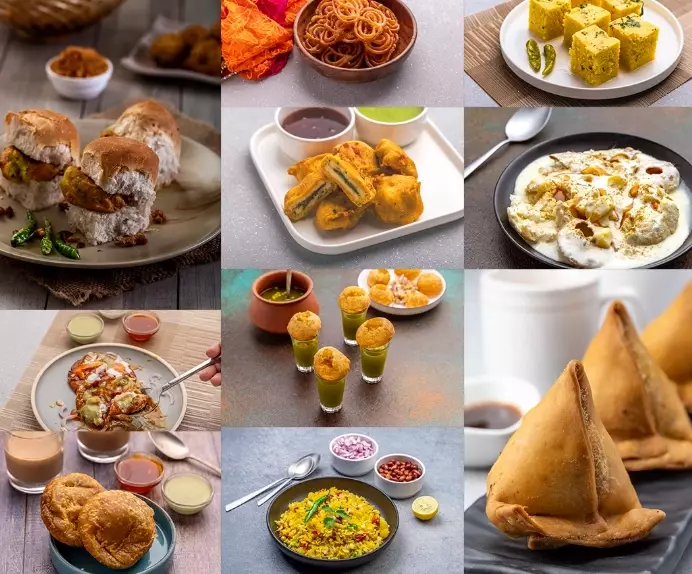
Beyond the Big Names: Street Food Gems
While the table covers the superstars, the streets have so much more. You'll find Bhajjias (vegetable fritters, similar to pakoras) being fried in giant kadais during the monsoon. Pav Bhaji, a buttery mash of mixed vegetables served with soft rolls, is a meal in itself. And then there's Dabeli from Gujarat, a sweet-spicy potato filling in a bun that's a close cousin to vada pav but with a totally different personality.
What makes a street snack truly popular? It's not just taste. It's portability, affordability, and that unbeatable combination of textures. Crunchy sev on top of soft potatoes, the crisp shell of a samosa giving way to a soft filling, the cold yogurt meeting warm spices in chaat. It's a sensory play.
Homemade Happiness: Snacks from the Indian Kitchen
Not all popular Indian snacks live on the street. A huge part of the culture revolves around homemade treats, often prepared for specific occasions, festivals, or just as an evening accompaniment to tea. These snacks often feel more wholesome and are where regional flavors really shine through.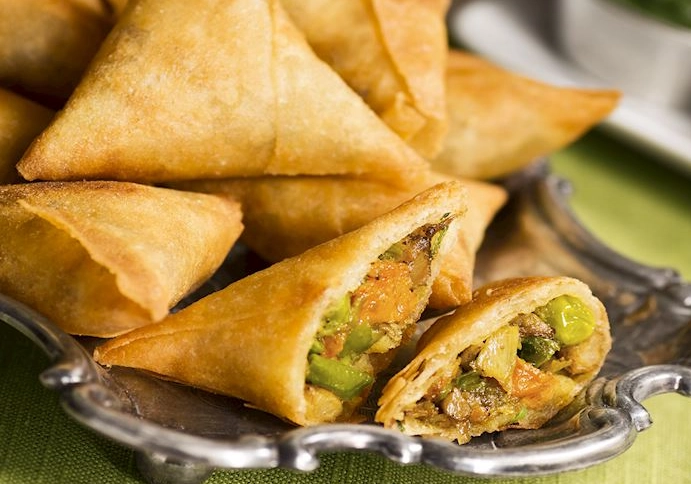
So, what are the popular Indian snacks you'd find in a home kitchen? The list is long, but here are some staples:
- Pakoras: This is the ultimate rainy-day or chai-time snack. Slices of onion, potato, spinach, or even paneer are dipped in a spiced chickpea flour (besan) batter and deep-fried until golden. My personal favorite is onion pakora—sweet, sharp onions in a crispy, savory coating. You can find countless regional variations, and every family claims their batter recipe is the best.
- Chivda (Bombay Mix): This is the Indian equivalent of trail mix or party mix, but infinitely more flavorful. It's a dry, savory mixture of flattened rice (poha), nuts, seeds, curry leaves, and spices. It's crunchy, addictive, and stores for weeks. Perfect for unexpected guests or a TV-watching companion.
- Murukku/Chakli: These are savory, crunchy spirals made from rice and lentil flour dough, often flavored with cumin or sesame seeds. They require a special press to make, so they're a labor of love, commonly prepared during Diwali. The store-bought versions are good, but the homemade ones have a distinct, delicate crunch.
- Poha/Upma: While sometimes considered a light breakfast, these are also classic snack-time foods. Poha is flattened rice cooked with turmeric, peanuts, and mustard seeds—light, lemony, and comforting. Upma is a savory porridge made from semolina (rava). Both are quick, easy, and incredibly satisfying.
I have a soft spot for homemade pakoras. The store-bought ones are fine in a pinch, but they're often too greasy and the batter is too thick. At home, you can control the consistency—make it thin and lacy for extra crispiness. It's a small detail, but it makes all the difference.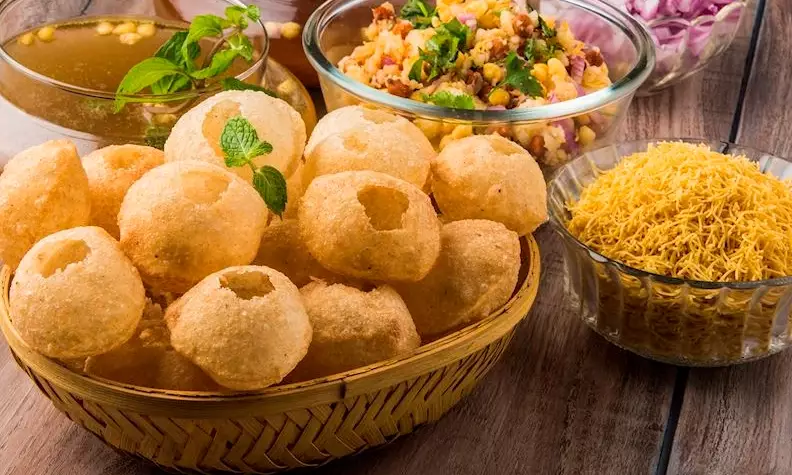
The Sweet Side of Snacking
We can't talk about snacks without the sweet treats. Jalebi, those bright orange, syrup-soaked coils, are served hot and are impossibly crispy yet juicy. Jalebi is a popular Indian snack that's almost a dessert. Then there's Mysore Pak, a rich, fudge-like sweet from South India made from ghee, sugar, and chickpea flour. It melts in your mouth. Kulfi is the traditional Indian ice cream, denser and creamier, often flavored with pistachio, cardamom, or mango. It's not a grab-and-go street snack like the others, but it's a definitive popular treat to end a spicy meal or cool off on a hot day.
A Quick Tour: Snacks by Region
India's diversity means the answer to "What are the popular Indian snacks?" changes dramatically as you travel. Here's a tiny glimpse:
- North India (Delhi, Punjab): This is the land of the hearty, fried, and robust. Think samosas, chole bhature (spiced chickpeas with fried bread), and aloo tikki (spiced potato patties).
- West India (Mumbai, Gujarat): The home of vada pav, pav bhaji, and dabeli. Gujarat also offers a world of fermented snacks like dhokla (steamed savory cakes) and khandvi (delicate rolled gram flour bites).
- South India (Tamil Nadu, Karnataka): Here, you'll find more steamed and rice-based snacks. Idli and dosa, though often breakfast, are popular snacks any time. Then there's vada (savory lentil doughnuts) and bajji (similar to pakora).
- East India (West Bengal, Odisha): Known for its love of fish and mustard oil, snacks here include fish chops (cutlets) and various pithas (rice cakes, both sweet and savory).
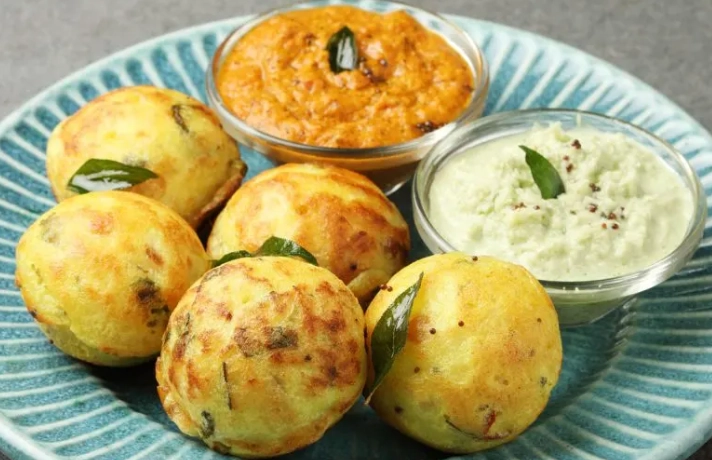
This is just scratching the surface. Every state, every city, often has its own signature bite.
How to Make Popular Indian Snacks at Home
You don't need to book a flight to try these. Many popular Indian snacks are surprisingly approachable to make at home. Let's take one of the easiest and most versatile: Basic Onion Pakora.
A Simple Pakora Recipe to Get You Started
This is a forgiving recipe. Don't stress about exact measurements.
- Slice: Thinly slice 2 large onions. Add a chopped green chili if you like heat.
- Mix Dry: In a bowl, take about 1 cup of chickpea flour (besan). Add 1 tsp salt, 1/2 tsp turmeric, 1 tsp red chili powder (adjust to taste), 1 tsp crushed coriander seeds, and a pinch of baking soda (for extra puff).
- Make Batter: Add the onions to the flour. Gradually sprinkle in water, mixing with your hands, until you have a thick, shaggy batter that just coats the onions. It should NOT be a smooth, pouring batter. That's the most common mistake—too much water makes soggy pakoras.
- Fry: Heat oil in a deep pan (medium heat). Test with a tiny bit of batter—it should sizzle and rise slowly. Drop small, uneven spoonfuls of the onion-batter mix into the oil. Don't overcrowd.
- Cook: Fry until golden brown and crisp, flipping once. Drain on paper towels.
Serve immediately with mint chutney or ketchup. They lose their magic if they sit for too long, so eat them hot. This basic method works for spinach, potato slices, or paneer cubes too.
For more authentic and detailed recipes, I often turn to reliable sources like Veg Recipes of India, which has an extensive, well-tested collection. For deeper cultural context and history behind dishes like samosa, the Encyclopedia Britannica entry on samosa offers a fascinating read.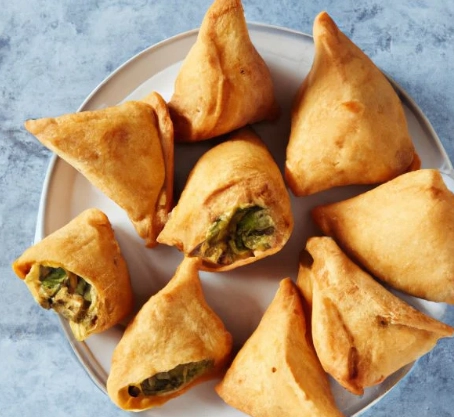
Your Questions Answered: Indian Snacks FAQ
See? It's not all about deep-frying.
Final Bites and Parting Thoughts
So, what are the popular Indian snacks? It's not a single list. It's a vibrant, noisy, delicious ecosystem. It's the crisp bite of a samosa on a train journey, the refreshing tang of pani puri on a hot day, the comforting warmth of pakoras during a monsoon downpour, and the sweet finish of a jalebi. It's street food that fuels cities and homemade treats that warm homes.
The best way to answer the question for yourself is to try them. Start with the famous ones from the table, then venture into the regional specialties. Don't be afraid to ask vendors what's in something. Most are proud of their food and happy to explain.
And if you're cooking at home, start simple. Master a good pakora or a basic plate of chaat. The ingredients are accessible, and the process is part of the fun. The smell of spices toasting will transport you.
Ultimately, exploring popular Indian snacks is a journey into the heart of everyday Indian life—one delicious, crunchy, spicy, sweet bite at a time. It's a journey well worth taking.
Discussion