Let's get straight to the point. The single best thing you can do to elevate your homemade naan from good to "how did you make this?" great is to add yogurt. Forget the dense, chewy discs that sometimes come out of a rushed kitchen experiment. A proper yogurt naan is soft, has a slight tang, and develops those beautiful, bubbly char marks that soak up curry like a dream. I learned this the hard way after a few too many failed batches that were closer to pita chips than fluffy bread.
What's Inside: Your Naan Roadmap
Why Yogurt is the Game-Changer for Naan
Most recipes online will tell you yogurt makes naan soft. That's true, but it's a shallow explanation. Here's what's really happening, based on my own kitchen trials and reading resources like the BBC Good Food guides on bread science.
The acidity in yogurt (lactic acid) does two critical things. First, it tenderizes the gluten strands in the flour. Think of it as relaxing the dough's structure, preventing it from becoming tough and elastic. Second, and this is the part most home cooks miss, it acts as a natural leavening agent when combined with baking powder. It creates tiny gas bubbles that get trapped in the relaxed gluten network, leading to that signature airy, slightly irregular crumb. Without yogurt, you rely solely on yeast, which can give a more uniform, bready texture.
Using full-fat, plain yogurt is non-negotiable. Low-fat or Greek yogurt (unless you thin it with a splash of milk or water) will make your dough too dry and stiff. The fat content adds richness and helps with browning.
Gathering Your Ingredients: A Simple Breakdown
You don't need anything fancy. This isn't a chemistry experiment with obscure powders. Here's what you need and why each one matters.
| Ingredient | Quantity | Purpose & Notes |
|---|---|---|
| All-purpose flour | 3 cups (approx. 360g) | The backbone. Bread flour works for chewier naan, but AP gives the ideal softness. |
| Plain full-fat yogurt | 1 cup (240ml) | The star. Provides moisture, fat, acidity, and tenderness. Room temperature is best. |
| Warm water | ~1/2 cup (120ml) | To activate the yeast and adjust dough consistency. Start with less. |
| Active dry yeast | 2 1/4 tsp (1 packet) | For rise and flavor. Instant yeast works too; just mix it with the dry ingredients. |
| Granulated sugar | 1 tsp | Feeds the yeast. Don't skip it. |
| Baking powder | 1 tsp | The second leavener. Works with the yogurt for extra lift during cooking. |
| Salt | 1 tsp | For flavor. Add it to the flour, not directly on the yeast. |
| Olive oil or ghee | 2 tbsp + more for brushing | Enriches the dough and prevents sticking. Ghee adds authentic flavor. |
See? Nothing crazy. The magic is in the ratios and the process. A common mistake is adding all the water at once. Flour absorbs moisture differently depending on humidity. The yogurt already adds a lot, so you need to go slow with the extra water.
The Step-by-Step Process: From Dough to Done
This is where people get impatient. Don't be that person. Rushing the resting times is the #1 reason for dense naan.
1. Activate the Yeast (The Foundation)
In a small bowl, mix the warm water (think baby bottle warm, not hot), sugar, and yeast. Let it sit for 5-10 minutes. It should get foamy. If it doesn't, your yeast might be dead or the water was too hot. Toss it and start this step over. A good foam means your bread will rise.
2. Combine and Knead
In a large bowl, whisk the flour, salt, and baking powder. Make a well in the center. Add the yogurt, the foamy yeast mixture, and the oil. Use a wooden spoon or your hands to mix until a shaggy dough forms. It will be sticky.
Turn it out onto a lightly floured surface. Knead for 6-8 minutes. You're not trying to develop a strong gluten network like for pizza dough. You just want it smooth and slightly tacky, but not sticking to your hands. If it's too wet, add a tablespoon of flour at a time. If it's too dry and cracking, wet your hands and knead that moisture in.
3. The First Rise (The Patience Test)
Place the dough ball in a lightly oiled bowl, turning to coat. Cover with a damp kitchen towel or plastic wrap. Let it rise in a warm, draft-free spot for 1-1.5 hours, until roughly doubled in size. My oven with just the light on is perfect.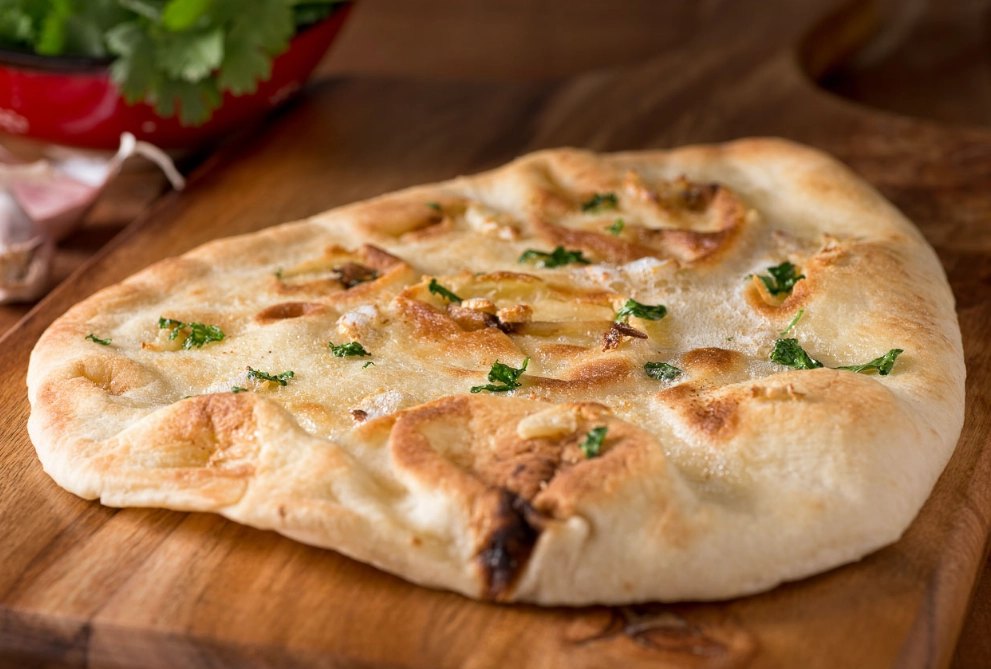
4. Shape and Second Rest
Punch the dough down. Divide it into 8 equal pieces. Roll each into a ball. Cover them and let them rest for 15 minutes. This relaxes the gluten, making them easier to shape without springing back.
On a lightly floured surface, roll each ball into an oval or teardrop shape, about 1/4-inch thick. Don't roll them too thin, or they'll be cracker-like. Imperfect shapes have more character. Let the rolled naans rest for another 5 minutes while you heat your cooking surface.
5. Cook Like a Pro
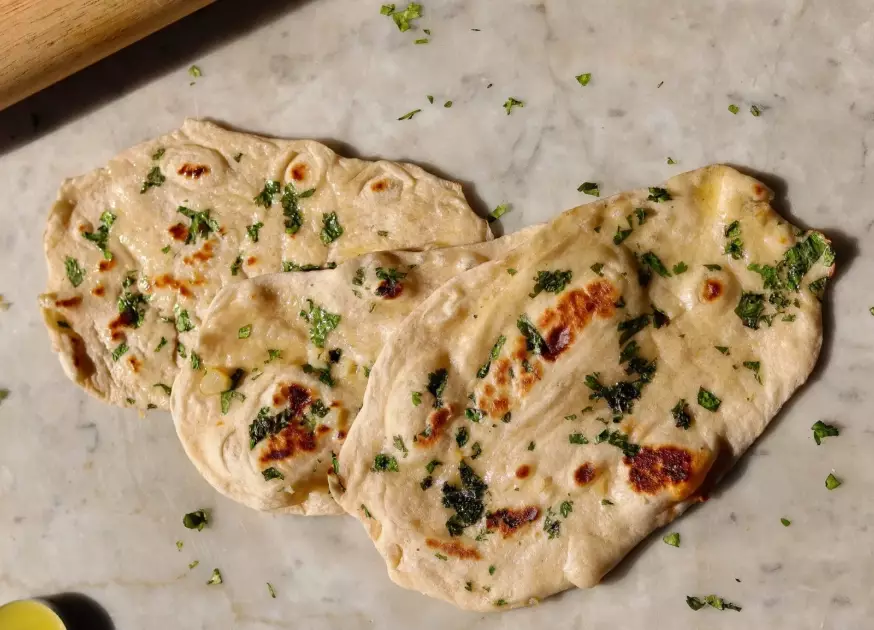
Heat a heavy cast-iron skillet, griddle, or non-stick pan over medium-high heat. No oil needed. When a flick of water sizzles instantly, it's ready. Pick up a naan and gently lay it in the pan. Cook for 1-2 minutes until you see large bubbles forming and the bottom has deep golden-brown spots.
Flip. Cook the second side for another 1-2 minutes. If you're feeling adventurous, you can use tongs to hold the naan directly over a medium gas flame for a few seconds after the first flip for a more authentic char. Brush the hot naan immediately with melted butter or ghee, and sprinkle with chopped cilantro or nigella seeds if you like.
Cooking Methods Compared: Skillet vs. Oven
Not everyone has a tandoor (a clay oven). Here's the real-world breakdown.
Cast Iron Skillet/Grill Pan: My top recommendation. It gets screaming hot, creates excellent char, and gives you control. You can press down lightly on the bubbles with a spatula. This is the method that gets you closest to restaurant results.
Standard Non-Stick Frying Pan: Works fine, especially for beginners. It won't get as hot or create as dramatic char, but it will cook the naan evenly and prevent sticking. Just make sure it's preheated well.
Oven Broiler: A decent workaround for cooking multiple naans at once. Place your rolled naans on a preheated baking sheet or pizza stone placed under the broiler (high heat). Watch them like a hawk—they can burn in 60-90 seconds. Flip once. The result is good, but often lacks the intense, localized heat for perfect bubbling.
Troubleshooting Common Naan Issues
Let's diagnose problems before they happen.
Dough won't rise: Dead yeast or a too-cold environment. Ensure your water is warm, not hot, and let the dough rise somewhere warm.
Naan is dense and tough: You didn't let it rise enough, or you killed the yeast with hot liquid, or you added too much flour during kneading.
Naan is dry and crackly: Dough was too dry from the start, or you rolled it too thin, or you overcooked it.
No bubbles forming in the pan: Your pan isn't hot enough. Wait for it to preheat properly. Also, ensure your baking powder is fresh.
Your Yogurt Naan Questions, Answered
 Why doesn't my homemade naan get those big, pillowy bubbles like the restaurant version?
Discussion