Let's be honest. Most butter chicken recipes online promise restaurant quality but deliver a bland, orange soup with rubbery chicken. I've been there. After years of tweaking and learning from mistakes (like over-marinating the chicken until it turned mushy), I've nailed a method that works every single time. This isn't just a list of ingredients; it's the blueprint for a butter chicken that's luxuriously creamy, perfectly spiced, and deeply flavorful. The kind that makes you forget about ordering takeout.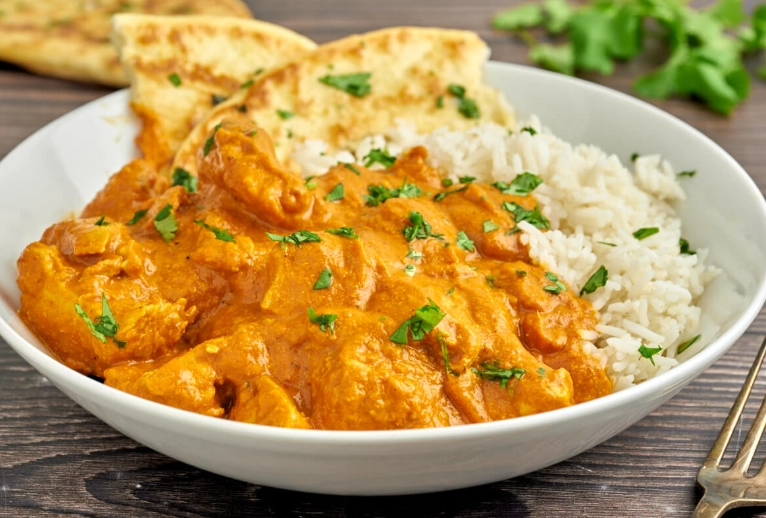
What's Inside This Recipe
The Secret Weapon: Homemade Curry Paste
Skip the store-bought curry powder. The soul of this dish is a freshly ground paste of onions, tomatoes, garlic, ginger, and whole spices. This step is non-negotiable. Blending these cooked ingredients creates a velvety, integrated sauce base that powdered spices can't match. It's the difference between paint-by-numbers and an original painting.
You'll cook down diced onions until they're golden and sweet, not just translucent. Then you add tomatoes and let them break down completely. This concentration of flavor is key. Tossing in whole spices like cardamom and cloves at this stage lets their oils infuse directly into the paste.
Gathering Your Ingredients
Here's everything you need. Nothing is overly exotic—most are pantry staples. Using full-fat ingredients (yogurt, cream, butter) is crucial for the right texture and mouthfeel. Low-fat alternatives will leave the sauce thin and lacking richness.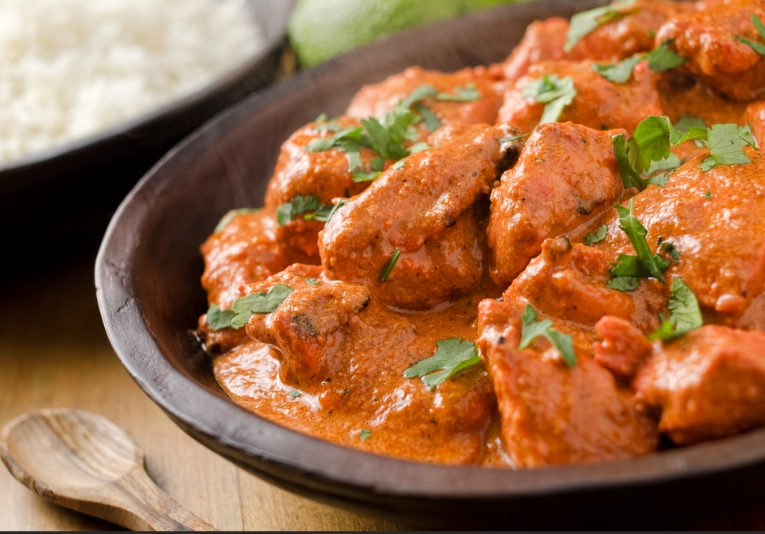
For the Chicken Marinade:
- Boneless, skinless chicken thighs (1.5 lbs / 700g): Thighs are more forgiving and flavorful than breast meat, which can dry out easily.
- Plain full-fat yogurt (1/2 cup): Acts as a tenderizer.
- Ginger-garlic paste (1 tbsp): Freshly made or a good-quality store-bought one.
- Kashmiri red chili powder (1 tsp): For color and mild heat. Paprika + a pinch of cayenne is a decent substitute.
- Garam masala (1 tsp), turmeric (1/2 tsp), salt (1 tsp), lemon juice (1 tbsp).
For the Curry Sauce:
- Butter (3 tbsp) & oil (1 tbsp): The oil prevents the butter from burning.
- Large onions (2), finely diced.
- Tomatoes (3 large), chopped, or 1.5 cups canned crushed tomatoes.
- Ginger (1.5-inch piece) & garlic (6 cloves), roughly chopped.
- Whole spices: Green cardamom pods (4), cloves (4), cinnamon stick (1-inch).
- Ground spices: Cumin powder (1 tsp), coriander powder (2 tsp), garam masala (1.5 tsp), Kashmiri chili powder (1.5 tsp).
- Heavy cream (1 cup / 240ml): For that signature creaminess.
- Kasuri methi (dried fenugreek leaves, 1 tbsp), crushed: The magic finishing touch that adds a subtle, bitter-sweet aroma.
- Honey or sugar (1-2 tsp): To balance acidity.
- Salt to taste.
Step-by-Step Cooking Instructions
1. Marinate the Chicken
Mix all the marinade ingredients in a bowl. Add the chicken pieces, coat them well, cover, and refrigerate. 30 minutes is enough. Overnight is common advice, but in my experience, the yogurt's acidity can start to break down the chicken protein too much, leading to a slightly grainy texture. 30 minutes to 2 hours is the sweet spot.
2. Cook the Chicken
You have two options: grill/broil or pan-fry. I prefer pan-frying in a little oil because you get fond (those browned bits) in the pan that add flavor later. Cook the chicken until just done, not until it's tough. It will cook more in the sauce. Set aside.
3. Build the Curry Base
In the same pan, melt butter with oil. Add the whole spices, let them sizzle for 30 seconds, then add the onions. Cook on medium heat, stirring occasionally, for 15-20 minutes until deeply golden. Add ginger and garlic, cook for a minute. Now add the tomatoes and a pinch of salt. Cook until the tomatoes are completely soft and the oil starts to separate from the mixture.
Let this mixture cool slightly, then blend it into a smooth paste. This is your golden ticket.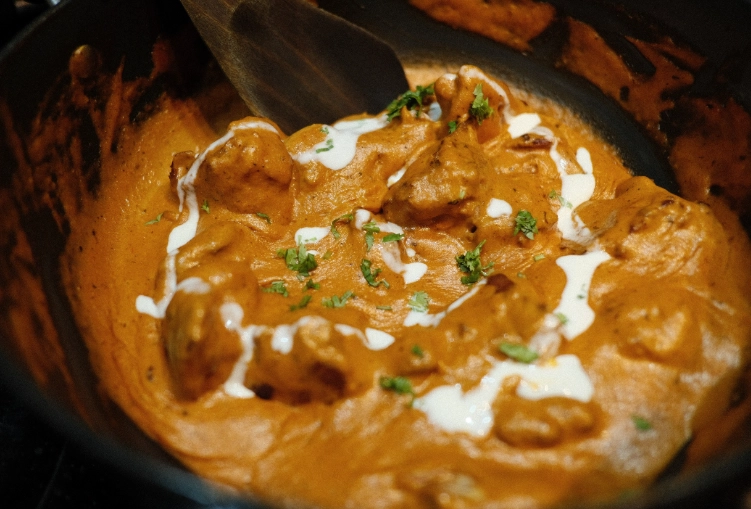
4. Finish the Sauce
Return the paste to the pan. Cook it for another 5 minutes on medium-low. Now add all the ground spices (cumin, coriander, chili powder, garam masala). Cook for 2 minutes—this "roasts" the spices in the paste, unlocking their full aroma.
Add the cooked chicken and any juices. Stir to coat. Pour in the heavy cream and about 1/2 cup of water to reach your desired consistency. Simmer gently for 8-10 minutes. Stir in crushed kasuri methi, honey, and a final 1/2 teaspoon of garam masala. Taste and adjust salt.
Common Mistakes to Avoid (I've Made Them All)
Here’s where most home cooks go wrong, based on countless failed batches and reader emails.
- Using chicken breast without care: If you must use breast, cut it larger and add it raw to the simmering sauce, letting it poach gently. Pre-cooking breast almost guarantees dryness.
- Undercooking the onion-tomato base: A raw, pungent taste means you didn't cook the paste long enough before blending.
- Adding cold cream directly to hot curry: This can cause curdling. Take the pan off direct heat or temper the cream by mixing a little hot sauce into it first.
- Skipping kasuri methi: It's not "just a garnish." It's a core flavor. If you don't have it, the dish will taste good but lack that authentic restaurant signature.
- Thinking it's a quick 20-minute meal: It's not. Good butter chicken takes about an hour. Respect the process.
Serving and Storing Your Masterpiece
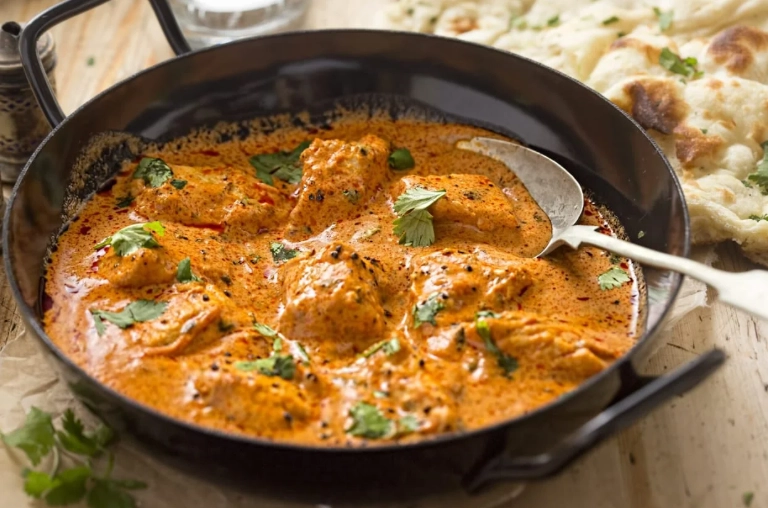
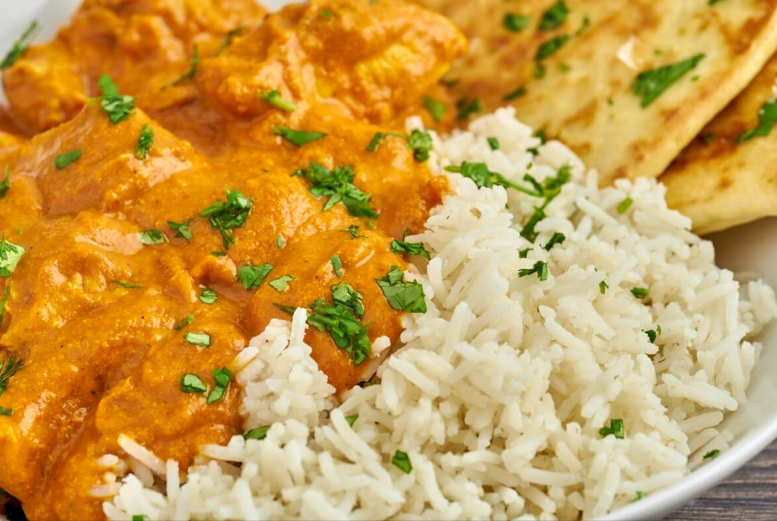
Serve it hot over steamed basmati rice or with warm naan or roti. A side of sliced onions with lemon wedges and fresh cilantro is classic.
Leftovers taste even better the next day. Store in an airtight container in the fridge for up to 3 days. Reheat gently on the stove, adding a splash of water or cream if it thickens too much. It freezes well for up to a month.
Your Butter Chicken Questions, Answered
Can I use low-fat cream or coconut milk to make it healthier?
You can, but the result will be different. Low-fat cream might make the sauce thinner and less luxurious. Coconut milk will completely change the flavor profile, making it more of a Thai-inspired curry. For the authentic texture, full-fat dairy is part of the deal. If health is a priority, consider portion control with the real deal rather than altering the core ingredients.
My curry tastes bitter. What went wrong?
Bitterness usually comes from burned spices or garlic. If you added powdered spices to very hot oil or cooked them for too long, they can burn in seconds. Always add ground spices to the onion-tomato paste, not directly to hot oil, and cook them for just a minute or two. Also, ensure your garlic doesn't burn when you sauté it.
 Is there a way to make this without a blender?
Yes, but it requires more work. You need to dice the onions very finely and cook them until they practically melt into the sauce. Grate the tomatoes and ginger. You'll end up with a more textured, rustic sauce. It's still delicious, but it won't have the characteristic smooth, creamy body of a blended sauce.
What's the best substitute for kasuri methi (dried fenugreek leaves)?
There's no perfect substitute, as it has a unique flavor. A tiny pinch (and I mean tiny—start with 1/8 tsp) of fenugreek seeds, lightly toasted and ground, can hint at the flavor, but it's much more potent and bitter. If you can't find it, leave it out and add a bit more garam masala at the end. It's worth ordering online for next time.
 Can I make the sauce ahead of time?
Absolutely. You can make the curry base (the blended onion-tomato-spice paste) up to 2 days ahead and store it in the fridge. When ready to eat, reheat the base, add cooked chicken, cream, and finish as described. This is a great strategy for easy weeknight dinners.
Discussion