What You'll Find Inside
Let's be honest. Cooking Indian food every day can feel like a part-time job. All those spices, the simmering, the cleanup—it adds up. I used to spend Sunday afternoons dreading the week ahead, until I stumbled into Indian meal prep. Now, I whip up a week's worth of healthy meals in about two hours. No exaggeration.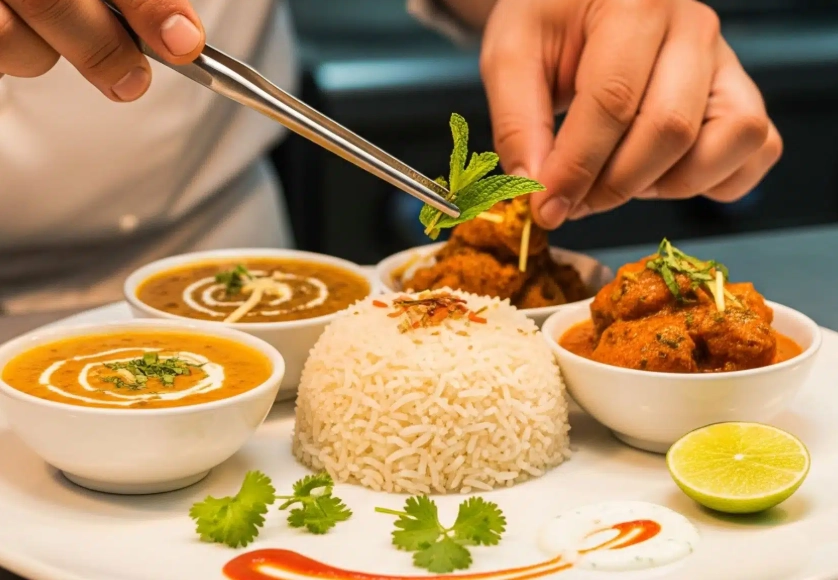
Healthy Indian meal prep isn't just about reheating curry. It's a system. A way to eat nourishing, flavorful food without the daily hassle. And it's perfect for anyone wanting to lose weight, save money, or just eat better. The key? Planning. A little effort upfront saves you from those last-minute takeout orders.
I learned this the hard way. My first attempt was a disaster—soggy vegetables, bland lentils, and enough food for a month. But after tweaking my approach, I found a rhythm that works. In this guide, I'll share exactly what I do, including the mistakes so you can skip them.
How to Start Healthy Indian Meal Prep from Scratch
Don't overcomplicate it. Start with one meal. For most people, that's lunch. Pick two or three recipes you already love and scale them up.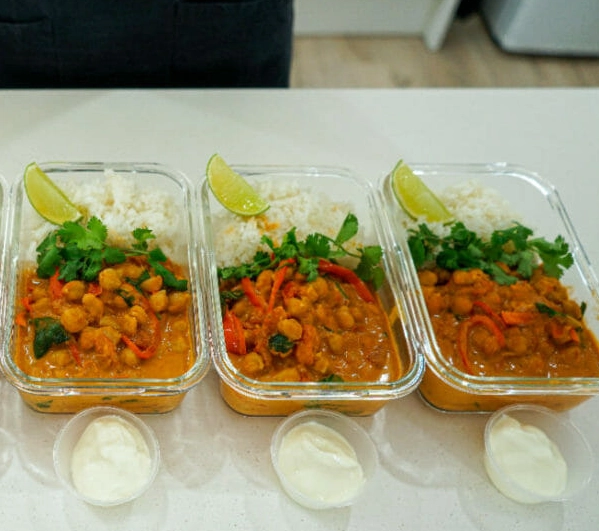
You need the right gear. A large pot, a good skillet, and airtight containers are non-negotiable. I prefer glass containers—they don't stain from turmeric, and you can see what's inside. A rice cooker is a game-changer for perfect quinoa or brown rice every time.
Your Pantry Staples Checklist
Stock these, and you're 80% there. I organize mine in a dedicated shelf.
- Lentils and legumes: Masoor dal (red lentils), chana dal (split chickpeas), black beans. They're cheap, high in protein, and cook fast in a pressure cooker.
- Whole grains: Brown rice, quinoa, millet. Quinoa cooks in 15 minutes and pairs well with Indian spices.
- Spices: Cumin seeds, coriander powder, turmeric, garam masala. Buy whole spices and grind them fresh for a flavor boost. Pre-ground spices lose potency quickly.
- Fresh produce: Onions, tomatoes, ginger, garlic, spinach, bell peppers. Chop these in bulk during prep.
One tip most blogs miss: toast your whole spices before grinding. It unlocks oils and aromas that pre-packaged powder just can't match. I do this weekly and store the ground mix in a small jar.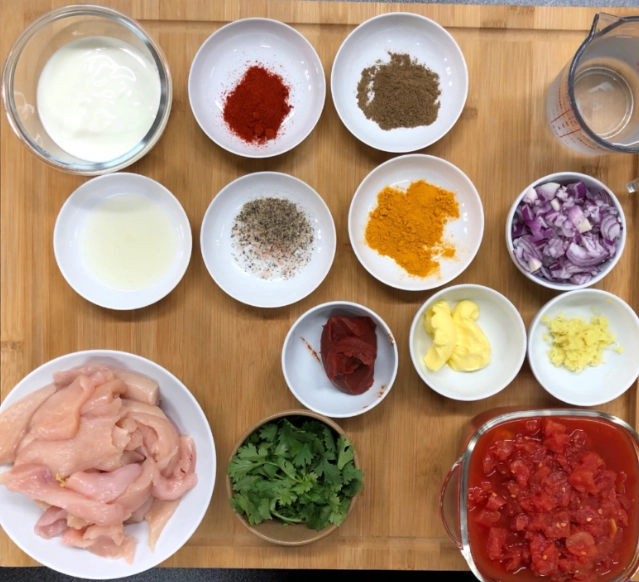
Pro Insight: Many beginners use too much oil, thinking it's necessary for flavor. It's not. Sauté onions in a bit of water or broth first, then add oil later. Cuts calories without sacrificing taste.
A Realistic Weekly Indian Meal Prep Plan
Here's a sample plan I followed last week. It's vegetarian, balanced, and designed to keep things interesting. Each component is prepped separately and combined when eating.
| Day | Main Protein/Dal | Vegetable Side | Grain Base | Prep Time |
|---|---|---|---|---|
| Monday-Wednesday | Masoor Dal (spiced red lentils) | Saag Aloo (spinach & potatoes) | Brown Rice | 30 mins (batch cook) |
| Thursday-Friday | Chana Masala (chickpea curry) | Roasted Cauliflower | Quinoa | 25 mins |
| Weekend Flex | Leftovers or simple tofu scramble | Fresh salad | Millet or bread | 10 mins |
This table is a blueprint. Swap ingredients based on what's seasonal. In summer, I use zucchini instead of cauliflower. The dal and chana masala hold up beautifully for 4-5 days in the fridge.
Let's break down one recipe: Masoor Dal. It's foolproof.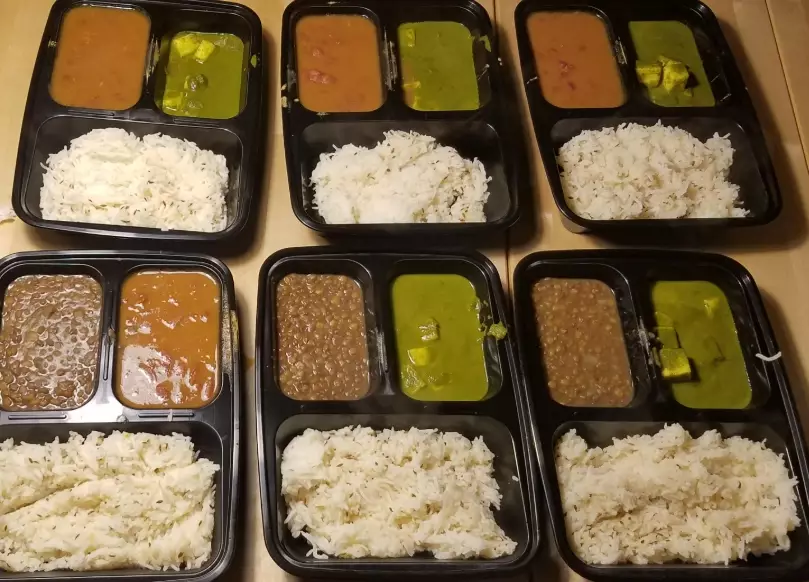
Rinse 2 cups of red lentils. In a pot, sauté one chopped onion with a teaspoon of cumin seeds until soft. Add two minced garlic cloves and a tablespoon of grated ginger. Stir for a minute. Add the lentils, 4 cups of water, a teaspoon of turmeric, and salt. Bring to a boil, then simmer for 20 minutes. Finish with a squeeze of lemon and fresh cilantro. That's it. Double the batch, and you have lunches for three days.
I often make a big pot of this on Sunday while listening to a podcast. It's meditative.
Time-Saving Tricks You Haven't Tried
Everyone says "chop veggies in advance," but that's obvious. Here's what actually saves time.
Use your oven's broiler for roasting vegetables. It's faster than baking. Toss cauliflower florets with a sprinkle of oil and curry powder, broil for 8-10 minutes until charred. Done.
Cook grains in vegetable broth instead of water. It adds flavor passively, so you don't need extra seasoning later. I learned this from a chef friend who runs a meal prep service in Mumbai.
Layer your containers strategically. Put grains at the bottom, then vegetables, then saucy items like dal on top. This prevents sogginess. I use divided containers for this reason.
Freeze individual portions of curry base. Sauté onions, tomatoes, and spices in bulk, then freeze in ice cube trays. When you're in a rush, pop a cube into a pan, add beans or lentils, and dinner is ready in 10 minutes. This trick alone cut my weekday cooking time by half.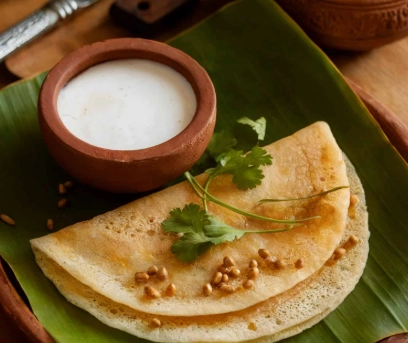
Don't overlook the microwave for reheating. Cover food with a damp paper towel to keep it moist. Most Indian dishes reheat well, but avoid microwaving leafy greens—they turn mushy. Heat them separately in a pan.
Common Meal Prep Mistakes and How to Fix Them
I've made all these. Learn from my blunders.
Overcooking vegetables. They turn to mush after a few days. Solution: Blanch or roast them until just tender. They'll firm up in the fridge and hold texture when reheated.
Using the same spice blend for everything. It gets boring fast. Mix it up. One week, focus on South Indian flavors like mustard seeds and curry leaves. Next week, go North Indian with garam masala and kasuri methi. Variety keeps you motivated.
Ignoring acidity. Many Indian dishes benefit from a splash of lemon or tamarind at the end. Add it just before eating, not during prep, to keep flavors bright.
Skipping protein balance. A meal of just rice and curry might not keep you full. Include a protein source like lentils, chickpeas, or paneer in every container. According to dietary guidelines from sources like the World Health Organization, balancing macronutrients is key for sustained energy.
One personal gripe: some recipes call for frying spices in tons of oil. It's unnecessary. Dry-toast spices first, then add a minimal amount of oil. The flavor is just as deep, and you save hundreds of calories.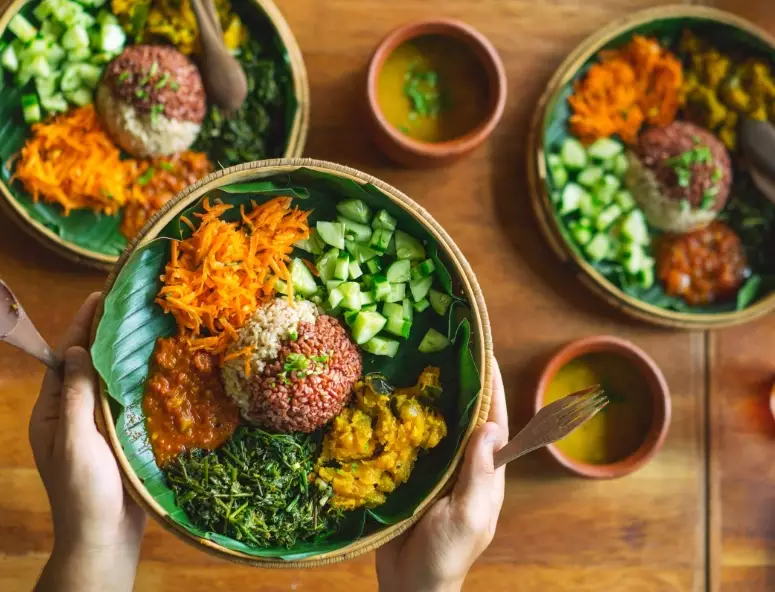
Answers to Your Burning Questions
Healthy Indian meal prep isn't a trend; it's a practical way to eat well without stress. Start small, experiment with flavors, and adjust based on your schedule. The goal is consistency, not perfection.
I still remember the first week I tried this. I had extra time to read a book instead of staring at a stove. That's the real benefit—freedom. Give it a shot this Sunday. You might just find your new routine.
Discussion