Let's be honest. Most "easy dahl recipes" online are just lentil soup with a sprinkle of curry powder. They're fine, but they're not the soul-warming, complex, and utterly satisfying dish that keeps you going back for thirds. The best dahl recipe isn't about a single magic ingredient; it's a balance of technique, timing, and understanding how spices work together. After years of testing (and eating my fair share of mediocre versions), I've nailed down a method that delivers restaurant-quality creaminess and depth of flavor every single time. This is the dahl I make for myself on a Tuesday and proudly serve to guests on a Saturday.
Your Quick Guide to Perfect Dahl
What Does "Perfect Dahl" Even Mean?
Before we grab a pot, let's define the goal. A perfect dahl (or dal) has three non-negotiable qualities.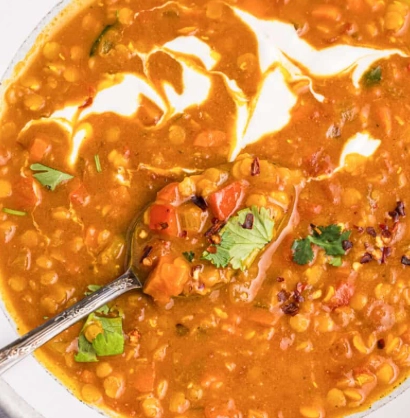
It's luxuriously creamy, not watery or mushy. The lentils should break down just enough to thicken the gravy, but you should still feel their presence. It should coat the back of a spoon.
The flavor is layered and complex. You should taste individual spices—the warmth of cumin, the kick of black pepper, the earthiness of turmeric—working in harmony, not a single, muddy "curry" note. The foundation of onions, garlic, and ginger should be sweet and fragrant, not raw or burnt.
It's universally satisfying. It should be hearty enough for a main course with rice or naan, yet nuanced enough to feel special. It's comfort food with sophistication.
Most recipes fail on texture. They either undercook the lentils, leaving them chalky, or overcook them into a bland paste. The other big mistake? Adding all the spices at the same time. Big flavor doesn't work that way.
The Ingredients: More Than Just Lentils
Here’s your shopping list. I’m specifying brands or types where it genuinely makes a difference.
| Ingredient | Quantity & Details | Why It Matters |
|---|---|---|
| Red Lentils (Masoor Dal) | 1.5 cups, rinsed | The star. They cook quickly and break down naturally for creaminess. Don't substitute brown/green lentils here—they hold their shape and give a different result. |
| Yellow Onion | 1 large, finely diced | The sweet base. Finely dicing ensures they melt into the gravy. |
| Fresh Ginger & Garlic | 1 tbsp each, minced or grated | Non-negotiable for aroma. Jarred paste lacks brightness. |
| Whole Spices | 1 tsp cumin seeds, 1 tsp black mustard seeds | You toast these first. They provide pops of flavor and aroma that ground spices can't replicate. |
| Ground Spices | 1.5 tsp ground coriander, 1 tsp turmeric, 1/2 tsp Kashmiri red chili powder (or paprika) | Coriander is the unsung hero. Kashmiri chili gives color and mild heat. |
| Canned Tomatoes | 1/2 cup crushed or finely chopped | Adds acidity and body. Use the best quality you can find—cheap ones can be tinny. |
| Fat | 3 tbsp ghee or neutral oil | Ghee wins for authentic, nutty flavor. Avocado oil is a good neutral backup. |
| Liquid | 4.5 cups water or low-sodium veg broth | Broth adds depth, water lets the spices shine. Your call. |
| Finishing Touch | Juice of 1/2 lemon, handful fresh cilantro | The lemon at the end is a game-changer. It wakes up all the flavors. |
Step-by-Step Mastery: Building Flavor Layers
This isn't a dump-and-stir recipe. We're building flavor in stages.
1. The Foundation: Blooming Whole Spices
Heat the ghee or oil in a heavy-bottomed pot or Dutch oven over medium heat. Add the cumin and mustard seeds. Listen and watch. The mustard seeds will start to pop and dance, and the cumin will darken a shade and become incredibly fragrant. This takes about 60-90 seconds. If you skip this step, you're missing 50% of the flavor potential. This process, called *tadka* or *chaunk*, unlocks oils in the whole spices.
2. Building the Aromatic Base
Immediately add the diced onion. A good sizzle is what you want. Cook, stirring occasionally, for 8-10 minutes until they're soft, golden, and sweet—not just translucent. This patience is key. Now add the ginger and garlic. Cook for another 2 minutes until the raw smell disappears and your kitchen smells amazing.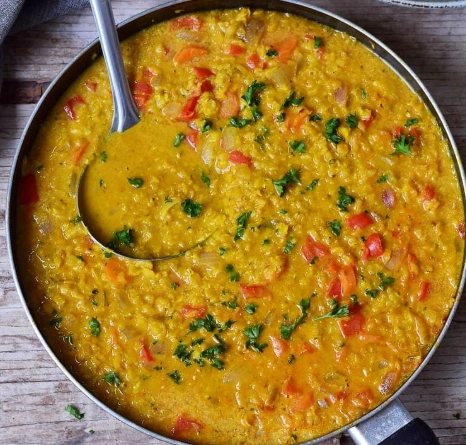
3. Toasting the Ground Spices
Add all the ground spices—coriander, turmeric, chili powder. Stir constantly for 1 minute. Yes, just one minute. You're toasting them in the fat to remove any raw, dusty taste and deepen their flavor. It should look like a thick paste coating the onions.
4. Introducing Tomatoes and Lentils
Add the canned tomatoes. Cook, stirring and scraping the bottom of the pot, for 3-4 minutes until the tomatoes darken slightly and the oil starts to separate from the mixture. This means the tomatoes have cooked down properly. Now add the rinsed red lentils and stir to coat them in all that flavorful paste.
5. The Simmer: Where Magic Happens
Pour in the water or broth. Bring to a boil, then reduce heat to a gentle simmer. Partially cover the pot. Let it cook for 25-30 minutes. Stir it every 8-10 minutes to prevent sticking. You'll see it transform from a watery soup to a thick, creamy stew. The lentils will be completely tender.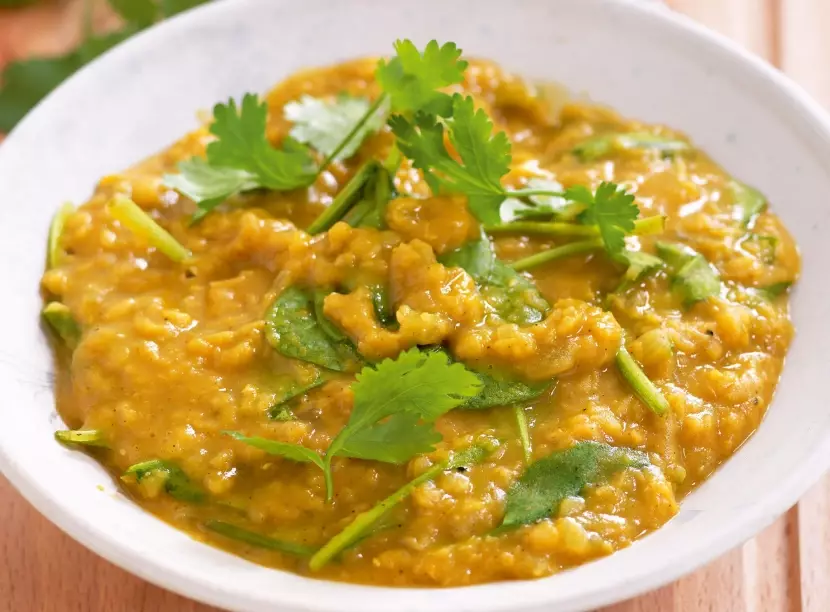
Here's a subtle error most recipes don't mention: salting too early. If you add salt at the beginning of the simmer, it can toughen the lentil skins slightly. I add 1.5 teaspoons of fine sea salt about 15 minutes into the simmer. Taste and adjust at the very end.
Expert Secrets for the Ideal Texture
This is where my method diverges from the norm. For that restaurant-style, velvety texture, you need to manipulate the lentils.
Once the lentils are fully cooked and soft, take a wooden spoon or a potato masher. Mash about one-quarter to one-third of the lentils directly in the pot against the side. Don't go overboard—you're not making baby food. You're just breaking some lentils down to thicken the gravy naturally. This is infinitely better than adding flour or cornstarch.
If your dahl looks too thick after mashing, add hot water in 1/4-cup increments until it's your preferred consistency. Remember, it will thicken a bit as it sits.
Finally, turn off the heat. Stir in the fresh lemon juice and most of the chopped cilantro. The acid from the lemon doesn't just add tang; it brightens and lifts every other flavor in the pot. It's non-negotiable.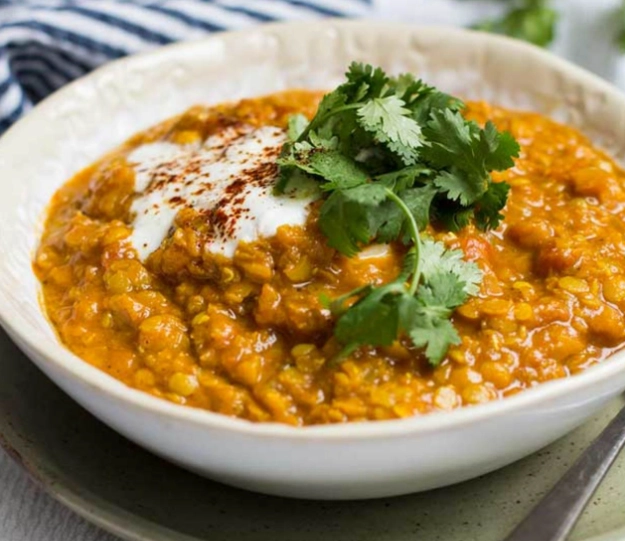
Serving, Storing, and Making It Your Own
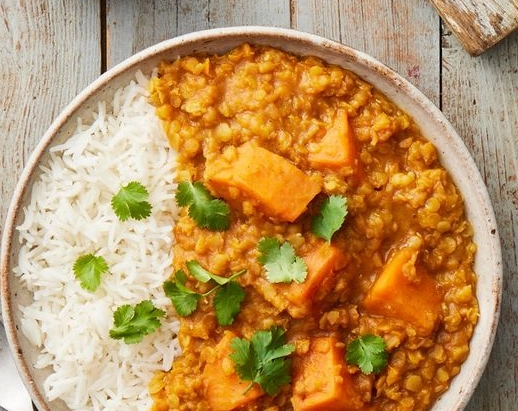
Serve it hot over basmati rice or with warm naan or roti. A dollop of plain yogurt on the side is perfect.
Dahl is a meal prep champion. It tastes even better the next day as the flavors continue to meld. It keeps in the fridge for up to 5 days and freezes beautifully for 3 months. Thaw and reheat gently, adding a splash of water to loosen it up.
Want to customize it?
- For spinach dahl: Stir in 3 large handfuls of fresh spinach during the last 5 minutes of cooking.
- For coconut dahl: Replace 1 cup of the water with full-fat coconut milk for a richer, Thai-inspired twist.
- Extra protein: Add a can of drained chickpeas when you add the lentils.
Your Dahl Questions, Answered
My dahl always turns out watery. How do I fix it without making it gloppy?
The mash-and-simmer technique is your best fix. If it's already cooked and too thin, simply simmer it uncovered for an extra 5-10 minutes to evaporate more liquid, stirring frequently to prevent burning. The mash will help thicken it as it simmers. Avoid thickeners like flour.
Can I make this in a slow cooker or Instant Pot?
You can, but you'll sacrifice flavor layers. For a slow cooker, complete steps 1-4 (blooming spices, cooking onions, toasting spices with tomatoes) on the stove first. Then transfer everything to the slow cooker with the lentils and liquid. Cook on low for 6-8 hours. For an Instant Pot, use the Sauté function for steps 1-4, then add lentils and liquid, seal, and cook on High Pressure for 8 minutes with a natural pressure release for 10 minutes. The stovetop method still gives you the most control.
Is dahl actually healthy, or is that just hype?
It's legitimately healthy. Red lentils are packed with plant-based protein (about 18g per cooked cup) and fiber, which aids digestion and keeps you full. Turmeric contains curcumin, a compound with noted anti-inflammatory properties, according to research published by the National Institutes of Health. Using controlled amounts of good fats like ghee helps your body absorb the fat-soluble vitamins in the spices. It's nutrient-dense comfort food.
What's the difference between dal, dahl, and dhal?
They all refer to the same thing: split pulses (lentils, peas, beans). "Dal" is the most common transliteration from Hindi. "Dahl" and "dhal" are alternative spellings you'll see in English. There's no difference in the dish itself.
My spices burn as soon as I add them to the hot oil. What am I doing wrong?
Your heat is too high. The oil should be hot but not smoking. Test it by adding one mustard seed—if it sizzles immediately, it's ready. Also, have your next ingredient (the onions) measured and ready to go right next to the stove. The moment the seeds pop and smell fragrant, dump the onions in. They'll lower the pan's temperature instantly and stop the spices from burning.
Discussion