If your idea of a perfect red lentil recipe involves a bland, mushy soup, you're in for a revelation. A well-made Masoor Dal is something else entirely—creamy yet textured, deeply savory with a hint of tang, and packed with plant-based protein. It's the ultimate vegetarian comfort food that comes together faster than you can order takeout. I've been cooking this weekly for a decade, and I'll show you how to nail it, avoiding the subtle errors that keep most home cooks from achieving that restaurant-quality depth.
What's Inside This Guide?
What is Masoor Dal? More Than Just Red Lentils
Let's clear something up first. "Dal" refers to both the dried split pulse (like masoor dal) and the finished stew. Masoor dal is simply split red lentils with their skin removed. That's why they cook so fast—usually in 15-20 minutes—and break down into a naturally creamy consistency without needing to be blended.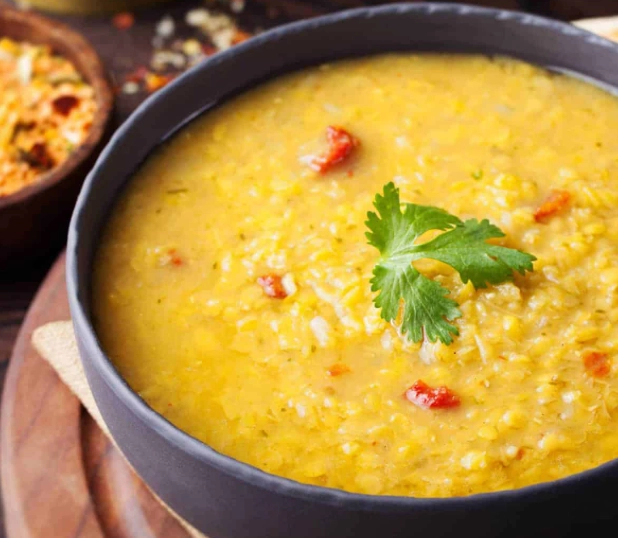
Nutritionally, it's a powerhouse. According to the USDA's FoodData Central, a cup of cooked red lentils provides about 18 grams of protein and 15 grams of fiber. It's a staple in Indian, Pakistani, Bangladeshi, and Nepali cuisines, but its simplicity has made it a global weeknight hero.
The magic isn't in the lentils alone. It's in the tadka (or tarka)—the final flourish of spices sizzled in hot oil or ghee and poured over the cooked dal. This step isn't optional garnish; it's the flavor engine. It transforms a simple lentil stew into a complex, aromatic dish.
Why This Recipe Works for Busy Cooks
One-Pot Potential: You can cook the lentils and temper the spices in the same pot if you're minimizing dishes.
Pantry-Friendly: Uses spices you likely already have (cumin, turmeric, garam masala).
Forgiving Nature: Lentils are hard to overcook into inedibility. Even if you simmer a bit long, you'll still get a delicious, if thicker, dal.
Meal-Prep Champion: Tastes even better the next day as flavors meld.
How to Make Perfect Masoor Dal: Step-by-Step
This is my go-to method, refined after years of tweaking. It balances efficiency with maximum flavor.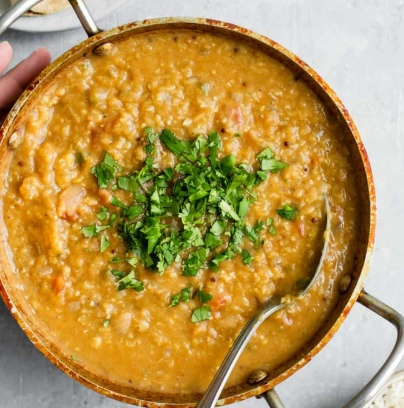
Gathering Your Ingredients
| Ingredient | Quantity | Notes & Why It Matters |
|---|---|---|
| Masoor Dal (split red lentils) | 1 cup | Rinse until water runs clear. This removes surface dust that can make the dal cloudy. |
| Water | 3 cups | For a thicker dal, use 2.5 cups. For soupier, use 3.5. |
| Turmeric powder | 1/2 tsp | Adds earthy flavor, vibrant color, and anti-inflammatory properties. |
| Salt | 1 tsp (to start) | Always add after lentils are cooked. Adding salt early toughens them. |
| Ghee or neutral oil | 2 tbsp | Ghee provides authentic, nutty flavor. Avocado or sunflower oil work for vegan. |
| Cumin seeds | 1 tsp | The base of the tadka. Don't substitute ground cumin here. |
| Garlic, finely chopped | 4-5 cloves | Fresh is non-negotiable. Garlic powder will give a flat, dusty taste. |
| Ginger, finely chopped | 1 inch piece | Same as garlic—use fresh root. |
| Green chili (optional), slit | 1 | Serrano or Thai chili. Slitting prevents it from making the whole dish too hot. |
| Onion, finely chopped | 1 medium | Yellow or red onion. Cook until deeply golden for sweetness. |
| Tomato, chopped | 1 medium | Adds necessary acidity. Canned crushed tomatoes (1/2 cup) are a fine substitute. |
| Garam Masala | 1 tsp | Add at the very end. Cooking garam masala too long makes it bitter. |
| Fresh cilantro, chopped | 2 tbsp | For garnish. A sprinkle of brightness. |
| Lemon or lime juice | 1 tbsp | The final secret weapon. Acidity lifts all the other flavors. |
The Cooking Process
1. Cook the Lentils: In a medium pot, combine rinsed lentils, water, and turmeric. Bring to a boil, then reduce to a simmer. Skim off any white foam that appears in the first few minutes—it's just protein, but removing it gives a cleaner taste. Let it simmer uncovered for 15-20 minutes until the lentils are completely tender and starting to break down. Stir occasionally to prevent sticking. Once cooked, stir in salt.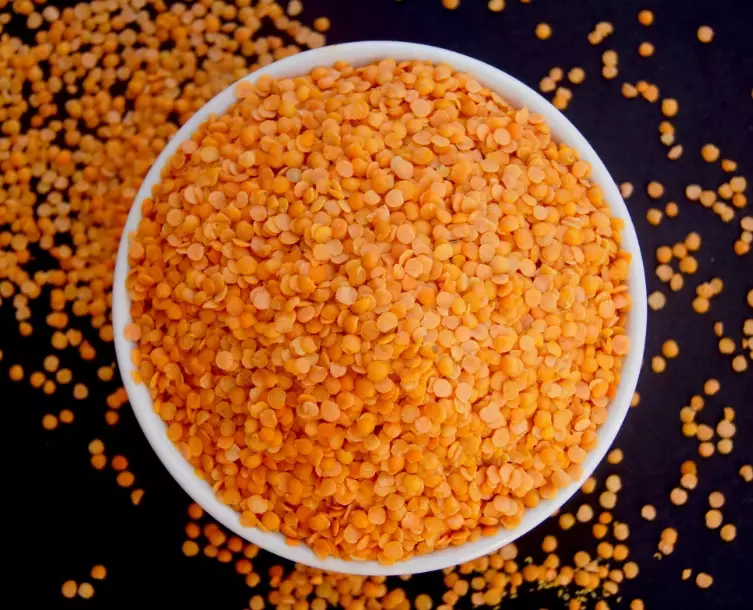
2. Prepare the Tadka (Tempering): While the lentils cook, heat ghee or oil in a small pan over medium heat. Add cumin seeds. Wait until they sizzle and become fragrant, about 30 seconds. Don't let them burn. Add the chopped onion. Cook, stirring frequently, for 5-7 minutes until they turn a rich golden brown. This caramelization is key for sweetness.
Now add garlic, ginger, and green chili. Cook for another minute until the raw smell disappears. Stir in the chopped tomato and cook until it softens and the oil starts to separate from the mixture, about 3-4 minutes.
3. Combine & Finish: Pour the entire contents of the tadka pan into the pot of cooked lentils. Stir well. Add garam masala. Let everything simmer together for another 2-3 minutes so the flavors marry. Turn off the heat. Stir in the fresh lemon juice and cilantro. Taste and adjust salt if needed.
That's it. The whole process takes about 35 minutes from start to finish.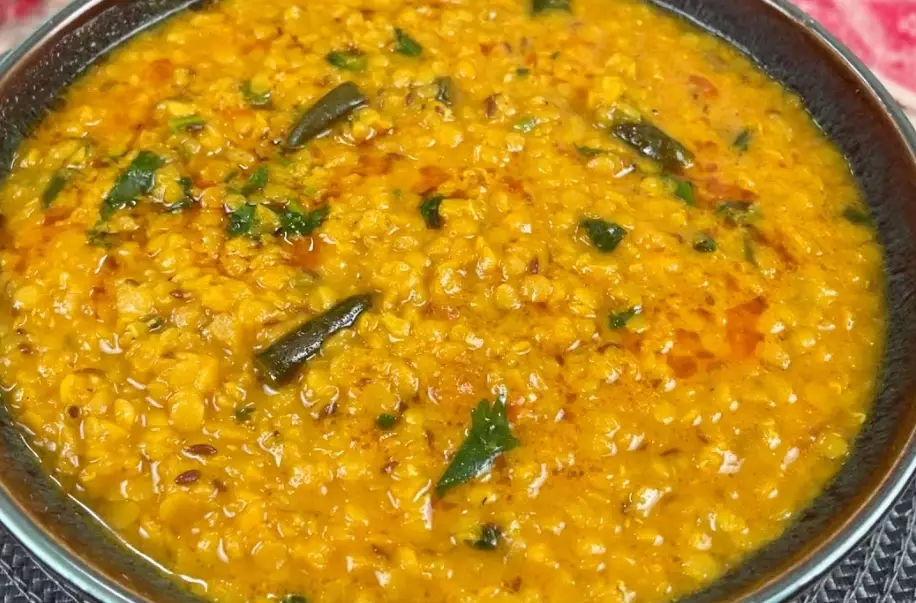
3 Common Mistakes That Ruin Your Dal (And How to Fix Them)
Most online recipes skip over these critical nuances. I learned them the hard way.
Mistake 1: Not rinsing the lentils. It seems trivial. But that starchy dust on the lentils thickens the cooking water into a murky, unappealing sludge instead of a clear, creamy broth. Always rinse in a bowl or fine-mesh strainer until the water runs clear.
Mistake 2: Adding the tadka spices to cold or cool oil. This is the biggest flavor killer. Cumin seeds need to hit hot fat to crackle and release their volatile oils. If the oil isn't shimmering hot, you'll just get a faint, raw spice taste. Heat the oil properly, test with one seed—it should sizzle immediately.
Mistake 3: Overcooking into baby food. Masoor dal breaks down easily, but you want some texture. Simmer it just until tender. If you let it boil vigorously for 30 minutes, you'll get a homogeneous, pasty consistency. Check at 15 minutes. It should be soft but some lentils still hold their shape slightly. They'll continue to soften off the heat.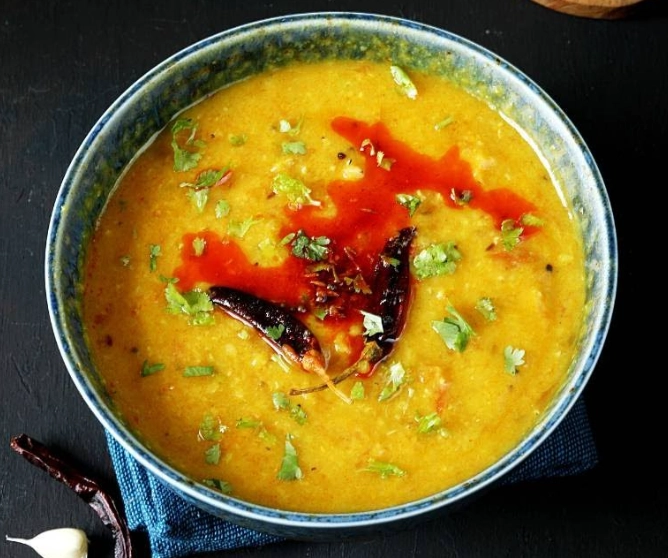
Beyond the Basics: Masoor Dal Variations to Try
Once you've mastered the classic, the world of red lentil recipes opens up.
Masoor Dal Tadka (Restaurant Style): This is the version above. The tadka includes onion, tomato, garlic, etc.
Simple Masoor Dal (Everyday Style): For a lighter, quicker version, cook the lentils with just turmeric and salt. For the tadka, heat ghee, add a pinch of asafoetida (hing), 1 tsp cumin seeds, 2 dried red chilies, and a few curry leaves. Pour over the dal. It's pure, comforting, and highlights the lentil's own flavor.
Spinach Masoor Dal (Palak Dal): Stir in 2 cups of chopped fresh spinach during the last 2 minutes of simmering. It wilts perfectly and adds nutrition and color.
Coconut Masoor Dal: For a creamy, South Indian-inspired twist, replace 1 cup of water with 1 cup of light coconut milk when cooking the lentils. Finish with curry leaves and mustard seeds in the tadka.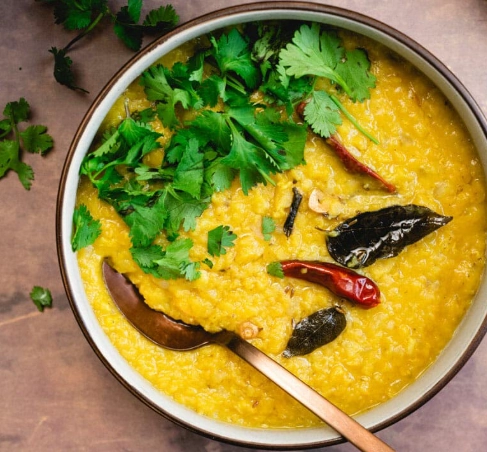
Serving & Pairing: What to Eat With Your Dal
Dal is rarely a solo act. It's part of a symphony.
The Essential Carb: Steamed basmati rice is the classic partner. The fluffy grains are perfect for soaking up the creamy dal. For a healthier twist, serve with quinoa or millet. Don't forget roti, naan, or chapati—tearing off a piece of bread to scoop up dal is a deeply satisfying experience.
To Make it a Meal: Pair your masoor dal with a dry vegetable dish like aloo gobi (potato cauliflower) or bhindi masala (okra). Add a side of cooling cucumber raita (yogurt sauce) and maybe a simple salad of onions and tomatoes with lemon. This creates a balanced, restaurant-style thali (platter) at home.
It also works beautifully as a hearty soup. Just add an extra cup of water or vegetable broth during cooking, and serve with a crusty bread roll.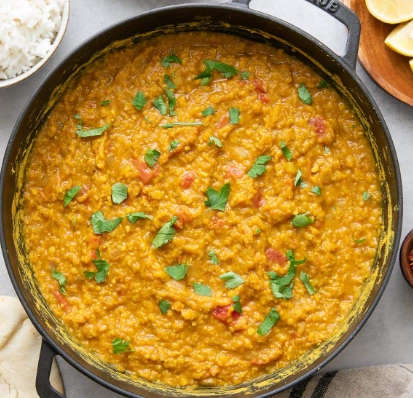
Discussion