You found this page because you typed "how long do you marinate tandoori chicken for?" into Google. You'll get a simple answer in a second, but if you stop there, you're missing the whole story. The difference between good tandoori chicken and great tandoori chicken that tastes like it's from a proper dhaba (roadside eatery) often boils down to understanding marination beyond just the clock.
I've ruined a few batches myself by following generic advice. Once, I marinated chicken for 4 hours, thinking it was enough. The color was beautiful, but the first bite revealed a harsh, surface-only flavor. The chicken underneath was bland. Another time, I got overzealous and left it in a super-acidic yogurt marinade for 48 hours. The texture turned mushy, almost mealy. Not good.
So, let's cut through the noise. The short answer is: for authentic, deeply flavored tandoori chicken, marinate for a minimum of 6 hours, and ideally overnight (8-12 hours) in the refrigerator. For a quick fix, 2-4 hours can work, but temper your expectations.
Now, why is that the case? And what happens if you go shorter or longer? Let's break it down so you can make an informed decision based on your schedule and goals.
What's Inside This Guide
The Quick Answer: Marination Time Cheat Sheet
This table sums up what you can expect based on how long you marinate. Think of it as your at-a-glance planner.
| Marination Time | Best For | Flavor & Tenderness Result | Practical Tip |
|---|---|---|---|
| 30 mins - 2 hours | Extreme last-minute cooking. | Mostly surface color and light flavor. Meat remains unchanged inside. Risk of drying out during cooking. | Use a very aggressive paste, score the chicken deeply, and don't use large pieces. |
| 2 - 6 hours | A decent weekday meal. | Good flavor penetration on the outer layers. Some tenderizing begins. A solid "B+" result. | This is your reliable minimum if you can't plan ahead. Ensure even coating. |
| 6 - 12 hours (Overnight) | The gold standard for authentic results. | Deep, uniform flavor throughout. Enzymes and acids fully tenderize the meat. Juicy, flavorful results. | The perfect sweet spot. Plan your meal the day before. This is what most Indian chefs recommend. |
| 12 - 24 hours | Maximum flavor infusion and tenderness. | Exceptional depth of flavor and very tender meat. The marinade's spices truly meld. | Ideal for tougher cuts like leg quarters. Be cautious with very acidic marinades beyond 24 hours. |
| 24+ hours | Experimenting, but risky. | Flavor can become overly intense or muddy. Texture can degrade to mushiness due to protein breakdown. | Generally not recommended, especially for yogurt-based marinades. The chicken can start to "cook" in the acid. |
See the pattern? Time is your primary lever for controlling depth. But it's not the only one.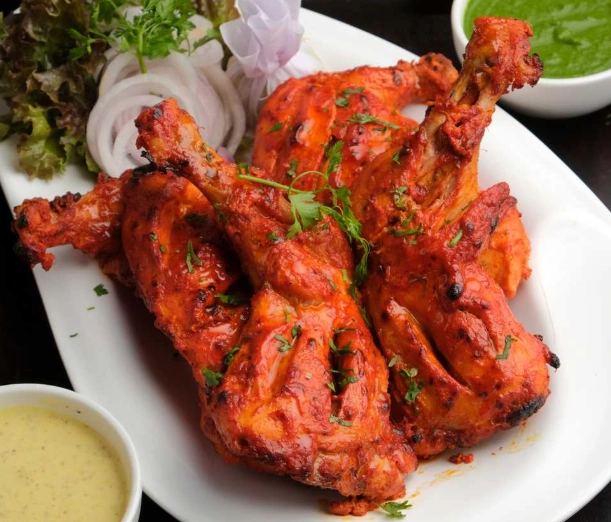
What Actually Happens During Marination?
Marination isn't just soaking. It's a biochemical process with three main jobs:
1. Flavor Transportation
The oils and moisture in the marinade (yogurt, lemon, oil) act as carriers, pulling the spice molecules (garlic, ginger, garam masala, Kashmiri red chili) into the chicken's surface and, over time, deeper into the flesh. This is a slow diffusion process. Two hours gets the spices to the suburbs; overnight gets them downtown.
2. Tenderness Through Acid and Enzymes
This is the secret weapon. Yogurt (lactic acid) and lemon juice (citric acid) gently break down the tough protein structures on the meat's surface. It's a controlled, mild breakdown. Think of it as pre-softening the meat so it stays juicier when exposed to the tandoor's or oven's high heat. The key word is controlled—too long, and the breakdown goes too far.
3. Moisture Binding
The salt in the marinade is crucial. It dissolves some of the meat proteins, which then form a gel that traps moisture inside the chicken during cooking. This is why properly marinated tandoori chicken stays succulent even when well-cooked. Skipping or reducing salt in the marinade is a common error that leads to dryness.
Pro Insight: The vibrant red color of restaurant tandoori chicken isn't just from chili. It often comes from a touch of red food coloring or, more traditionally, Kashmiri chili powder (which is mild and brilliantly red) and/or a spice called "ratan jot." The color sets during marination, so don't be alarmed by the deep red paste—it's supposed to look like that.
Key Factors That Change Your Marination Time
The "6-12 hour" rule isn't absolute. These variables tweak the timeline:
Chicken Cut & Size: Boneless, skinless chicken thighs or bite-sized pieces (tikka) marinate faster than a whole, bone-in leg quarter. The bone and thicker flesh create a barrier. For large pieces, scoring deep slashes (down to the bone) is non-negotiable. It creates channels for the marinade.
Marinade Acidity: A marinade heavy on lemon juice or vinegar will "work" faster than one that's mostly yogurt and oil. But it also becomes risky faster. My yogurt-based marinade is safe and effective for 24 hours. My super-lemony one? I wouldn't go past 8.
Temperature: This is critical for safety and science. Always marinate in the refrigerator. Room temperature marination is a food safety hazard (the USDA advises against it as bacteria can multiply rapidly). Cold slows down the tenderizing process, which is actually good—it gives flavor more time to diffuse before the acids overwork the surface.
The Yogurt Factor: Full-fat Greek yogurt or hung curd (dahi) is thicker and clings better than runny regular yogurt. It forms a protective, flavor-rich coating. A thicker marinade might seem to penetrate slower, but it doesn't drip off, leading to a more efficient process overall.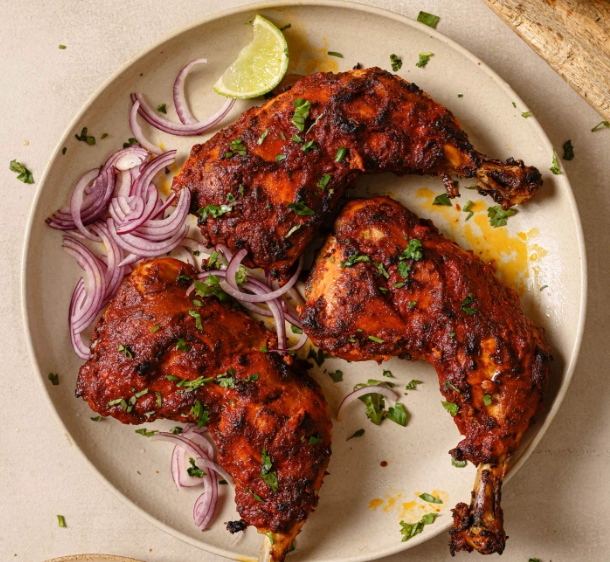
The Foolproof Step-by-Step Marination Guide
Let's walk through it. Assume we're aiming for the gold standard—overnight.
Step 1: Prep the Chicken. Use 2 lbs of chicken (mix of thighs and drumsticks works great). Pat it completely dry with paper towels. Moisture is the enemy of adhesion. Using a sharp knife, make 2-3 deep diagonal slashes on each piece, about ½ inch apart. This is your most important physical step.
Step 2: The First Layer (The Dry Rub). This is a trick many home cooks skip. In a bowl, mix 1 tbsp lemon juice, 1 tsp salt, ½ tsp turmeric, and 1 tsp Kashmiri red chili powder. Rub this paste vigorously into the chicken, especially into the slashes. Let it sit for 20 minutes. The salt and acid start working immediately, and the turmeric acts as a mild preservative and flavor base.
Step 3: The Main Marinade. In a blender, combine: 1 cup full-fat Greek yogurt, 2 tbsp ginger-garlic paste, 1 tbsp garam masala, 1 tbsp ground coriander, 1 tsp cumin, 1 tbsp Kashmiri chili powder (for color), 1 tsp smoked paprika (for depth), 1 tbsp mustard oil (the authentic, pungent kind—it's a game-changer), and salt to taste. Blend until smooth.
Step 4: Combine and Marinate. Pour the yogurt marinade over the pre-treated chicken. Using your hands (gloves optional), massage the marinade into every crevice. You want a thick, even, red coat. Transfer to a sealed container or a zip-top bag, pressing out excess air.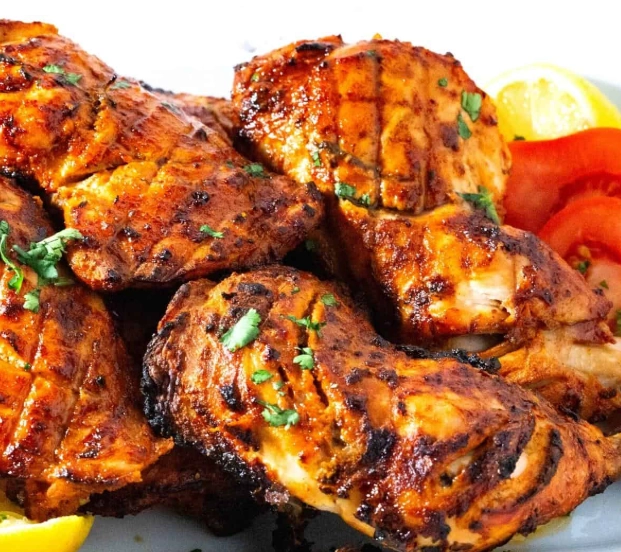
Step 5: The Wait. Place it in the coldest part of your refrigerator, not in the door. Leave it alone for at least 6 hours, but 8-12 is your target. If you can, give the bag a gentle turn or massage once halfway through.
Safety Check: Never reuse marinade that has touched raw chicken. If you want a sauce for serving, set aside a small portion of the marinade before adding the chicken, or make a fresh batch.
3 Costly Marination Mistakes (And How to Avoid Them)
I've seen these ruin countless dinners.
1. Skipping the Deep Score. You just coat the outside. The flavor hits a wall. Result: bland interior. Fix: Don't be shy. Cut deep, almost to the bone on thick pieces.
2. Using a Runny Marinade. Thin, watery yogurt makes a sad, drippy coating that pools at the bottom of the dish. The chicken doesn't get enough contact. Fix: Use Greek yogurt or strain regular yogurt in a cheesecloth for 30 minutes to thicken it.
3. Marinating in a Metal Bowl. The acids in the lemon and yogurt can react with reactive metals like aluminum or copper, giving the chicken a faint metallic taste. Fix: Use glass, ceramic, or a zip-top plastic bag.
One more: adding oil too early. Oil can coat the chicken and prevent the water-soluble spices and acids from making contact. In my recipe above, blending the oil into the yogurt emulsion solves this. If you're mixing by hand, add the oil last.
Your Tandoori Chicken Marination Questions, Answered
So, how long should you marinate your tandoori chicken? If you want the real deal, give it the night. Let the spices wander, let the acids tenderize, let the salt work its magic. That patience is what transforms a simple weeknight chicken into a vibrant, memorable centerpiece. Now you know not just the "how long," but the "why" and the "how." Go fire up that oven (or grill).
Discussion