Let's clear something up right away. The biggest misconception about Indian food is that it's all about setting your mouth on fire. If you've been avoiding Indian chicken dishes because you think they're too spicy, you're missing out on an entire universe of flavor. I spent years cooking in home kitchens and even briefly in a small restaurant in Delhi, and the most requested dishes were rarely the hottest ones. They were the creamy, aromatic, and deeply satisfying mild curries that comfort rather than challenge. This guide is for anyone who wants the complex taste of Indian cuisine without the intense heat.
Your Recipe Roadmap
7 Can't-Miss Mild Indian Chicken Recipes
Forget the generic lists. These are the classics and hidden gems that define mild Indian chicken cooking. I've included the core idea, the secret to its mildness, and a personal note from my own trials and errors.
1. Butter Chicken (Murgh Makhani)
The global ambassador of mild Indian food. Its mildness comes from the creamy tomato-cashew sauce that's strained to silky perfection, not from a lack of spices. The depth comes from garam masala and dried fenugreek leaves (kasuri methi). Pro tip: Don't skip the marination in yogurt and spices. It's not just for flavor; the yogurt tenderizes the chicken, ensuring it stays juicy in the rich sauce. If you're in London, the version at Bombay Palace on Connaught Street sets a high bar for creaminess and balance.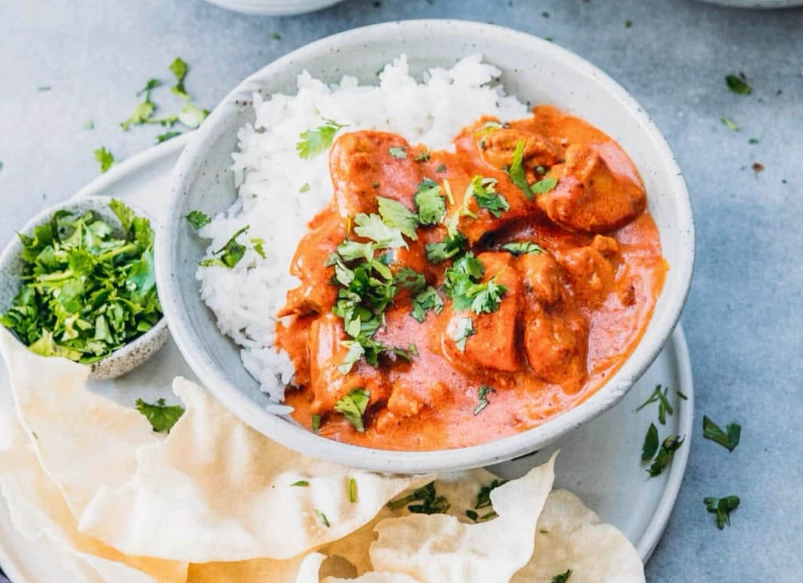
2. Chicken Korma
Often misunderstood in the West as a sweet curry. An authentic korma is nutty, fragrant, and subtly spiced. The mild profile is built on a base of browned onions, yogurt, cream, and ground nuts (almonds or cashews). Saffron or cardamom provides the signature aroma. The common error? Using coconut milk. That's a South Indian twist. A North Indian korma relies on dairy and nuts for its luxurious texture.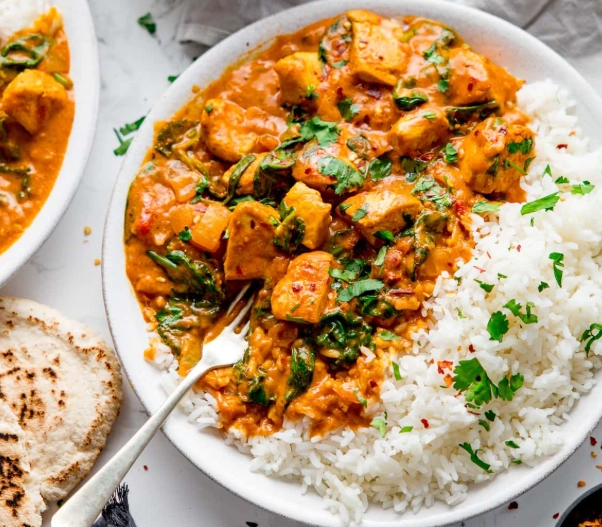
3. Creamy Cashew Chicken (Kaju Murgh)
This is your weeknight hero. Soak cashews, blend them into a paste with sauteed onions and ginger-garlic, and simmer with chicken. It's naturally mild, rich, and kid-friendly. I use white pepper instead of black for a cleaner heat that doesn't speckle the creamy sauce. It's a restaurant-style dish that's deceptively simple at home.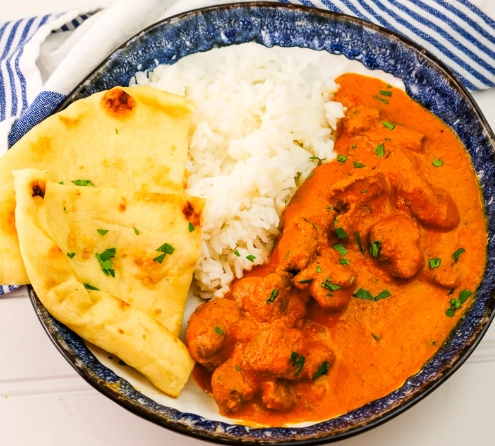
4. Lemon Chicken
Bright, tangy, and light. This isn't a heavy curry. Chicken is marinated in lemon juice, herbs, and mild spices, then quickly cooked. The fresh lemon juice added at the end is what makes it sing. It's a fantastic alternative to creamy curries when you want something lighter but still packed with flavor.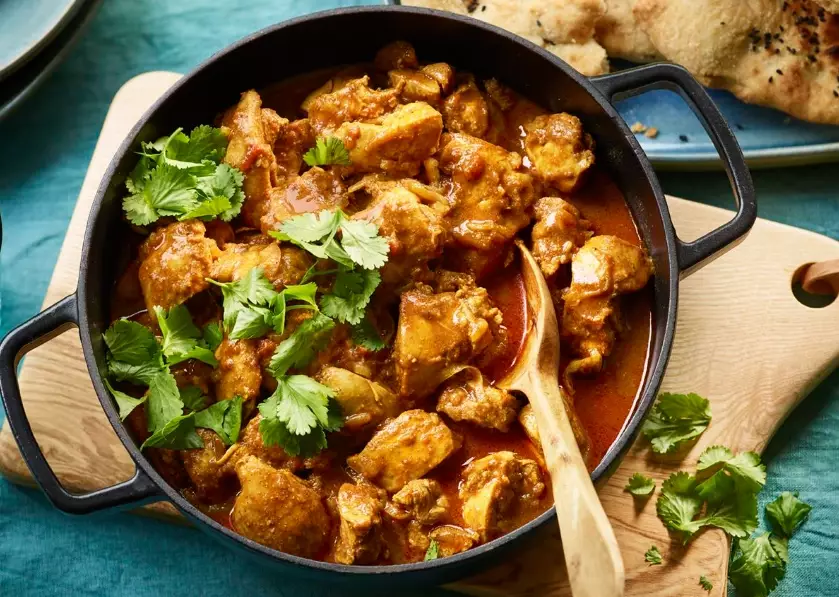
5. Malai Chicken
'Malai' means cream. This is a minimal-spice dish where the chicken is marinated and cooked in fresh cream, cheese (like paneer or cream cheese), and mild aromatics. It's decadent, mild, and the chicken turns incredibly tender. Perfect for when you want indulgence without complexity.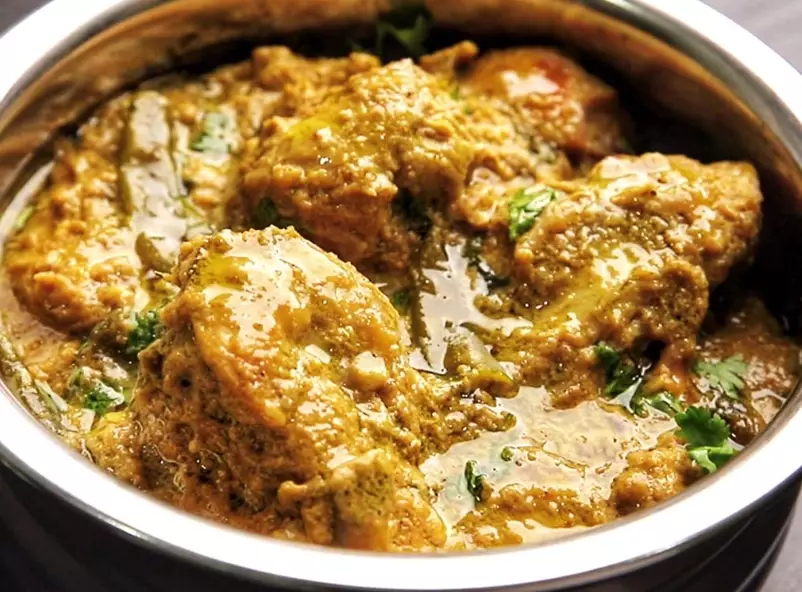
6. Achaari Chicken (Pickle-Spiced Chicken)
Now, this one sounds like it could be hot, but it's not about chili pickles. 'Achaar' refers to the blend of whole spices used in pickling—mustard, fennel, fenugreek, nigella, and cumin seeds. These are tempered in oil to create a fragrant, tangy, and uniquely flavored gravy with zero chili heat. It's a flavor adventure for the spice-curious who are heat-averse.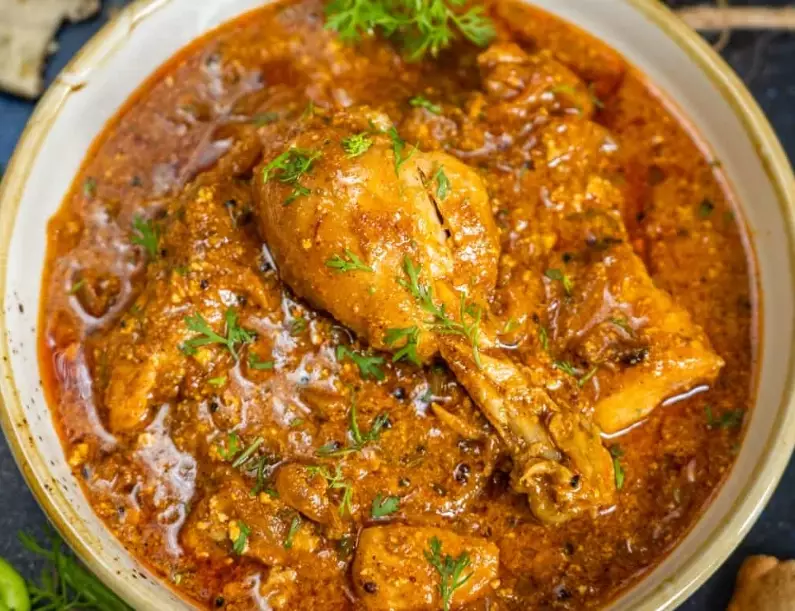
7. Simple Jeera (Cumin) Chicken
The ultimate beginner's recipe. The star is cumin—seeds toasted in oil and ground powder added later. Combined with coriander powder, turmeric, and ginger-garlic paste, it creates a warm, earthy, and comforting dish that's impossible to mess up. It's what many Indian home cooks make on a busy Tuesday.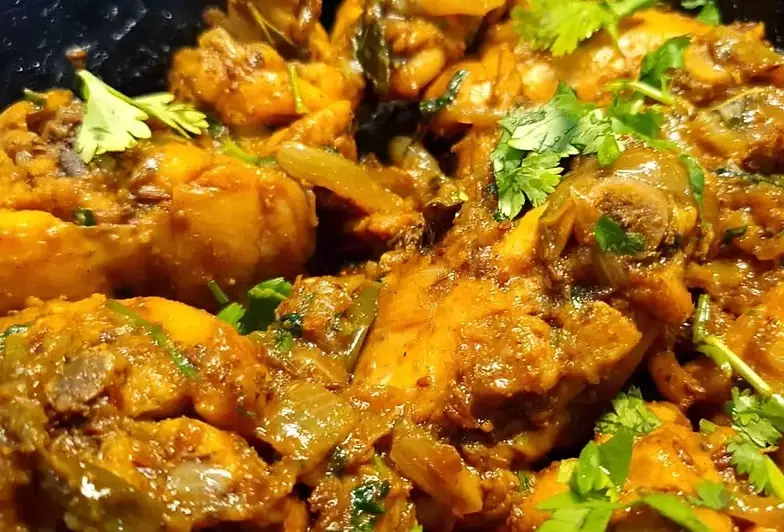
The Non-Negotiable Spice Pantry for Mild Curries
You don't need 50 jars. You need the right 8. Here’s the breakdown, based on what I actually reach for weekly.
- Cumin Seeds (Jeera): The earthy, nutty backbone. Always toast them in oil first.
- Coriander Powder (Dhania): The citrusy, floral base note of most curry powders. Never use it past its prime—it turns musty.
- Turmeric (Haldi): For color and a subtle earthy warmth. It stains, so be careful.
- Garam Masala: A warm spice blend (cinnamon, cardamom, cloves). Add it at the END of cooking. Adding it early makes the flavor bitter and sharp.
- Kasuri Methi (Dried Fenugreek Leaves): The secret weapon. Crush it between your palms before adding. It gives a subtle, savory bitterness that mimics the complexity of heat without any burn. A report from the National Institute of Nutrition, India, highlights fenugreek's traditional use as a digestive and flavor enhancer.
- Cardamom Pods (Green): For fragrance. You can throw whole pods into the oil or rice.
- Good-Quality Ginger-Garlic Paste: Freshly made or a trusted brand. This is your flavor foundation.
- Ghee or Neutral Oil: Ghee adds authenticity, but sunflower or avocado oil works perfectly.
3 Mistakes That Ruin Mild Curries (And How to Fix Them)
I've eaten and cooked enough bland, oily, or broken mild curries to know where things go wrong.
Mistake 1: Undercooking the Onion-Tomato Base (The "Masala")
This is the #1 reason for a curry that tastes raw and sour. You need to cook the pureed or finely chopped onions and tomatoes until the oil separates from the mixture. It takes time—15 to 20 minutes on medium heat. You'll see little droplets of oil around the edges of the pan. That's your signal. Rushing this step means your curry will lack depth and sweetness.
Mistake 2: Adding Dairy Too Early or Too Vigorously
Yogurt, cream, and cashew paste can curdle if you shock them. To add yogurt to a simmering gravy, take a spoonful of the hot gravy, mix it into the yogurt to temper it, then slowly stir this mixture back into the main pot. For cream, add it right at the end, off the heat. Never let a cream-based curry boil vigorously after adding the cream.
Insight: The mildness in these dishes isn't an absence of flavor; it's a shift in focus. Instead of capsaicin (the compound in chilies that causes heat), we're building layers with aromatics (onion, ginger, garlic), toasted whole spices, creamy agents, and finishing herbs. It's a different, often more complex, kind of cooking.
Mistake 3: Using Pre-Mixed "Mild Curry Powder" from the Supermarket
These are often stale, unbalanced, and contain fillers like wheat. They make every dish taste the same. Building your flavor from individual, fresh spices is easier than you think and makes a monumental difference. Your Butter Chicken and your Korma should taste distinctly different, not like slight variations of the same powder.
Pro Tips for Perfect Texture & Flavor
- Chicken Choice: Bone-in, skinless chicken thighs are king. They stay moist during the longer cooking times of curries. Breast meat can dry out easily.
- The "Bhuno" Technique: This is the Indian term for frying the spice paste. Don't be shy. Keep stirring and cooking that masala base until it's richly colored and fragrant. This is where flavor is made.
- Salt in Stages: Salt your chicken during marination. Salt your cooking onions. Adjust salt at the end. This builds seasoned layers.
- The Final Tempering (Tadka): Heat a tablespoon of ghee or oil, throw in a teaspoon of cumin seeds and a few dried red chilies (for aroma, not heat). Pour this sizzling oil over the finished curry. It's a restaurant-style flavor bomb.
Your Mild Chicken Curry Questions, Answered
Can I make mild Indian chicken in a slow cooker or Instant Pot?
You can, but with a crucial first step. For depth of flavor, you must sauté your onions, spices, and tomato base (the "masala") on the stovetop using the "Sauté" function or a separate pan until the oil separates. This step, called "bhuno," cannot be skipped. Only then should you add the chicken and liquid and switch to pressure or slow cook mode. Skipping this results in a bland, boiled-tasting curry.
My family has different heat tolerances. How can I serve one curry to everyone?
Make the core curry completely mild. Serve it with two small bowls on the side: one with a spicy chili pickle (like mango or lime) and one with plain yogurt. Those who want heat can add a spoonful of pickle to their plate. Those who are sensitive can cool a bite with yogurt. This is a common practice in Indian households.
What's the best way to thicken a mild curry if it's too runny?
Avoid cornstarch slurry. It gives a gloopy texture. Instead, take a few tablespoons of the cooked onions and sauce from the pot, blend them into a smooth paste, and stir it back in. Alternatively, mash a few pieces of the softened potato (if your recipe has it) against the side of the pot. For nut-based curries like Korma, a teaspoon of ground almond or cashew powder works perfectly.
How long do these mild chicken curries keep in the fridge or freezer?
They often taste better the next day. In the fridge, they'll keep for 3-4 days in an airtight container. For freezing, cream-based curries (Butter Chicken, Malai) can sometimes separate slightly when thawed. For best results, freeze the curry base (the sauce) separately from the cooked chicken, then combine and reheat gently with a splash of water or cream. Tomato-based and nut-based sauces freeze very well for up to 3 months.
Discussion