That rich, complex flavor of your favorite Indian restaurant's curry isn't a secret held by chefs in a faraway kitchen. It's a combination of technique, timing, and a handful of core ingredients. I've spent years trying to replicate that magic at home, burning my share of spices and ending up with watery curries along the way. The good news? Cracking the code for restaurant-style vegetarian Indian food at home is entirely possible, and it's simpler than you think. Forget bland boiled vegetables. We're talking about creamy Paneer Butter Masala that rivals any takeout, smoky Baingan Bharta straight from the clay oven, and Chana Masala with layers of spice you can actually taste.
Your Quick Recipe Roadmap
Why Indian Vegetarian Food is Perfect for Home Cooking
Indian cuisine has a centuries-old tradition of vegetarian cooking, rooted in various cultural and religious practices. This isn't an afterthought. Dishes are built from the ground up to be satisfying, protein-packed, and deeply flavorful using lentils, legumes, vegetables, dairy, and grains. The base of most curries—onions, tomatoes, ginger, garlic, and spices—is naturally vegan. The creaminess often comes from cashew paste or coconut milk, not just dairy. This foundational approach means you're working with a robust, flexible template. You can adjust heat, creaminess, and tang to your taste, something a restaurant can't always do for you.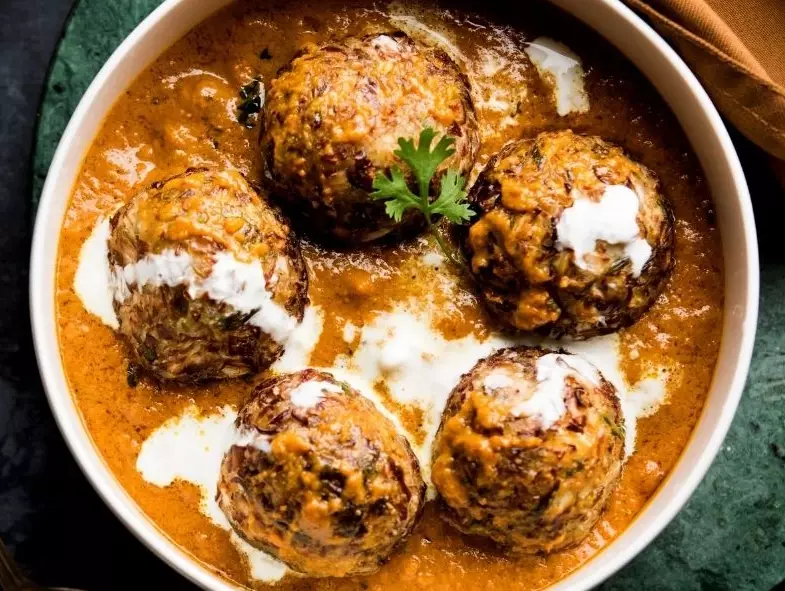
Your Non-Negotiable Spice & Pantry List
You don't need fifty jars. Start with these core players. Buy whole spices where possible (like cumin seeds, coriander seeds) and toast/grind them as needed. The flavor difference is night and day compared to pre-ground powder that's been sitting for months.
- Whole Spices: Cumin seeds, black mustard seeds, coriander seeds, cardamom pods (green and black), cinnamon sticks, cloves, dried red chilies.
- Ground Spices: Turmeric, red chili powder (Kashmiri for color, hotter varieties for heat), coriander powder, garam masala (add at the END of cooking).
- The Flavor Foundations: Ginger, garlic, fresh green chilies, onions, tomatoes, cilantro.
- Protein Heroes: Canned chickpeas (for convenience), red lentils (masoor dal), split pigeon peas (toor dal), paneer (Indian cottage cheese), firm tofu (great substitute).
- Creaminess Agents: Raw cashews (soaked and blended), full-fat coconut milk, heavy cream or yogurt.
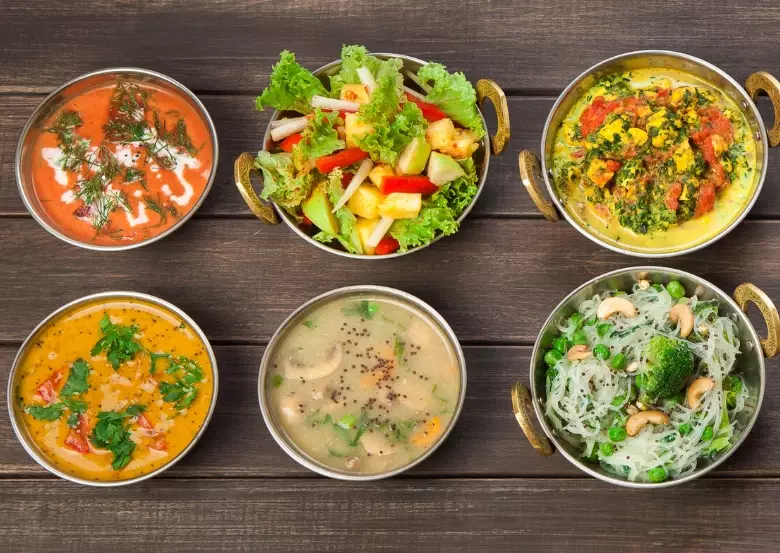
Master These 3 Restaurant Signature Dishes
Nail these, and you'll understand the mechanics of 90% of the menu.
1. The Crowd-Pleaser: Paneer Butter Masala
This is the dish that converts people. The restaurant secret? It's not just butter and cream. The depth comes from a smooth, cooked-down paste of onions, tomatoes, and cashews.
Key Steps Most Recipes Skip: Don't just boil the tomatoes. Char them directly on a gas flame or under a broiler until the skin blackens slightly. This adds a subtle smokiness. Also, fry the paneer cubes in a little ghee or oil until golden before adding to the gravy. It prevents them from becoming rubbery.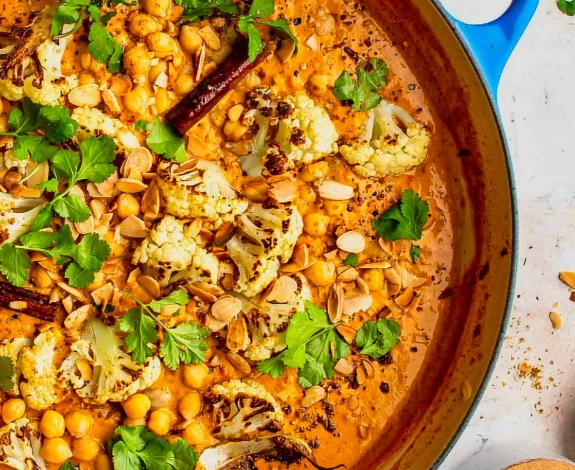
2. The Smoky Star: Baingan Bharta (Mashed Eggplant)
That unmistakable smoky flavor comes from charring the whole eggplant until the skin is completely blackened and the inside collapses. You can do this on a gas stove (place it directly on the burner), on a barbecue, or under your oven's broiler. No oven? A workaround is roasting cubed eggplant with oil at high heat, then adding a pinch of smoked paprika—it's not traditional, but it hints at the right profile.
The texture should be rustic, not perfectly smooth. Mash it with a fork, leaving some chunks.
3. The Weeknight Hero: Chana Masala (Chickpea Curry)
This is where your whole spices shine. Start with oil, add cumin seeds and a pinch of asafoetida (hing) if you have it. Then add a finely chopped onion and cook it slowly until it's deeply golden brown, almost caramelized. This "onion base" is non-negotiable for a rich, sweet-savory background. Use canned chickpeas, but simmer them in the spiced tomato gravy for at least 15-20 minutes. They'll drink up the flavor.
Finish with a generous sprinkle of dried mango powder (amchur) for tang, not just lemon juice. It makes a difference.
How to Plate It Like a Pro
Restaurants make food look irresistible. You can too.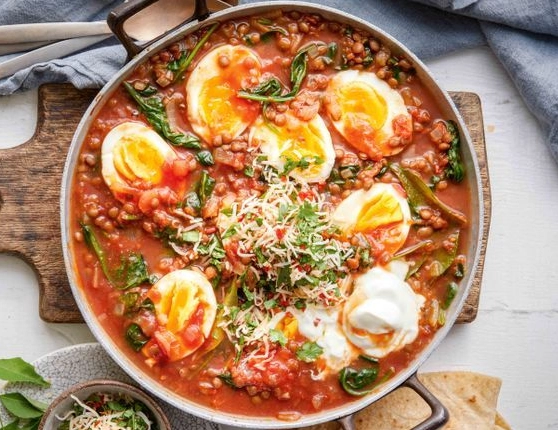
Never serve a curry just dumped in a bowl. Spoon it neatly. Always garnish. A drizzle of fresh cream, a sprinkle of chopped cilantro, a few thin slices of ginger, or a light dusting of garam masala right in the center. Serve with a wedge of lime on the side. Use a small bowl of basmati rice as an accompaniment, not just piled underneath. The visual separation matters.
Top London Indian Vegetarian Restaurants for Inspiration
Sometimes you need to taste the benchmark. Here are two London icons that do vegetarian food right. Go, take notes, then try to recreate the feeling at home.
Dishoom (Multiple Locations)
This isn't a purely vegetarian spot, but their vegetarian menu is legendary. It's Bombay cafe-style food, less about heavy curries and more about vibrant, shared plates.
Must-Try Dish: The Black Daal. They simmer it for over 24 hours. It's creamy, complex, and utterly addictive. At home, use a pressure cooker to mimic that texture in about 45 minutes with urad dal (black gram). The trick is plenty of butter and cream at the finish.
Address/Info: Covent Garden, King's Cross, Carnaby etc. Expect queues. The Black Daal is around £8.50. Check their website for hours.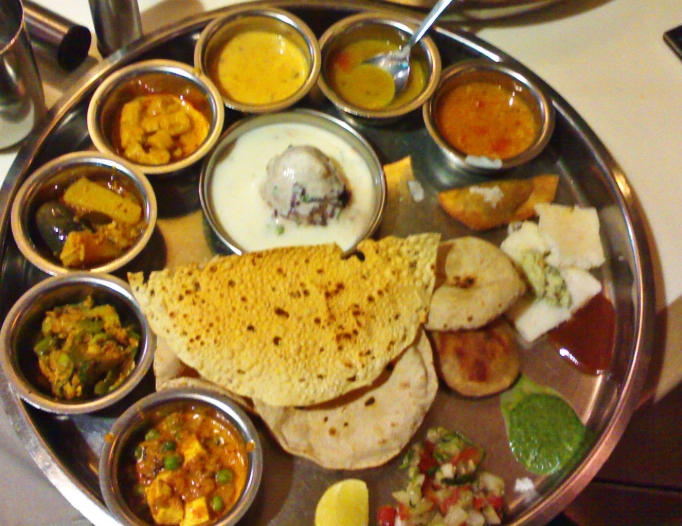
Rasa (Stoke Newington)
A pioneer in pure vegetarian Keralan (South Indian) food. The flavors are lighter, coconut-based, and packed with curry leaves and mustard seeds.
Must-Try Dish: Avial – a mixed vegetable stew in a yogurt and coconut gravy. It's a lesson in how to make vegetables the star without heavy spices. The takeaway? Don't overcook the veggies, and use fresh grated coconut.
Address/Info: 55 Stoke Newington Church St, London N16 0AR. More of a local gem. Mains start around £10.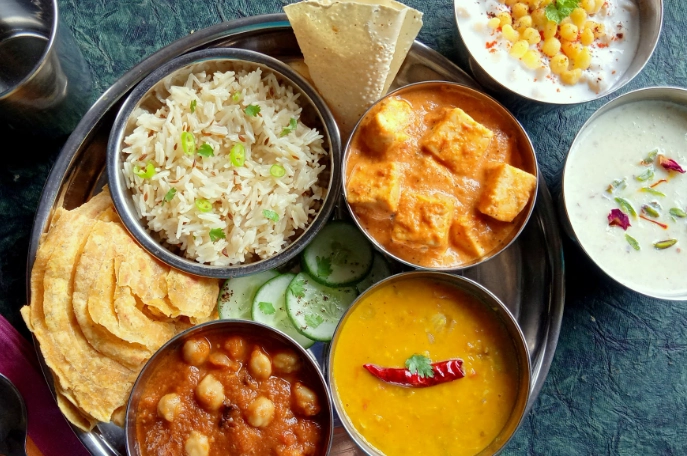
Discussion