Let's be honest. Most homemade samosas are a disappointment. They're either soggy, bland, or the pastry shatters into a million pieces. After years of trial and error (and some truly sad, oily triangles), I cracked the code. This isn't just a list of ingredients; it's the detailed blueprint for making authentic Punjabi-style samosas with that iconic flaky, crispy shell and a deeply spiced potato and pea filling. Forget the frozen stuff. Once you taste these, you'll never go back.
What's Inside This Samosa Guide?
The Non-Negotiable Ingredients
Great samosas start with the right components. You can't substitute your way to authenticity here. I learned this the hard way when I tried using Italian 00 flour once – disaster.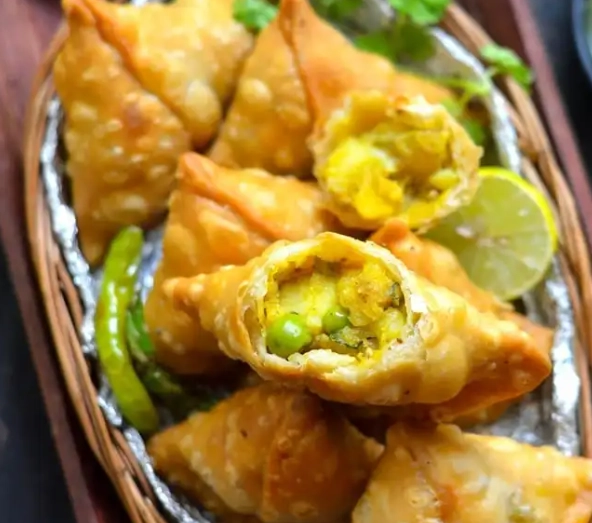
For the Dough (The 'Poori' Part):
All-purpose flour (Maida): This gives structure. Some recipes add a bit of whole wheat, but for classic flaky layers, stick with AP flour.
Ghee or neutral oil: Ghee is traditional and adds flavor, but a flavorless oil like sunflower works. Do not use olive oil.
Carom seeds (Ajwain): This is the secret weapon. It adds a distinct, slightly thyme-like fragrance and aids digestion. If you skip it, the dough tastes flat.
Salt & Water: Cold water is crucial.
For the Filling (The 'Aloo Masala'):
Potatoes: Use starchy potatoes like Russets or Yukon Gold. They mash well and absorb spices.
Green Peas: Fresh or frozen. Don't use canned.
Whole Spices: Cumin seeds, fennel seeds, coriander seeds. Toasting them whole before grinding makes a world of difference.
Ground Spices: Coriander powder, amchur (dry mango powder) for tang, red chili powder. Garam masala goes in at the very end.
Ginger, Green Chili, Fresh Coriander: For that fresh kick.
How to Make Punjabi Samosa Dough?
The dough isn't a bread dough. It's a shortcrust pastry cousin. The goal is a stiff, pliable dough that bakes up into shattering layers.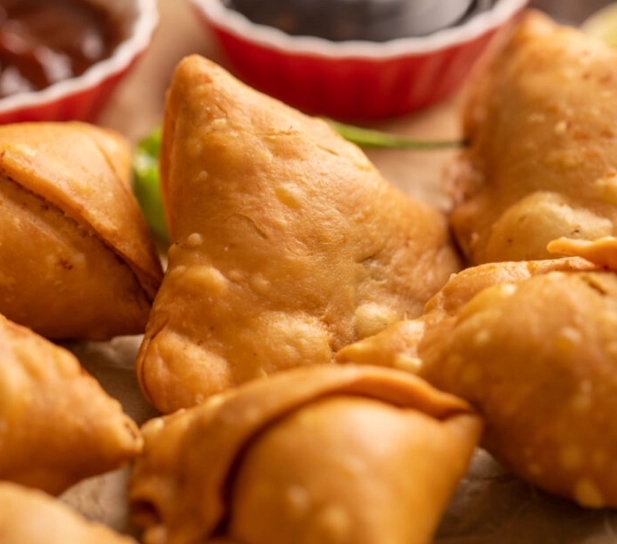
Mix 2 cups of flour with 1 tsp ajwain and 1 tsp salt. Now, add 1/4 cup of solid ghee or oil. This is the most important step. Rub the fat into the flour with your fingertips until it resembles coarse breadcrumbs. You should be able to clump it in your fist, and it holds shape briefly before crumbling. This coating of fat is what creates the flaky layers by preventing gluten from forming too much.
Pro Tip: Use cold water, a few tablespoons at a time. You'll need about 6-7 tbsp. Knead just until it comes together into a stiff ball. Over-kneading makes the dough tough and chewy, not flaky. Cover it with a damp cloth and let it rest for at least 30 minutes. This relaxes the gluten, making it easier to roll out thin without springing back.
I see a lot of recipes that add baking powder. Don't. Traditional Punjabi samosa dough doesn't use leavening. The lift comes from the steam separating those fat-coated flour layers.
Cooking the Perfect Spiced Aloo Filling
The filling needs to be dry, flavorful, and cohesive. A wet filling is the number one cause of soggy, bursting samosas.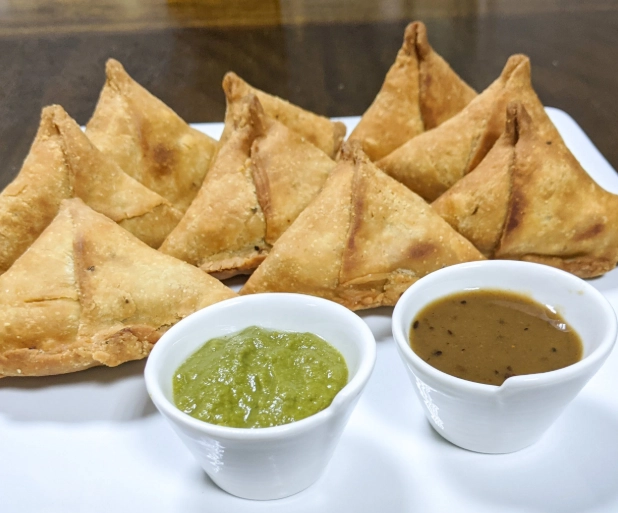
Boil 3 medium potatoes until just tender. Let them cool completely, then peel and chop them into small cubes, not mash. You want texture.
Heat 2 tbsp oil in a pan. Add 1 tsp cumin seeds, 1 tsp fennel seeds, and 1 tsp crushed coriander seeds. Let them sizzle for 10 seconds. Add finely chopped ginger, green chili, and a pinch of asafoetida (hing) if you have it.
Throw in the potatoes and 1/2 cup peas. Now, the ground spices: 1.5 tsp coriander powder, 1 tsp amchur, 1/2 tsp red chili powder, salt to taste. Cook on medium-low heat for 5-7 minutes, stirring constantly. The amchur will absorb any residual moisture.
Turn off the heat. Only now add 1/2 tsp garam masala and a handful of chopped fresh coriander. Mix and let it cool completely before filling. A warm filling will make your dough soggy and impossible to seal.
Folding Techniques and Frying for Maximum Crisp
Shaping the Samosas
Divide the dough into 6 equal balls. Roll each into a thin oval, about 7 inches long. Cut it in half. Take one half, form a cone by overlapping the straight cut edge, and seal the seam with a dab of water.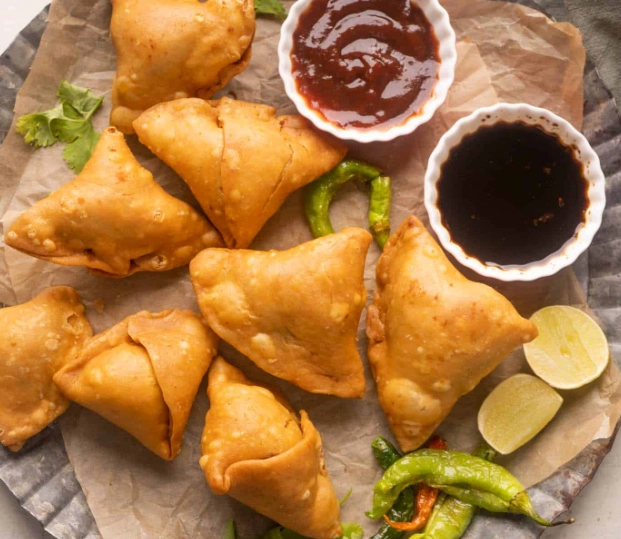
Fill the cone 3/4 full. Don't overstuff. Seal the top edge tightly, pressing out any air pockets. A good seal is vital to prevent oil from seeping in during frying. Crimp the edges for a classic look.
Watch Out: If your filling is even slightly warm, the steam will create pressure inside, causing the seams to burst open in the hot oil. Always ensure both dough and filling are at room temperature.
The Frying Method
Deep frying is non-negotiable for the real deal. Use a neutral, high-smoke-point oil like sunflower or peanut.
Temperature is everything. You need a thermometer. Heat the oil to 325-340°F (160-170°C). This is a medium heat. If the oil is too hot, the outside browns before the inside cooks. Too low, and the samosas absorb oil and become greasy.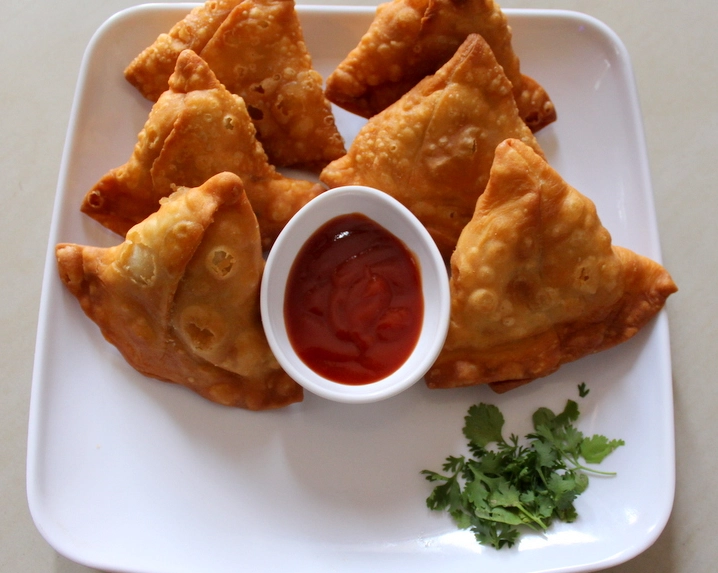
Fry 3-4 samosas at a time, don't crowd the pan. Fry for 8-10 minutes, turning occasionally, until they are a consistent light golden brown. They won't be super dark yet.
Here's the second-stage trick for ultimate crispness: remove them and drain on a rack. Let the oil heat up to 375°F (190°C). Briefly fry them again for 60-90 seconds until they turn a deep, golden brown. This double-fry method ensures an unbelievably crispy shell that stays crisp for hours.
What are the common mistakes when making samosas?
Based on teaching friends and my own early failures, here's where most people go wrong.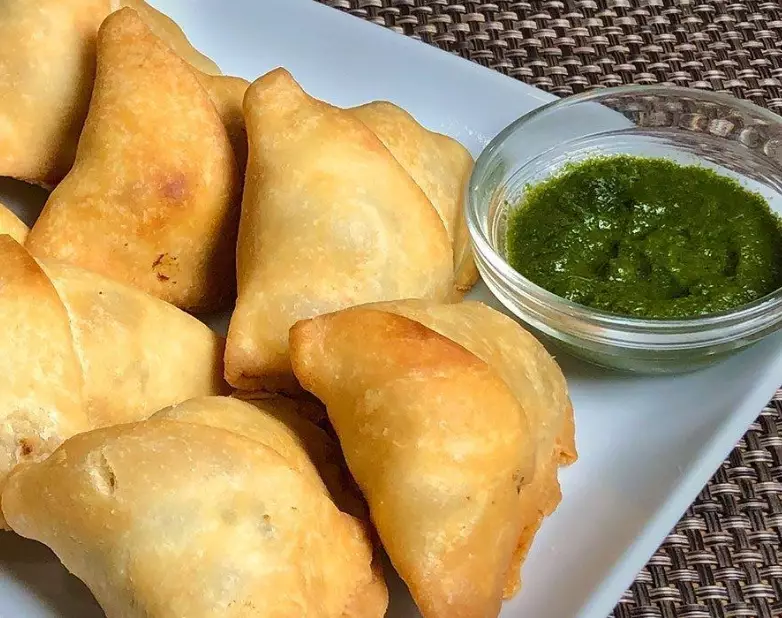
| Mistake | Result | The Fix |
|---|---|---|
| Soft, over-kneaded dough | Chewy, tough pastry | Knead minimally, rest adequately. |
| Warm or wet filling | Soggy shell, bursting seams | Cool filling completely, use amchur. |
| Frying at wrong temperature | Greasy or burnt samosas | Use a thermometer. Fry at 325°F then 375°F. |
| Using the wrong fat in dough | Lack of flavor/flakiness | Use ghee or neutral oil, not butter or olive oil. |
| Skipping ajwain (carom seeds) | Dough lacks authentic aroma | It's a key flavor; find it in Indian stores. |
Your Samosa Questions, Answered
Making Punjabi samosas from scratch is a project, I won't lie. It takes time and attention to detail. But the result—a hot, homemade, perfectly crisp and spiced samosa with a cup of chai—is one of the most satisfying culinary experiences. It's about the process as much as the product. Give it a try this weekend. Follow these steps, pay attention to the dough and filling temperatures, and you'll nail it.
Discussion