Jump to the Good Stuff
Let's talk about brown lentil curry Indian style. You know, the one that's not just "another lentil soup" but a proper, hearty, soul-warming dish that sticks to your ribs. The kind that fills your kitchen with smells that make your neighbors jealous. I've messed this up before, believe me. Too watery, too bland, spices just floating on top like they're scared of the lentils. It took me a few tries, and some advice from a friend's grandma, to get it right. So I'm gonna save you the trouble and spill everything here.
What makes a great brown lentil curry Indian authentic? It's not about fancy techniques. It's about patience, the right spices, and understanding how lentils behave. They're not just a protein filler; they're the main event, and they need to be treated with respect.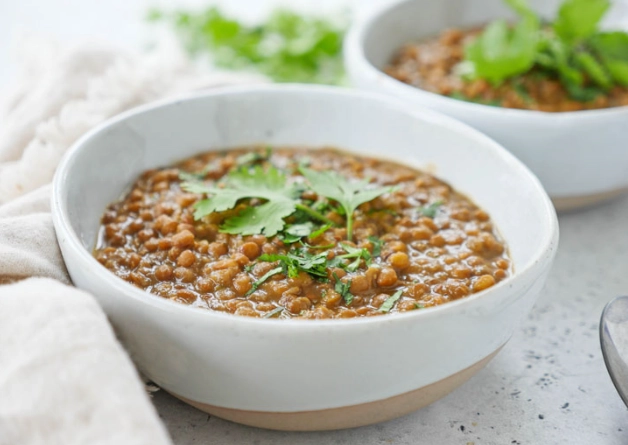
Why Brown Lentils? And What's So Special About Them?
You might wonder why brown lentils and not red or yellow for this curry. Well, brown lentils (sometimes called whole masoor dal) hold their shape beautifully. They don't dissolve into a puree like red lentils do. They give the curry a substantial, meaty texture that's incredibly satisfying, especially if you're eating it with rice or bread. They're like the reliable friend of the lentil world.
Nutritionally, they're a powerhouse. A great source of plant-based protein and fiber. The USDA FoodData Central breaks down their impressive profile. But honestly, we eat them because they taste good and make you feel good.
The Core Philosophy: Building Layers of Flavor
Indian cooking, especially for a dish like brown lentil curry, is all about layering. You don't just dump everything in a pot. You start with frying whole spices to release their oils. Then you cook onions until they're deeply golden, almost caramelized. Then come the ginger, garlic, and ground spices, each cooked just enough to lose their raw edge without burning. Finally, the lentils and water go in. This process, called "bhunao," is what transforms simple ingredients into something complex and deeply flavorful.
Your Non-Negotiable Shopping List
Before you start, get your mise en place ready. Here's what you absolutely need. I've split it into the essentials and the "nice-to-haves" that elevate the dish.
| Ingredient | Role & Why It Matters | Quantity (for 4-6 servings) |
|---|---|---|
| Dry Brown Lentils (Whole Masoor) | The star. Provides texture, protein, and body. Must be sorted and rinsed. | 1.5 cups |
| Onions (Yellow or Red) | Forms the sweet, deep base of the gravy. Thinly sliced or finely chopped. | 2 large |
| Tomatoes | Adds acidity and tang, balancing the richness. Fresh, ripe ones are best. | 2 medium, pureed |
| Ginger & Garlic Paste | The aromatic backbone. Freshly made paste beats jarred stuff every time. | 1 tbsp each |
| Ghee or Neutral Oil | Ghee adds authentic flavor, but avocado or canola oil works fine. | 3 tbsp |
| Whole Spices: Cumin Seeds, Bay Leaf | Infuses the oil with their essence right at the start. | 1 tsp cumin, 1 leaf |
| Ground Spices: Turmeric, Coriander, Red Chili Powder | Provides color, warmth, and the classic curry flavor profile. | 1 tsp each (adjust chili to taste) |
The Spice Cabinet Upgrade (Seriously, Get These)
If you want to go from good to "wow," consider these additions. Garam masala is a blended spice mix that adds warmth (cinnamon, cardamom, cloves). It's often added at the end. Asafoetida (hing) is a pungent resin used in tiny amounts, especially in Jain cooking where onions/garlic are avoided; it adds a savory, umami depth. You can learn more about its unique role from resources like reputable Indian cooking sites. A dry red chili or two, tossed in with the whole spices, gives a different kind of heat.
Got everything? Good. Now, the fun part.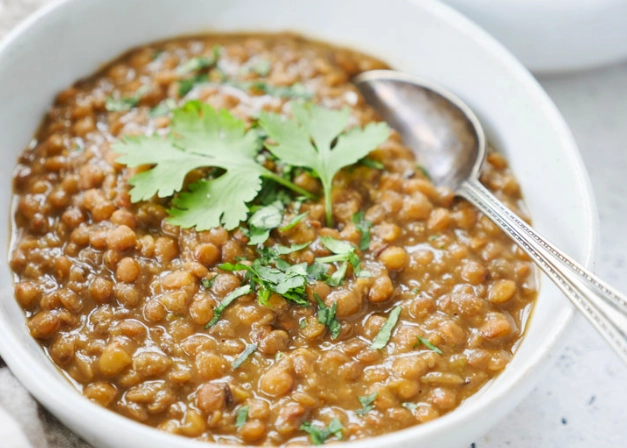
The Step-by-Step: No Rush, Just Flavor
This isn't a 15-minute recipe. A proper brown lentil curry Indian style needs about an hour, mostly unattended simmering. Put on some music, pour yourself a drink, and cook.
Prep Work is 80% of the Battle
Sort your lentils. I know it's tedious, but sometimes tiny stones hide in there. Rinse them under cold water until it runs clear. Soak them? You can soak for 30 minutes to reduce cooking time slightly, but it's not mandatory. I usually don't, because I like the longer simmer for flavors to develop.
Chop your onions finely. The finer they are, the better they'll melt into the gravy. Puree the tomatoes – a blender or food processor is fine, or just grate them on a box grater, skin and all.
The Cooking Process: A Visual Journey
Heat the ghee or oil in a heavy-bottomed pot or Dutch oven over medium heat. Toss in the cumin seeds and bay leaf. Wait for the cumin to sizzle and become fragrant – about 30 seconds. Don't let them burn.
Add the onions. Now, here's the first test of patience. Cook them, stirring occasionally, for a good 15-20 minutes. You want them soft, golden brown, and sweet. Not just translucent, but properly caramelized. This is the foundation of your flavor.
Add the ginger-garlic paste. Cook for another 2 minutes until the raw smell disappears.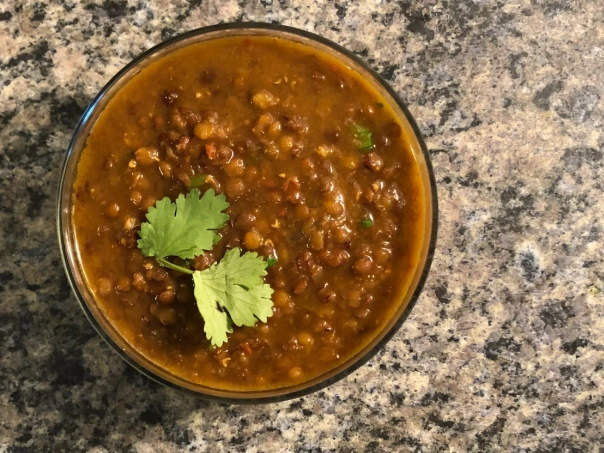
Time for the ground spices – turmeric, coriander, red chili powder. Stir them into the onion mixture for just 30 seconds. This "toasts" them slightly in the oil, unlocking their full potential. Immediately add the tomato puree to stop them from burning.
Cook the tomato mixture. This is another 8-10 minute process. You want the tomatoes to break down, the oil to start separating from the sides of the mixture. It will look glossy and thick.
Now, add the rinsed lentils. Stir to coat them in that beautiful masala base. Pour in 4-5 cups of hot water (hot prevents the lentils from toughening). Add salt. Bring to a boil, then reduce to a gentle simmer.
Cover partially and let it simmer for 45 minutes to an hour. Stir occasionally. The lentils should be tender but not disintegrated. The curry will thicken as it cooks. If it gets too thick, add a bit more hot water.
The final touch? A "tadka" or tempering. Heat a small spoon of ghee in a tiny pan. Add a pinch of cumin seeds, maybe a dried red chili, and a clove of crushed garlic. When it sizzles, pour this fragrant oil over the finished curry. It's like waking the dish up with a burst of aroma.
Finish with a sprinkle of garam masala and fresh cilantro.
So, What Makes This *Authentic*?
Anyone can boil lentils. The authentic touch in a brown lentil curry Indian method comes from a few key things. The long, slow cooking of the onions. The frying of spices in fat before adding liquids. The final tempering (tadka). And crucially, the balance of flavors – it should be savory, slightly tangy from tomato, warmly spiced, but not overwhelmingly hot. The lentil itself should be the hero.
Texture is another giveaway. An authentic version isn't a smooth soup or a watery broth. It's a thick, creamy stew where the lentils are soft but distinct, suspended in a richly flavored gravy.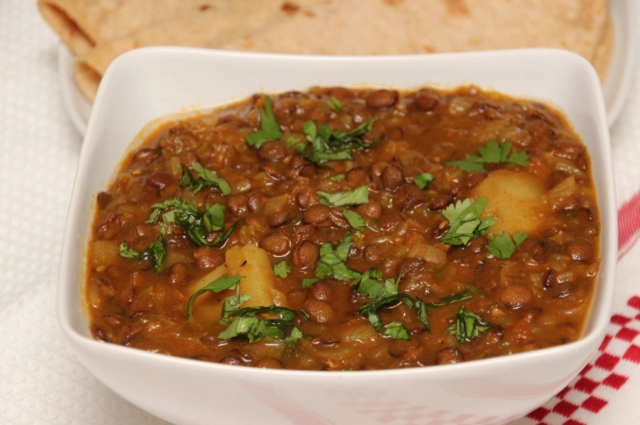
Common Pitfalls & How to Dodge Them
Let's troubleshoot based on my own (many) mistakes.
Curry is too watery. You added too much water too early. Simmer uncovered to reduce. Next time, start with less – you can always add more. Remember, lentils absorb a lot.
Curry is too thick/pasty. Simple, just add hot water in small increments until you reach the desired consistency. It should coat the back of a spoon nicely.
Lentils are still hard. Old lentils take forever to cook. Always buy from a store with good turnover. If they're stubborn, just keep simmering with more hot water. A pinch of baking soda can help soften them, but it can also make them mushy and alter the flavor, so use sparingly.
Flavor is bland. You probably didn't cook your onions long enough, or you under-salted. Salt is crucial for bringing all the flavors forward. Also, ensure your ground spices are fresh. If they've been in your cupboard for years, they've lost their potency.
Spices taste raw or bitter. You didn't cook them long enough in the oil before adding tomatoes (raw taste), or you burned them (bitter taste). Medium heat is your friend.
How to Serve & Make It a Meal
A bowl of this brown lentil curry Indian style is a complete meal, but pairing it right elevates it.
Classic Pairing: Steamed basmati rice. The fluffy grains are perfect for soaking up the gravy. A side of plain yogurt (raita) cools the palate.
My Favorite Way: With warm, flaky parathas or rotis. Tearing off a piece of bread and scooping up the lentils is a deeply satisfying experience.
For a Low-Carb Option: Serve it over cauliflower rice or with a side of sautéed greens like spinach or kale.
Leftovers? They're even better the next day. The flavors continue to meld. It keeps well in the fridge for 3-4 days and freezes beautifully for up to 3 months.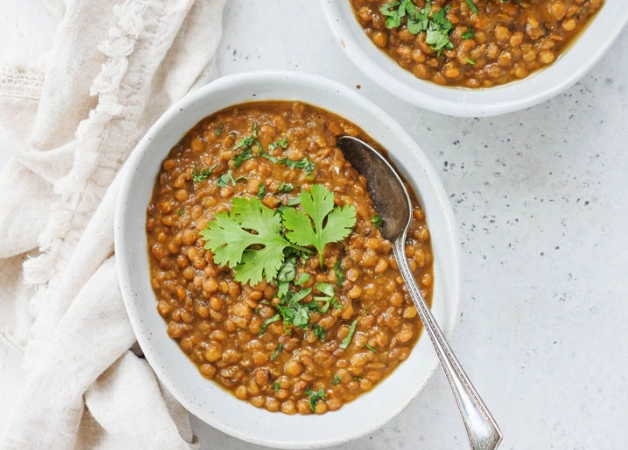
Your Brown Lentil Curry Questions, Answered
Can I use canned brown lentils to save time?
You can, but the texture and flavor won't be the same. Canned lentils are already cooked and soft. If you must, add them at the very end, just to heat through, after you've made the masala gravy. Drain and rinse them well first. But really, try the dry version once – it's worth the extra time.
My curry tastes sour. What went wrong?
This usually happens with tomatoes that are too acidic or under-ripe. To balance it, add a tiny pinch of sugar (just a pinch!) or a drizzle of honey. You can also stir in a spoonful of cream or coconut milk to mellow it out.
A little tang is good. Too much is unpleasant.
Is this the same as Dal Makhani?
No, it's not. Dal Makhani is made with black lentils (urad dal) and kidney beans, and is slow-cooked for hours with cream and butter. This brown lentil curry is simpler, homier, and uses different lentils. Both are delicious, but they're distinct dishes. The BBC Food recipe for Dal Makhani shows the difference in ingredients and process.
How can I make it in an Instant Pot or pressure cooker?
Absolutely. Use the Sauté function to fry the spices, onions, and make the masala base exactly as described. Then add the rinsed lentils and 3 cups of water (not 4-5). Seal the lid and pressure cook on high for 12-15 minutes. Let the pressure release naturally for 10 minutes, then do a quick release. The texture will be slightly different—more uniform—but it's a great shortcut.
Can I make this vegan?
Easily. Just swap the ghee for a neutral vegetable oil. The final tadka can also be done with oil. That's it. The dish is naturally vegan and packed with plant-based protein.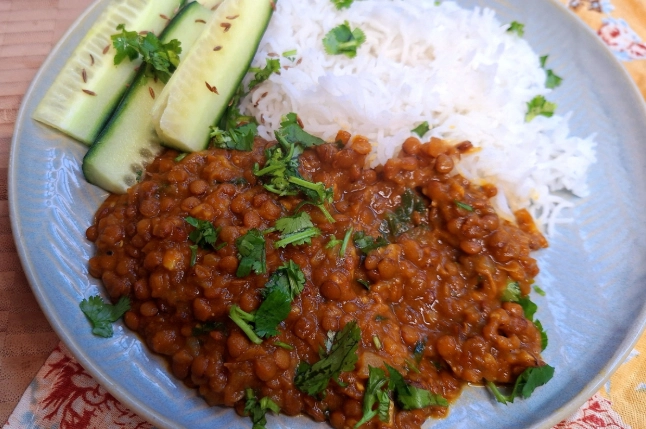
The Final Word
Making an incredible brown lentil curry Indian style isn't about secret ingredients. It's about respecting the process. Taking the time to brown your onions, to bloom your spices, to let the lentils simmer gently until they're tender and the gravy is luxurious.
It's forgiving, too. Don't have one spice? Skip it or substitute. Want it creamier? Stir in a spoonful of coconut milk or yogurt at the end. Prefer more heat? Add a chopped green chili with the ginger.
This dish is a testament to how humble ingredients, treated with care, can become something extraordinary. It's comfort food that's also good for you. It's weeknight dinner and special enough for guests. Once you get the basic rhythm down, this brown lentil curry recipe will become a staple in your kitchen. I know it has in mine.
So go on, give it a try. Don't rush it. Let the pot do its thing. Your kitchen is about to smell amazing.
Discussion