Let's cut to the chase. South Indian bread isn't just food; it's a craft. If you've ever ended up with a dosa that's too thick or a parotta that's rubbery, you're not alone. I've been there, wasting batches of batter. But after years of trial and error—and learning from home cooks in Kerala and Tamil Nadu—I've nailed down the methods that work. This guide will show you how to make authentic South Indian bread recipes that are crispy, fluffy, or flaky, just like from a street vendor.
What You'll Learn in This Guide
What Makes South Indian Breads Stand Out?
Forget the Western loaf. South Indian bread is diverse—think fermented crepes, steamed cakes, and layered flatbreads. They're typically vegan, gluten-free, and packed with probiotics thanks to fermentation. According to the National Institute of Nutrition, India, fermented foods like these aid digestion. But here's something most blogs miss: the texture is everything. A good dosa should be lacy and crisp, not soggy. An appam should have a soft center and crispy edges. It's all about the batter consistency and heat control.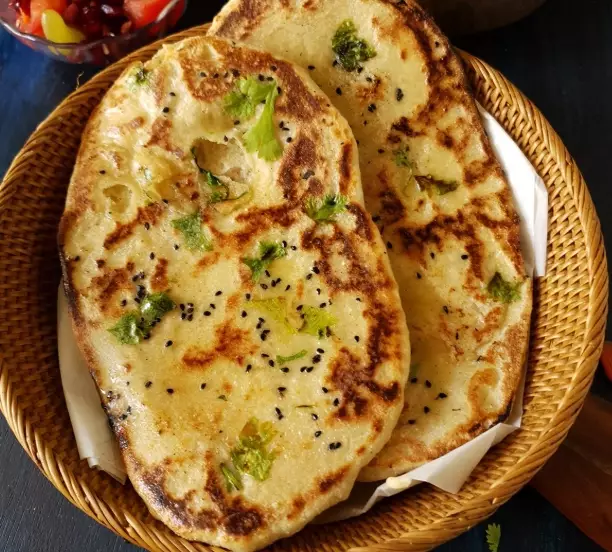
I once tried a recipe that called for instant yeast. Disaster. The traditional slow fermentation with urad dal and rice gives that tangy flavor you can't replicate. If you skip that, you're just making a pancake.
How to Make Perfect Dosa: A Foolproof Recipe
Dosa is the star. Everyone wants that golden, crispy crepe. Let's break it down.
Ingredients and Equipment You'll Need
For 8-10 dosas: 1 cup parboiled rice, 1/4 cup urad dal (split black gram), 1/2 teaspoon fenugreek seeds, salt, water. That's it. No baking soda needed. Equipment: a blender, a large bowl, and a cast-iron tawa or non-stick skillet. I prefer cast-iron—it retains heat evenly, but it takes practice to season.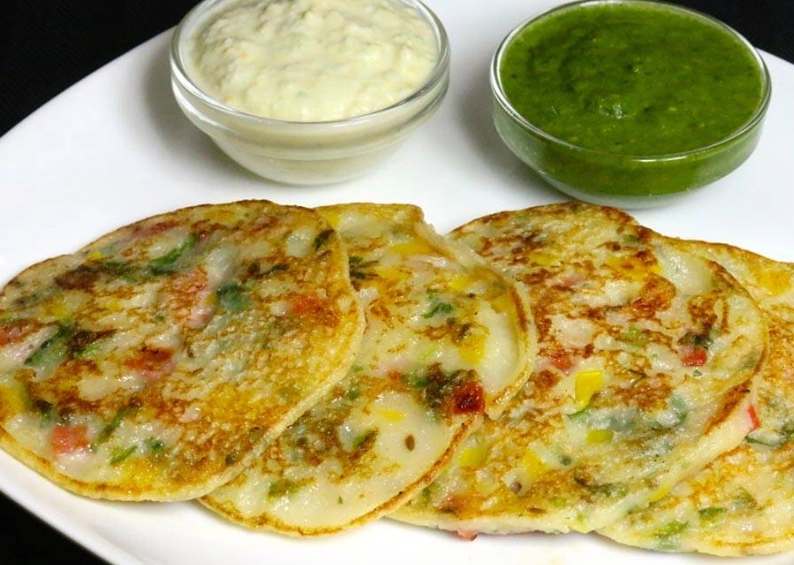
Step-by-Step Process
Soak the rice and dal separately for 6 hours. Grind them into a smooth batter, mix together, and let it ferment. This is where people mess up. Fermentation time depends on temperature. In summer, 8-10 hours; in winter, up to 24 hours. The batter should double in volume and smell slightly sour.
Heat your tawa on medium-high. Test with a water droplet—it should sizzle. Pour a ladle of batter, spread it thin in circular motions. Drizzle oil around the edges. Cook for 2 minutes until the edges lift. Flip if you want, but I like mine single-sided for extra crispness.
My first dosa stuck to the pan. Turns out, I didn't heat the tawa enough. Now, I wait until it's properly hot, then reduce to medium before pouring.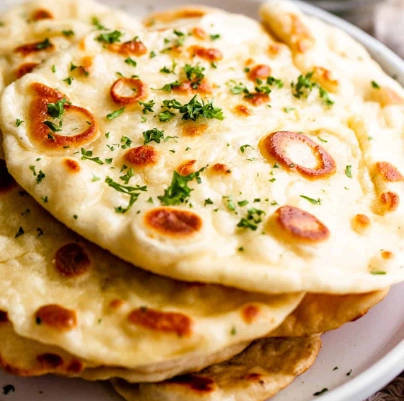
Pro Tips for Crispy Dosa
- Batter consistency: It should be like thin pancake batter. Too thick, and it won't spread; too thin, and it tears.
- Fermentation hack: Add a teaspoon of cooked rice to the batter—it boosts fermentation naturally.
- Storage: Fermented batter lasts 3-4 days in the fridge. Stir gently before use.
Mastering Malabar Parotta: The Art of Layers
Malabar parotta is a flaky, layered bread from Kerala. It's trickier than dosa, but worth it.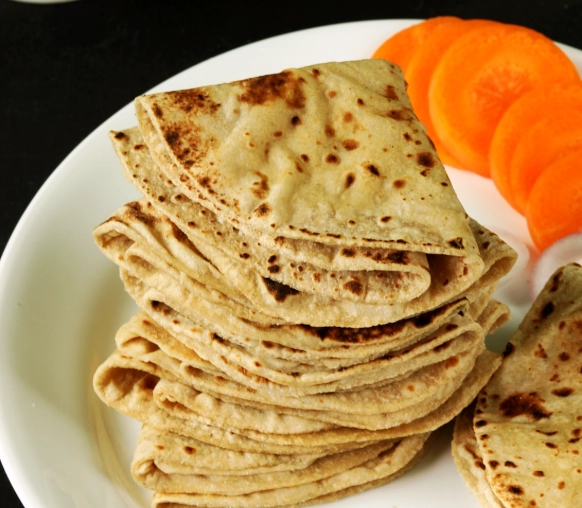
The Dough Preparation
Mix 2 cups all-purpose flour, 1 teaspoon sugar, salt, 1 tablespoon oil, and enough water to form a soft dough. Knead for 10 minutes until smooth. Rest for 2 hours, covered. This resting is non-negotiable—it relaxes the gluten, making stretching easier.
Layering and Cooking
Divide the dough into balls. Roll each ball into a thin sheet. Brush with oil, sprinkle flour, and pleat it like a fan. Then coil it into a spiral and roll out again. This creates layers. Cook on a hot tawa with ghee until golden brown, pressing gently with a spatula.
A common mistake: rolling too thin initially, which tears the layers. Start with a medium thickness, about 1/8 inch.
| Bread Type | Main Ingredients | Cooking Time | Difficulty Level |
|---|---|---|---|
| Dosa | Rice, Urad Dal | 3-4 mins each | Easy |
| Malabar Parotta | Wheat Flour, Oil | 5-7 mins each | Intermediate |
| Appam | Rice, Coconut Milk | 4-5 mins each | Easy |
I learned this from a street vendor in Coimbatore who said the key is in the wrist motion when stretching. Practice makes perfect.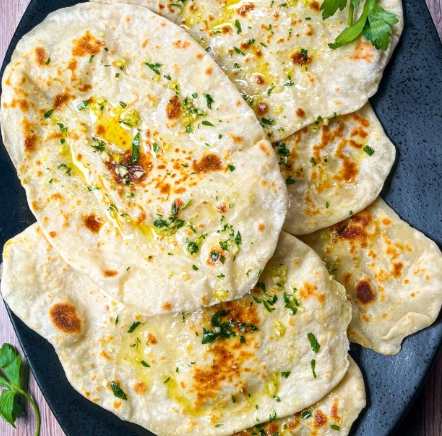
Common Mistakes and How to Fix Them
Here are pitfalls I've seen over and over.
- Dosa sticks to the pan: The pan isn't hot enough, or it's not seasoned properly. Heat it well, then wipe with an oiled cloth before each dosa.
- Parotta turns hard: Over-kneading the dough. Knead just until smooth, then stop. Also, don't skip the resting time.
- Batter doesn't ferment: Temperature is too low. Place it in a warm spot, like an oven with the light on. Using chlorinated water can also inhibit fermentation—use filtered water.
One time, I added too much fenugreek, and the batter turned bitter. Stick to the measurements.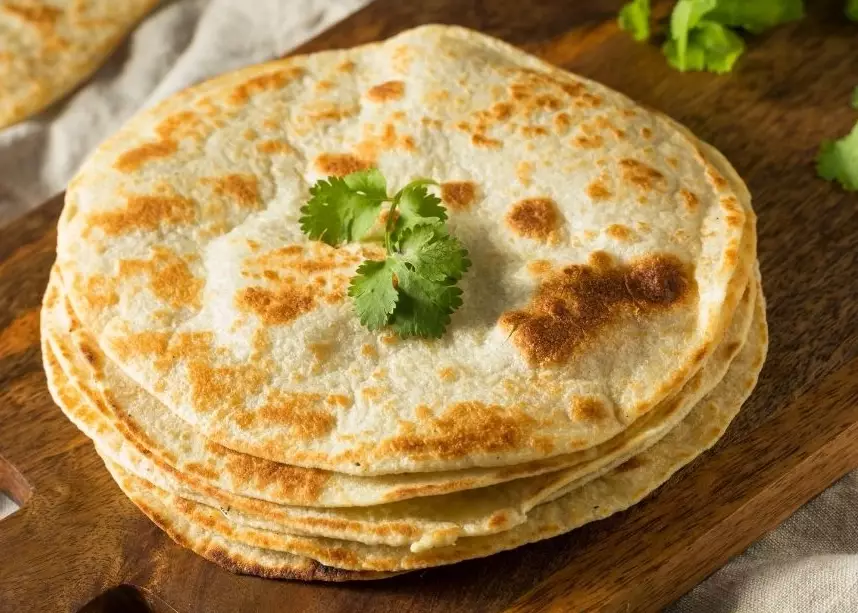
Your Questions Answered
South Indian bread recipes are about patience and practice. Start with dosa, then move to parotta. Don't get discouraged by failures—my first ten dosas were awful. Now, I make them weekly. Share your results online; the community is helpful. Remember, the best ingredient is time.
Discussion