Indian breakfast isn't just a meal; it's a vibrant start to the day, packed with flavors that vary from north to south. If you've ever wondered what makes these morning dishes so popular, you're in the right place. I've spent years exploring Indian cuisine, from street stalls in Delhi to home kitchens in Chennai, and I'll break down the classics, regional twists, and even some insider tips you won't find in most guides. Let's dive straight in: the most popular Indian breakfast dishes include paratha, dosa, poha, and idli, each with its own story and taste profile.
What You'll Find in This Guide
The Heart of North Indian Breakfast
North Indian breakfast tends to be hearty and wheat-based, perfect for colder mornings. When I visited Punjab, I was struck by how families gather around a table stacked with fresh parathas—it's more than food; it's a ritual.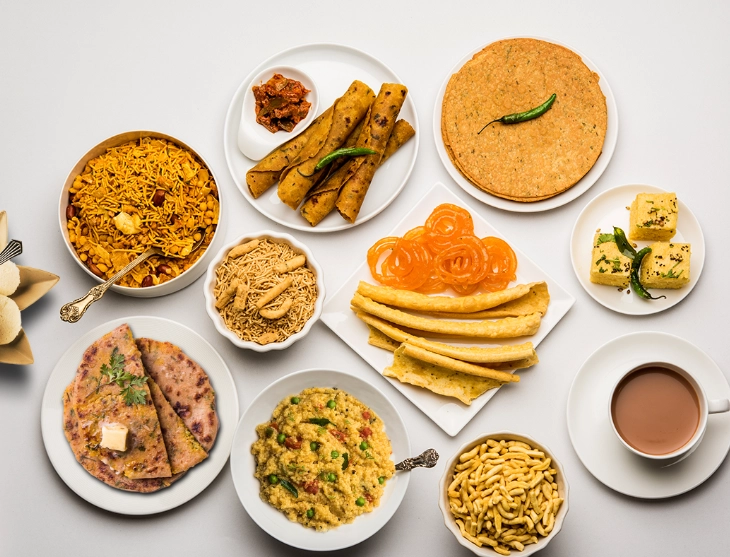
Paratha: The Flaky Flatbread
Paratha is a layered flatbread, often stuffed with fillings like potatoes (aloo paratha) or cauliflower (gobi paratha). It's pan-fried with ghee, giving it a rich, crispy texture. A common mistake? People overcook it, making it too hard. The key is to cook on medium heat until golden brown. In Delhi, you can find amazing parathas at Paranthe Wali Gali in Chandni Chowk—a narrow lane packed with shops selling them since the 19th century. Expect to pay around 50-100 INR per paratha, and most spots open by 7 AM. They're not the healthiest option, but for a treat, they're unbeatable.
Chole Bhature: A Weekend Treat
Chole bhature combines spicy chickpea curry (chole) with deep-fried bread (bhature). It's heavy, so it's usually reserved for weekends or special occasions. I tried it at Kuremal Mohan Lal Kulfi Wale in Delhi, and while the flavors were explosive, the bhature can feel greasy if not made fresh. A serving costs about 150-200 INR, and it's best enjoyed hot. Many home cooks skip the deep-frying to make a baked version, but purists argue it loses its authenticity.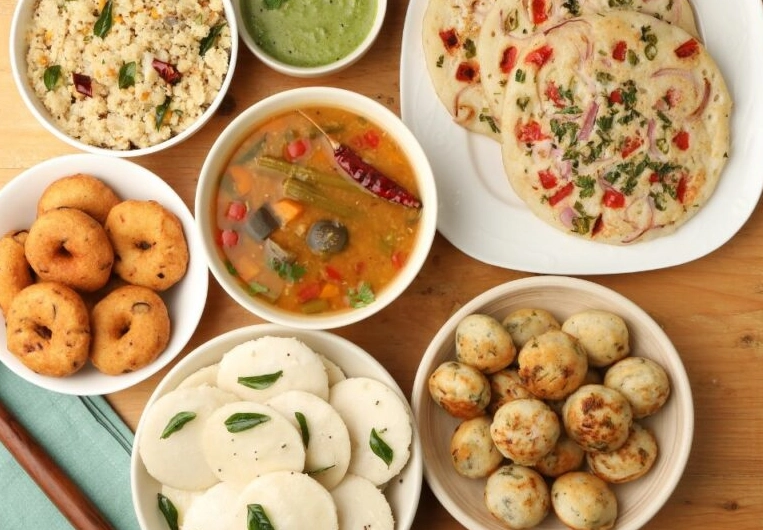
Poha: The Light and Fluffy Option
Poha is flattened rice cooked with onions, potatoes, and spices. It's light, quick to make, and popular in states like Maharashtra. I learned from a friend in Mumbai that adding peanuts and a squeeze of lemon elevates it. For a great street version, check out Aaswad Restaurant in Dadar—they serve it fresh from 6:30 AM, priced at 60 INR. Poha is often underestimated; it's not just a simple dish but a canvas for regional tweaks, like adding jaggery in some areas.
South Indian Breakfast Specialties
South Indian breakfast is lighter, rice-based, and often fermented. The first time I had idli in Bangalore, I was amazed by its softness—until I tried a poorly fermented batch that tasted like rubber. That's a lesson right there.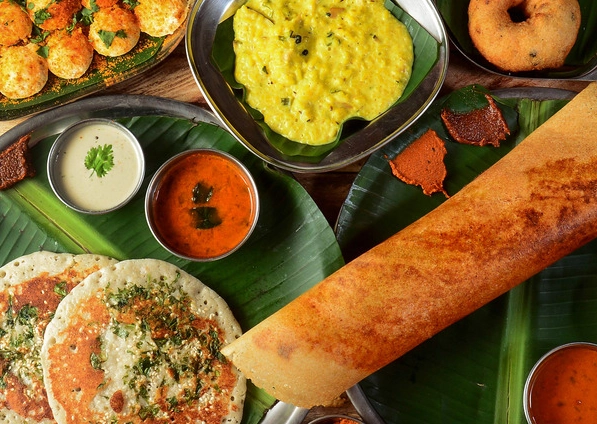
Idli and Dosa: The Dynamic Duo
Idli are steamed rice cakes, and dosa are crispy crepes made from a similar batter. Both are served with sambar (a lentil stew) and coconut chutney. In Chennai, Saravana Bhavan is iconic—multiple outlets open from 6 AM, with idli priced around 40 INR. Their dosa varieties, like masala dosa, are crisp but can be too oily if the tawa isn't hot enough. A pro tip: ferment the batter overnight in a warm place; if it's too cold, you'll get dense idlis. According to the Indian Ministry of Tourism, these dishes are among the most exported Indian foods, highlighting their global appeal.
Upma: The Savory Semolina Dish
Upma is semolina cooked with vegetables and spices. It's a quick fix for busy mornings. I've seen people ruin it by adding too much water, turning it into a mush. The ideal consistency is grainy and fluffy. In Hyderabad, you can find excellent upma at Minerva Coffee Shop, open from 7 AM, costing about 50 INR. They often add cashews for crunch, which is a nice touch missing in many home recipes.
Appam with Stew: A Kerala Delight
Appam are lacy rice hoppers served with coconut-based stew, usually vegetarian or with chicken. It's a breakfast staple in Kerala, and I had my best appam at a homestay in Kochi—the stewardess shared that the batter should ferment for at least 8 hours. Commercial spots like Kayees Rahmathulla Cafe in Mattancherry serve it from 8 AM, priced at 120 INR. The stew is mildly spiced, which might disappoint those expecting heat, but it's meant to balance the appam's slight sweetness.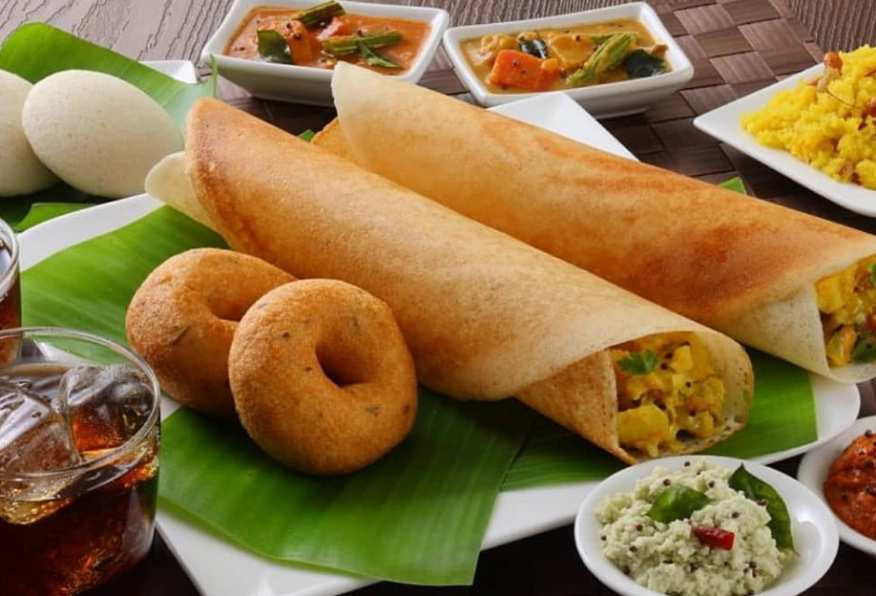
Regional Variations Across India
India's diversity means breakfast changes every few hundred kilometers. Here's a quick comparison to show how dishes adapt.
| Region | Popular Breakfast | Key Ingredients | Typical Price (INR) |
|---|---|---|---|
| North India (Punjab) | Paratha with curd | Wheat flour, ghee, potatoes | 50-100 |
| South India (Tamil Nadu) | Idli with sambar | Rice, lentils, coconut | 40-80 |
| West India (Gujarat) | Thepla with chai | Fenugreek, millet, spices | 30-70 |
| East India (West Bengal) | Luchi with alur dom | Refined flour, potato curry | 60-110 |
This table just scratches the surface. In Gujarat, thepla—a spiced flatbread—is a traveler's favorite because it stays fresh for days. I packed some for a road trip once, and it saved me from bland hotel breakfasts. Meanwhile, in West Bengal, luchi (deep-fried bread) with alur dom (potato curry) is a festive breakfast, but it's heavy on oil, so not an everyday choice for health-conscious folks.
Personal Insight: During my travels, I noticed that breakfast timing matters. In metros like Mumbai, people grab quick bites like vada pav by 8 AM, while in smaller towns, meals are leisurely, stretching past 9 AM. If you're visiting, adjust your schedule—arriving too early at a local joint might mean waiting for the first batch.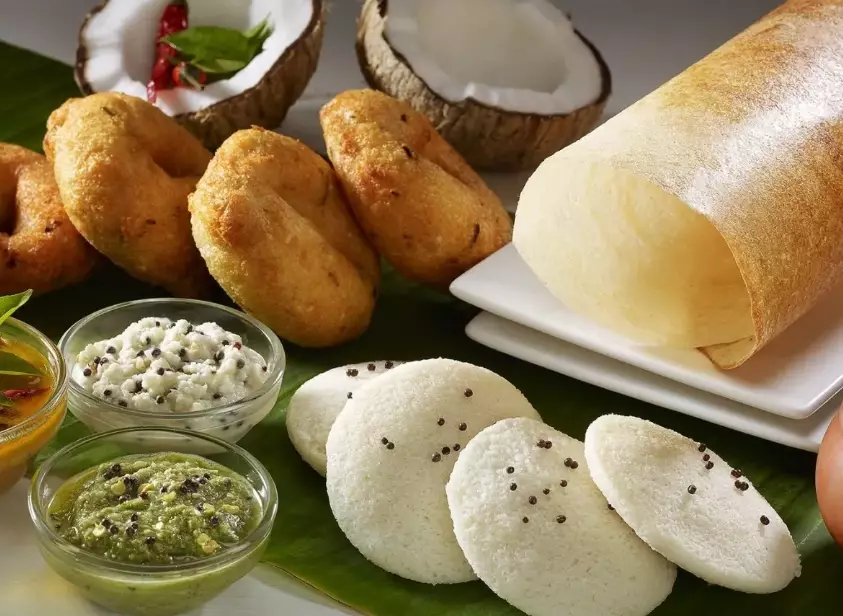
How to Make Indian Breakfast at Home
You don't need to be an expert to whip up Indian breakfast. Start with poha or upma—they're forgiving. For dosa, invest in a good non-stick pan; I used a regular one initially, and the batter stuck every time. Here's a simple plan:
- Day 1: Make poha. Rinse flattened rice, sauté onions and mustard seeds, mix in turmeric, and cook for 5 minutes. Top with coriander.
- Day 2: Try paratha. Knead whole wheat dough, roll with potato filling, and cook on a tawa with minimal ghee.
- Day 3: Experiment with idli. Soak rice and lentils overnight, grind, ferment, and steam in molds. If the batter doesn't rise, add a pinch of baking soda as a hack.
I often batch-cook batters on weekends—it saves time on busy mornings. A report by the National Institute of Nutrition suggests that traditional Indian breakfasts can be high in carbs, so balance with protein like lentils or yogurt.
Common Mistakes When Making Indian Breakfast
After cooking these dishes for years, I've seen pitfalls that beginners repeat. Let's clear them up.
Over-fermenting dosa batter: If left too long, the batter turns sour and yields thin, brittle dosas. Ferment for 8-12 hours, depending on room temperature. In colder climates, use an oven with the light on.
Using stale spices: Ground spices lose potency fast. For poha or upma, use fresh turmeric and mustard seeds—I once used old ones, and the dish tasted bland. Buy whole spices and grind as needed.
Skipping the tempering: Many recipes call for tadka (tempering oil with spices). It's not optional; it adds depth. I've skipped it when rushed, and the dish lacked that aromatic punch.
These might seem minor, but they make or break the dish. A friend who runs a food blog in Kolkata told me that even professional chefs sometimes undercook parathas, leaving them doughy inside.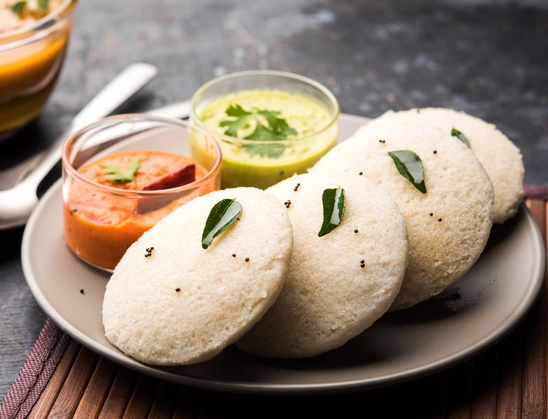
FAQs About Indian Breakfast
Indian breakfast is a world of its own, blending nutrition, culture, and taste. Whether you're cooking at home or exploring streetside stalls, start with the classics and don't be afraid to tweak them. Remember, the best meals often come with a bit of experimentation—and maybe a few burnt dosas along the way.
Discussion