In This Guide
- Why Indian Vegetarian Cooking is a World of Its Own
- The Heart of the Home Kitchen: Must-Have Spices & Ingredients
- Top 5 Traditional Indian Recipes Veg Classics You Can Master
- Beyond the Recipe: Techniques That Make the Difference
- Answering Your Questions About Traditional Indian Veg Cooking
- Putting It All Together: A Simple Weeknight Plan
Let's be honest, when you think of Indian food, what comes to mind? Probably rich curries, fragrant rice, and flatbreads. But if you've ever tried to cook it at home, it can feel a bit mysterious. All those spices, the techniques that seem passed down through generations... it's easy to get overwhelmed. I know I was. My first attempt at a proper curry was, well, a bland disaster. The tomatoes were too acidic, the spices were just floating on top, and it tasted nothing like the incredible food I'd had at my friend's house.
That's why I dove deep into learning about traditional Indian recipes veg style. And what I found is a world of cooking that's not just about heat, but about balance, layers of flavor, and incredibly satisfying food that happens to be completely plant-based. The variety is astounding. We're not just talking about one or two dishes, but a whole universe of dals, sabzis, rice dishes, and breads that form the backbone of daily meals across the subcontinent.
So, whether you're a seasoned cook looking to expand your repertoire or a complete beginner intimidated by the spice box, this guide is for you. We'll break it down, recipe by recipe, spice by spice. No fancy chef jargon, just practical stuff you can use in your kitchen tonight.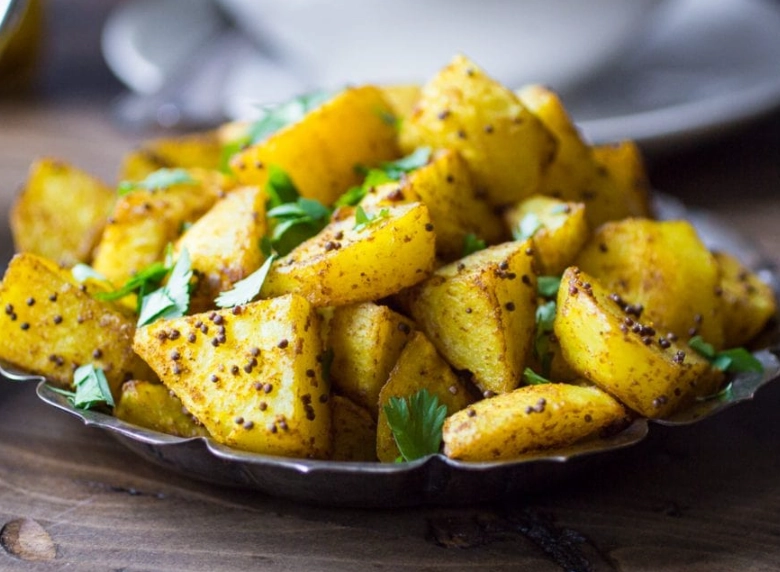
Why Indian Vegetarian Cooking is a World of Its Own
You can't really talk about the food without understanding a bit of the context. India has one of the oldest and most deeply rooted vegetarian traditions in the world. It's not a modern trend; it's woven into the culture, religion, and history of the place. For millions, a meal isn't complete without a hearty dal or a seasonal vegetable dish. This has led to an incredible depth of knowledge about how to make legumes, grains, and vegetables the absolute star of the show.
The government of India's tourism site has a great section on the diversity of Indian cuisine, highlighting how regional climates and cultures shaped what people eat. In the arid regions of Rajasthan, you find dishes that use dried legumes and buttermilk, while in the fertile south, coconut and fresh curry leaves dominate. This regionality is key to understanding traditional Indian veg recipes – there is no single "Indian food," but a tapestry of local specialties.
And here's the thing that surprised me most. It's not about complicated techniques you need to master at a culinary school. Often, it's about patience and understanding the role of each ingredient. Knowing when to add the cumin seeds, how long to cook down your onions (this is crucial, by the way), and when to stir in the dry spices. It's a rhythm you get into.
The Heart of the Home Kitchen: Must-Have Spices & Ingredients
Before we jump into recipes, let's talk gear. You don't need a professional kitchen. A heavy-bottomed pot or kadai (a Indian wok), a good blender for some sauces, and that's pretty much it. The real investment is in your spice cabinet. But don't go buying every jar on the shelf at once.
Start with the core five. I call them the "foundation spices" for any traditional Indian vegetarian recipes you want to tackle.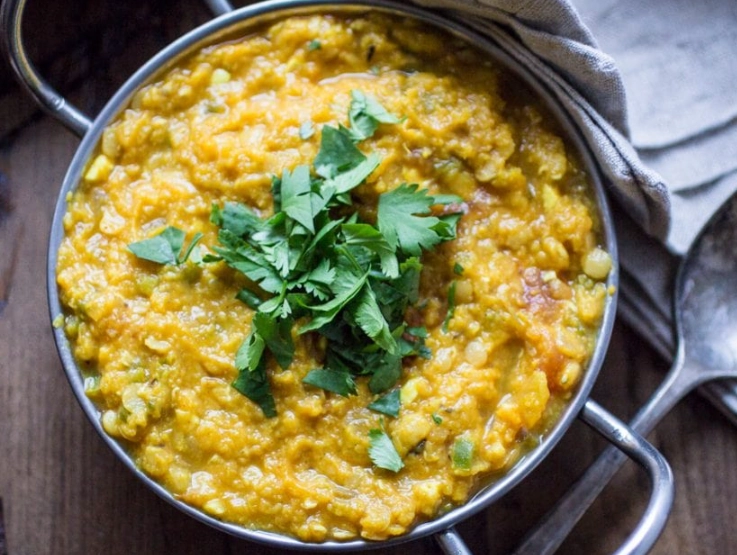
| Spice | What It Does | Buying & Storing Tip |
|---|---|---|
| Cumin Seeds (Jeera) | Adds a warm, earthy, slightly nutty base. Often tempered in oil first to release its aroma. | Buy whole seeds, not powder. Store in a dark cupboard. They lose flavor fast once ground. |
| Coriander Seeds (Dhania) | Provides a citrusy, floral backbone. It's the quiet workhorse that balances heat. | Again, whole is best. Toast lightly before grinding for a deeper flavor. |
| Turmeric (Haldi) | Gives that iconic golden color and a warm, peppery earthiness. Has anti-inflammatory properties too. | Buy powder from a reputable source to avoid fillers. It can stain, so be careful! |
| Red Chili Powder (Lal Mirch) | Provides heat and color. Kashmiri chili powder is milder and gives a vibrant red without extreme heat. | This is where you control your spice level. Kashmiri is great for families. |
| Garam Masala | A warming blend of spices like cardamom, cinnamon, cloves. Added at the END of cooking. | Don't cook it for long or it turns bitter. Think of it as a finishing perfume. |
Beyond these, fresh ingredients are non-negotiable for authenticity. Fresh ginger and garlic paste (make your own, the jarred stuff tastes off), fresh green chilies, cilantro, and curry leaves if you can find them. Curry leaves have a unique, almost citrusy aroma that you can't replicate with anything else. Toss a few in hot oil at the start of a dish and your kitchen will smell like a South Indian home.
Top 5 Traditional Indian Recipes Veg Classics You Can Master
Okay, let's get to the good part. Here are five foundational dishes. Master these, and you'll have the confidence to try anything. I've included the little details that recipes often skip – the things that make the difference between "good" and "wow."
Dal Makhani (Creamy Black Lentils)
This is the king of dals. Rich, creamy, and deeply satisfying. The name "makhani" means buttery, and traditionally it's finished with butter and cream. For a vegan version, cashew cream works miracles. The key here is time. You can't rush a good dal makhani. The urad dal (whole black gram) and rajma (kidney beans) need to cook until they're falling apart.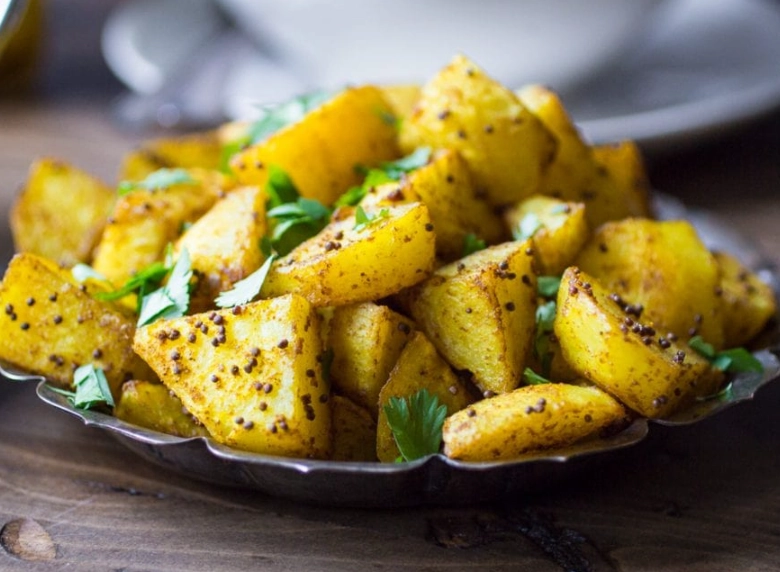
The Secret: The "dhungar" method. After the dal is cooked, you can place a small piece of burning charcoal in a metal bowl, put it in the pot with the dal, drizzle a little ghee or oil on the charcoal, and immediately cover the pot for 5 minutes. It infuses a subtle smoky flavor that's just incredible. No charcoal? A tiny drop of liquid smoke will do in a pinch, but use it sparingly.
What I love about this dish is how it transforms humble lentils into something luxurious. It's a perfect example of the magic of traditional Indian recipes veg cooking. Serve it with naan or jeera rice.
Chana Masala (Spicy Chickpea Curry)
Probably the most popular vegetarian dish from India globally. And for good reason – it's chickpeas in a tangy, spicy, onion-tomato gravy. The tang often comes from amchur (dried mango powder), which gives a fruity sourness without adding liquid. If you can't find it, a squeeze of lemon at the end works.
My personal tip? Use canned chickpeas for convenience, but simmer them in the gravy for at least 20-30 minutes. Let them drink up all those flavors. The chickpeas should taste seasoned all the way through, not just be coated in sauce. BBC Good Food has a very reliable base recipe for chana masala that aligns well with traditional methods, which you can use as a reference for proportions.
Aloo Gobi (Potato & Cauliflower Dry Curry)
This is a classic North Indian home-style dish. Dry, spiced, and perfect with rotis. The challenge is cooking the cauliflower and potato evenly without making them mushy. Many recipes call for parboiling the potatoes, which I think is a must. Nobody wants a raw potato chunk.
Don't stir it too much once the veggies are in. Let them sit and get a little color on one side before gently turning. That "roasted" flavor makes a huge difference. I like to add a handful of frozen peas at the end for a pop of color and sweetness. It's a simple, weeknight-friendly traditional Indian veg recipe that feels nourishing and light.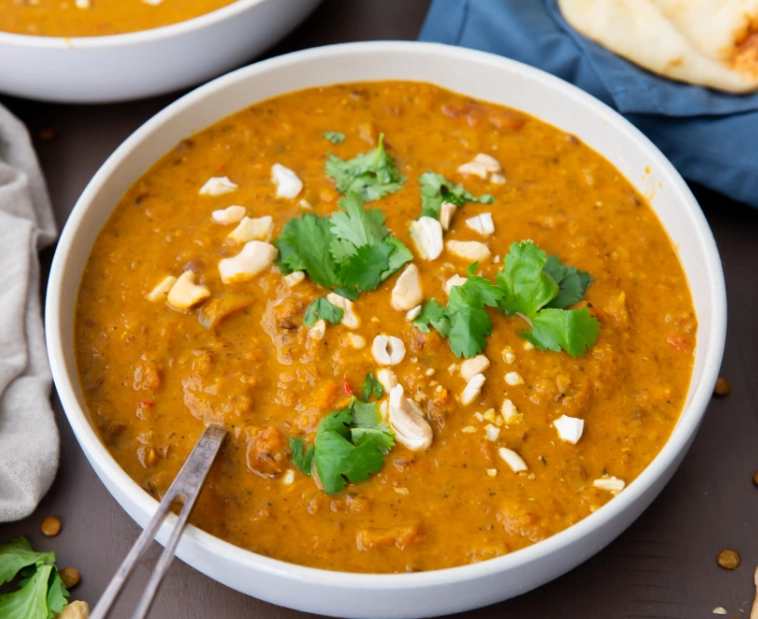
Palak Paneer (Spinach with Indian Cottage Cheese)
The vibrant green color of this dish is a showstopper. The trick is to blanch the spinach quickly in boiling water, then shock it in ice water. This preserves that bright green color. Then blend it into a smooth puree. None of that stringy, dull green mush.
Paneer is easy to find now, but you can pan-fry or bake the cubes before adding them to the spinach gravy so they hold their shape and get a nice texture. For a vegan version, firm tofu works, but it won't have the same milky richness.
Vegetable Biryani (Layered Spiced Rice)
Biryani feels like a celebration dish. Fragrant basmati rice layered with spiced vegetables, caramelized onions, and fresh herbs, all cooked together on a low flame (the "dum" method). It seems complex, but it's just a series of simple steps: parboil the rice, prepare the veggie masala, fry some onions, and layer.
The magic is in the basmati rice. Wash it well until the water runs clear to get rid of excess starch. Soak it for 30 minutes. This ensures long, separate grains. Saffron soaked in warm milk (or plant milk) drizzled on top gives that iconic flavor and golden specks. You can find detailed, research-backed information on the history and varieties of biryani from food history resources, which shows how this dish evolved in royal kitchens.
Don't be scared of biryani. Even if your layers get mixed up a bit, it will still taste fantastic. The worst biryani I've ever made was still pretty darn good.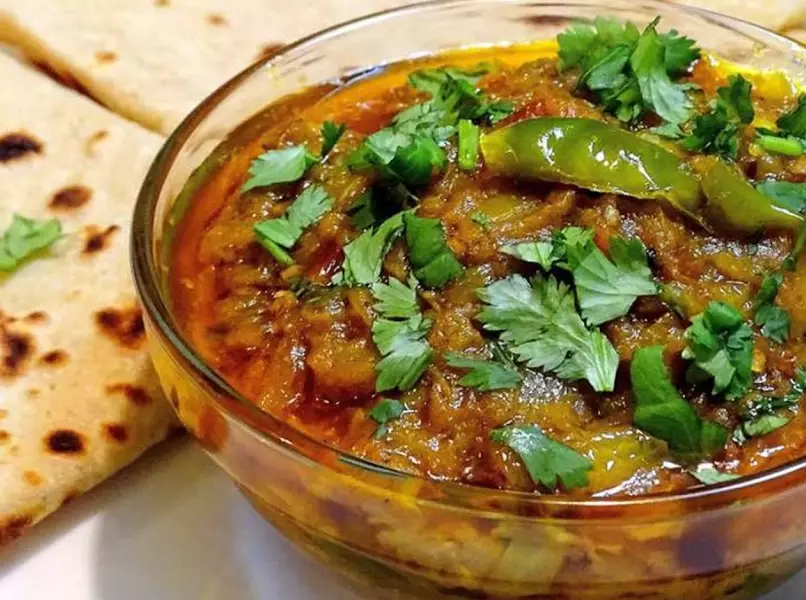
Beyond the Recipe: Techniques That Make the Difference
You can have the best recipe, but if your technique is off, the flavors won't come together. Here are the three big ones I wish someone had told me about.
The Tadka (Tempering): This is where it all begins. Heating oil or ghee, then adding whole spices like cumin, mustard seeds, or curry leaves. They sizzle and crackle, infusing the oil with their essence. You then use this flavored oil as the base for your dish. Do not burn your spices here. If the cumin seeds turn black and smell acrid, toss it out and start over. It'll make the whole dish bitter.
The Onion-Tomato Base (Masala): The foundation of most gravies. Cook the onions slowly, patiently, until they are deeply golden brown and almost melting. This caramelization is pure flavor. Then add your ginger-garlic paste and cook until the raw smell disappears. Then the tomatoes. Cook them down until the oil starts to separate from the mixture. This "releasing of the oil" is a visual cue that your masala is cooked. Rushing this step is the number one reason homemade curry tastes acidic or raw.
Blooming Ground Spices: Once your masala is ready, add your ground spices (turmeric, coriander, chili powder) directly into the hot mixture. Stir constantly for about 30 seconds to a minute. This "blooms" the spices, toasting them slightly and waking up their volatile oils. If you just dump them into water or broth later, they'll taste dusty and raw.
Answering Your Questions About Traditional Indian Veg Cooking
I get a lot of questions from friends trying this at home. Here are the most common ones, straight from the trenches.
Do I really need to use ghee? Can I use oil?
For absolute authenticity, ghee (clarified butter) adds an irreplaceable nutty, rich flavor. But yes, any neutral oil like avocado, grapeseed, or even sunflower oil works perfectly fine. For South Indian recipes, coconut oil is traditional. Don't use olive oil for most dishes; its flavor clashes.
My curry is too watery/thin. How do I thicken it?
First, let it simmer uncovered. Evaporation is your friend. If you need it quicker, make a slurry with 1 tablespoon of besan (chickpea flour) or cornstarch mixed with 3 tablespoons of water. Stir it in and simmer for 5 minutes. Another trick is to mash a few pieces of potato or cooked lentils against the side of the pot to thicken the gravy naturally.
How can I make these dishes less spicy for my kids?
Easy. Omit green chilies entirely. Use Kashmiri red chili powder for color without intense heat. You can also add a spoonful of plain yogurt or a splash of coconut milk at the end to mellow the heat. The spices themselves (cumin, coriander, turmeric) are not hot—they're just flavorful.
What's the deal with asafoetida (hing)?
It's a resin from a giant fennel plant, sold as a powder. It has a strong, pungent smell raw (it's nicknamed "devil's dung"), but when cooked in oil, it transforms into a savory, almost garlic-onion-like flavor. It's a classic addition in Jain cooking (which prohibits onion and garlic) and in legume dishes as it's believed to aid digestion. Start with a tiny pinch.
Can I make Indian food in a slow cooker or Instant Pot?
Absolutely, especially for dals and bean dishes. The Instant Pot is fantastic for cooking dried beans from scratch quickly. For most curries, I'd recommend using the sauté function to build your tadka and masala properly first, then add the rest and pressure cook. A slow cooker is great for dishes like dal makhani, but you'll miss the flavor development from the initial tempering and frying steps if you just dump everything in raw.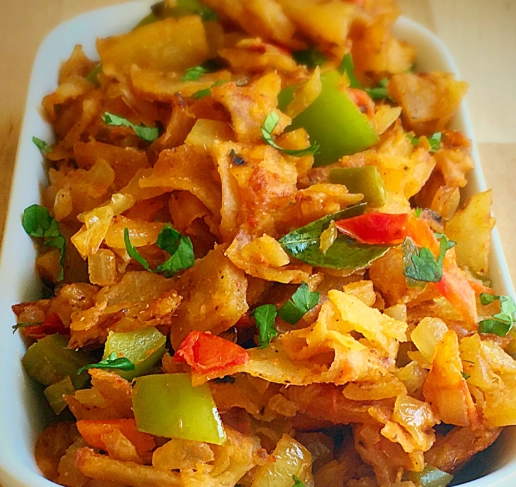
Putting It All Together: A Simple Weeknight Plan
Let's make this practical. Here’s how a simple, balanced Indian vegetarian meal comes together on a busy night.
The Main Event: Choose one protein-rich dish like a Dal (maybe a simple tadka dal with toor dal) or Rajma (kidney bean curry). This is your flavor anchor.
The Sidekick: Pick one dry vegetable dish (sabzi). Something like bhindi masala (okra) or green beans with coconut. This adds texture and another flavor profile.
The Base: Plain rice or a few whole wheat rotis/chapatis. You can buy decent frozen rotis these days, or naan, to save time.
The Accent: A little raita (yogurt with cucumber and mint) or a simple kachumber salad (diced cucumber, tomato, onion with lemon). This provides a cool, fresh contrast.
That's it. You don't need five curries. A dal, a sabzi, and rice is a complete, nutritious, and utterly satisfying meal that embodies the spirit of traditional Indian recipes veg cooking. It's food that's meant to be eaten daily, shared with family, and enjoyed without fuss.
The journey into traditional Indian vegetarian cooking is endlessly rewarding. It teaches you about layering, patience, and the transformative power of spices. Your kitchen will smell amazing, and you'll be creating food that's deeply flavorful, healthy, and connected to a rich culinary history. So grab that jar of cumin seeds, and start experimenting. The first step is always the hardest, but trust me, once you get that first tadka sizzling, you'll be hooked.
Discussion