Quick Navigation
- What Exactly Is Dal, Anyway?
- The Dal Family Tree: Know Your Lentils
- Your Indian Dal Recipe Toolkit: Beyond the Pot
- The Foundation: A Classic, No-Fail Masoor Dal Recipe
- Leveling Up: Pro Tips for a Better Dal Every Time
- A Regional Detour: Dal Makhani-Inspired Slow Cooker Method
- Your Indian Dal Recipe FAQ: Answering the Real Questions
- Final Thoughts: Make It Your Own
Let's be real. The first time I tried to make an Indian dal recipe from a random blog, it was a total disaster. Watery, bland, and nothing like the comforting, creamy bowls I'd had at my friend's house or in restaurants. I felt like I was missing some secret handshake. Turns out, I was just missing the right information.
Dal isn't just "lentil soup." That's like calling pizza "bread with stuff." It's the soul food of the Indian subcontinent, a daily staple in millions of homes. It's cheap, nutritious, and when done right, one of the most satisfying things you can eat. The beauty of a good Indian dal recipe lies in its simplicity meeting depth of flavor. You don't need a million ingredients, but you need to know what to do with the few you have.
This guide is what I wish I had. We're going to move past the vague instructions and unlock the real secrets. Whether you're a complete beginner or someone who's made dal a few times with mixed results, stick with me. By the end, you'll have the confidence to whip up a pot of dal that's not just good, but authentically delicious.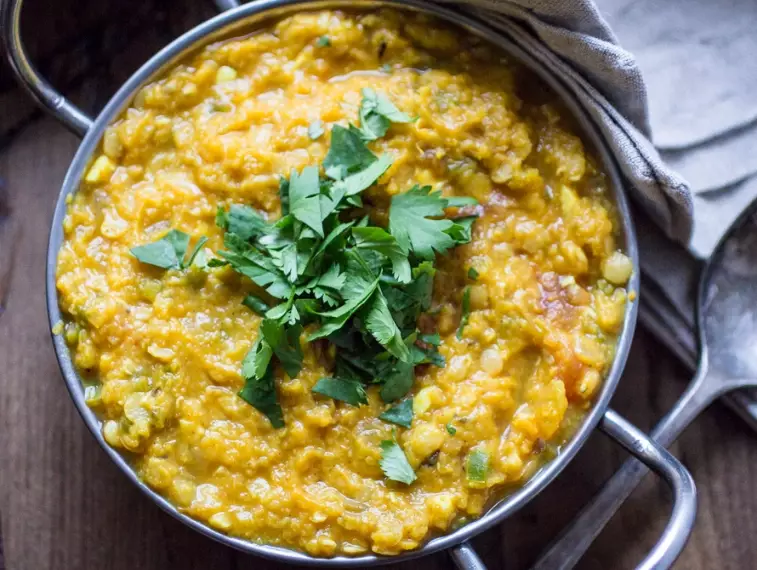
What Exactly Is Dal, Anyway?
This is the first hurdle. In Indian cuisine, "dal" has two meanings. It refers to the split pulses (lentils, peas, beans) themselves—you'll buy a bag of "toor dal" or "masoor dal." It also refers to the finished, cooked dish made from those pulses. Think of it like "pasta"—you have the dry noodles, and then you have the dish called "pasta."
The dish itself is typically made by boiling the lentils until tender, then seasoning them with a "tadka" or "chaunk"—a sizzling infusion of spices fried in oil or ghee. This tempering is the magic step. It transforms the earthy lentils into something aromatic, complex, and alive. The texture can range from brothy and light to thick and creamy, almost like a stew.
Why bother learning a proper Indian dal recipe? Well, apart from tasting amazing, it's a powerhouse of plant-based protein and fiber. It's incredibly forgiving and budget-friendly. And once you get the basic method down, you can create endless variations. It's a weeknight lifesaver.
The Dal Family Tree: Know Your Lentils
Walking into an Indian grocery store or even the international aisle can be confusing. So many bags of different-colored splits! Choosing the right one is half the battle for your Indian dal recipe. Here’s a cheat sheet.
| Dal Name (Common) | What It Is | Flavor & Texture When Cooked | Best For |
|---|---|---|---|
| Masoor Dal (Red Lentils) | Split red lentils. Skin is removed. | Cook very fast (15-20 mins). Break down completely into a smooth, creamy, golden-yellow puree. Mild, slightly sweet flavor. | Perfect for beginners. Great for soups, creamy dals. My go-to for a quick fix. |
| Toor/Tuvar Dal (Pigeon Pea) | Split pigeon peas. Pale yellow. | Nutty, earthy flavor. Holds some shape but can be mashed for creaminess. The classic dal for South Indian sambar. | Traditional dal tadka, sambar. A staple in many households. |
| Moong Dal (Mung Bean) | Split yellow mung beans. Hulled. | Very light, easy to digest. Cooks quickly to a soft, slightly mushy texture with a mild, sweet flavor. | Light everyday dals, khichdi (a lentil-rice porridge). Often recommended for kids or when feeling unwell. |
| Chana Dal (Split Chickpeas) | Split Bengal gram. Looks like small, yellow kernels. | Firm, meaty texture with a distinct, robust, slightly sweet flavor. Takes longer to cook (may need soaking). | Hearty, substantial dals. Holds its shape well in curries. |
| Urad Dal (Black Gram) | Comes whole (black) or split (white/ivory). The split, skinless version is common for dal. | Rich, earthy, almost mushroom-like flavor. Becomes incredibly creamy and thick when cooked for a long time. | The star of iconic dishes like Dal Makhani. Creates luxurious, velvety textures. |
My personal favorite to start with? Masoor dal. It's foolproof. No soaking needed, cooks in a flash, and that creamy result feels like an instant win. Chana dal, while delicious, can be a bit temperamental if you're in a hurry—sometimes it stays annoyingly firm in the center if not cooked long enough.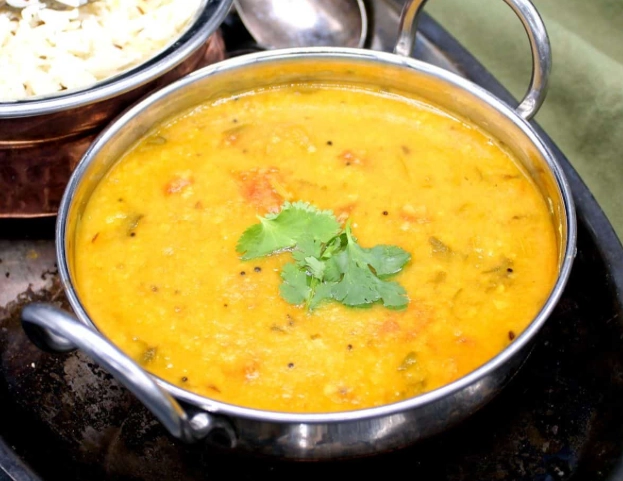
Pro Tip: Don't just grab "yellow lentils" from the regular supermarket aisle if you can help it. They're often a different variety. Try to find bags specifically labeled with their Indian names for the most authentic results in your Indian dal recipe. The flavor and cooking time are different.
Your Indian Dal Recipe Toolkit: Beyond the Pot
You don't need fancy gear, but a few key items make life much easier.
The Non-Negotiables:
- A Heavy-Bottomed Pot: This is crucial. A Dutch oven, a heavy saucepan, anything that distributes heat evenly. Thin pots will scorch your dal at the bottom in a heartbeat. I learned this the hard way with a cheap pot—burnt lentils smell terrible and ruin the whole batch.
- A Small Tempering Pan or Small Frying Pan: For the tadka. A small steel ladle-like pan (called a "tadka pan") is ideal because you can dip it right into the big pot. A small skillet works too.
- Basic Measuring Cups & Spoons: For consistency until you get the feel for it.
The Game Changers:
- Pressure Cooker or Instant Pot: This is how most Indian homes cook dal daily. It cuts cooking time for harder dals (toor, chana) from over an hour to 15-20 minutes. It also infuses flavor deeply. If you make dal regularly, it's a worthy investment.
- Immersion Blender: Not traditional, but if you love a super smooth, creamy texture (especially for masoor dal), a quick buzz with this before the tadka is magic.
- Spice Grinder or Mortar & Pestle: For freshly grinding whole spices like cumin or coriander. The aroma difference is night and day compared to pre-ground.
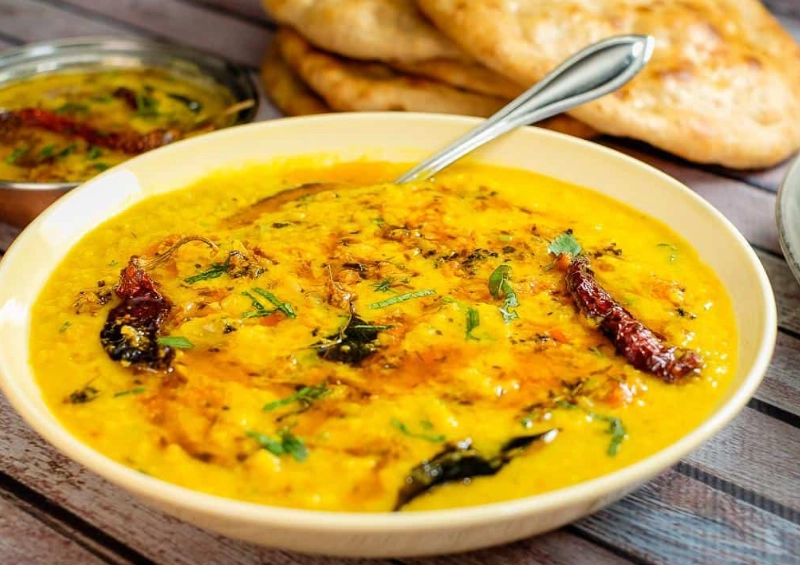
The Foundation: A Classic, No-Fail Masoor Dal Recipe
Let's build your first confidence-boosting pot. This Indian dal recipe is simple, fast, and delivers big flavor.
Ingredients You'll Need:
- 1 cup red lentils (masoor dal), picked over and rinsed well
- 3 cups water
- 1 medium onion, finely chopped (optional, but adds sweetness)
- 1 medium tomato, chopped
- 2-3 garlic cloves, minced
- 1-inch piece of ginger, grated or minced
- 1 green chili, slit (adjust to heat preference)
- 1/2 tsp turmeric powder
- Salt to taste
For the Tadka (Tempering):
- 2 tbsp ghee or neutral oil (ghee is traditional and tastes incredible)
- 1 tsp cumin seeds
- 1 tsp black mustard seeds
- 1-2 dried red chilies
- A pinch of asafoetida (hing) – optional but authentic
- 10-12 fresh curry leaves (if you can find them, they add an irreplaceable aroma)
The Step-by-Step Process:
1. Cook the Lentils: In your heavy pot, combine the rinsed lentils, water, turmeric, and salt. Bring to a boil, then reduce heat to a simmer. Skim off any white foam that rises. Cook uncovered for 15-20 minutes, stirring occasionally, until the lentils are completely soft and falling apart. If using onion, tomato, garlic, ginger, and green chili, you can add them right at the start with the lentils—they'll cook down and meld into the dal.
2. Achieve Your Texture: Once cooked, you can mash the lentils lightly with the back of a spoon for a creamier texture, or use an immersion blender for a few seconds for a silky smooth finish. Add more hot water if it's too thick—dal thickens as it sits. You're aiming for a loose, porridge-like consistency. Adjust salt.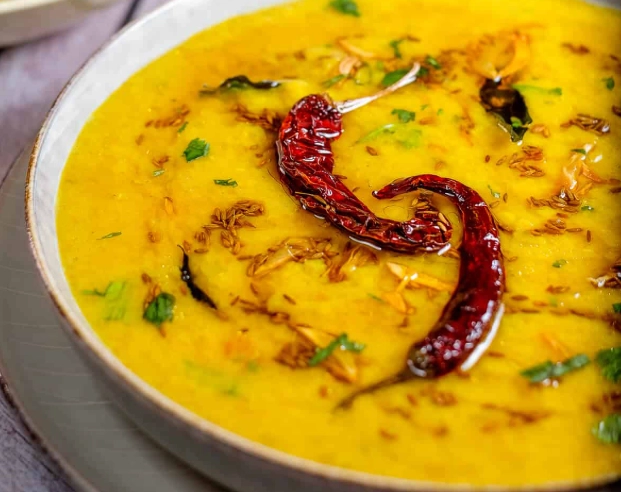
Watch Out: Don't add salt at the very beginning if you're using hard water, as it can toughen the lentils. I add it after the first boil. And don't walk away for too long during this simmer—it can bubble over and make a huge, sticky mess on your stovetop. Ask me how I know.
3. The Magic Tadka: This is where flavor explodes. In your small tempering pan, heat the ghee or oil over medium heat. Once hot, add the cumin and mustard seeds. Let them sizzle and pop for about 30 seconds. The mustard seeds will dance! Add the dried red chilies, asafoetida (if using), and curry leaves. They will crackle fiercely. Swirl for another 10-15 seconds until everything is fragrant but not burnt.
4. The Grand Finale: Immediately pour the entire sizzling contents of the tempering pan into the pot of cooked dal. It will hiss and bubble gloriously. Stir it in. Cover the pot immediately and let it sit off the heat for 5 minutes. This allows the flavors of the tadka to steep into the dal.
The moment you pour the tadka into the dal and hear that fierce, fragrant sizzle—that's the sound of your dish transforming from simple lentils into something special. It never gets old.
And that's it! Serve with steamed rice, a piece of roti (Indian flatbread), or even some crusty bread. A squeeze of fresh lemon juice on top at the end is a fantastic brightener.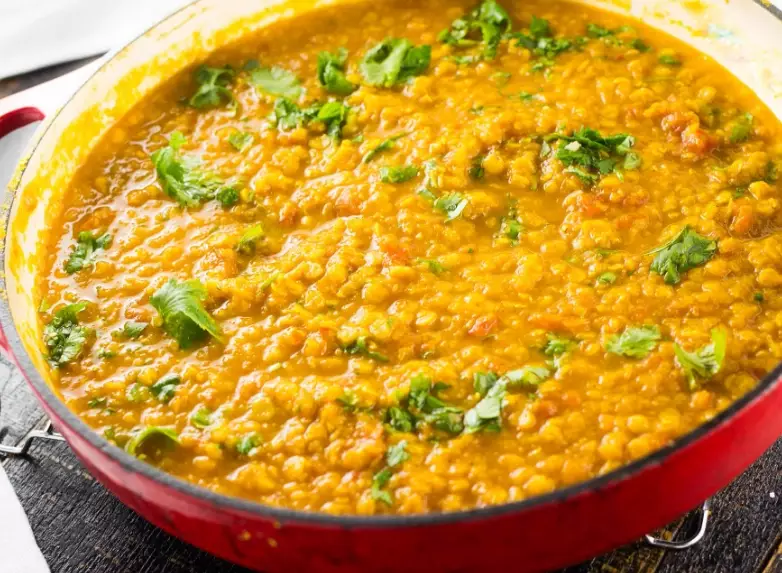
Leveling Up: Pro Tips for a Better Dal Every Time
Anyone can follow a recipe. To really own your Indian dal recipe, you need these insights.
How to Get That "Restaurant-Style" Creaminess
Restaurants often add a bit of fat or dairy for richness and that glossy look. You can too, without making it heavy. Try one of these after the tadka is mixed in:
- A tablespoon of heavy cream or coconut milk.
- A knob of butter.
- A spoonful of yogurt whisked with a little dal first to temper it, then stirred in.
- The classic North Indian method: a "bhuno" or fry. After the tadka, add a spoon of tomato paste or finely minced onions and cook them down in the ghee until they almost melt into a paste before adding the boiled lentils. This creates a deep, concentrated base.
The Spice Cabinet Deep Dive
Move beyond just cumin. Your tempering can include:
- Fenugreek Seeds (Methi): A tiny pinch, toasted until golden. Adds a subtle, distinctive bitterness that balances richness. Don't overdo it!
- Nigella Seeds (Kalonji): Earthy, oniony flavor.
- Fennel Seeds (Saunf): A sweet, licorice-like note, great with moong dal.
- Garlic or Onion: Thinly slice a clove of garlic or some onion and fry until golden brown in the oil before adding other spices. This creates a deliciously aromatic base for the tadka.
Texture Troubleshooting: Too Thick? Too Thin?
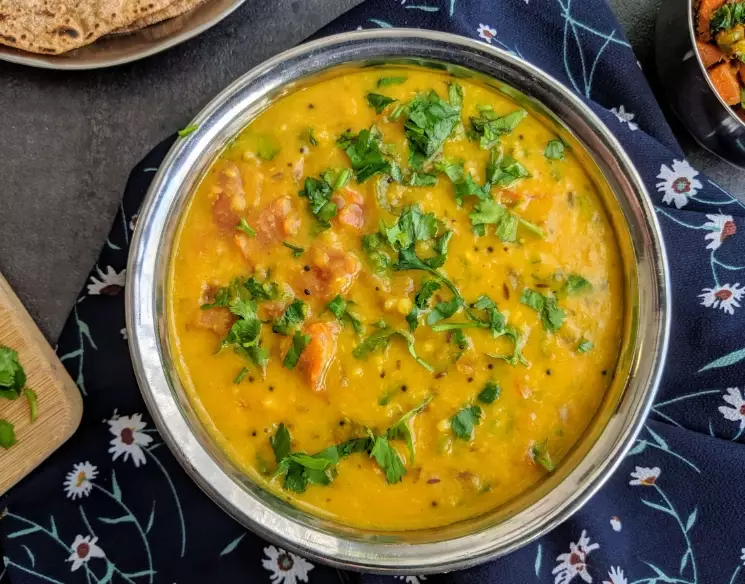
Dal is fluid. It will thicken as it cools and sits.
- Too thick? Stir in hot water, a little at a time, until it's back to your desired consistency. Re-season with a tiny pinch of salt if needed.
- Too thin? Let it simmer uncovered to reduce. Or, make a quick slurry with 1 tbsp of rice flour or chickpea flour (besan) mixed with 3 tbsp of cold water. Stir this into the simmering dal and cook for 2-3 minutes. It will thicken nicely without lumps.
A Regional Detour: Dal Makhani-Inspired Slow Cooker Method
Want to try the king of dals? The famous Dal Makhani from Punjab is made with whole black urad dal and kidney beans, slow-cooked for hours with butter and cream. Here's a simplified, home-cook-friendly version that captures the spirit.
Soak 1/2 cup whole black urad dal and 2 tbsp red kidney beans overnight. Drain. Add to a slow cooker with 4 cups water, 1 chopped onion, 2 chopped tomatoes, 1 tbsp ginger-garlic paste, 1 tsp turmeric, 1 tsp red chili powder, and salt. Cook on low for 8 hours. The dal should be utterly soft. Mash some against the side of the pot. Now, for the finish: In a pan, heat 3 tbsp butter. Add 1 tsp cumin seeds, 1 tbsp ginger-garlic paste, and 1 tsp garam masala. Fry for a minute, then add this to the slow cooker along with 1/4 cup cream. Cook on high for another 30 minutes. The result is insanely rich, creamy, and complex. It's a project, but so worth it for a special meal.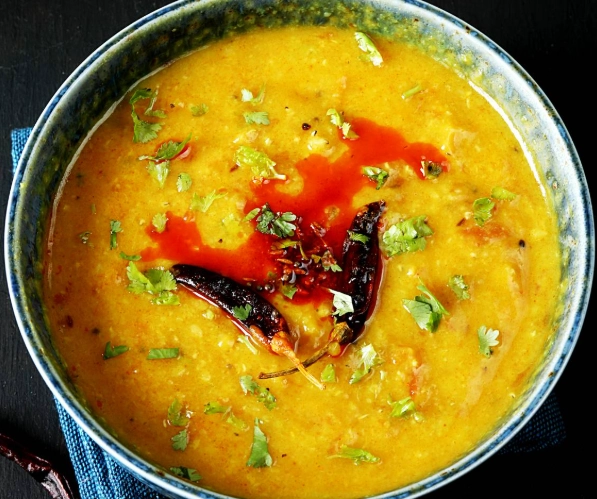
Your Indian Dal Recipe FAQ: Answering the Real Questions
Do I really need to soak the lentils?
For split, skinless dals like masoor, moong, or toor dal? No, not really. They cook quickly enough. For whole lentils (like for Dal Makhani) or harder splits like chana dal? Yes, soaking for a few hours or overnight cuts cooking time significantly and helps them cook evenly. It's not a strict rule, but it helps.
What's the difference between dal and lentil soup?
It's mostly in the seasoning technique. Western lentil soups often sauté aromatics first, then add liquid and lentils to simmer together. A classic Indian dal recipe usually boils the lentils plain or with turmeric first, then adds the explosive, oil-based flavoring (tadka) at the end. This preserves the bright, sharp aromas of the spices. The texture focus is also different—dal is often smoother and more porridge-like.
Can I make a big batch and reheat it?
Absolutely! Dal often tastes even better the next day as the flavors meld. It keeps well in the fridge for 3-4 days. Reheat gently on the stovetop, adding a splash of water as it will have thickened. You can even freeze it for a month. Pro tip: If freezing, under-season slightly with salt, as flavors concentrate when frozen and thawed.
My dal tastes bland. What did I do wrong?
Two likely culprits: Not enough salt (lentils need a fair amount to sing), or an underdone tadka. Your spices need to sizzle in hot fat long enough to release their essential oils and become fragrant. If the oil isn't hot enough, you'll just get raw spice flavor. Also, ensure you're using fresh spices—ground cumin older than 6 months loses its punch.
Is dal healthy?
Extremely. It's a fantastic source of plant-based protein, complex carbohydrates, and dietary fiber. It's low in fat (unless you add a lot of ghee/cream, of course) and rich in folate, iron, and other minerals. The USDA FoodData Central is a great resource for detailed nutritional breakdowns of different lentils. For a deep dive into the cultural and nutritional significance of pulses globally, the FAO's (Food and Agriculture Organization) resources on pulses are authoritative and fascinating.
Final Thoughts: Make It Your Own
The best Indian dal recipe is the one you make repeatedly and tweak to your taste. Love garlic? Add more in the tadka. Want it smoky? Once the tadka is done, carefully place a whole, dried red chili directly in the flame for a second until it chars, then crush it into the dal. Prefer it tangy? Add a splash of tamarind pulp or more tomato while cooking.
Don't be intimidated by the long list of spices you might see. Start simple. Master the basic boil + tadka method with masoor dal. Get comfortable with that process, that sound, that smell. Once you have that foundation, the whole world of dal variations opens up to you. It's a humble dish, but the comfort it provides is immense. Honestly, there are few things more satisfying than nailing a pot of creamy, fragrant dal on a weeknight. It feels like a warm hug from your kitchen.
So go on, grab a bag of red lentils. Give it a shot. And when you pour that sizzling tadka in and your kitchen fills with that incredible aroma, you'll know you've got it.
Discussion