What You'll Find in This Guide
I used to think making naan at home was impossible. The first time I tried, I ended up with something closer to a cardboard disc than the soft, bubbly bread I loved at Indian restaurants. It was frustrating, but after tweaking recipes for years—and learning from chefs at places like Dishoom in London—I finally cracked the code. This isn't just another generic recipe; it's the one that works, every time, whether you're a beginner or a seasoned cook. Let's get straight to it: the best Indian naan recipe hinges on three things—the right flour, proper fermentation, and high-heat cooking. Miss one, and you'll get dense naan. Nail them, and you'll have bread so good, you might skip the curry.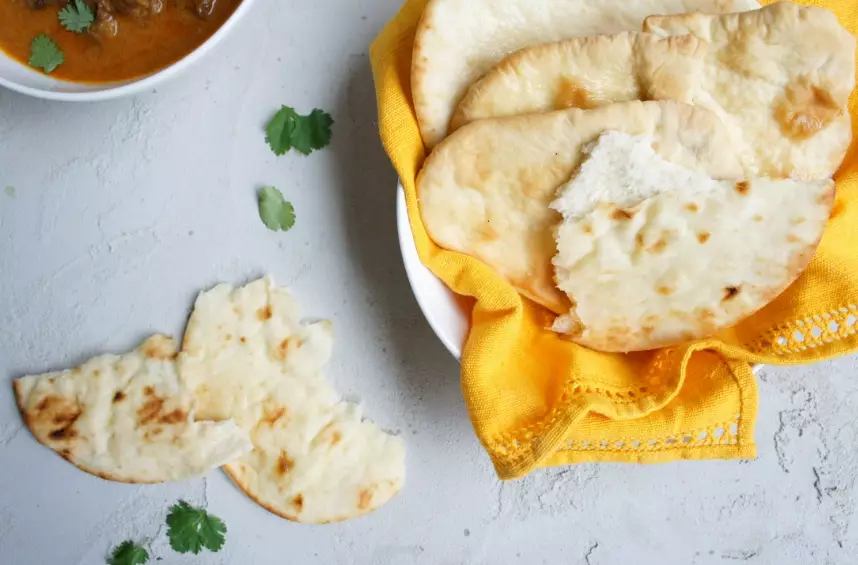
The Exact Ingredients and Tools You Need
Most recipes list ingredients but skip why they matter. Here's the breakdown from my kitchen trials.
You'll need:
- All-purpose flour: 3 cups (about 360 grams). Don't use bread flour—it has too much gluten, making naan chewy instead of tender. I prefer King Arthur brand for consistency, but any reliable brand works.
- Yogurt: ½ cup (120 ml). Full-fat, plain yogurt. Greek yogurt is too thick; it dries out the dough. The acidity helps tenderize.
- Warm water: ¾ cup (180 ml). Not hot—around 110°F (43°C). Too hot kills the yeast.
- Active dry yeast: 2 teaspoons. Instant yeast works too, but adjust rising time.
- Sugar: 1 teaspoon. Feeds the yeast, not for sweetness.
- Salt: 1 teaspoon. Fine sea salt blends better.
- Baking powder: ½ teaspoon. A secret from an old Delhi street vendor—it gives extra lift.
- Ghee or butter: For brushing. Ghee adds authenticity, but unsalted butter is fine.
Tools? A rolling pin, a cast-iron skillet or tawa, and a bowl. That's it. No fancy equipment.
Pro insight: Many online sources, like the Indian Culinary Institute's guidelines, emphasize yogurt's role in naan texture. But they rarely mention that over-kneading after adding yogurt can make dough tough. Mix just until combined—no more.
Step-by-Step Process for Perfect Naan
Follow this like a checklist. I've timed each step based on my own messy experiments.
Making the Dough: The Foundation
In a bowl, mix flour, salt, and baking powder. In another, dissolve yeast and sugar in warm water—wait 5 minutes until frothy. If it doesn't foam, your yeast is dead; start over. Add yogurt to the yeast mixture, then pour into dry ingredients. Stir with a spoon until shaggy, then use hands to bring it together. Knead for 5 minutes on a floured surface. Not 10, not 2—5. Over-kneading develops gluten, which we don't want for soft naan.
Place dough in an oiled bowl, cover with a damp cloth, and let rise for 1.5 to 2 hours in a warm spot. My kitchen is drafty, so I use the oven with the light on. It should double in size. If it doesn't, your yeast was weak or the room too cold.
Shaping and Cooking: The Heat Game
Punch down the dough and divide into 8 equal balls. Let them rest 10 minutes—this relaxes the gluten, making rolling easier. Roll each ball into an oval, about ¼-inch thick. Don't go thinner, or it'll burn before puffing.
Heat a cast-iron skillet over medium-high heat until smoking hot. A drop of water should sizzle and vanish. Place a rolled naan in the skillet. Cook for 1-2 minutes until bubbles form and bottom is browned. Flip, cook another 30-60 seconds. Brush immediately with ghee. That's it. The high heat creates steam, causing the puff.
Serve warm. Cold naan turns rubbery.
Common Mistakes and How to Fix Them
I've made these errors so you don't have to. Here's a quick table to diagnose issues.
| Problem | Likely Cause | Fix |
|---|---|---|
| Naan is dense and hard | Under-proofed dough or low heat | Let dough rise longer; ensure skillet is smoking hot |
| Dough is too sticky | Too much water or over-mixing with yogurt | Add flour 1 tbsp at a time; mix minimally |
| Naan doesn't puff | Rolled too thin or skillet not hot enough | Keep thickness at ¼ inch; preheat skillet 5+ minutes |
| Burnt spots but raw inside | Heat too high or uneven cooking | Use medium-high heat, not high; press gently with spatula |
A friend once complained her naan tasted bland. She forgot the salt. It happens. Always taste the dough—a tiny pinch should be slightly salty.
Watch out: Don't use non-stick pans for naan. They can't handle the high heat needed for puffing, and they might release fumes. Stick to cast iron or a traditional tawa.
Advanced Tips and Flavor Variations
Once you've mastered the basic, try these twists. They're what set homemade naan apart.
Garlic Naan: Mince 3 cloves garlic and mix with melted ghee. Brush on naan after cooking. For extra kick, add chopped cilantro.
Butter Naan: Use butter instead of ghee, and add a pinch of kasuri methi (dried fenugreek leaves) to the dough. It adds a subtle bitterness that balances richness.
Stuffed Naan: Roll dough balls into small discs, place a spoonful of mashed potato or paneer in the center, seal, and roll out gently. Cook as usual. The filling keeps it moist.
Fermentation tip: If you have time, let the dough rise slowly in the fridge overnight. This develops flavor, like sourdough. Bring to room temperature before shaping.
I learned this from a chef in Mumbai—adding a teaspoon of nigella seeds to the dough gives an earthy aroma. It's not common in Western recipes, but it's a game-changer.
Your Naan Questions Answered
 Making the best Indian naan isn't about fancy tricks—it's about patience with the dough and courage with the heat. Start with this recipe, adjust based on your kitchen's quirks, and soon you'll have bread that rivals any restaurant. Share it with friends, and watch them ask for the secret. Trust me, it's worth the effort.
Discussion