Forget the cereal. In North India, breakfast is an event. It's a vibrant, flavorful, and often hearty affair that sets the tone for the day. If you've ever wondered what fuels the mornings from Delhi to Punjab, you're in for a treat. This isn't just a list of dishes; it's a deep dive into the culture, the must-try items, and the specific spots where these morning rituals come alive. I've spent years navigating these breakfast lanes, and I'm here to tell you that the common North Indian breakfast is a world of its own.
What's Inside This Guide
What Makes a North Indian Breakfast Tick?
Understanding the breakfast scene here means looking beyond just the food. It's about timing, texture, and temperature. Most classic North Indian breakfasts are savory, warm, and freshly cooked. The idea of cold breakfast or overnight oats is pretty foreign. Spices aren't just present; they're foundational, but in a gentler, more aromatic way compared to lunch or dinner.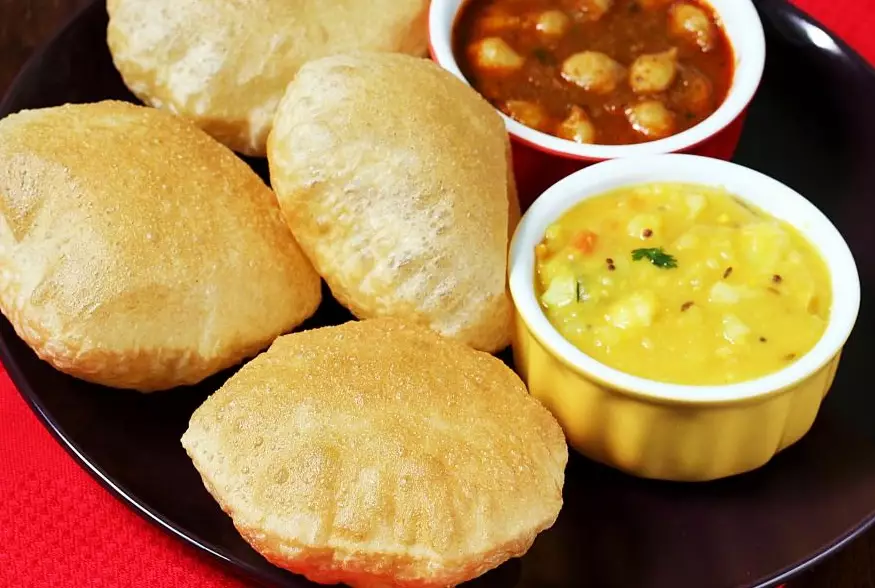
Another key element? Bread is king. Whether it's fried, griddled, or steamed, a form of bread acts as the vehicle for curries, vegetables, or chutneys. Dairy, in the form of yogurt, white butter (makhan), and paneer, plays a huge supporting role, adding creaminess and balancing spices.
Local Insight: A mistake many first-timers make is treating a North Indian breakfast like a light continental start. Portions are often substantial. It's meant to be a proper meal, sometimes lasting you well past lunch. Pace yourself.
The Non-Negotiable North Indian Breakfast List
Let's get to the stars of the show. These aren't just dishes; they are institutions.
1. Paratha: The Ultimate Comfort Food
This isn't your average flatbread. A paratha is layered, flaky, and pan-fried with oil or ghee. It can be plain (the canvas) or stuffed (the masterpiece). The stuffing is where the magic happens.
- Aloo Paratha: Spiced mashed potato filling. The undisputed champion of home kitchens and dhabas.
- Gobi Paratha: Grated cauliflower spiced with cumin and coriander. A winter favorite.
- Mooli Paratha: Grated white radish. Has a pungent kick that's mellowed when cooked.
It's always served with a dollop of white butter, fresh yogurt, and a side of pickle (achar). The combination of hot, greasy bread with cool yogurt is textural perfection.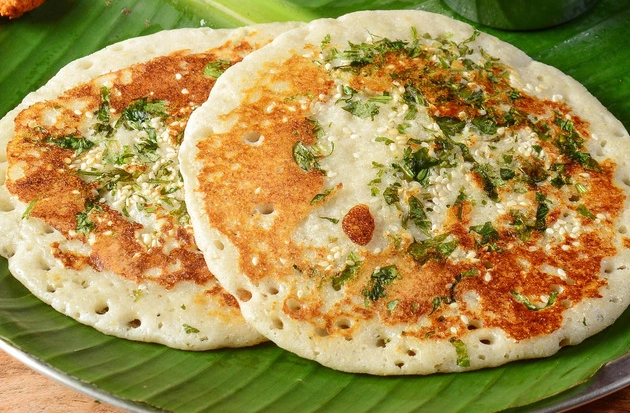
2. Chole Bhature: The Weekend Indulgence
Think of this as the North Indian equivalent of a decadent brunch. It's a pairing of spicy, tangy chickpea curry (chole) and deep-fried, leavened bread (bhature) that puffs up like a balloon. It's rich, it's messy, and it's utterly irresistible. This is less of an everyday home breakfast and more of a street food/special occasion treat, often enjoyed on Sundays.
3. Poha: The Quick & Light Savior
For those mornings when paratha feels too heavy, poha steps in. It's made from flattened rice (poha) sautéed with mustard seeds, curry leaves, turmeric, peanuts, and onions. It's light, fluffy, and mildly spiced. Popular in regions like Madhya Pradesh and Maharashtra (which shares a border with North India), it's the go-to quick breakfast. A squeeze of lemon and some sev (crispy gram flour noodles) on top are non-negotiable.
4. Puri Sabzi: The Festive Morning Standard
Small, whole wheat discs deep-fried until they puff into golden spheres. These puris are airy and crisp. They're almost always paired with a potato-based curry (sabzi) – often a simple, flavorful one with potatoes and tomatoes. This combo is a staple for festive mornings, temple offerings, and satisfying weekend cravings.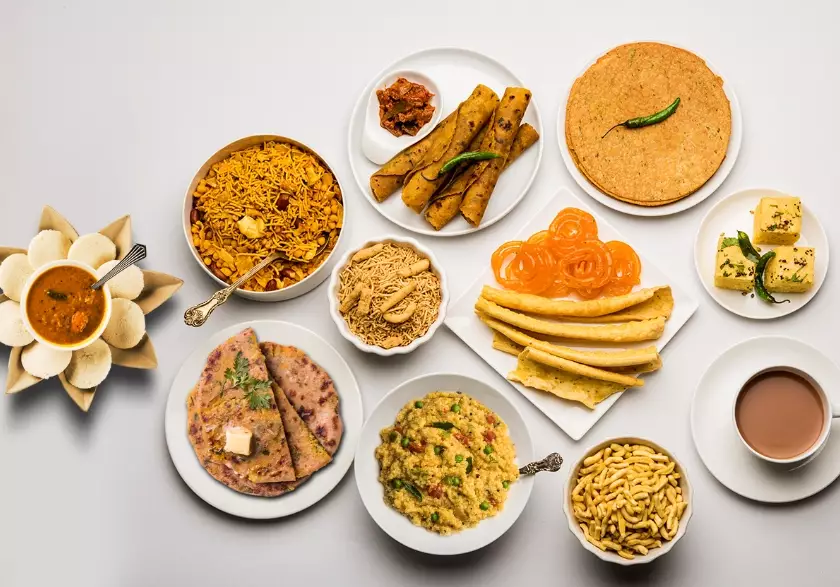
| Dish | Key Characteristic | Best Paired With | Occasion |
|---|---|---|---|
| Aloo Paratha | Hearty, stuffed flatbread | White butter, yogurt, pickle | Everyday home breakfast |
| Chole Bhature | Rich, spicy & fried | Pickled onions, lassi | Weekend brunch / Street food |
| Poha | Light, fluffy, quick-cook | Lemon juice, sev, coconut | Busy weekday morning |
| Puri Sabzi | Festive, deep-fried bread | Potato curry, sweet halwa | Festivals, special days |
Where to Find the Real Deal: Legendary Breakfast Joints
Reading about it is one thing. Knowing where to go is everything. Here are specific spots, mostly in Delhi (the heart of North Indian food culture), that have perfected these dishes.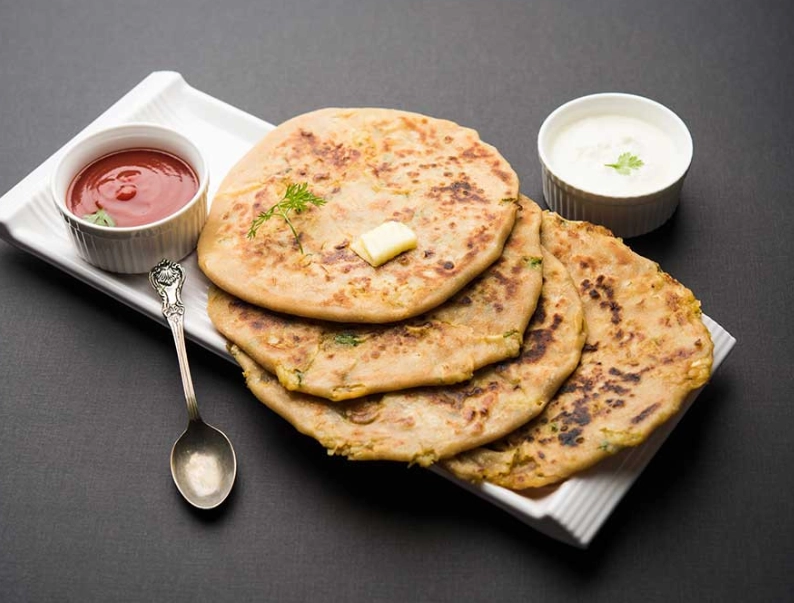
For the Best Chole Bhature: Sita Ram Diwan Chand, Paharganj, Delhi
This place is legendary for a reason. It's no-frills, often crowded, and serves what many consider the gold standard. Their chole have a unique, tangy flavor profile, and the bhature are consistently soft and puffy.
Address: 2243, Chuna Mandi, Paharganj, Delhi 110055.
Must Order: The classic Chole Bhature plate. One plate is usually enough for one person.
Price: Incredibly affordable, around ₹120-150 per plate.
Pro Tip: Go early (by 9 AM) to avoid the longest lines. Their lassi is also top-notch to cut through the richness.
For a Paratha Feast: Paranthe Wali Gali, Chandni Chowk, Old Delhi
This isn't a single restaurant but a narrow lane dedicated to paratha shops, some over a century old. Places like Pandit Gaya Prasad Shiv Charan (established 1872) serve a dizzying array of stuffed parathas – from the classic aloo to exotic ones like banana or bitter gourd.
Address: Paranthe Wali Gali, Chandni Chowk, Delhi.
Must Order: A mixed platter to try different stuffings. The paneer and mixed veg are superb.
Price: Varies by stuffing, but expect ₹80-200 per paratha.
Pro Tip: This is a heavy meal. Share a few parathas between people. The accompanying sabzis and chutneys are part of the experience.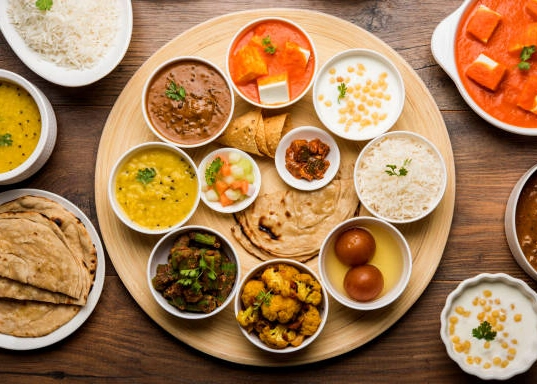
Beyond Delhi, in Amritsar, you'll find Kesar Da Dhaba (near Town Hall) serving a phenomenal paratha and chana masala breakfast in a classic dhaba setting. The ambiance is as much a part of the meal as the food.
Is a North Indian Breakfast Healthy? Lighter Choices
The classics are often carb-heavy and cooked with ghee or oil. But the cuisine offers brilliant lighter options.
Dalia: Cracked wheat porridge cooked with vegetables or milk. It's savory, filling, high in fiber, and a common healthy start in many households. Think of it as Indian savory oatmeal.
Besan Chilla: This is my personal go-to when I want something quick, nutritious, and gluten-free. It's a savory pancake made from gram flour (besan) batter mixed with onions, herbs, and spices, cooked on a griddle with minimal oil. Packed with protein, it's often called an Indian omelette.
Fruit & Nuts with Curd: A simple bowl of seasonal fruits (banana, papaya, mango) with a handful of nuts and a big spoon of homemade curd (yogurt) is a very common, balanced home breakfast, especially in summer.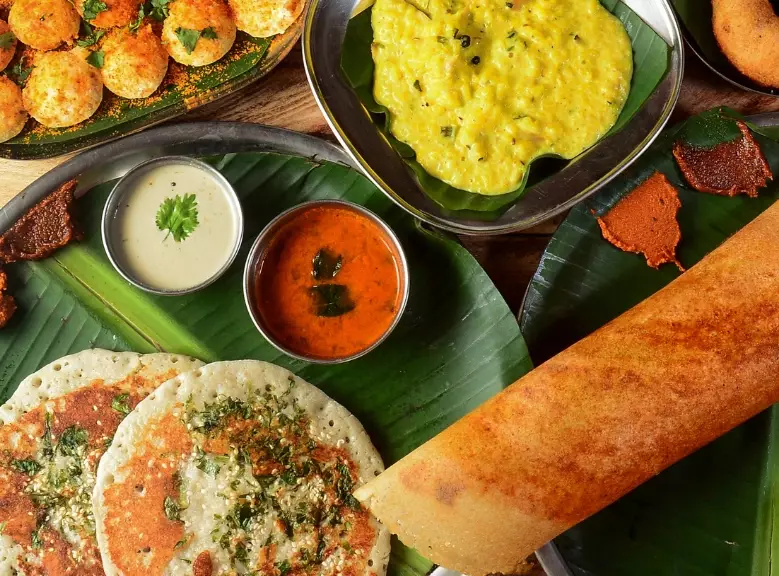
Expert Tip: When ordering a paratha outside, don't be shy to ask for it to be made with less oil or on a tawa (griddle) instead of deep-fried. Most decent places will accommodate. Also, the side of yogurt isn't just for taste; its probiotics aid digestion of a heavy meal.
Your North Indian Breakfast Questions, Answered
The world of North Indian breakfasts is deep and rewarding. It's a cuisine that values flavor, sustenance, and community. Whether you're digging into a buttery paratha in a crowded Old Delhi lane or whipping up a besan chilla in your own kitchen, you're participating in a morning ritual that has warmed bellies and started days right for generations. Don't just eat it—experience it.
Discussion