Your Roadmap to Indian Cooking
Let's be honest. The first time I tried to make a proper Indian curry from scratch, it was a minor disaster. I had a vague list of spices, a recipe that assumed I knew what "tempering" meant, and the end result tasted... well, let's just say it was more "brown and muddy" than "fragrant and layered." I almost gave up. But then I realized the problem wasn't Indian cooking itself—it was the way it was being explained.
So here's the thing. Indian cooking for beginners doesn't have to be intimidating. It's actually a lot of fun once you get past that initial wall of unfamiliar ingredients. This guide is the one I wish I'd had. We're going to skip the intimidating stuff and focus on what you actually need to know to make delicious, satisfying meals that will impress even yourself. No prior experience required.
What you'll get from this guide: A clear, no-nonsense walkthrough of the absolute essentials. We'll talk about the spices you really need (not the 20-jar collection), the tools that matter, and we'll cook some foolproof dishes together, step-by-step. My goal is to make Indian cooking for beginners feel accessible and, dare I say, easy.
Why Bother Learning Indian Cooking?
Before we dive into the how, let's talk about the why. Sure, you can order takeout. But learning to cook it yourself? That's a game-changer.
First, you control everything. Less oil, less cream, more veggies—it's up to you. Second, it's incredibly economical. A bag of lentils and some spices can feed a family for pennies. And third, the flavor you can achieve at home, with a bit of practice, often beats many restaurant versions because it's fresher and made with care. There's a deep satisfaction in creating those complex aromas in your own kitchen.
It's also about understanding a culture through its food. Each spice tells a story. But we don't need to be historians today. We just need to be hungry and curious.
The Heart of It All: Your Starter Spice Kit
This is where most guides overwhelm people. They list 15 spices and say "go buy them all." Not helpful. For true Indian cooking for beginners, you only need a handful to make a huge variety of dishes. Think of this as your foundation.
Here’s the non-negotiable shortlist. Get these in small quantities from a local Indian grocery or a well-stocked supermarket's international aisle. The quality and freshness from a specialty store are usually (and sadly) much better.
| Spice (Ground) | What It Tastes Like | Its Best Friend | Quick Sub if Desperate |
|---|---|---|---|
| Turmeric (Haldi) | Earthy, slightly bitter, vibrant yellow color. | Almost everything. It's the base. | ...Maybe a pinch of saffron for color, but flavor is unique. Just get turmeric. |
| Cumin (Jeera) | Warm, nutty, smoky, a little citrusy. | Coriander. They're the classic duo. | Caraway seeds are *kinda* close, but not really. |
| Coriander (Dhania) | Light, lemony, floral, sweet. | Cumin. Balances its earthiness. | Parsley or cilantro *seed*? No. Just get coriander. |
| Garam Masala | Warm, sweet, complex (blend of cinnamon, cardamom, cloves etc.). | The finishing touch. Added at the end. | A mix of cinnamon + a pinch of nutmeg/cloves in a pinch. |
| Red Chili Powder (Kashmiri preferred) | Mild heat, brilliant red color (Kashmiri is milder). | Adds color and gentle warmth. | Paprika for color + a dash of cayenne for heat. |
See? Five. That's it to start. You'll notice I said *ground* for beginners. Whole spices are fantastic and I prefer them now, but grinding them is an extra step. Let's keep the barrier to entry low. A pro-tip: toast your ground spices in a dry pan for 30 seconds before adding liquid. It wakes them up like nothing else. The difference is night and day.
Oh, and one more thing: Asafoetida (Hing). It's a pungent resin used in tiny amounts, often in lentil dishes. It has a savory, almost garlic-onion flavor when cooked. It's amazing, but it's a "phase two" spice. Don't worry about it for your first few dishes.
Gear You Actually Need (And What You Don't)
You don't need a tandoor oven. You probably don't even need a new pan. Let's demystify the equipment.
The Must-Haves:
- A Heavy-Bottomed Pot or Deep Pan: This is non-negotiable. A Dutch oven, a deep skillet, or a sturdy saucepan. Thin pans will burn your spices in a heartbeat. Even heat distribution is key.
- A Lid: For simmering and trapping steam. Pretty basic.
- A Wooden Spoon or Spatula: For stirring without scratching your pot.
- A Small Bowl for "Tempering" (Tadka): Just a heat-proof little bowl. We'll get to this magic technique.
The Nice-to-Haves (But Wait on These):
- Spice Grinder/Coffee Grinder: For grinding whole spices later. A cheap blade coffee grinder dedicated to spices is a worthy upgrade... eventually.
- Pressure Cooker/Instant Pot: A godsend for cooking lentils (dal) and beans quickly. But you can absolutely use a regular pot; it just takes longer.
My point is, your standard kitchen is almost certainly already equipped for Indian cooking for beginners. Don't let gear stop you.
Personal Blunder: I once tried to make a curry in a cheap, thin non-stick frying pan. The onions took forever to caramelize, then the spices instantly stuck and burned on the high heat needed to cook the rest. The resulting curry had a bitter, scorched undertone. Lesson learned: invest in one good, heavy pot. It matters more than any fancy gadget.
Your First 5 Dishes: A Logical Progression
We're not jumping straight to Butter Chicken. We're going to build skills. Each of these dishes teaches you a fundamental technique. Master these, and you can cook hundreds of recipes.
1. The Foundation: Yellow Dal (Lentil Soup)
This is the ultimate comfort food and the perfect first project. It teaches you how to cook lentils and how to do a "tadka" (tempering)—a technique where you fry spices in oil or ghee and pour it sizzling over the finished dish. It's flavor magic.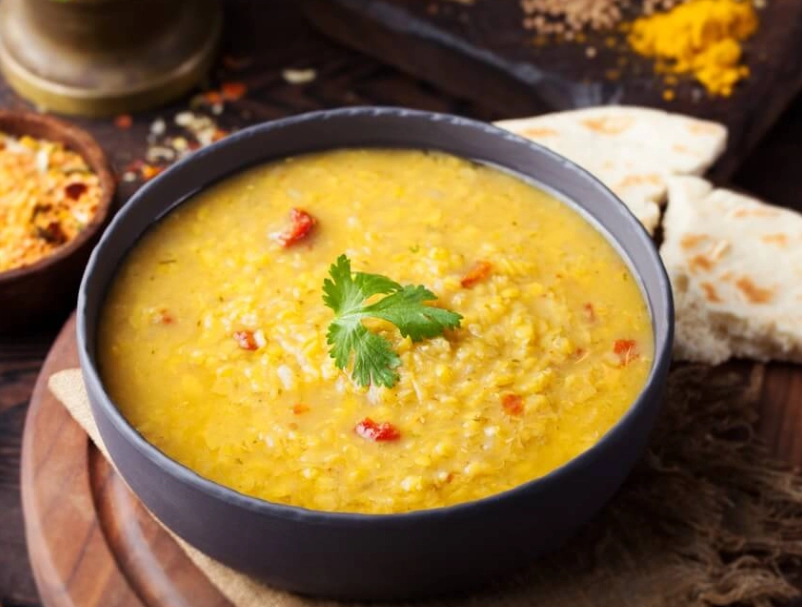
The Technique You Learn: Boiling lentils + Tempering (Tadka).
Why It's Great for Beginners: It's forgiving, healthy, and the tadka step feels (and is) incredibly chef-y, but it's dead simple.
2. The Vegetable Star: Aloo Gobi (Potatoes & Cauliflower)
A dry(ish) vegetable dish. It teaches you how to cook vegetables with spices without a lot of sauce. You'll learn about toasting spices and getting that nice, slightly caramelized edge on your veggies.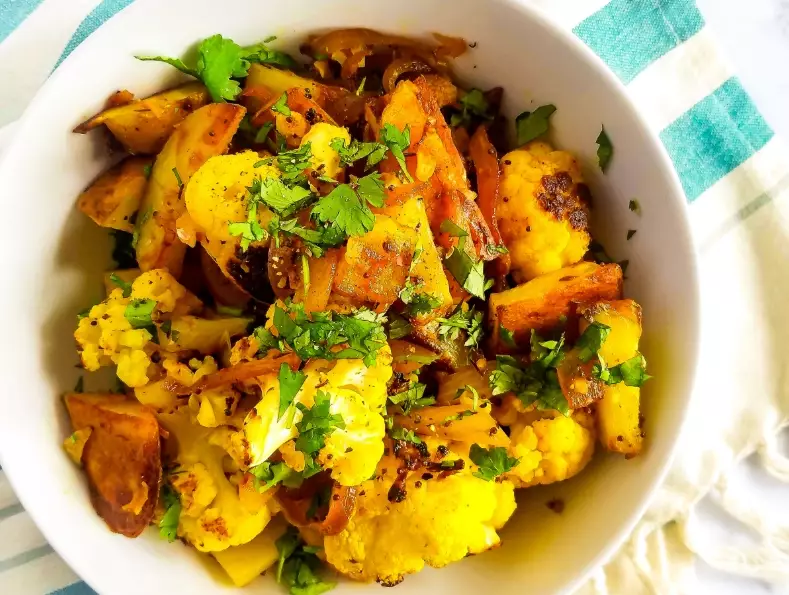
The Technique You Learn: Dry sautéing and roasting spices with vegetables.
Why It's Great for Beginners: It's one pan, visual (you can see when it's done), and a fantastic side or main with some bread.
3. The Curry Base Mastery: Chicken Curry (A Basic One)
Now we introduce meat and a wet curry sauce. This recipe focuses on building the "gravy" from onions, tomatoes, and your core spices. This base is universal—you can use it for paneer, chickpeas, or other meats later.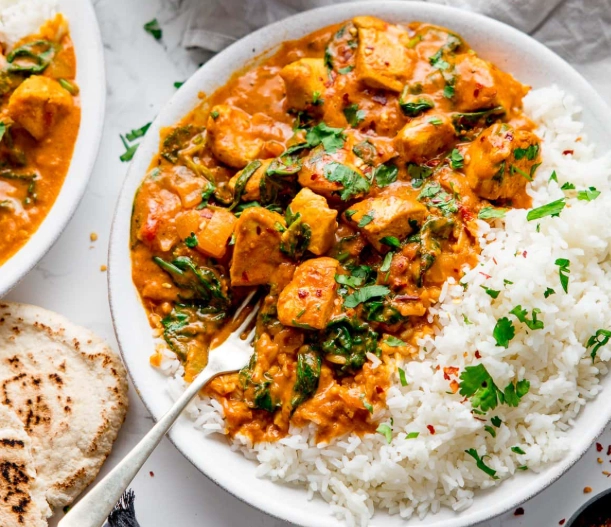
The Technique You Learn: Building a curry base (onion-tomato masala).
Why It's Great for Beginners: It's the classic curry experience. You see the oil separate, the sauce thicken—all the signs you're doing it right.
4. The One-Pot Wonder: Jeera Rice (Cumin Rice)
It's not just plain rice. Toasting whole cumin seeds in ghee before adding rice and water infuses the entire pot with flavor. It teaches you the power of whole spices and how to make a simple side dish extraordinary.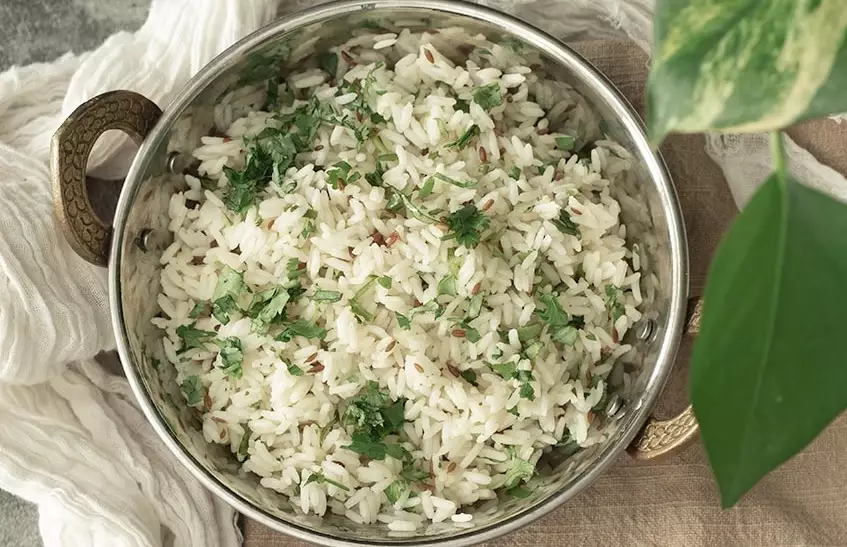
The Technique You Learn: Blooming whole spices in fat.
Why It's Great for Beginners: It's just rice, but better. Minimal effort, maximum reward. Pairs with everything above.
5. The "Wow" Factor Dish: Chana Masala (Chickpea Curry)
By now, you've practiced the techniques. Chana Masala brings it all together: a hearty, tangy, spicy chickpea curry that's 100% vegetarian and packed with protein. It uses both a cooked base and a final tadka.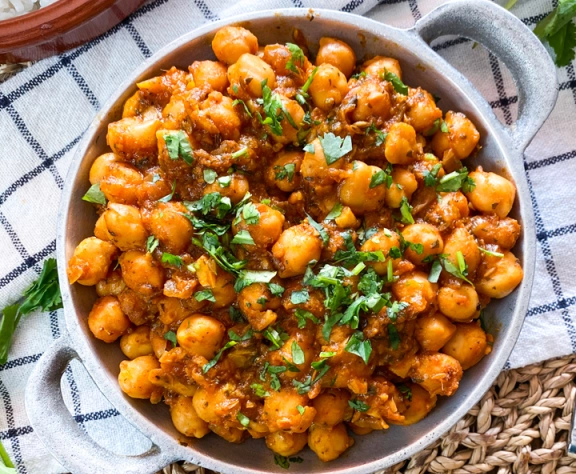
The Technique You Learn: Combining multiple techniques in one dish.
Why It's Great for Beginners: It's incredibly satisfying, cheap, and tastes like it came from a restaurant. It will build your confidence.
Let's Cook: A Detailed Walkthrough of Yellow Dal
Let's make our first dish together. I'll write this like I'm talking you through it in my kitchen.
What you need:
1 cup yellow split peas (toor/arhar dal) or red lentils (masoor dal - they cook faster)
3 cups water
1/2 tsp turmeric
Salt to taste
For the Tadka: 2 tbsp ghee or oil, 1 tsp cumin seeds, 2 dried red chilies, a pinch of asafoetida (optional), 3-4 garlic cloves (minced).
Step 1: The Lentils. Rinse your lentils in a bowl of water until the water runs mostly clear. Dump them into your heavy pot. Add the 3 cups of water and turmeric. Bring to a boil, then reduce to a simmer. Skim off any white foam that appears at the top. Partially cover and let it simmer for 30-45 minutes (longer for toor dal, shorter for red lentils). Stir occasionally. You want them mushy and falling apart. Add more hot water if it gets too thick. Once soft, mash some against the side of the pot with your spoon to thicken it. Season with salt. Turn off the heat.
Step 2: The Magic Tadka. Here's the fun part. In your small bowl or a tiny saucepan, heat the ghee/oil over medium heat. Add the cumin seeds. Let them sizzle for about 10 seconds—you'll hear them crackle and smell their aroma. Now add the dried red chilies, the optional asafoetida, and the minced garlic. Swirl it around for just 30 seconds to a minute until the garlic is lightly golden. Do not let it burn.
Step 3: The Grand Finale. Immediately pour this entire sizzling, fragrant contents of your bowl over the pot of cooked dal. It will hiss and bubble gloriously. Stir it in.
That's it. Taste it. The difference the tadka makes is incredible. It transforms a simple lentil soup into something layered and deeply flavorful. Serve with rice or bread. You just mastered a fundamental technique of Indian cooking for beginners.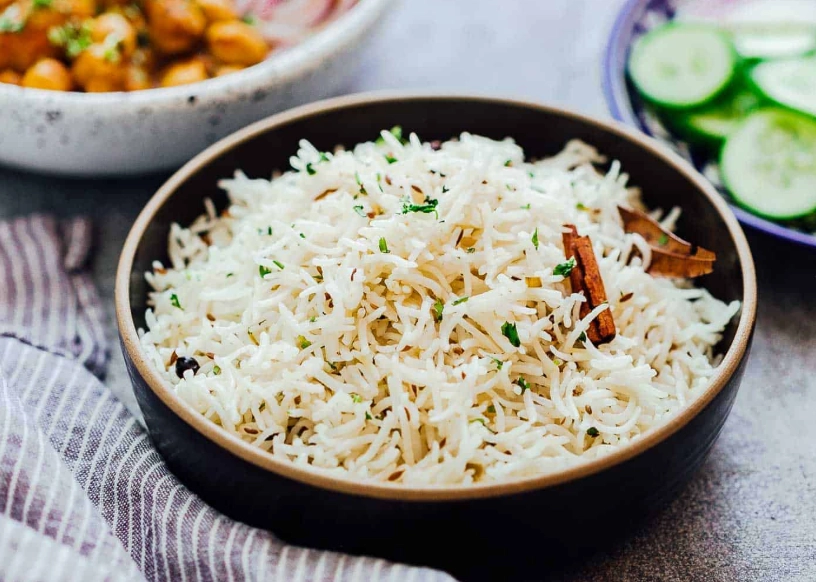
Why this works: The hot fat (ghee/oil) instantly "blooms" and fries the raw spices and garlic, releasing their essential oils and flavors in a concentrated burst. When you pour it into the dal, those flavors get distributed throughout. It's a finishing technique used in countless Indian dishes.
Answering Your Burning Questions (FAQs)
Bland: Undercooked onions and tomatoes are the usual suspects. Cook them down until they become a paste and the oil starts to separate from the mixture. Also, under-toasted spices. Don't just add them to cold liquid; let them fry in the oil for 30-60 seconds. And finally, salt. Indian food needs adequate salt to bring out the spice flavors.
Bitter: Burnt garlic or onions. Or spices (especially cumin) fried for too long in too-hot oil. Medium heat is your friend.
Metallic: This can happen if you use a reactive pot (like aluminum) with acidic ingredients like tomatoes. Stick to stainless steel or enameled cast iron.
Absolutely. Many communities in India (like Jains) don't use them. The flavor profile changes, but it's still delicious. Use a pinch of asafoetida (hing) when you temper your spices—it gives a wonderful savory depth. You can also increase the quantity of ginger and use ingredients like crushed peanuts or coconut for body.
This is a great question. Traditional recipes can use generous fats, but you are in control. You can often reduce the oil by 25% without much issue. The key is that the fat is often necessary to properly "bloom" and cook the spices—it carries the flavor. But it doesn't need to be swimming. Focus on the core ingredients: lentils, vegetables, legumes, lean proteins. The base of Indian cuisine is inherently nutritious. For reliable health information on ingredients like turmeric and its active compound curcumin, you can refer to resources from the National Center for Complementary and Integrative Health (NCCIH).
Indian food often tastes better the next day! The flavors meld. Store in airtight containers in the fridge for 3-4 days. Reheat gently on the stove with a splash of water to loosen it up. Microwaving can sometimes make lentils and dairy separate, so low and slow on the stove is best.
Once you're comfortable, I highly recommend exploring websites by Indian home cooks and chefs. For a deep dive into regional Indian cuisines and their history, the BBC Food Indian Cuisine page is a fantastic, well-researched resource. It goes beyond just recipes.
Common Pitfalls and How to Sidestep Them
Let's learn from my (and others') mistakes so you don't have to.
- Rushing the Onions: This is the #1 mistake. Sautéing onions until they are soft, golden, and sweet can take 15-20 minutes on medium-low heat. If they're still white and crunchy, your curry base will lack depth.
- Adding Garlic and Ginger at the Wrong Time: If you add them with the onions at the start, they often burn by the time the onions are done. I prefer adding minced garlic and ginger after the onions are soft, cooking for just a minute before adding other spices.
- Using "Curry Powder": Most generic Western "curry powder" is a single-note blend. The beauty of Indian cooking is building layers with individual spices. Use the core five I listed.
- Not Tasting as You Go: Taste after adding your core spices. Taste after adding salt. Taste before serving. Adjust. Is it sharp? A tiny pinch of sugar can balance it. Too flat? A squeeze of lemon juice at the end can work wonders.
Look, the journey into Indian cooking for beginners is exactly that—a journey. Your first dal might be a bit too thick. Your first curry might need more salt. That's okay. It's still going to be homemade, fresh, and miles ahead of anything from a jar.
The most important ingredient isn't a spice; it's a bit of patience and the willingness to try. Start with the dal. Master the tadka. Then move to the next dish. Before you know it, you'll be confidently tweaking recipes and wondering why you ever thought this was hard.
So, what are you waiting for? Pick a spice or two from that short list, find a simple recipe from the progression above, and just start. Your kitchen is about to smell amazing.
Discussion