Essential Takeaways
Let's be honest. We've all been there. You get a craving for a rich, aromatic Indian curry, you search online, and you're hit with a million recipes all claiming to be the "best." Some are way too complicated, with a spice list longer than your arm. Others are so simplified they taste like...well, not curry. I spent years, and I mean years, trying to nail a recipe that was both authentic-tasting and doable on a regular Tuesday night. A lot of tomato-based soups masquerading as curry later, I finally cracked the code.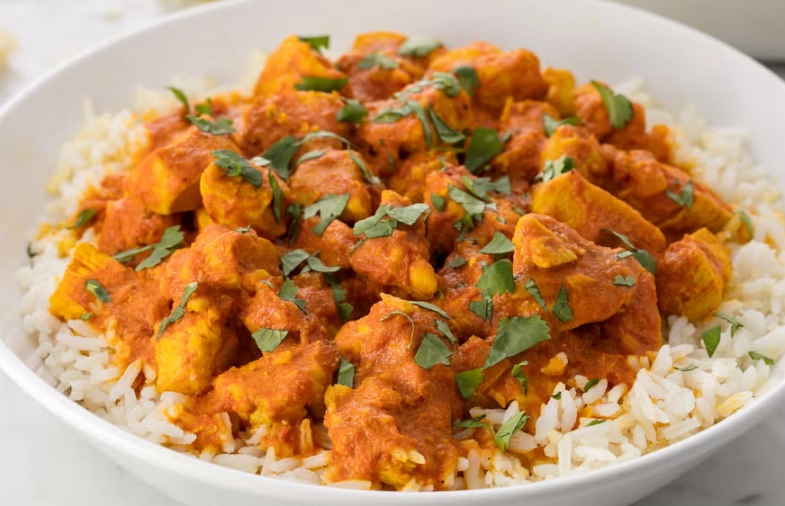
This isn't about finding the most obscure regional dish. It's about that one best Indian curry recipe you can master, feel proud of, and have in your back pocket to impress anyone. For me, and for countless others, that gateway dish is Butter Chicken, or Murgh Makhani. It's creamy, tangy, mildly spiced, and universally loved. But making it truly sing? That's the trick.
What Makes an Indian Curry Recipe the "Best" Anyway?
Before we dive into the pots and pans, let's talk criteria. A "best" recipe needs to check a few boxes, right? It can't just be my opinion.
First, it has to deliver on flavor that matches your memory of a great restaurant dish. That deep, layered taste where no single spice hogs the spotlight. Second, it needs to be reproducible. No "pinch of this" or "feel of that" vague instructions that leave you guessing. And third, the ingredients should be accessible. You shouldn't need to visit three specialty stores.
This Butter Chicken recipe hits all three. It's the one I've made for family dinners, for friends who claim they can't cook, and for myself when I just need a big bowl of comfort. It's the foundation. Once you get this down, you can venture into vindaloos, kormas, and madras curries with way more confidence.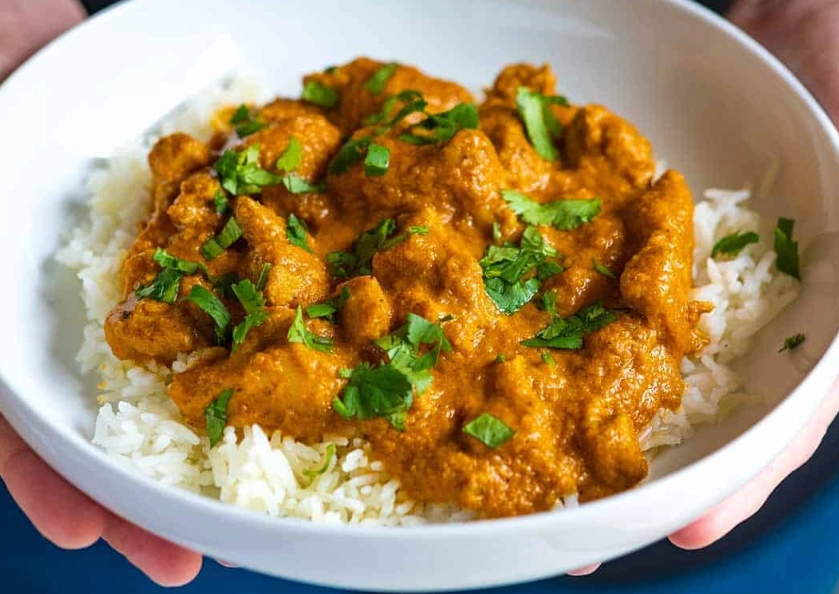
Why Butter Chicken is the Perfect "Best Indian Curry Recipe" Candidate
I can hear some purists groaning. "Butter Chicken isn't the most authentic!" Sure, its origins are debated (many trace it to the kitchens of Moti Mahal in Delhi), but its popularity is undeniable for a reason. It's approachable. The spices are warm and fragrant, not overwhelmingly hot. The cream and butter mellow everything into a luxurious sauce. It's a crowd-pleaser.
Most importantly, mastering Butter Chicken teaches you the fundamental techniques of North Indian curry-making: marinating with yogurt, making a smooth onion-tomato base (the *masala*), and the critical step of "bhuno"—cooking down the masala until it releases oil. Get this right, and you've unlocked the secret to a whole category of curries.
Here’s a quick look at how it stacks up against other popular choices for a "best Indian curry recipe" title:
| Curry Name | Best For | Heat Level | Key Learning | My Honest Take |
|---|---|---|---|---|
| Butter Chicken (Murgh Makhani) | Beginners, crowd-pleasing, creamy texture lovers | Mild to Medium | Building a rich tomato-onion base, balancing dairy | The most reliable win. My go-to. |
| Chicken Tikka Masala | Those who love grilled/charred flavors in sauce | Mild to Medium | Managing two components (grilled chicken & sauce) | More steps. Can dry out the chicken if you're not careful. |
| Rogan Josh (Lamb) | Deep, earthy spice flavors, red meat lovers | Medium | Using whole spices and slow-cooking meat | Incredible flavor, but requires time and good lamb. |
| Chana Masala (Chickpea) | Vegetarian/Vegan, quick & healthy weeknights | Medium | Building flavor without meat stock | A pantry staple. Less "luxurious" but deeply satisfying. |
See what I mean? Butter Chicken is the ideal starting point. It's forgiving, and the payoff is huge.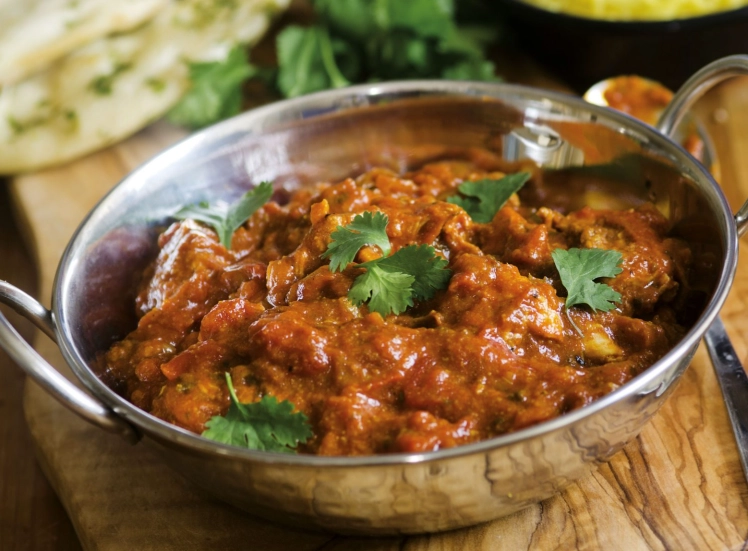
The "Best Indian Curry Recipe" Blueprint: Butter Chicken Unpacked
Okay, let's get into it. This isn't a 10-minute hack. A proper curry takes love and a bit of time, mostly hands-off simmering. The process is part of the therapy. I've broken it down into two main phases: The Prep (where the flavor foundation is laid) and The Cook (where the magic happens).
Phase 1: Gathering Your Arsenal (The Ingredients)
Don't be intimidated by the list. Many are pantry staples. The fresh ingredients are key.
For the Chicken Marinade:
- Boneless, skinless chicken thighs (1.5 lbs): I insist on thighs. Breast meat will dry out during the simmering. Thighs stay juicy and flavorful. It's a non-negotiable for me now.
- Plain, full-fat yogurt (1/2 cup): The lactic acid tenderizes the meat beautifully. Low-fat yogurt can sometimes split.
- Ginger-garlic paste (1 tbsp): You can buy this or make your own by blending equal parts peeled ginger and garlic with a splash of water. Fresh is best.
- Lemon juice (1 tbsp), Kashmiri red chili powder (1 tsp), Garam masala (1 tsp), Salt (1 tsp), Turmeric (1/2 tsp).

For the Curry (The Masala):
- Butter (3 tbsp) & Oil (1 tbsp): Using a combo prevents the butter from burning too fast. I use unsalted butter to control salt.
- Large onions (2), finely chopped or pureed: This is the base. Take your time chopping them fine or give them a quick blitz in the food processor.
- Tomatoes (4 large), pureed: Fresh, ripe tomatoes make a world of difference over canned here, in my opinion. The brightness is unmatched.
- Ginger-garlic paste (1 tbsp) (yes, more).
- Spices: Cumin seeds (1 tsp), Green cardamom pods (2-3), Cinnamon stick (1 inch), Bay leaf (1), Kashmiri chili powder (1.5 tsp), Coriander powder (2 tsp), Garam masala (1 tsp).
- Heavy cream (1/2 cup): For that signature richness. You can use cashew paste for a dairy-free version, but the flavor profile changes.
- Kasuri Methi (Dried fenugreek leaves) (1 tbsp), crushed: This is the secret weapon. It adds a subtle, bitter-herbal note that cuts the richness. Find it at any Indian store or online.
- Salt, Sugar (a pinch), Honey (1 tsp) – to balance acidity.
- Cilantro for garnish.
Phase 2: The Step-by-Step Dance
Here we go. Clear your counter, put on some music, and let's cook.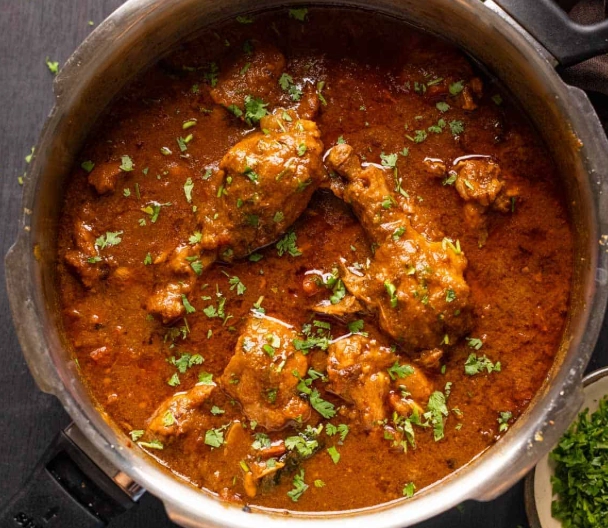
Step 1: Marinate the Chicken (The Patient Start)
Mix all the marinade ingredients in a bowl. Add the chicken pieces, coat them well, cover, and refrigerate. Here's the thing: at least 2 hours, but overnight is magic. The yogurt works its tenderizing wonders slowly. I've rushed this step before, and the chicken was just...fine. Not great. The overnight marinade makes it exceptional.
You can also thread the marinated chicken onto skewers and grill/broil it for a more authentic "tikka" flavor in your Butter Chicken. It adds a smoky dimension, but pan-frying works perfectly.
Step 2: Cook the Chicken
Heat a tablespoon of oil in a pan. Shake off excess marinade and cook the chicken pieces until they get some color on all sides. They don't need to be cooked through, just seared. Set them aside. This step builds flavor.
Step 3: Build the Masala Base (The Heart of the Best Indian Curry Recipe)
In a heavy-bottomed pot or Dutch oven, melt the butter with the oil over medium heat. Add the whole spices—cumin seeds, cardamom, cinnamon, bay leaf. Let them sizzle for about 30 seconds until fragrant. This is called "tadka" or tempering, and it infuses the fat with flavor.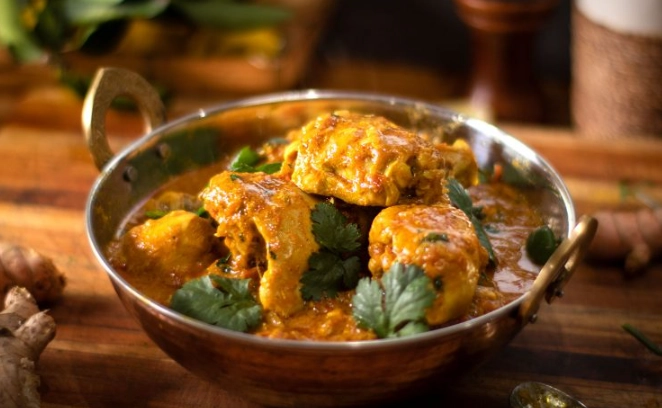
Add the finely chopped onions. Now, cook them. Seriously, cook them slowly. Stir frequently until they turn a deep, golden brown. This can take 15-20 minutes. Don't rush it! This caramelization is non-negotiable for sweetness and depth. If you see them catching, add a splash of water.
Add the ginger-garlic paste. Cook for a minute until the raw smell disappears. Then add the Kashmiri chili, coriander, and turmeric powders. Stir for just 30 seconds. Toasting the ground spices releases their oils but burns them quickly.
Step 4: The Tomato Merge
Pour in the fresh tomato puree. It will splutter. Add salt. Now, cook this mixture. And I mean really cook it. Stir occasionally and let it bubble away until it thickens significantly and the oil starts to separate from the masala, pooling around the edges. This is the "bhuno" stage. It's the single most important step for a rich, concentrated flavor versus a watery sauce. This can take another 15-20 minutes.
You'll see the transformation. The color deepens from bright red to a more brick red, and the texture becomes paste-like.
Step 5: Bringing It All Together
Add the seared chicken pieces and any juices back into the pot. Stir to coat them in the masala. Add about 1 cup of water (or chicken stock if you have it). Bring to a boil, then reduce the heat to low, cover, and let it simmer gently for 15-20 minutes. This allows the chicken to cook through and the flavors to marry.
Step 6: The Final Flourish
Uncover. Stir in the heavy cream, crushed kasuri methi, a pinch of sugar, and a teaspoon of honey. The honey isn't traditional in all recipes, but I find it rounds out the acidity of the tomatoes perfectly. Sprinkle in the final teaspoon of garam masala. Taste. Adjust salt. Does it need a bit more tang? A tiny squeeze of lemon. More heat? A pinch of chili powder.
Simmer for a final 5 minutes on very low heat. Do not boil vigorously after adding cream, as it can curdle.
Garnish with cilantro. Serve hot with steamed basmati rice (I rinse mine 3-4 times until the water runs clear) or warm, buttery naan.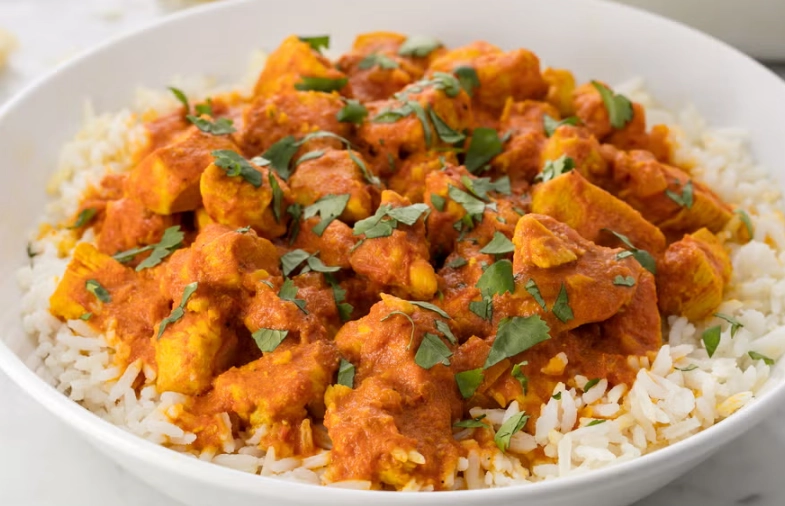
The Moment of Truth: The sauce should be a beautiful orange-red, creamy but not too thick, clinging to the chicken. The smell is intoxicating—buttery, tomatoey, spicy, and sweet all at once. This is what you worked for. This is your best Indian curry recipe realized.
Leveling Up: Pro Tips & Answers to Your Curry Questions
Now that you have the basic map, let's talk about the detours and bumps you might hit. I've compiled the questions I get asked most, and the ones I desperately searched for when I was learning.
Your Top Butter Chicken & Curry Questions, Answered
The Spice Rack Reality Check
Let's demystify the spices. You don't need 50 jars.
- Garam Masala: A warming blend (cinnamon, cardamom, cloves, etc.). It's added at the end for aroma.
- Coriander Powder: Earthy, lemony. It's a base note used during cooking.
- Cumin Seeds/Powder: Earthy, nutty. Seeds for tempering, powder for the base.
- Kashmiri Red Chili Powder: This is crucial. It gives vibrant red color without insane heat. If you can't find it, use 3/4 tsp regular paprika + 1/4 tsp cayenne for color and mild heat.
- Turmeric: Earthy, provides golden color and health benefits.
That's really the core team for this and many other curries. For more detailed information on the history and use of these spices, the Indian Ministry of Culture's portal has fascinating resources.
Beyond This Recipe: Making It Your Own
Once you've mastered this template, the world opens up. This best Indian curry recipe is a framework.
Want it vegetarian? Swap the chicken for paneer (Indian cottage cheese, add it at the very end), chickpeas, or cauliflower. Adjust cooking times accordingly.
Want more heat? Add a finely chopped green chili when you add the ginger-garlic paste.
Want a richer sauce? Soak 10-12 cashews in hot water, blend into a smooth paste, and add it with the cream.
The point is, you're no longer just following a recipe. You're understanding how the elements work together. You know why you're browning the onions. You know what to look for when the oil separates. That's the real victory.
So, is this the definitive best Indian curry recipe in the world? For a home cook looking for reliability, incredible flavor, and a foundational lesson in Indian cooking, I truly believe it is. It's the one that finally made me stop ordering takeout and start creating my own comfort in a pot. Give it the time it asks for, especially with the marinating and the bhuno, and it will reward you tenfold.
Now go on. Your best curry is waiting.
Discussion