Let's be honest. The store-bought stuff in the fancy glass jar is fine in a pinch. But it's never quite the same as the punchy, complex, and alive taste of a homemade Indian pickle, or achar. That deep, fermented funk, the lingering heat of the chilies, the sharp tang of mango or lime—it's a flavor that's built over weeks, not manufactured in a day. Making your own is less about following a rigid recipe and more about understanding a few core principles. Get those right, and you can turn almost any firm fruit or vegetable into a condiment that will transform your meals.
I've been making pickles for over a decade, ever since my attempts to replicate my grandmother's legendary mango pickle resulted in a suspiciously bubbly, slightly scary-looking jar. I learned the hard way so you don't have to. This guide isn't just a list of recipes; it's the toolkit you need to make the best Indian pickle recipes with confidence, covering the classics and the crucial know-how most blogs gloss over.
Your Pickle-Making Roadmap
What Exactly Is an Indian Pickle?
Forget the cucumber dills of the West. An Indian pickle is a preserved condiment made by marinating fruits or vegetables in a potent blend of oil, spices, salt, and often an acid like lemon juice or vinegar. The preservation happens through a combination of salt (which draws out moisture and inhibits bad bacteria), oil (which creates an anaerobic seal), and natural fermentation. The result is a bold, intensely flavorful accompaniment that's served in tiny amounts with rice, dal, breads, or even cheese and crackers.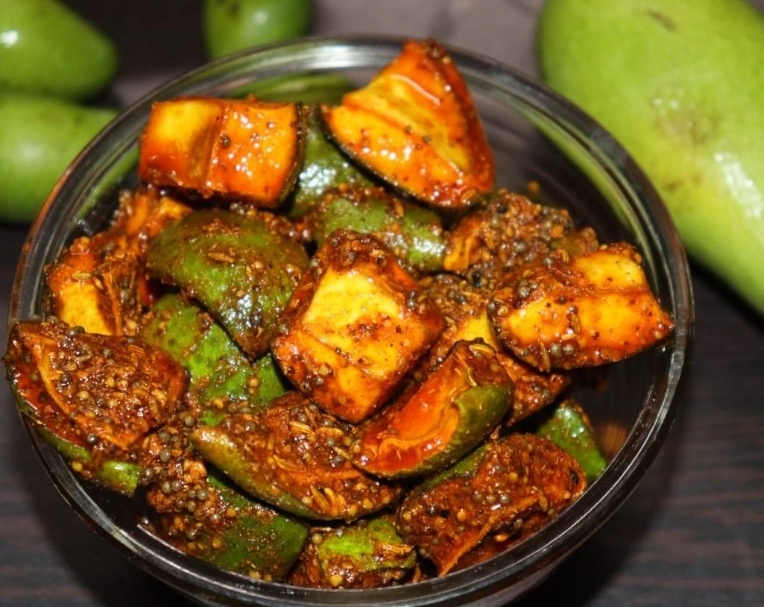
They broadly fall into two categories: oil-based pickles (like most of the ones here) and water-based or fermented pickles (like the Bengali mustard paste-based ones). We're focusing on the oil-based classics today because they're more forgiving for beginners and have a fantastic shelf life.
The Non-Negotiable Ingredients for Success
Before we get to the recipes, let's talk ingredients. The quality here makes or breaks your homemade Indian pickle.
Mustard Oil: This is the heart of many pickles. Its pungent, sharp flavor is traditional and acts as a strong preservative. Always use food-grade mustard oil. If you can't find it or dislike the taste, a neutral oil with a high smoke point like sunflower or peanut oil works, but the character will be different.
Salt: Use non-iodized salt like pickling salt, kosher salt, or pure sea salt. Iodine can interfere with fermentation and discolor the pickle.
Spices: Whole spices, toasted and freshly ground, are infinitely better than pre-ground. Fenugreek seeds (methi), mustard seeds (rai), fennel seeds (saunf), nigella seeds (kalonji), and turmeric are the usual suspects.
Acidity: This comes from the main ingredient (raw mango, lemon) or sometimes from added vinegar. It's crucial for safety and tang.
The Undisputed King: Classic Raw Mango Pickle
No list of the best Indian pickle recipes is complete without this. It's tangy, spicy, oily, and utterly addictive. The key is using firm, raw mangoes (often labeled "kairi" in Indian stores).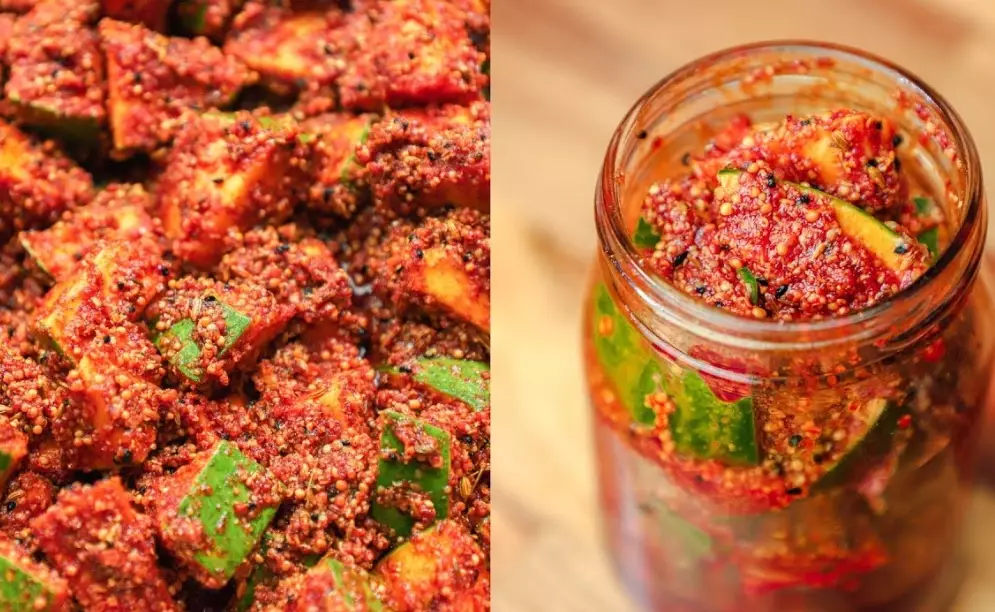
Ingredients You'll Need:
- 4 cups raw mango, washed, dried thoroughly, and cut into 1.5-inch cubes (about 2-3 large mangoes)
- 1/2 cup mustard oil (plus extra for topping up)
- 1/3 cup non-iodized salt
- 3 tbsp mustard seeds, coarsely ground
- 2 tbsp fenugreek seeds, coarsely ground
- 2 tbsp red chili powder (adjust to taste)
- 1 tbsp turmeric powder
- 1 tsp asafoetida (hing)
- 1.5 tbsp nigella seeds (kalonji)
How to Make It:
- Dry Everything: This is the most critical step. The mango cubes must be completely dry. Pat them with a clean cloth and leave them in a well-ventilated area for an hour. Any moisture invites mold.
- Heat the Oil: In a heavy-bottomed pan, heat the mustard oil until it just starts to smoke. Turn off the heat and let it cool until it's warm to the touch, not scalding hot. This process tempers the oil's raw sharpness.
- Mix the Spice Paste: In a large, absolutely dry glass or ceramic bowl, mix the salt, ground mustard, ground fenugreek, red chili powder, turmeric, and asafoetida. Add the warm oil and mix to form a thick paste.
- Combine and Jar: Add the dry mango cubes and nigella seeds to the spice paste. Mix thoroughly with a dry spoon until every piece is coated. Pack the mixture tightly into a clean, sterilized, and completely dry glass jar. Leave about an inch of space at the top.
- The Oil Seal: Pour a thin layer (about 1-2 tablespoons) of extra mustard oil over the top to seal it. Close the jar tightly.
- The Waiting Game: Keep the jar in a sunny spot for 4-5 days. Shake it gently once a day. The mango will release water, and the oil will float to the top. After a week, it's ready to eat, but it gets better over 3-4 weeks. Store in a cool, dark place.
Sunshine in a Jar: Tangy Lemon Pickle
This is my personal favorite and a great year-round recipe. It cuts through rich, heavy dishes and is surprisingly simple. The trick is to use thin-skinned lemons for better absorption.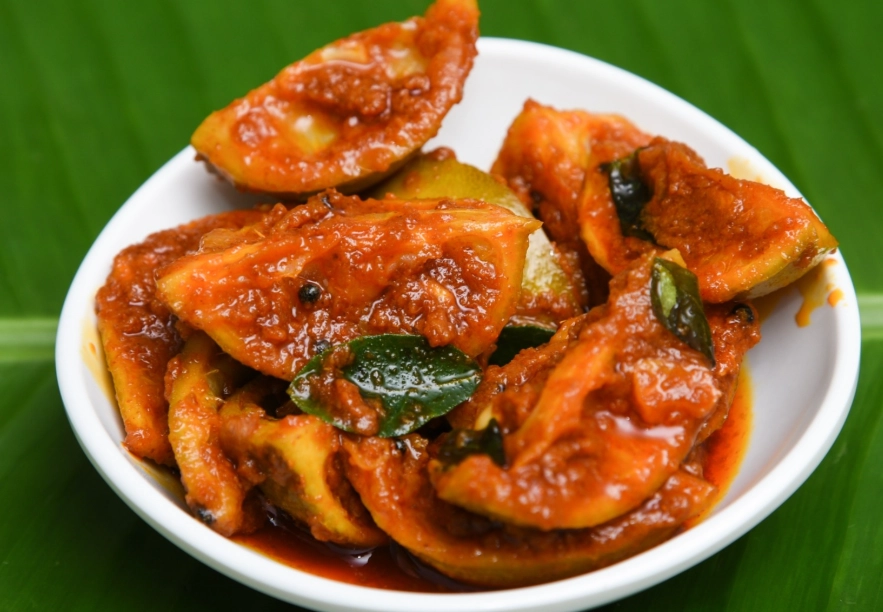
Ingredients: 8-10 medium lemons, 1/2 cup salt, 1/2 cup mustard oil, 2 tbsp turmeric, 3 tbsp red chili powder, 2 tbsp fenugreek seeds (lightly toasted and ground), 1 tbsp mustard seeds, 1 tsp asafoetida.
Method: Wash and dry the lemons completely. Cut each into 8 wedges. In a dry bowl, toss the lemon wedges with salt and turmeric. Pack them into a jar, pressing down. They will release juice. Let this sit for 2-3 days at room temperature, shaking occasionally. On the third day, heat the oil until it smokes, then let it cool to warm. Mix in the remaining spices to form a paste. Add this paste to the jar with the lemons and mix well. Ensure the lemons are submerged under the liquid (oil + lemon juice). Seal and store. It's ready in a week, fantastic in a month.
The Garden Harvest: Spicy Mixed Vegetable Pickle
This is your clean-out-the-fridge, zero-waste champion. Use firm vegetables that won't turn to mush. My go-to combination is cauliflower, carrots, green beans, and raw mango for tang.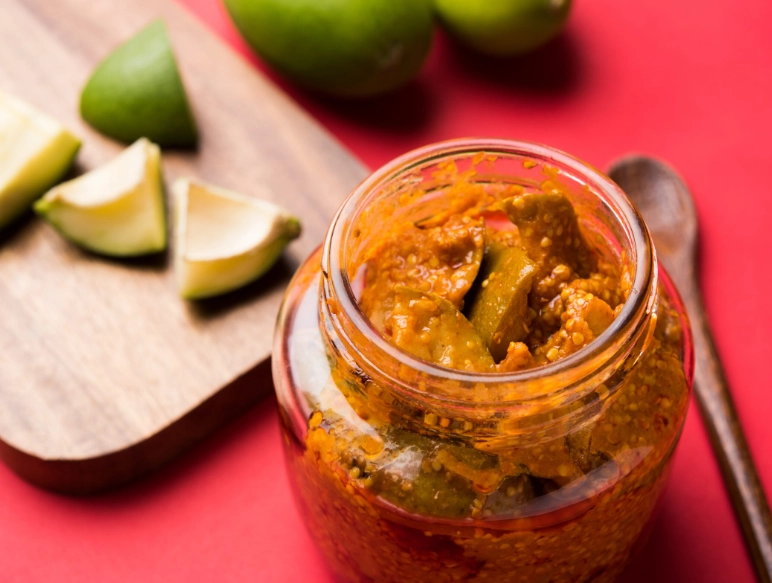
Here’s a quick comparison of the three core recipes to help you choose:
| Pickle Type | Key Flavor Profile | Prep Time (Active) | Ready to Eat (Minimum) | Best Paired With |
|---|---|---|---|---|
| Raw Mango | Tangy, Spicy, Oily | 45 mins | 1 week | Dal & Rice, Parathas |
| Lemon | Sharp, Sour, Salty | 30 mins | 1 week | Curries, Grilled Meats/Fish |
| Mixed Vegetable | Crunchy, Spicy, Complex | 60 mins | 3 days | Sandwiches, Cheese Boards, Rice |
For the Mixed Veg Recipe: Chop 4 cups of mixed veggies into uniform, bite-sized pieces. Dry them thoroughly (I sometimes leave them on a tray overnight). Follow the same spice paste and oil method as the mango pickle, coating the dry veggies well. The waiting time is shorter—you can taste it after 3-4 days. The cauliflower soaks up the flavors wonderfully.
Pro Tips & Common Mistakes to Avoid
Here's where most homemade Indian pickle attempts go wrong. Pay attention.
Mistake #1: Not Drying Ingredients Enough. I can't stress this enough. Water is the enemy of oil-based pickles. It creates a breeding ground for mold. Dry your fruits/veggies with a cloth, then air dry. Ensure your jars, spoons, and bowls are bone dry.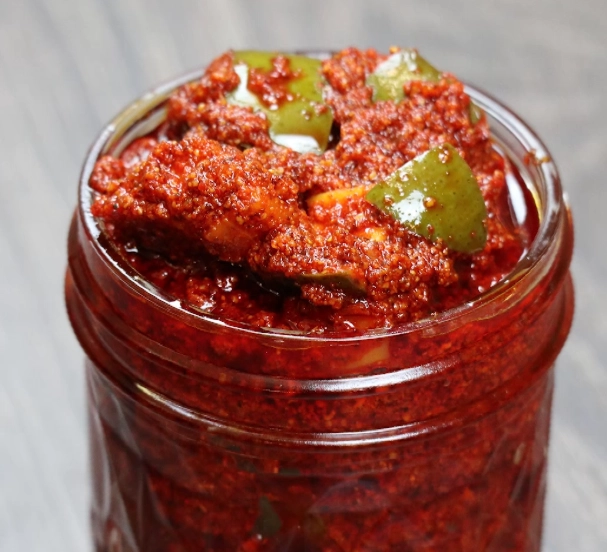
Mistake #2: Using Cold Oil. The oil must be heated to smoking point and then cooled to warm. This "tempering" sterilizes it slightly and mellows its flavor. Adding cold oil over spices doesn't bloom them properly and feels raw.
Mistake #3: Being Stingy with Oil or Salt. Both are preservatives. If the pickle doesn't have a clear layer of oil on top after a few days, top it up with more heated and cooled oil. The salt level should taste quite salty initially—it balances out as the pickle matures.
Mistake #4: Using a Metallic Jar or Spoon. Always use glass, ceramic, or food-grade plastic. Metal can react with the acids and salts, ruining the flavor and safety of your best achar recipe.
My Secret Weapon: A pinch of jaggery or brown sugar added to the spice mix for mango or mixed veg pickle. It doesn't make it sweet, but it rounds out the sharp edges of the salt and acid, creating a more balanced, complex flavor profile that keeps you coming back for more.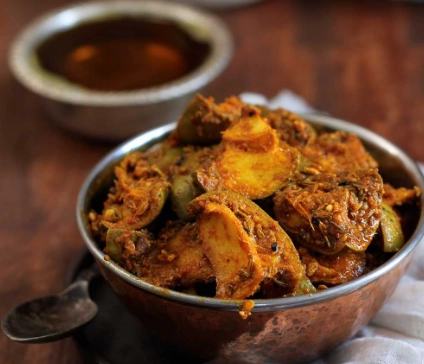
Discussion