Let's be honest. Ordering Indian takeout is easy, but it never quite hits the same as the deep, complex heat you get from a properly made homemade curry. That layered spice, the slow-cooked richness—it feels out of reach. I spent years thinking my kitchen could never produce those best spicy Indian recipes. My early attempts were either bland, bitter, or just a one-note fiery blast. The turning point wasn't a secret ingredient; it was understanding the why behind the spices. This guide is that missing piece. We're moving beyond simple lists to the techniques that make Indian food truly sing with flavor and controlled, delicious heat.
Your Spicy Indian Cooking Roadmap
The Foundation: Understanding Indian Spices & Heat
Most recipes tell you to "add garam masala." Few tell you that adding it at the start of cooking versus the end creates completely different flavor profiles. The first is a common mistake that leads to a bitter, dusty taste. Indian heat isn't just about chili peppers; it's a symphony. You have the sharp, upfront punch of green chilies, the earthy, lingering warmth of black pepper, and the deep, rounded heat from dried red chilies and spices like Kashmiri chili powder.
The Non-Negotiable Spice Pantry
You don't need fifty jars. Start with these core players for authentic spicy Indian recipes:
- Cumin Seeds (Jeera): Earthy, nutty base for almost every tadka (tempering).
- Coriander Seeds (Dhania): Citrusy, sweet backbone of most curry powders. Always buy whole and toast/grind yourself—pre-ground loses flavor in weeks.
- Turmeric (Haldi): For color and its distinct earthy flavor. Don't overdo it, or your food will taste medicinal.
- Kashmiri Red Chili Powder: This is your secret weapon. It provides vibrant red color and a mild, fruity heat, not just searing spice. It's what gives restaurant curries that iconic hue without insane heat levels. A must-have for dishes like Butter Chicken.
- Garam Masala: A warming spice blend (cinnamon, cardamom, cloves, etc.). Add it in the last 5 minutes of cooking to preserve its aroma. Adding it with the initial spices is a surefire way to kill its fragrance.
The single biggest game-changer in my cooking was learning the "bloom." This isn't just tossing spices into oil. It's gently toasting whole spices (like cumin, mustard seeds) in hot oil or ghee until they crackle and release their essential oils. Then, you add your powdered spices (like coriander, turmeric) for just 30-45 seconds, stirring constantly. You're looking for the raw smell to disappear and the oil to start separating around the edges of the pan. That's your flavor base. If your spices burn here (a very common error), the whole dish will carry a bitter undertone. There's no coming back from that.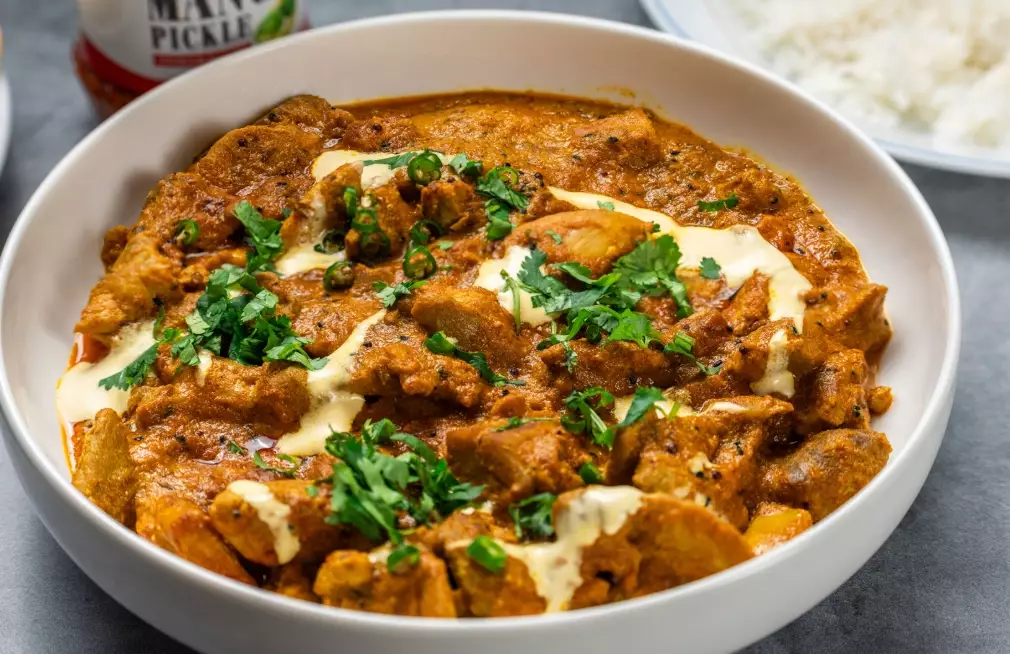
Top 3 Spicy Indian Recipes to Master First
These aren't just random dishes. They're chosen because each teaches you a fundamental technique for building heat and flavor in Indian cuisine. Master these, and you can tackle hundreds of variations.
1. The Crowd-Pleaser: Spicy Butter Chicken (Murgh Makhani)
Yes, it's ubiquitous, but a well-made one is a masterpiece of balanced heat. The goal isn't mouth-scorching; it's a creamy, tomato-based gravy with a warm, persistent glow. The key is the dual-stage marinade and the slow cooking of the tomato base.
My Personal Twist & Pitfall: Most recipes call for heavy cream. I often use full-fat Greek yogurt or cashew paste for a tangier, thicker result. The pitfall? Rushing the tomato cooking. You need to cook the pureed tomatoes with ginger, garlic, and spices until the oil separates completely—this can take 15-20 minutes on medium-low heat. If you skip this, your gravy will taste raw and acidic, no matter how much cream you add.
2. The Flavor Bomb: Rogan Josh (Kashmiri Lamb Curry)
This is where you learn about depth. The heat in a good Rogan Josh comes from a paste of dried red chilies, ginger, garlic, and fragrant spices like fennel and cardamom. It's a slow-cooked curry where the meat becomes tender and absorbs all those complex layers. The color is a deep, rich red, primarily from the Kashmiri chilies.
The Expert Move: Toast your whole spices (bay leaves, cardamom, cloves) in the oil first, remove them, grind them into a powder after cooling, and add them back later. This double-extraction method pulls out every bit of flavor. It's a step most home cooks skip, but it makes a noticeable difference in the fragrance.
3. The Vegetarian Star: Spicy Bhindi Masala (Okra Curry)
This recipe teaches you dry-cooking techniques and how to handle a tricky vegetable. Okra can become slimy if cooked incorrectly. The trick is high initial heat and minimal stirring. The spiciness here is sharp and fresh, often from green chilies and amchur (dry mango powder) added at the end for tang.
A Negative Opinion (to keep it real): I find frozen okra works terribly for this dish—it almost always turns mushy. You need fresh, firm pods. Also, many recipes under-salt okra. It needs a good amount of salt to counteract its natural vegetal flavor and let the spices shine.
How to Control & Balance Fiery Flavors
You've made a curry, and it's too spicy. Now what? Don't just add sugar. First, try adding a fat. A dollop of plain yogurt, a splash of cream, or a spoonful of coconut milk can coat the palate and tame the heat effectively. Acid is another great balancer—a squeeze of lemon juice or a teaspoon of tamarind paste can cut through the heat and brighten the dish.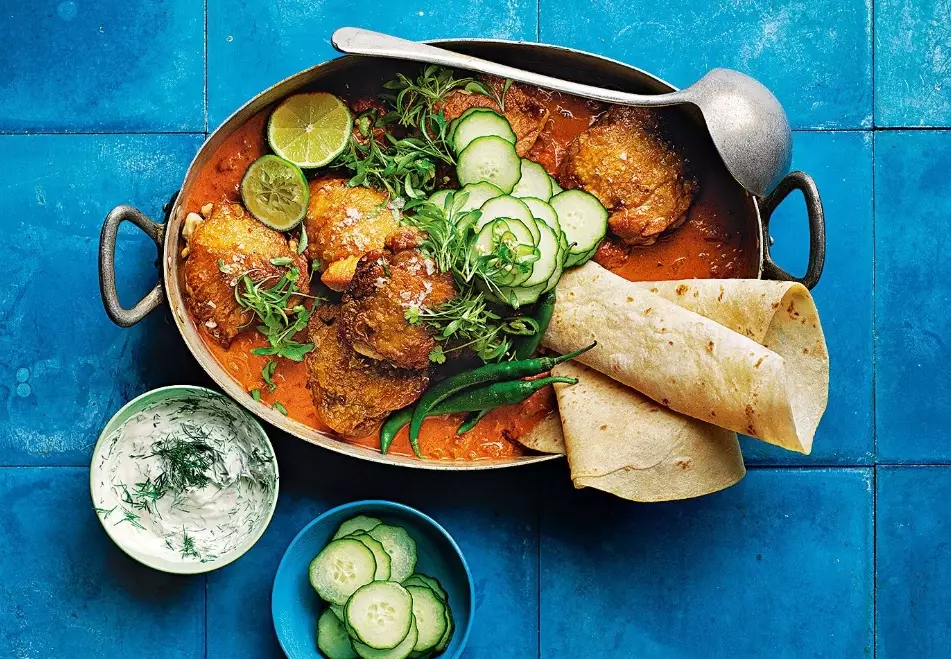
Pro Tip for Controlled Heat: When a recipe says "add 2 green chilies, slit," you control the heat by leaving them whole (milder) or chopping them finely (hotter). The seeds and membranes hold most of the capsaicin. For a gentle warmth, slit the chilies and remove the seeds before adding them. You'll get the flavor without the firestorm.
Remember, salt is your friend. A properly salted dish allows all the other flavors, including the nuanced heat, to come forward. An undersalted spicy dish just tastes painfully hot.
Spicy Indian Cooking: Your Questions Answered
 How can I make a truly spicy vegetarian Indian dish that isn't just a potato curry?
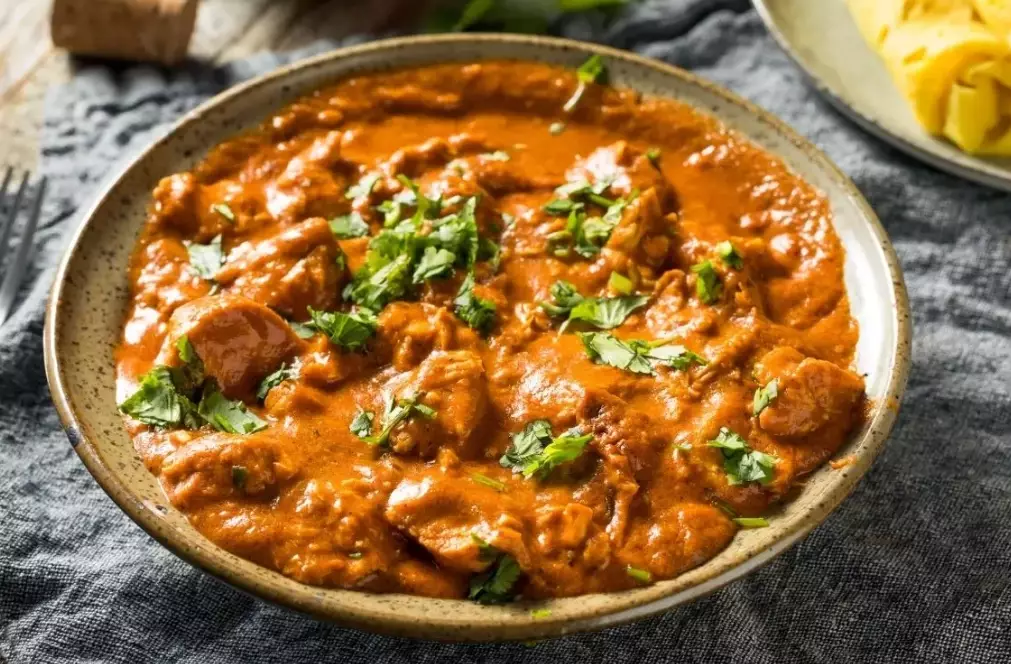 The journey to mastering the best spicy Indian recipes is about embracing the process. It's in the sizzle of the tempering, the patience of the slow simmer, and the adjustment of salt and acid at the end. Don't be afraid to taste as you go and make it your own. Start with one recipe, understand its rhythms, and soon that complex, addictive heat you thought was only available from a restaurant will be simmering on your own stove.
Discussion