You've followed a butter chicken recipe to the letter. You've diced the chicken, blended the tomatoes, and stirred in the cream. But when you take that first bite... it's just okay. It's missing that deep, complex, restaurant-quality magic. The sauce might be thin, the chicken a bit rubbery, the flavor one-dimensional.
I've been there. My first attempt was a grainy, orange-hued disappointment. The problem isn't you; it's the little things most recipes gloss over. After years of testing (and many mediocre batches), I've pinpointed the exact slip-ups that hold home cooks back. Let's fix them.
Quick Navigation: Skip to the Mistake You're Making
- Mistake 1: Skimping on the Marination Time
- Mistake 2: Overcooking the Chicken
- Mistake 3: Rushing the Tomato Gravy Base
- Mistake 4: Adding Dairy Too Early (The Curdling Crisis)
- Mistake 5: Using the Wrong Kind of Cream
- Mistake 6: Neglecting the Final Tempering (Tadka)
- Mistake 7: Serving It Straight Away
Skimping on the Marination Time (The Foundation of Flavor)
This is the cardinal sin. Marination isn't just about making the chicken tender; it's the first layer of flavor. A 30-minute soak won't cut it. The yogurt and spices need hours to work their way into the meat fibers.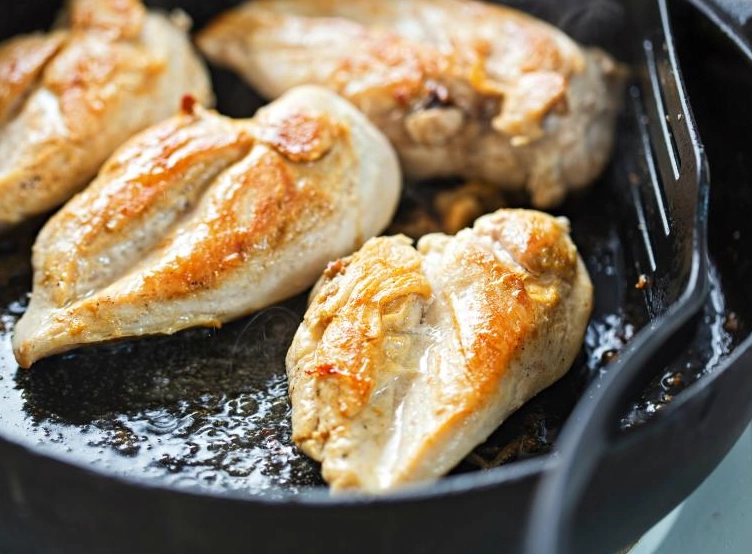
Most recipes call for a basic yogurt, ginger-garlic, and spice mix. That's fine, but the secret is in the acid and fat. Full-fat Greek yogurt or hung curd is non-negotiable. Its thickness clings better, and the fat carries flavor. The lactic acid tenderizes gently without turning the chicken mushy, unlike harsh alternatives like vinegar.
Overcooking the Chicken (The Tragedy of Dryness)
Here's a typical scene: you brown the marinated chicken in the pan until it's fully cooked through. Then you add it back to the simmering sauce for another 10-15 minutes. Result? Sawdust.
Chicken thighs are forgiving, but even they have limits. The key is to cook the chicken twice, but only just enough each time.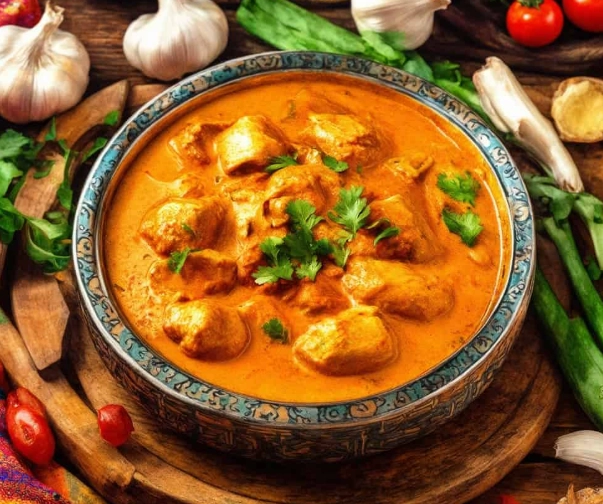
The Two-Stage Cooking Method
First, sear the marinated chicken over medium-high heat. You're not trying to cook it through, just get a good color on the outside. It should be about 60-70% done in the center. Pull it out and set it aside.
It finishes cooking gently in the sauce later. This way, it absorbs the sauce's flavor without losing its own juices. If you're using a grill or broiler for that signature char, the same rule applies—partial cook only.
Rushing the Tomato Gravy Base
The soul of butter chicken is its gravy. And its soul is built on the Maillard reaction and patient reduction. Dumping pureed raw tomatoes into the pot and simmering for 10 minutes gives you a bright, acidic, watery sauce.
Authentic gravy starts with a slow-cooked paste of onions, tomatoes, and cashews. You need to cook the heck out of the tomato puree until it loses its raw edge and its natural sugars concentrate. The color will change from bright red to a deeper, brick red, and the oil will start to separate from the masala. This can take a good 20-30 minutes of frequent stirring over medium-low heat.
I see people skip the cashew or almond paste, thinking it's just for thickening. Wrong. It's for that unmistakable, velvety mouthfeel and a subtle nutty sweetness that balances the tomatoes. Soak a handful of cashews in hot water, then blend them into a smooth paste. It's a game-changer.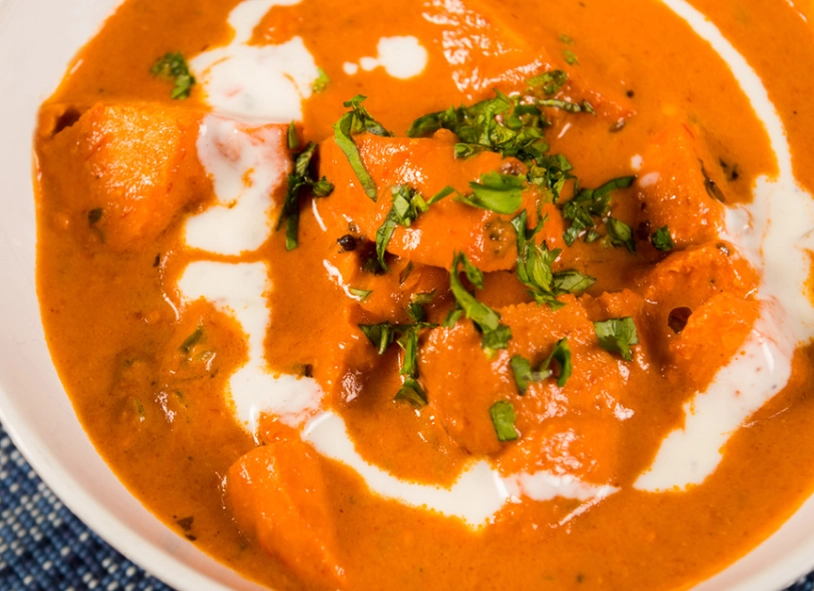
Adding Dairy Too Early (The Curdling Crisis)
Butter and cream are the final, luxurious additions. Add them while the tomato gravy is still fiercely hot and acidic, and you risk separation. You'll see little specks of fat floating in a thin, broken sauce. It's still edible, but the texture is ruined.
The science is simple: high heat and sudden temperature shock can cause the dairy proteins to coagulate. To prevent this, you need to lower the base's temperature and acidity first.
Using the Wrong Kind of Cream
Half-and-half, table cream, milk—these will make your sauce thin and lack richness. Whipping cream (heavy cream) with a fat content of 35% or higher is essential. It provides body, a luxurious texture, and stabilizes the sauce.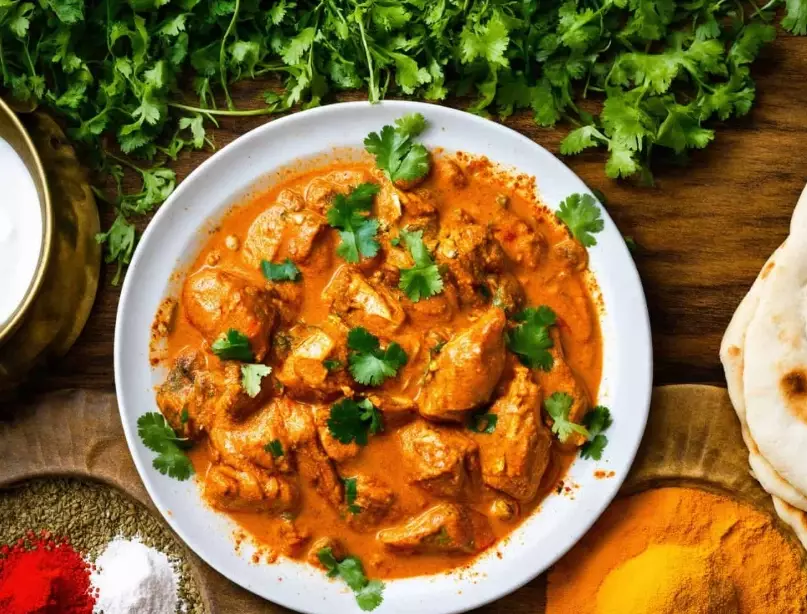
For the butter, unsalted is best so you control the salt. Some chefs swear by a mix of regular butter and a small amount of white butter (makhan) for an authentic taste. If you can't find it, good quality unsalted European-style butter works beautifully.
Neglecting the Final Tempering (Tadka)
You think you're done? Not quite. A final tadka—hot spices infused in ghee or butter—is what makes the dish bloom with aroma. It's the difference between a sauce that tastes cooked and one that smells like it just came out of a tandoor.
Heat a tablespoon of ghee in a small pan. Add a pinch of cumin seeds, a few crushed dried fenugreek leaves (kasuri methi—this is absolutely critical for that signature fragrance), and maybe a slit green chili. Let it sizzle for 30 seconds until fragrant, then pour this sizzling oil over the finished butter chicken and stir once. The aroma is instant and transformative.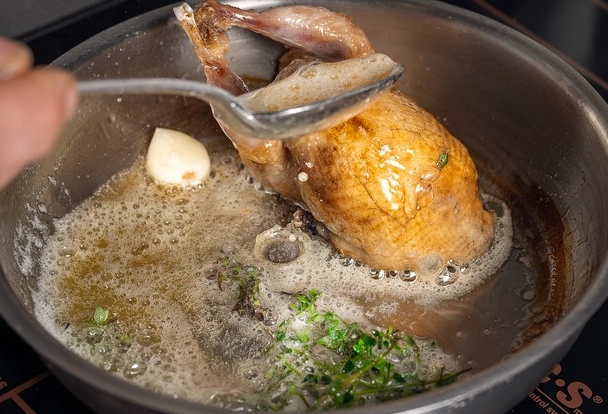
Serving It Straight Away
Patience, again. Butter chicken, like many stews and curries, benefits from a rest. Let it sit off the heat, covered, for 15-20 minutes before serving. This allows the chicken to fully absorb the sauce, the flavors to marry more completely, and the consistency to perfect itself.
It also gives you time to warm your plates and make some fresh naan or rice.
Butter Chicken Mistakes at a Glance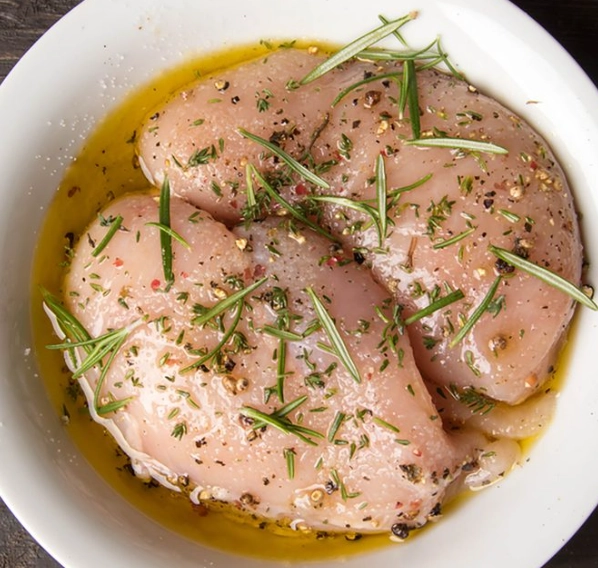
| Mistake | Result | The Expert Fix |
|---|---|---|
| Short Marination | Bland, less tender chicken | Marinate overnight with full-fat yogurt & oil. |
| Overcooking Chicken | Dry, tough pieces | Sear only until 70% done; finish in sauce. |
| Rushing Tomato Gravy | Watery, acidic sauce | Cook tomato paste until oil separates; add cashew paste. |
| Adding Hot Dairy | Separated, grainy sauce | Cool gravy slightly, then stir in room-temp cream/butter. |
| Wrong Cream | Thin, lacking richness | Use heavy whipping cream (35% fat). |
| Skipping Final Tadka | Flat aroma | Temper ghee with kasuri methi & cumin; pour over. |
| No Resting Time | Unmarried flavors | Let the dish sit, covered, for 15-20 mins before serving. |
Getting butter chicken right is about respecting the process. It's not a quick weeknight stir-fry; it's a slow build of layers. Each step—the long marination, the patient reduction of the gravy, the careful incorporation of dairy, the final aromatic flourish—adds a dimension that shortcuts simply can't replicate.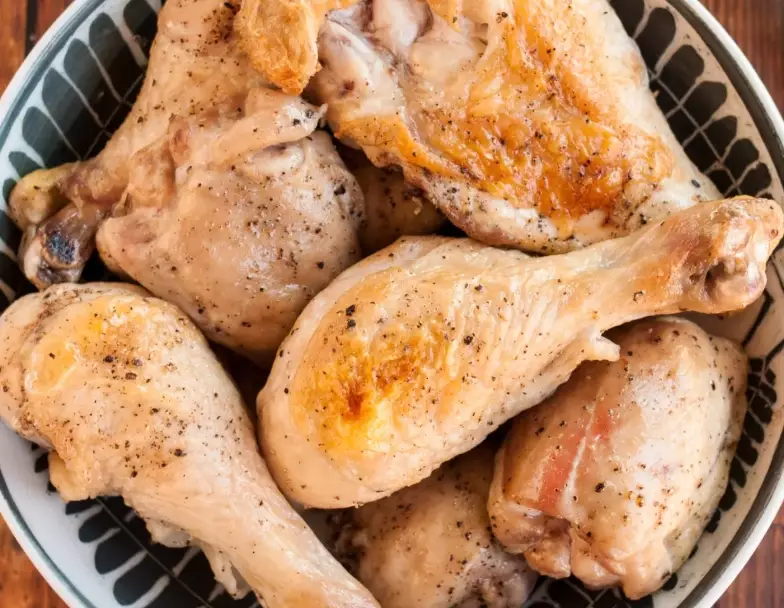
When you nail it, the result is profound: impossibly tender chicken in a sauce that's simultaneously rich, tangy, aromatic, and smooth. It's worth every minute.
Your Butter Chicken Questions, Answered
Can I use chicken breasts instead of thighs for butter chicken?
You can, but you'll need to be extra vigilant. Breasts have less fat and are prone to drying out. If using breasts, cut them into larger chunks, marinate them for a shorter time (4 hours max to avoid a chalky texture from the yogurt), and be extremely careful not to overcook during the initial sear. Thighs are simply more forgiving and flavorful for this application.
My sauce is too thin. How can I thicken it without ruining the flavor?
The best thickener is already in the recipe: cashew paste. If you skipped it, you can make a slurry with 1 tablespoon of almond flour or cashew butter mixed with 2 tablespoons of warm water or milk, then stir it in. Avoid cornstarch if possible—it can give a slightly gelatinous texture. Alternatively, just simmer the sauce uncovered for a few more minutes to reduce it, stirring frequently to prevent sticking.
What's a good substitute for kasuri methi (dried fenugreek leaves)?
There's no perfect substitute—its musky, maple-like aroma is unique. In a pinch, a very small pinch (think 1/8 teaspoon) of fenugreek seeds, lightly toasted and ground, can provide a hint of the flavor. But use extreme caution, as fenugreek seeds are intensely bitter if overused. It's better to find the leaves online or at an Indian grocer; they keep for ages in your pantry.
Can I make butter chicken ahead of time?
Absolutely, and it often tastes better the next day. Cook the dish completely, but hold back on adding the final cream/butter and the tadka. Let it cool and refrigerate. When ready to serve, gently reheat the base, then proceed with adding the room-temperature dairy and the fresh tempering. This keeps the texture perfect.
Is there a way to make a lighter version that's still creamy?
For a lighter texture, you can substitute some of the heavy cream with full-fat coconut milk. It adds a different but pleasant sweetness and creaminess. You can also use a bit less butter and rely more on the cashew paste for body. However, remember that the richness is part of butter chicken's identity; skimping too much changes the character of the dish.
Discussion