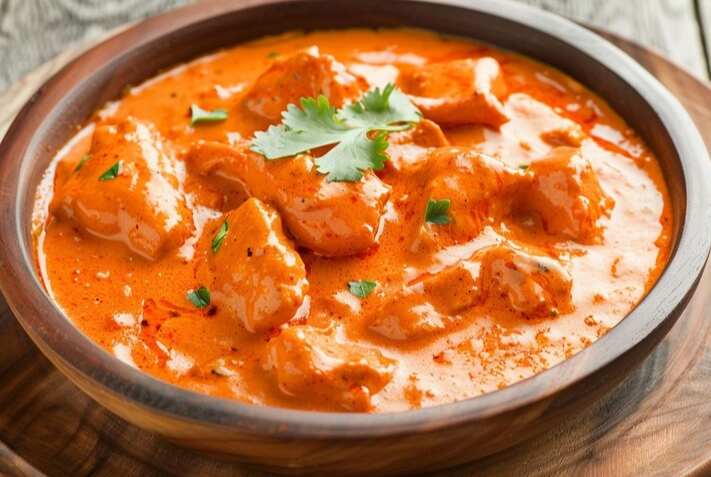
You know that feeling when you order butter chicken at a good Indian restaurant? The sauce is impossibly smooth, rich, and carries this deep, complex flavor that's both tangy and subtly sweet. The chicken is tender enough to cut with a spoon. For years, I thought replicating that at home was a chef's secret. Turns out, it's not magic—it's just a few techniques most online recipes skip. This isn't just another butter chicken recipe. This is the one that finally made my family stop asking for takeout.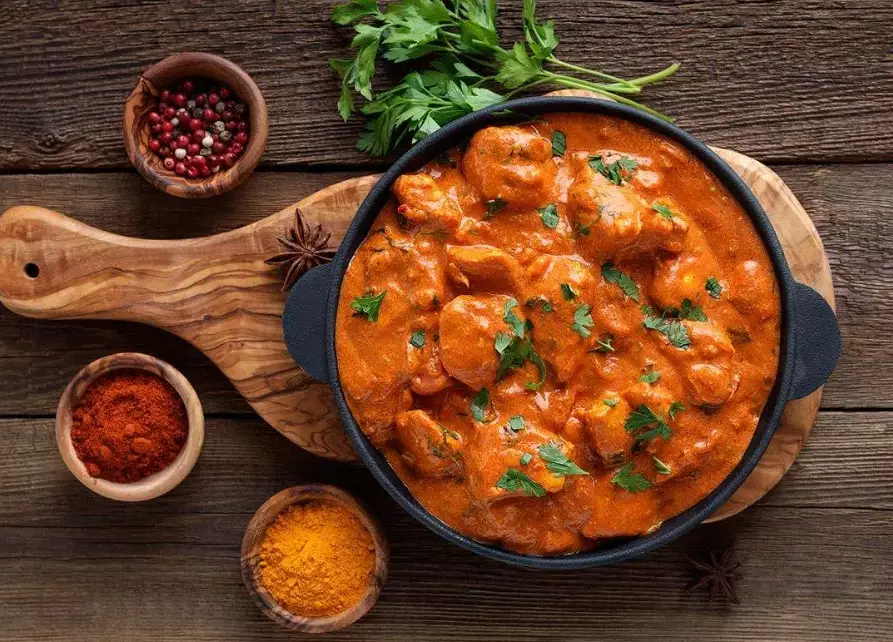
What You'll Find In This Guide
What Is Butter Chicken, Really?
Let's clear something up first. Butter chicken, or Murgh Makhani, isn't just a "curry." It's a specific dish with a history. Legend has it, it was invented at the Moti Mahal restaurant in Delhi in the 1950s as a way to use leftover tandoori chicken. They simmered the dry chicken in a rich tomato and butter gravy. That's the key—it's a gravy, not a thin sauce. It clings to the chicken. The goal is balance: the tang from tomatoes and yogurt, the warmth from spices like garam masala and Kashmiri red chili (which gives color, not brutal heat), the richness from butter and cream, and a hint of sweetness. Miss one element, and it's just tomato cream soup with chicken.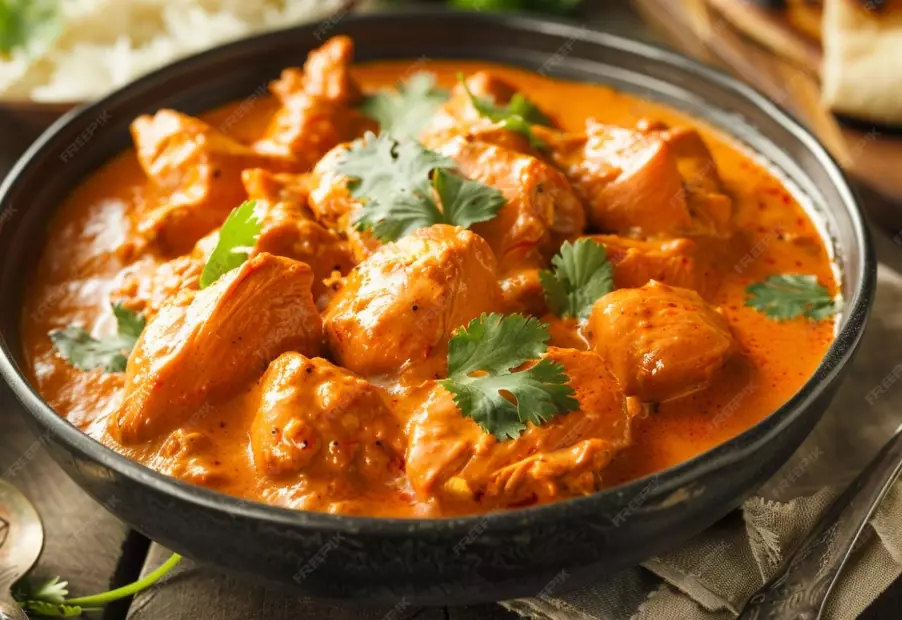
Gathering Your Tools and Ingredients
You don't need a tandoor. A heavy-bottomed pot or Dutch oven is your best friend here. A blender is non-negotiable for that restaurant-smooth texture. Now, the ingredients. This is where most home cooks go wrong, trying to substitute the core components.
Pro Tip: Don't use boneless, skinless chicken breast if you can avoid it. Thighs are fattier, more forgiving, and stay juicier during the simmering process. It makes a world of difference.
For the marinade, you need thick, full-fat yogurt (Greek yogurt works in a pinch), ginger-garlic paste (freshly made is ideal), lemon juice, and a mix of spices: Kashmiri red chili powder (for that iconic color), turmeric, cumin, coriander, and garam masala.
The sauce foundation is tomatoes, butter, onions, more ginger-garlic, and the real secret weapon: raw cashews. They get blended into the sauce, acting as a natural thickener and adding a velvety richness you can't get from cream alone. Speaking of cream, use heavy whipping cream or the Indian variant, malai. Don't skimp here.
Step 1: Marinating the Chicken (The First Secret)
Cut 1.5 lbs of boneless chicken thighs into bite-sized pieces. In a bowl, mix 1/2 cup full-fat yogurt, 1 tablespoon each of ginger and garlic paste, 1 tablespoon lemon juice, 1 teaspoon Kashmiri red chili powder, 1/2 teaspoon turmeric, 1 teaspoon each of cumin and coriander powder, and 1 teaspoon garam masala. Add a big pinch of salt.
Now, get your hands in there. Massage the marinade into every piece of chicken. This isn't a gentle toss. Cover and refrigerate. Here's the non-consensus part everyone misses: marinate for at least 4 hours, but ideally overnight. The 30-minute marinate most recipes suggest is a lie. The yogurt needs time to tenderize the meat fibers deeply. Overnight marination transforms the texture.
You can cook the chicken two ways: traditionally in a hot oven (broil on high for 10-12 mins) to get a slight char, or simply pan-sear it in a bit of oil for 3-4 minutes per side until just cooked through. Don't overcook it here—it will simmer more later. Set the chicken aside.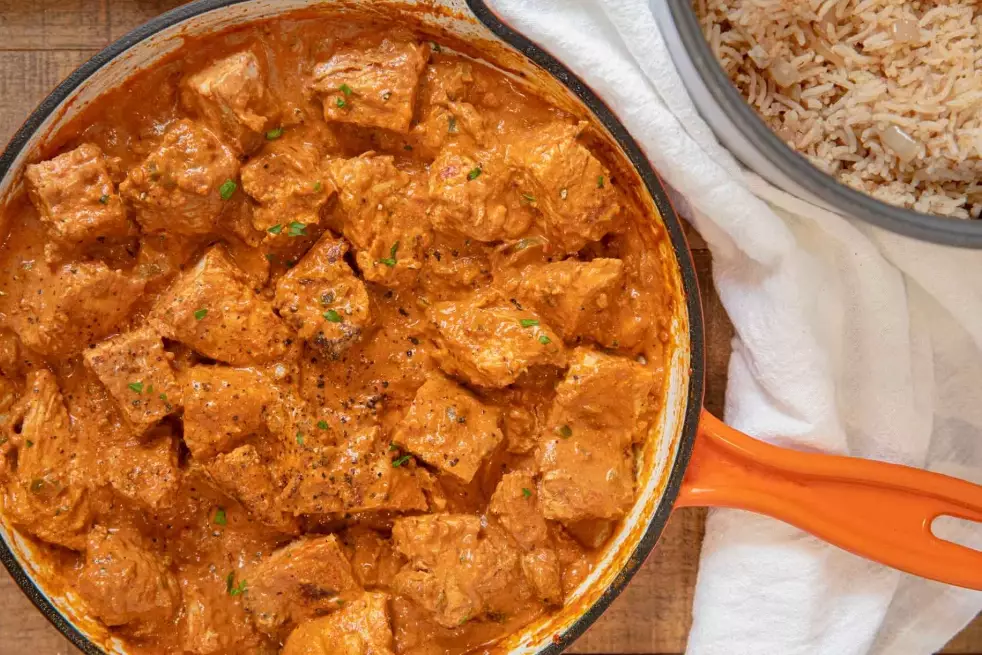
Step 2: Building the Signature Sauce
This is the heart of the dish. Melt 3 tablespoons of butter in your heavy pot. Add 1 large finely chopped onion and cook on medium-low heat until deeply golden and caramelized, about 15 minutes. Rushing this step means missing the sweet, foundational flavor. Add 1 tablespoon each of ginger and garlic paste and cook for another minute until fragrant.
Add 4 large chopped tomatoes (about 2 cups) and 10-12 raw cashews (soaked in hot water for 15 minutes if you don't have a high-power blender). Season with salt. Cook until the tomatoes break down completely and the oil starts to separate from the mixture. This can take 15-20 minutes. You want a thick, jammy paste.
Let it cool slightly, then blend this mixture until it's completely, utterly smooth. No graininess. This is critical for the restaurant texture. Pass it through a sieve back into the pot if you're a perfectionist. It adds 5 minutes but guarantees silkiness.
The Tempering (Tadka) - The Flavor Bomb
In a small pan, heat 2 tablespoons of butter. Add 1 teaspoon cumin seeds, 2 dried red chilies, a pinch of asafoetida (hing, optional but authentic), and 1/2 teaspoon Kashmiri red chili powder. Let the spices sizzle for 30 seconds until incredibly fragrant. Pour this sizzling butter directly into the blended tomato sauce. The aroma is unreal. This step blooms the spices in fat, distributing their flavor through the entire sauce.
Step 3: Bringing It All Together
Bring the now-spiced tomato sauce to a gentle simmer. Add 1 teaspoon garam masala, 1/2 teaspoon dried fenugreek leaves (kasuri methi—crush them between your palms first), and adjust salt. Stir in 1/3 cup of heavy cream.
Watch Out: Never let the sauce boil vigorously after adding the cream. A gentle simmer is all you need. Boiling can cause the cream to curdle or the sauce to split, making it oily.
Add the cooked chicken pieces along with any resting juices. Let it simmer together on low heat for 8-10 minutes, just so the chicken soaks up the gravy and everything melds.
Finish with a final tablespoon of cold butter and a drizzle of cream. Garnish with fresh cilantro. The final touch? A tiny squeeze of fresh lemon juice or a pinch of sugar if your tomatoes were too acidic. Taste and adjust. Serve with steamed basmati rice or warm, buttery naan.
Time is everything. Let the pot sit for 15 minutes off the heat before serving. The flavors settle and deepen.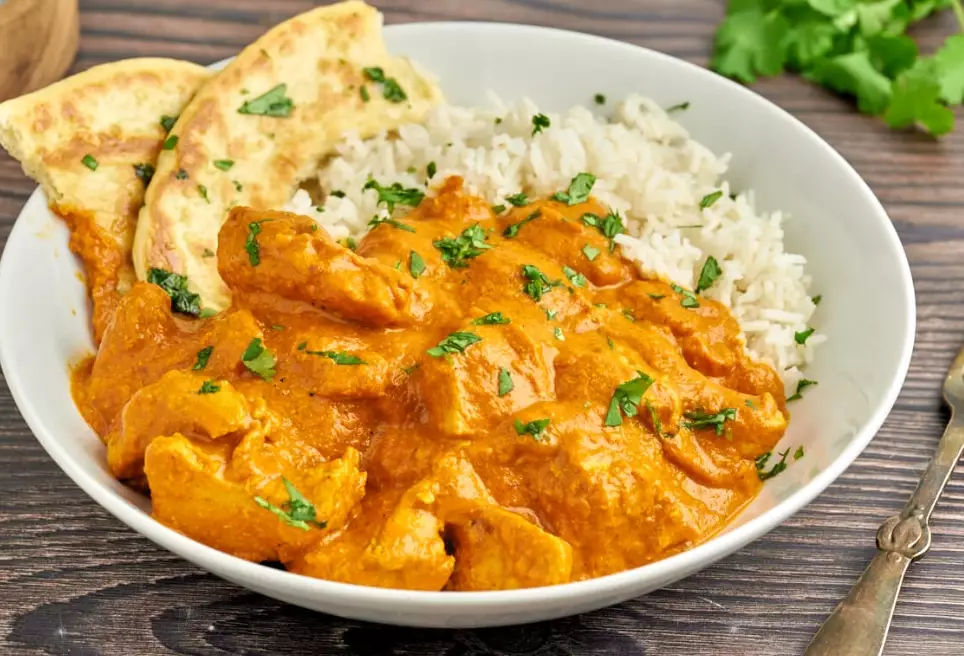
Your Butter Chicken Questions, Answered
 My sauce tastes bland, not like the restaurant. What did I miss?
Discussion