Jump to What You Need
Let's cut to the chase: a good starter for an Indian meal isn't just about filling you up—it's about setting the tone for the entire dining experience. I've spent years exploring Indian cuisine, from street stalls in Mumbai to high-end restaurants in New York, and I've seen too many people mess this up by ordering the wrong thing. The best Indian appetizers balance flavor, texture, and spice to prepare your palate for the mains. In this guide, I'll share the top picks, how to choose them, and where to find authentic versions, so you never have a dull start again.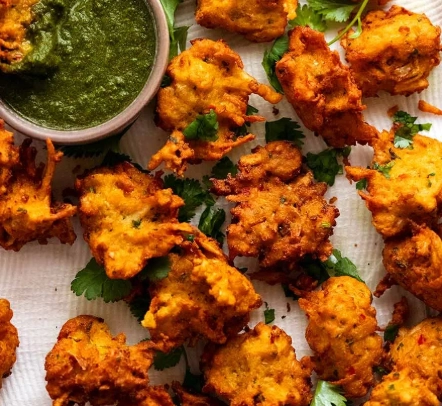
Why Starters Matter in an Indian Meal
Think of an Indian meal starter as the opening act of a concert. If it's weak, the whole show suffers. Starters in Indian cuisine are designed to wake up your taste buds with bold spices, contrasting textures, and often a bit of heat. They're not just snacks; they're integral to the meal's rhythm. Many Indian meals are served family-style, so starters encourage sharing and conversation. I remember a dinner in Delhi where we started with chaat—the tangy, crunchy mix immediately got everyone talking and set a lively mood for the rest of the evening. Skip the starter, and you miss out on that communal vibe.
Another point: Indian starters often include ingredients like yogurt, tamarind, or mint, which help balance the richer curries later. It's a subtle trick that enhances digestion. If you dive straight into a heavy butter chicken, you might feel overwhelmed. A light pakora or samosa eases you in.
Top Indian Starters You Must Try
Here are the classics that never disappoint. I've ranked them based on popularity, flavor, and how well they pair with typical Indian mains.
Samosas: The Crispy Classic
Samosas are probably the most recognizable Indian starter worldwide. They're deep-fried pastries filled with spiced potatoes, peas, and sometimes meat. The key to a good samosa is the pastry—it should be flaky and not greasy. I've had samosas that were so oily they ruined my appetite, so watch out for that. Vegetarian versions are common, but non-veg options like lamb or chicken samosas are also popular. Pair them with mint chutney or tamarind sauce for dipping.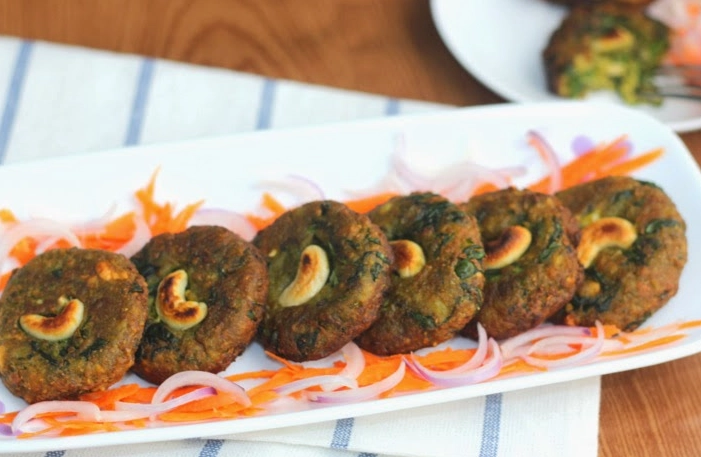
Pakoras: The Perfect Fritters
Pakoras are vegetable fritters dipped in chickpea flour batter and fried until crispy. Onions, potatoes, spinach—you name it. They're lighter than samosas and great for sharing. My personal favorite is onion pakora; the sweetness of the onion contrasts beautifully with the spicy batter. Pakoras are often served during monsoon season in India, but they work year-round. Avoid over-fried pakoras that taste burnt; a golden-brown color is ideal.
Chaat: The Tangy Street Food
Chaat is a category of savory snacks that are bursting with flavor. Think bhel puri, pani puri, or aloo tikki. They combine crunchy elements like puffed rice or fried dough with tangy chutneys, yogurt, and spices. Chaat is messy to eat, but that's part of the fun. It's a flavor explosion that primes your palate. I once tried bhel puri at a Mumbai street vendor—the mix of sweet, sour, and spicy was unforgettable. Chaat is usually vegetarian, making it a great option for diverse diets.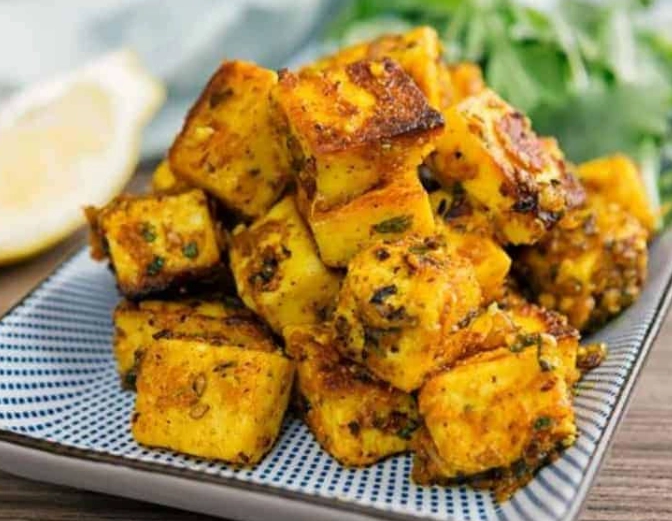
Pro tip: Many Indian restaurants offer a "chaat platter" that lets you sample multiple types. It's a smart way to explore without committing to one dish.
Other Noteworthy Starters
- Tandoori Starters: Like tandoori chicken or paneer tikka—marinated and cooked in a clay oven. They're smoky and less oily.
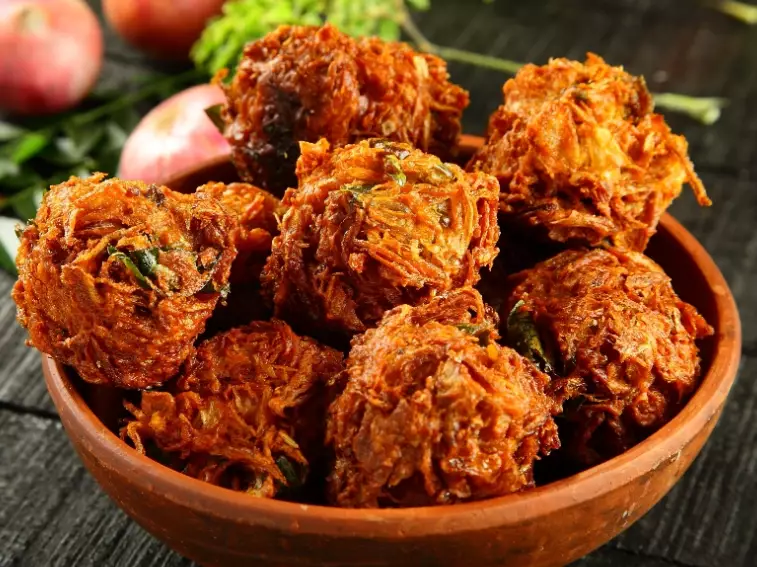
- Kebabs: Such as seekh kebab or reshmi kebab, often made with minced meat or fish. They're protein-rich and flavorful.
- Dahi Puri: A type of chaat with crispy puris filled with yogurt and chutneys. It's creamy and refreshing.
| Starter | Key Ingredients | Best For | Spice Level |
|---|---|---|---|
| Samosas | Potatoes, peas, pastry | Crunchy lovers | Medium |
| Pakoras | Vegetables, chickpea flour | Light bites | Mild to medium |
| Chaat | Puffed rice, chutneys, yogurt | Flavor adventurers | Varies (often high) |
| Tandoori Chicken | Chicken, yogurt, spices | Protein seekers | Medium |
How to Choose the Right Starter for Your Indian Meal
Choosing a starter isn't just about picking what sounds good—it's about strategy. Consider your main course, dining companions, and personal tolerance for spice. Here's a simple framework I use.
First, match the starter to the main. If you're ordering a rich curry like butter chicken or korma, go for something light and tangy, like chaat or a yogurt-based starter. It cuts through the heaviness. For grilled mains like tandoori dishes, a crispy samosa or pakora adds texture contrast.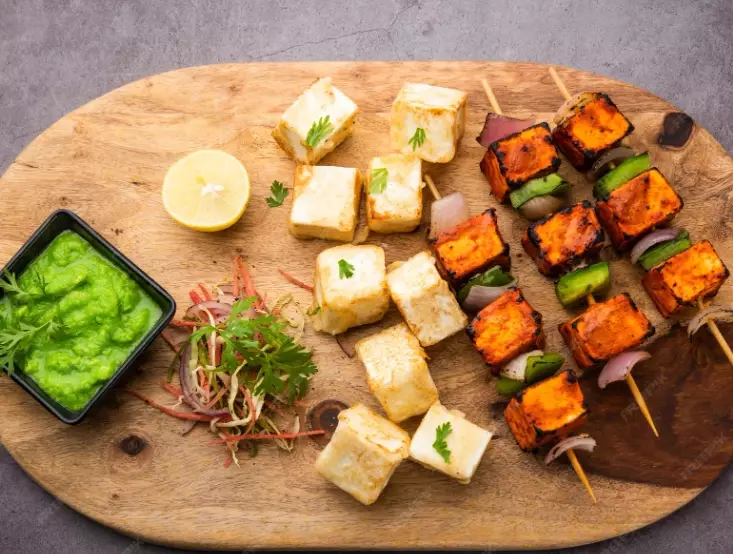
Second, think about sharing. Indian meals are social. If you're with a group, opt for starters that are easy to divide, like a platter of kebabs or a big bowl of bhel puri. Avoid items that are too messy or require individual assembly, unless everyone's up for it.
Third, spice level. Indian starters can be spicy, but many restaurants adjust heat on request. Don't be shy to ask for mild versions if you're sensitive. I've made the mistake of ordering extra-spicy pani puri and regretted it when my mouth was on fire before the main course arrived.
Lastly, dietary restrictions. Many Indian starters are vegetarian or can be made vegan (like aloo tikki without yogurt). Gluten-free options include pakoras made with alternative flours, but check with the restaurant. Indian cuisine is generally accommodating, but always confirm.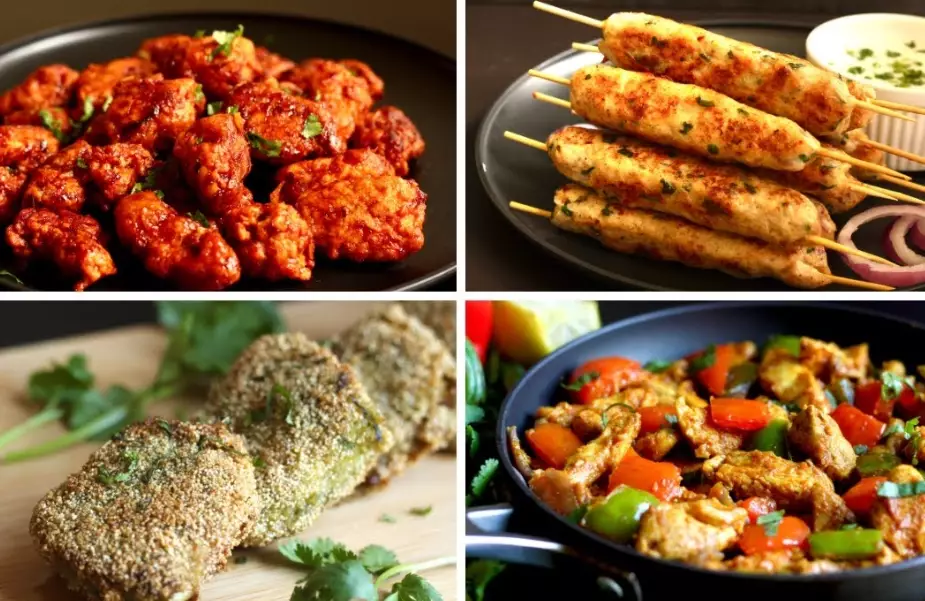
Where to Find the Best Indian Starters
You don't need to fly to India to enjoy authentic starters—many restaurants worldwide do them justice. Based on my travels and research from sources like BBC Good Food and Serious Eats, here are some recommendations.
In London, Dishoom is a standout for chaat and kebabs. Their bhel puri is consistently fresh, and the ambiance mimics Bombay cafes. Address: multiple locations; try the Covent Garden branch. Prices start around £6 for starters. Open daily from 8 AM to 11 PM.
In New York City, Junoon offers upscale Indian starters like tandoori scallops. It's pricier but worth it for special occasions. Address: 27 W 24th St, New York. Starters range from $15 to $25. Hours: Dinner only, 5 PM to 10 PM.
For a more casual experience, look for local Indian street food festivals or pop-ups. They often serve the most authentic chaat. I found a great one in Toronto last summer—the pani puri was made to order, with a perfect balance of sweet and sour water.
If you're cooking at home, try recipes from authoritative sites like Ministry of Curry or Veg Recipes of India. They provide step-by-step guides for starters like samosas. My homemade samosas never turn out as flaky as the restaurant versions, but practice helps.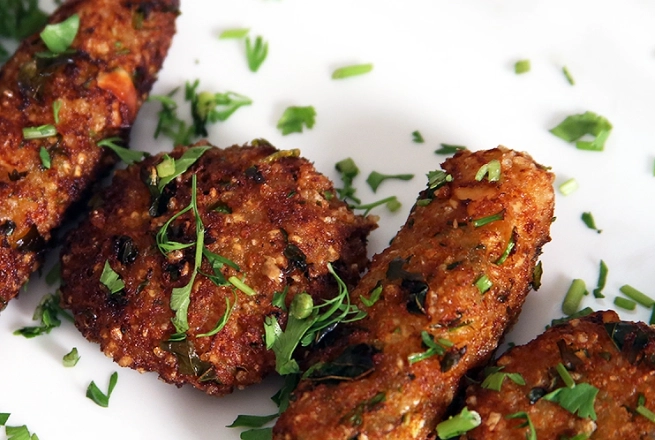
Watch out: Some chain restaurants serve frozen, reheated starters that lack freshness. Always check reviews for mentions of "homemade" or "freshly fried."
FAQ: Common Questions About Indian Meal Starters
Wrapping up, a good starter for an Indian meal should excite your palate without overwhelming it. Whether you're dining out or cooking at home, focus on variety and balance. Indian cuisine offers endless options, so don't be afraid to experiment. Next time you're at an Indian restaurant, skip the usual and try a chaat platter—you might discover a new favorite. And remember, the best meals start with a great opener.
Discussion